




Water Quality and Microbiology in Nigeria
Water quality is crucial in Nigeria.
Access to clean water is a basic human right.
Microbiology plays a vital role in safeguarding public health.
It monitors and analyzes waterborne pathogens.
Overview of Microbiology
Microbiology studies microorganisms, including bacteria, viruses, fungi, and parasites.
It supports medicine, agriculture, food production, and environmental science.
Researchers apply microbiological knowledge to understand microorganisms and their effects.
Applications of Microbiology
- In medicine, microbiologists identify pathogens to help diagnose and treat infectious diseases.
- In agriculture, they study soil microbes to improve crop yields and develop biopesticides.
- Within food production, they monitor microbial contamination to support food safety.
- Meanwhile, microbiologists assess microorganisms affecting water, soil, and ecosystem conditions.
Microbiology and Water Analysis
- Microbiologists examine microbial communities in water sources to evaluate quality and possible health risks.
- They identify pathogenic bacteria and viruses that cause waterborne diseases, including cholera and typhoid.
- They also evaluate water treatment processes that remove microbial contaminants.
- Finally, they study microbial diversity to develop strategies for safer drinking water.
Microbiological Analysis of Water
Microbiological water analysis examines microorganisms that may affect water safety.
Testing teams collect samples, culture them in laboratories, and identify harmful microorganisms.
These steps help assess contamination and support efforts to protect public health.
Testing Water for Microbial Contamination
Water testing begins with careful sample collection from relevant water sources.
Laboratory staff culture the samples to detect microbial contamination.
Next, they identify harmful microorganisms found in the samples.
Microorganisms Found in Water Sources
Water sources can contain bacteria, viruses, protozoa, fungi, algae, and parasites.
These groups include organisms that may cause waterborne diseases.
Some microorganisms also produce toxins that can harm people.
- Bacteria include Escherichia coli, Salmonella, and Vibrio cholerae.
- Viruses include hepatitis A, rotavirus, and norovirus.
- Protozoa include Cryptosporidium and Giardia.
- Fungi include Candida and Aspergillus.
- Algae include cyanobacteria, also called blue-green algae.
- Parasites include helminths such as roundworms and flatworms.
Water Testing and Public Health Protection
Proper testing helps identify microorganisms that contaminate water supplies.
Early identification supports measures that can prevent waterborne diseases.
Therefore, microbiological analysis helps protect the health of all Nigerians.
You Might Also Like: Marine Biology Research Centers in Nigeria
Health Impacts of Microbiological Contamination
Contaminated water creates serious health risks for people who consume it.
Bacteria, viruses, and parasites can cause several waterborne diseases.
These illnesses can range from mild gastrointestinal discomfort to life-threatening conditions.
Common diseases linked to contaminated water include the following conditions:
- Cholera causes severe diarrhea and dehydration through bacterial infection.
- Giardiasis causes gastrointestinal problems through parasitic infection.
- Hepatitis A affects the liver through viral infection.
- Salmonellosis can cause fever, diarrhea, and abdominal cramps.
- Typhoid fever can cause high fever and weakness through bacterial infection.
Public Health Consequences and Protection
Pathogens in water sources can trigger widespread outbreaks of waterborne diseases.
Children, pregnant women, and people with weakened immune systems face greater risks.
Inadequate sanitation and continued exposure can contribute to chronic illness, malnutrition, and death.
Therefore, communities must prevent contamination to protect public health.
Water quality monitoring programs can help identify harmful microorganisms in water sources.
Improved sanitation infrastructure can reduce exposure to contaminated water.
Public awareness can promote safer water practices among Nigerians.
Protecting water quality remains vital for a healthier and more sustainable future in Nigeria.
Discover More: Developing Analytical Skills in Applied Mathematics
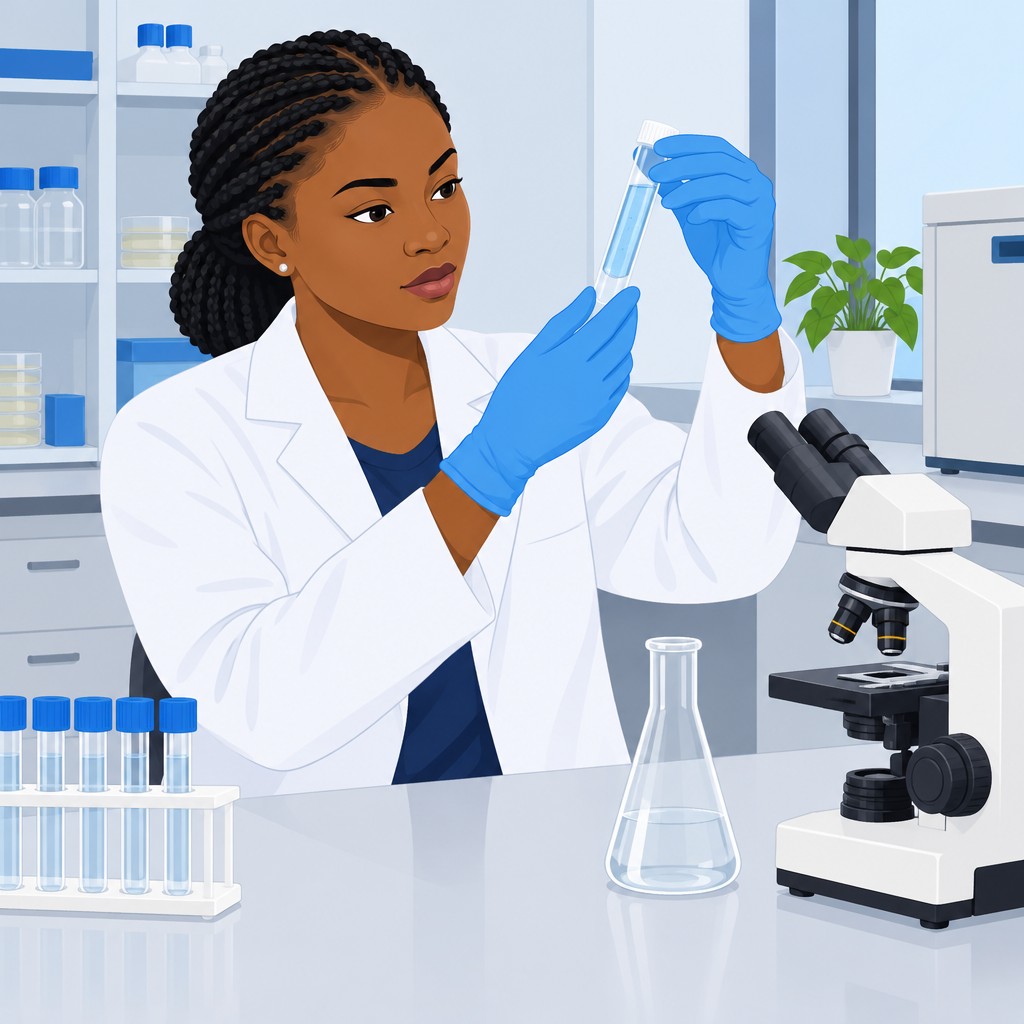
Importance of Monitoring Water Quality
- Regular monitoring of water sources helps ensure safe drinking water.
- Microbiology plays a crucial role in detecting and preventing waterborne diseases.
- Monitoring identifies potential contaminants and supports necessary corrective actions.
- Safe water quality helps prevent cholera, typhoid, and dysentery outbreaks.
- Microbiological testing assesses the effectiveness of water treatment methods.
- Furthermore, monitoring protects aquatic ecosystems and biodiversity.
- Authorities use water quality data to establish safe consumption guidelines and regulations.
- Regular assessments support early pollution source detection and prevent further contamination.
- Public health officials use microbiological data to make informed water safety decisions.
- Finally, community involvement promotes awareness and accountability for water resources.
Gain More Insights: Geophysics and Climate Change Studies in Nigeria
Government Regulations and Policies
Nigeria uses regulatory policies to support safe drinking water.
These policies establish responsibilities for monitoring, regulating, and enforcing water quality requirements.
Furthermore, regulatory agencies protect public health through standards and compliance activities.
- Federal Ministry of Water Resources
- National Agency for Food and Drug Administration and Control
- National Environmental Standards and Regulations Enforcement Agency
Regulatory Bodies Responsible for Water Quality
The Federal Ministry of Water Resources serves as Nigeria’s primary water quality regulator.
It oversees policies and regulations designed to maintain safe drinking water across the country.
Additionally, NAFDAC regulates packaged drinking water production and distribution.
Guidelines and Standards for Public Health
The Nigerian Standard for Drinking Water Quality provides the central framework for water safety requirements.
Transform Your Career with Expert Guidance
Get personalized mentorship consulting that’s tailored to your unique path. Our expert advice is actionable and exclusive.
Get StartedThese guidelines address microbiological, physical, and chemical water quality parameters.
Consequently, the standards help agencies evaluate water safety and protect public health.
Enforcement and Regulatory Coordination
NESREA enforces environmental regulations that include requirements related to water quality.
It conducts inspections and audits to assess compliance with established standards.
Together, these agencies establish and enforce safeguards for acceptable water quality in Nigeria.
Explore Further: Admission Requirements for Agri-Science in Nigeria
Microbiology’s Role in Protecting Future Water Safety
Microbiology supports water quality protection by revealing microorganisms that threaten Nigerian water sources.
Bacteria and protozoa can contaminate water and cause waterborne diseases.
Therefore, microbiological monitoring helps identify contamination and guide preventive action.
Nigeria should invest in water quality monitoring and microbiological analysis to protect public health.
These efforts can expand access to safe drinking water for Nigerians.
Additionally, protecting water sources can promote a healthier environment for future generations.
Additional Resources
Google search results for Role of Microbiology in Nigeria's Water Quality Sciences
Bing search results for Role of Microbiology in Nigeria's Water Quality Sciences


