




Marine Biology Research Centers in Nigeria
Marine biology research centers in Nigeria support conservation of the country’s marine resources.
These centers also promote marine conservation and sustainable development.
Furthermore, their work strengthens efforts to protect Nigeria’s marine resources.
Marine Biology Research Centers in Nigeria
Marine biology research centers in Nigeria study and help protect the country’s diverse marine ecosystems.
They also provide education and raise awareness about marine conservation.
These institutions support research that informs sustainable management of marine resources.
Major Marine Biology Research Centers
Several Nigerian institutions focus on ocean science, marine pollution, fisheries, and biodiversity.
Together, they address scientific and environmental priorities across coastal regions.
Their work includes research, training, monitoring, and collaboration.
- Nigerian Institute for Oceanography and Marine Research (NIOMR)
- Centre for Marine Pollution Monitoring and Seafood Safety (CMPMSS)
- Marine Biology Research Institute (MBRI)
Locations of the Research Centers
NIOMR operates in Lagos, Nigeria’s commercial capital.
CMPMSS is situated in Port Harcourt, a major port city in the Niger Delta.
MBRI is based in Calabar, a coastal city in southeastern Nigeria.
Research Focus and Objectives
Each center addresses specific marine science and conservation needs.
Their research covers fisheries, pollution, seafood safety, ecosystems, and biodiversity.
They also support informed decisions through training, monitoring, and community collaboration.
Nigerian Institute for Oceanography and Marine Research
NIOMR was established in 1975 as one of Nigeria’s oldest marine biology research institutes.
The institute studies fisheries, aquaculture, oceanography, and marine biodiversity.
NIOMR provides scientific advice, develops sustainable fishing practices, and promotes marine conservation.
It also offers training programs for students and professionals in marine science and technology.
Centre for Marine Pollution Monitoring and Seafood Safety
CMPMSS monitors marine pollution and assesses its effects on seafood safety.
The center researches seafood contaminants, water quality, and pollution prevention measures.
It identifies pollution sources and develops monitoring protocols.
CMPMSS also promotes safe seafood consumption and collaborates with relevant stakeholders.
Marine Biology Research Institute
MBRI studies marine ecosystems, biodiversity, and conservation in the Niger Delta region.
The institute examines mangrove ecosystems, coral reefs, fish populations, and marine habitats.
MBRI assesses ecosystem health and identifies important conservation priorities.
It also develops sustainable management strategies with communities and partner organizations.
Facilities and Resources
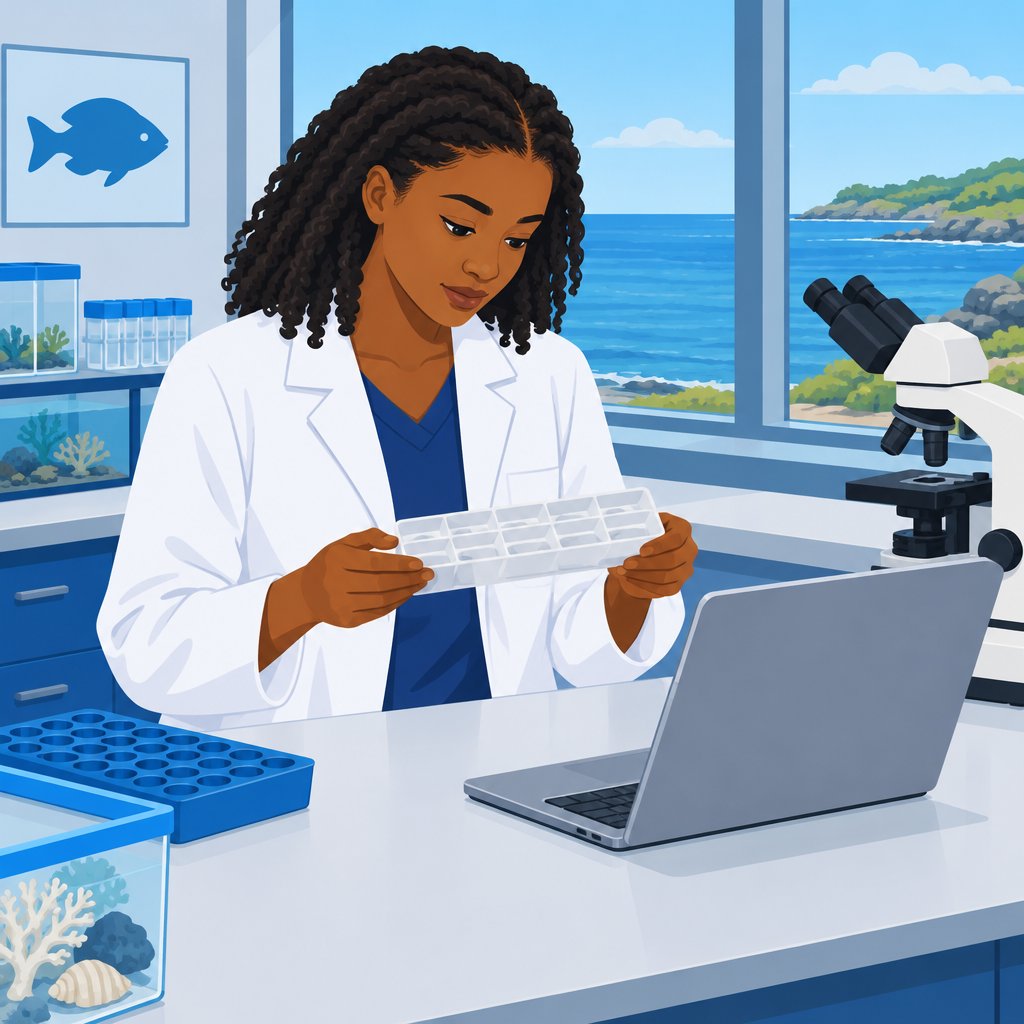
Marine biology research centers in Nigeria provide specialized facilities for advanced marine studies.
These facilities include laboratories, research vessels, and equipment for examining marine ecosystems and organisms.
Additionally, each center supports specific research needs through dedicated spaces and technologies.
Facilities Available at Each Research Center
DNA sequencing laboratories support genetic studies at some centers.
Marine organism culture facilities help researchers study marine life cycles.
Imaging facilities provide detailed views of marine organisms.
The centers give researchers practical tools for exploring complex marine environments in Nigeria.
Research Vessels, Laboratories, and Equipment
These centers maintain resources that support fieldwork, laboratory analysis, experiments, and data processing.
Research vessels help teams collect samples from different marine habitats.
The vessels use navigation, sample collection, and data recording technologies.
Laboratories contain modern equipment for analyzing samples and conducting experiments.
Researchers also maintain marine organisms under controlled conditions.
Common equipment includes microscopes, spectrophotometers, and PCR machines.
Transform Your Career with Expert Guidance
Get personalized mentorship consulting that’s tailored to your unique path. Our expert advice is actionable and exclusive.
Get StartedInternational Research Partnerships
Nigerian marine biology research centers build partnerships with international organizations.
These collaborations strengthen research capabilities and support global marine biology projects.
International partners provide expertise, funding, and resources for shared research activities.
Researchers can join projects, exchange knowledge, and share marine biology practices.
Consequently, these partnerships expand research networks and contribute to global understanding of marine ecosystems and biodiversity.
Explore Further: Developing Analytical Skills in Applied Mathematics
Research Projects and Publications
- Overview of Current and Past Research Projects
Marine biology research centers in Nigeria conduct research on the local marine environment. - Key Findings and Contributions to Marine Biology
Research findings include new species discoveries, environmental impact assessments, and biodiversity conservation efforts. - Publications and Academic Papers
Researchers publish academic papers and articles in reputable scientific journals.
These publications examine coral reef ecosystems, sea turtle populations, and mangrove forests.
Learn More: Geophysics and Climate Change Studies in Nigeria
Student and Researcher Opportunities
- Students and researchers can engage in research at the centers.
- Additionally, marine biology research centers in Nigeria offer internship and training programs.
- Past participants have shared testimonials about their research center experiences.
Explore Further: Admission Requirements for Agri-Science in Nigeria
Marine biology research centers in Nigeria play a crucial role in influencing marine conservation efforts in the country.
Impact on Marine Conservation and Policy
- Research Influence: Research conducted at these centers provides valuable insights into Nigeria’s marine ecosystems.
- Conservation Efforts: Researchers study marine biodiversity and ecosystem health to identify key conservation areas.
- Policy Recommendations: Their findings often support policies that protect vulnerable marine species and habitats.
The data and analysis from these research centers provide a foundation for shaping marine conservation policies in Nigeria.
Examples of Successful Conservation Initiatives
- Coral Reef Protection: Research has emphasized the importance of protecting coral reefs along Nigeria’s coast.
- Fisheries Management: Studies have encouraged practices that prevent overfishing and protect fish stocks.
- Marine Protected Areas: Research has supported protected areas that safeguard critical marine habitats.
These efforts help policymakers preserve marine ecosystems for future generations.
Find Out More: Internship Opportunities for Geophysics Students
Future Directions for Marine Biology Research in Nigeria
Marine biology research centers in Nigeria advance understanding of the marine environment.
They provide valuable data for conservation, sustainable resource management, and biodiversity protection.
Therefore, continued support and funding can strengthen these centers’ long-term success and impact.
Moreover, collaboration and knowledge-sharing help Nigerian marine biology researchers address common challenges.
By working together, researchers can develop innovative solutions and conduct joint studies.
Such cooperation can also amplify the impact of their research.
Ultimately, a strong network can protect marine ecosystems and promote sustainable development throughout Nigeria.
Additional Resources
Google search results for Marine Biology Research Centers in Nigeria Sciences
Bing search results for Marine Biology Research Centers in Nigeria Sciences


