



Importance of Seismic Surveys in Nigeria
Seismic surveys support oil and gas exploration and extraction in Nigeria.
They reveal detailed information about subsurface geology and help identify potential hydrocarbon reserves.
Survey teams send sound waves into the ground and record the returning echoes.
These echoes create images of the rock layers beneath the surface.
Companies use this information to select drilling sites and estimate potential reserves.
Because oil and gas significantly influence Nigeria’s economy, seismic surveys remain especially important.
Accurate surveys can determine the success and profitability of drilling operations.
Therefore, seismic surveys form a vital part of Nigeria’s oil and gas industry.
They help companies understand subsurface structures and geological formations before drilling.
Consequently, companies can make informed decisions about drilling locations and production strategies.
This knowledge can support new reserve discoveries and improve existing field operations.
Improved field planning can contribute to Nigeria’s energy security and economic growth.
Seismic surveys also help companies manage exploration and extraction risks.
Furthermore, they can reduce costs and improve operational efficiency.
These benefits support the sustainable development of Nigeria’s oil and gas industry.
Ultimately, seismic data benefits both the industry and the nation.
Early History of Seismic Surveys in Nigeria
Seismic surveys in Nigeria began during the early development of oil exploration.
Early teams used rudimentary equipment and techniques to map potential oil and gas reserves.
These efforts established the foundation for later improvements in survey practice.
Advances in Survey Technology
Over time, Nigeria adopted significant advances in seismic survey technology.
These developments improved how exploration teams examined subsurface geology.
They also supported more efficient and accurate exploration activities.
Impact of Three-Dimensional Seismic Surveys
The introduction of three-dimensional seismic surveys marked a major industry milestone.
This method produced more detailed images of underground structures.
Consequently, companies could plan drilling more precisely and reduce exploration risks.
Three-dimensional surveys also helped optimize drilling processes and reduce exploration costs.
Deepwater Exploration and Technical Challenges
Nigeria later expanded exploration into deepwater areas.
Those environments created new mapping challenges for seismic survey teams.
Therefore, innovators developed techniques suited to deepwater oil and gas reservoirs.
Future Directions for Nigerian Seismic Surveys
Ongoing technological advances continue to shape seismic surveying in Nigeria.
Future exploration will place greater emphasis on efficiency and accuracy.
These priorities could support continued progress in Nigerian oil exploration.
Types of Seismic Surveys
Seismic surveys help industry teams understand subsurface geology and identify potential hydrocarbon reservoirs.
Nigeria uses several seismic survey types during oil and gas exploration.
Each method provides a different level of subsurface detail for exploration decisions.
- 2D Seismic Surveys: Teams acquire data along one straight line to create a two-dimensional subsurface image.
- 3D Seismic Surveys: Teams collect data across a grid to create a detailed three-dimensional subsurface image.
- 4D Seismic Surveys: Teams repeat 3D surveys over time to monitor reservoir changes, fluid movement, and production.
Comparison of Seismic Survey Applications and Benefits
Each survey type serves different exploration and production objectives.
Project teams select a method according to their goals and required level of detail.
Using multiple methods can support oil and gas exploration activities in Nigeria.
Applications of Seismic Surveys
- 2D Seismic Surveys: Teams use them for regional mapping and initial exploration.
- 3D Seismic Surveys: Teams use them to image subsurface structures and reservoirs for drilling decisions.
- 4D Seismic Surveys: Teams use them to monitor reservoirs and support production management.
Benefits of Seismic Surveys
- 2D Seismic Surveys: They provide a cost-effective overview of subsurface geology.
- 3D Seismic Surveys: They provide detailed reservoir characterization for informed decision-making.
- 4D Seismic Surveys: They reveal reservoir changes and support improved production strategies.
Explore Further: Latest Research Publications in Applied Biology
Challenges Faced During Seismic Surveys in Nigeria
Companies conducting seismic surveys in Nigeria face operational, regulatory, environmental, and community-related challenges.
Transform Your Career with Expert Guidance
Get personalized mentorship consulting that’s tailored to your unique path. Our expert advice is actionable and exclusive.
Get StartedThese difficulties can disrupt survey activities, extend project timelines, and increase operating costs.
Therefore, companies need proactive risk management and effective stakeholder engagement.
Security Issues
Security concerns create significant risks for companies conducting seismic surveys in Nigeria.
Militancy, kidnapping, and infrastructure sabotage can interrupt field operations.
Consequently, companies may experience delays, higher costs, and operational disruptions.
- Security threats can disrupt survey activities.
- Militancy and kidnapping can affect personnel safety.
- Sabotage can damage oil infrastructure and delay projects.
Regulatory Barriers
Navigating Nigeria’s regulatory environment can challenge companies conducting seismic surveys.
Companies often need permits, licenses, and approvals before beginning survey activities.
Additionally, regulatory changes can affect operations and alter project timelines.
- Permit applications can take considerable time.
- Bureaucratic procedures can delay survey preparation.
- Policy changes can increase uncertainty for operators.
Infrastructure Deficiencies
Infrastructure limitations can complicate seismic survey operations across Nigeria.
Poor roads can delay equipment transportation and restrict access to survey areas.
Likewise, unreliable power and telecommunications can hinder field coordination.
- Road conditions can delay equipment movement.
- Power limitations can affect operational support.
- Telecommunications gaps can hinder communication.
Environmental Concerns
Environmental protection remains an important consideration during seismic survey planning.
Survey activities can raise concerns about pollution, deforestation, and land degradation.
Companies must manage these concerns to reduce legal and reputational risks.
- Pollution can create environmental and regulatory concerns.
- Deforestation can affect local environments.
- Land degradation can create legal liabilities.
Community Relations
Companies need positive relationships with communities near survey locations.
Community opposition can interrupt activities, delay projects, and create conflicts.
Therefore, companies should communicate clearly and address community concerns.
- Community engagement can support smoother operations.
- Companies should address local concerns promptly.
- Providing benefits can encourage cooperation.
Effects on Nigeria’s Oil and Gas Industry
These challenges can affect exploration and production activities across Nigeria’s oil and gas industry.
Delays, disruptions, and higher costs can reduce investment and sector output.
Proactive risk management, stakeholder engagement, and innovative solutions can support successful surveys.
These approaches can also encourage sustainable development within Nigeria’s oil and gas industry.
Delve into the Subject: Top Geophysical Software Used in Nigeria
Regulations and Policies Governing Seismic Surveys in Nigeria
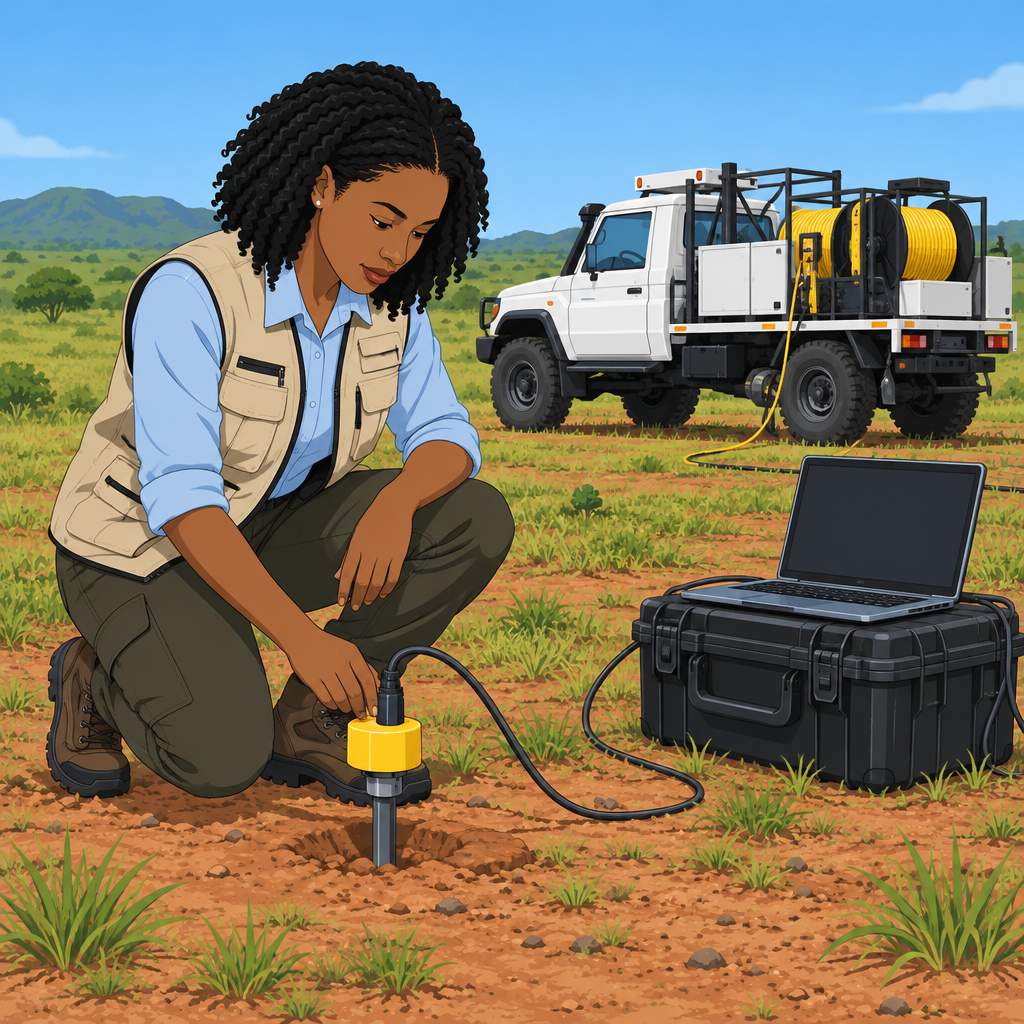
Nigeria uses regulations and policies to guide seismic survey activities.
These requirements support safe data collection while protecting people and the environment.
They also establish responsibilities for companies conducting seismic survey operations.
Regulatory Requirements for Seismic Surveys
The Department of Petroleum Resources oversees seismic survey activities in Nigeria.
Companies must secure required permits and approvals before starting their operations.
Environmental assessments and safety measures support responsible survey planning.
- Companies must obtain necessary approvals from the Department of Petroleum Resources.
- Environmental Impact Assessments must examine potential risks from seismic survey projects.
- Health and safety rules must protect workers and nearby communities.
Regulatory Enforcement and Monitoring
The Department of Petroleum Resources enforces requirements for seismic survey activities.
It uses inspections, audits, and monitoring to review company compliance.
Authorities may penalize companies that violate applicable regulations.
- Violations may result in penalties or fines.
- Authorities may suspend operations when companies breach regulatory requirements.
Benefits of Regulatory Compliance
Regulations encourage companies to conduct seismic surveys responsibly.
They help reduce environmental degradation and potential harm to local communities.
Compliance also supports reliable seismic data for oil and gas decisions.
- Regulations promote environmentally sustainable survey practices.
- Requirements help protect workers and surrounding communities from avoidable harm.
- Accurate data supports informed decisions within the oil and gas industry.
- Compliance helps protect Nigerias natural resources for future generations.
You Might Also Like: Geology and Environmental Management in Nigeria
Benefits of Seismic Surveys in Nigeria
Seismic surveys provide valuable information for exploring and developing oil and gas resources in Nigeria.
They create detailed images of subsurface geology and guide exploration decisions.
Consequently, companies can evaluate prospects more efficiently, responsibly, and safely.
Identification of Potential Oil and Gas Reserves
Seismic surveys help geophysicists identify potential oil and gas reserves beneath the Earth’s surface.
Advanced technology produces detailed images of underground geological structures.
These images help specialists locate areas that may contain hydrocarbon deposits.
Improved Exploration Efficiency
Seismic data reveals important geological characteristics within a survey area.
Therefore, oil and gas companies can focus resources on prospects with stronger potential.
This focused approach can reduce exploration costs and improve discovery prospects.
Risk Mitigation During Drilling
Seismic surveys help companies assess geological risks before drilling begins.
They provide information that supports better decisions about potential drilling locations.
As a result, companies can reduce the likelihood of investing in unproductive wells.
Optimal Resource Development
Seismic surveys support resource development by clarifying subsurface geological conditions.
Companies can use this information to design well trajectories more effectively.
They can also improve reservoir management and maximize oil and gas recovery.
Support for Regulatory Compliance
Nigerian regulations often require oil and gas companies to conduct seismic surveys.
Compliance helps companies manage exploration and production activities responsibly.
Seismic information can also support practices that reduce drilling’s environmental impact.
Enhanced Safety Measures
Seismic surveys provide information about subsurface conditions before exploration activities advance.
Companies can use these findings to identify potential hazards and reduce operational risks.
These measures help protect workers, equipment, and the wider sustainability of industry operations.
Learn More: Career Opportunities in Marine Biology in Nigeria
Successful Seismic Surveys in Nigeria
Successful seismic surveys have shaped Nigeria’s oil and gas industry.
These projects increased exploration results and influenced economic activity.
They also attracted investment, supported employment, and strengthened public revenue.
ExxonMobil’s OPL 214 Project
- ExxonMobil conducted a seismic survey project in OPL 214, Niger Delta.
- The project yielded promising results and led to significant oil reserve discoveries.
- It attracted foreign investment and created job opportunities for local communities.
- Additionally, the project supported Nigeria’s GDP growth and revenue generation.
Shell’s Bonga Development Project
- Shell conducted seismic surveys in the offshore Bonga Field.
- The work supported deep-water drilling and revealed massive oil reserves.
- Consequently, Bonga became one of Nigeria’s largest oil fields.
- The development attracted investors and increased Nigeria’s foreign exchange earnings.
Chevron’s Agbami Field Development
- Chevron conducted seismic surveys in the Agbami Field, Niger Delta.
- The surveys led to a major oil discovery.
- The project increased Nigeria’s oil production capacity and reserves base.
- It also improved energy security and reduced dependence on oil imports.
These projects transformed Nigeria’s oil and gas industry and economy.
They increased reserves and production capacity while attracting foreign investment.
Furthermore, they created employment opportunities and supported economic growth.
Therefore, continued seismic survey investment can sustain growth and competitiveness in Nigeria’s oil and gas sector.
Seismic Surveys and Nigeria’s Energy Future
Seismic surveys shape Nigeria’s energy sector and support economic development.
They help professionals locate potential oil and gas reserves.
Furthermore, survey results guide drilling decisions and reduce exploration risks.
Seismic data also supports efficient resource extraction and production planning.
Consequently, Nigeria can strengthen energy security and increase revenue generation.
Investing in seismic technology may improve exploration success rates.
A thorough understanding of these surveys supports Nigeria’s sustainable energy future.
Additional Resources
Google search results for Understanding Seismic Surveys in Nigeria Sciences
Bing search results for Understanding Seismic Surveys in Nigeria Sciences


