



Geology and Environmental Management in Nigeria
Geology examines Earth’s structure, composition, and processes while revealing Nigeria’s mineral resources.
Meanwhile, environmental management protects nature and supports sustainable development across Nigeria.
Together, these fields help identify oil, gas, and mineral resources for economic development.
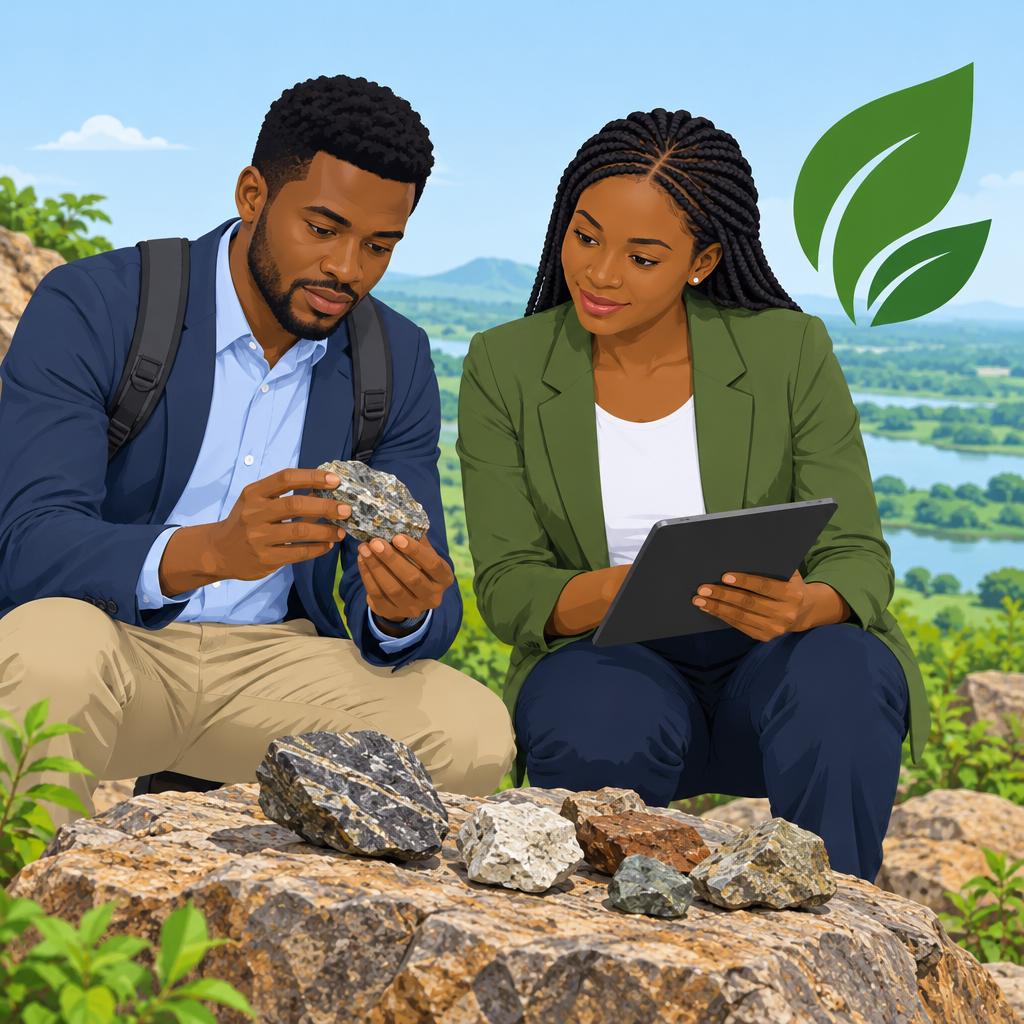
Geologists analyze geological formations to locate valuable mineral deposits.
Environmental managers, however, promote responsible extraction practices and reduce environmental damage.
These experts also assess impacts from mining and drilling activities.
By understanding Nigeria’s geology, professionals can manage resources more effectively and reduce environmental risks.
Furthermore, collaboration between both fields supports sustainable development and preserves Nigeria’s natural heritage.
Such efforts address present needs without compromising future generations’ well-being.
Overview of Geological Formations in Nigeria
Nigeria contains diverse geological formations, including sedimentary basins, basement rocks, and volcanic rocks.
These formations demonstrate the varied geological structure found across the country.
Moreover, this geological diversity supports the presence of mineral resources.
Importance of Geological Exploration in Identifying Mineral Resources
Geological exploration helps identify mineral resources in Nigeria.
Furthermore, exploration provides information that supports mineral resource assessment.
This process also contributes to developing Nigeria’s mining industry.
Challenges Faced in Geological Exploration
Nigeria has abundant mineral resources, yet geological exploration faces several challenges.
Insufficient funding can limit exploration activities and reduce their effectiveness.
Additionally, inadequate infrastructure and regulatory issues create further difficulties.
Environmental Management Policies in Nigeria
Nigeria uses environmental management policies to protect natural resources and support sustainable development.
These policies address pollution control, waste management, biodiversity conservation, and climate change mitigation.
Key measures include the National Environmental Policy, National Environmental Standards, and the Environmental Impact Assessment Act.
Government Agencies Enforcing Environmental Regulations
Government agencies enforce environmental regulations through monitoring, inspections, and compliance activities.
The Federal Ministry of Environment provides national oversight for environmental management.
Meanwhile, NESREA and state environmental agencies inspect activities and penalize individuals or companies that violate regulations.
Challenges Affecting Environmental Policy Implementation
Several challenges limit the effective implementation and enforcement of environmental policies in Nigeria.
Limited funding and resources weaken institutional operations and reduce enforcement capacity.
Additionally, inadequate enforcement mechanisms and corruption can prevent agencies from applying regulations consistently.
Limited public awareness and participation also restrict community support for environmental protection.
Furthermore, conflicting stakeholder interests can complicate policy implementation and regulatory decisions.
Weak institutional capacity and insufficient technical expertise create additional barriers to successful environmental management.
Uncover the Details: Career Opportunities in Marine Biology in Nigeria
Geology and Sustainable Development
Geology supports sustainable development by explaining Earth’s structure, composition, and processes.
It also guides responsible management of mineral resources.
Furthermore, geological knowledge helps countries pursue economic growth while protecting the environment.
Links Between Geology, Mineral Resources, and Sustainable Development
Geological surveys help identify valuable mineral resources.
These resources include gold, oil, natural gas, and coal.
Consequently, resource development can support economic growth in Nigeria.
However, indiscriminate extraction can cause environmental degradation, deforestation, and water pollution.
Therefore, geological understanding helps stakeholders plan resource use responsibly.
Importance of Sustainable Resource Extraction
Sustainable extraction minimizes environmental harm while increasing social and economic benefits for communities.
Transform Your Career with Expert Guidance
Get personalized mentorship consulting that’s tailored to your unique path. Our expert advice is actionable and exclusive.
Get StartedMining companies can reclaim land, manage waste, conserve water, and engage communities.
As a result, responsible practices can protect biodiversity and reduce carbon emissions.
They can also demonstrate social responsibility and strengthen company reputation.
These efforts may help companies maintain support from communities and governments.
Sustainable Development Initiatives in Nigeria
Nigeria has several initiatives supporting transparency, responsible mining, and community development.
These initiatives connect resource governance with economic and environmental goals.
Together, they show how stakeholders can apply geological knowledge during mining activities.
- The Nigeria Extractive Industries Transparency Initiative (NEITI): NEITI promotes transparency and accountability in extractive industries.
- The Solid Minerals Development Fund (SMDF): SMDF supports sustainable mining, local content, and community development.
- The Miners Association of Nigeria (MAN): MAN supports artisanal miners and promotes responsible mining practices.
These initiatives demonstrate geology’s value in sustainable development planning.
They also encourage cooperation among communities, companies, and government stakeholders.
Such cooperation can help mining benefit Nigeria’s economy while protecting its environment.
See Related Content: Key Skills for Success in Applied Zoology in Nigeria
Environmental Challenges in Nigeria
Environmental challenges in Nigeria are widespread and diverse.
They include deforestation, pollution, and climate change.
These issues affect public health and economic development across the country.
Deforestation and Ecosystem Disruption
Deforestation remains a major environmental challenge in Nigeria.
People clear forests for agricultural and industrial purposes.
Consequently, forest loss reduces biodiversity, increases soil erosion, and disrupts ecosystems.
Pollution and Public Health Risks
Pollution significantly affects Nigeria, particularly in urban areas.
Industrial activities and inadequate waste management create air, water, and soil pollution.
Consequently, pollution contributes to respiratory diseases, waterborne illnesses, and other health issues.
Climate Change and Environmental Vulnerability
Climate change affects Nigeria through changing weather patterns.
The country experiences more frequent and intense flooding, droughts, and extreme temperatures.
These changes affect agriculture, water resources, and economic development.
Effects on Public Health and Economic Development
Environmental challenges significantly affect public health and economic development.
Pollution creates poor air quality, contaminated water sources, and degraded soil.
As a result, respiratory diseases, waterborne illnesses, and lower agricultural productivity increase.
Additionally, climate change exacerbates existing vulnerabilities in Nigeria.
It increases food insecurity and displaces populations through natural disasters.
Furthermore, affected communities lose livelihoods, while economic growth and development face additional obstacles.
Strategies for Addressing Environmental Challenges
Addressing these challenges requires government action, community involvement, and international cooperation.
A multifaceted approach can support environmental protection and sustainable development.
Therefore, Nigeria can combine regulation, conservation, technology, resilience, and public awareness.
- Government should enforce stricter regulations against deforestation and pollution.
- Communities can promote reforestation, sustainable agriculture, and proper waste management.
- Nigeria can invest in renewable energy and green technologies to reduce carbon emissions.
- Nigeria can build climate resilience through early warnings, disaster planning, and adaptation measures.
- Public education can encourage environmental conservation and sustainable development.
By working together locally, nationally, and globally, Nigeria can address environmental challenges more effectively.
This cooperation can support a more sustainable and resilient future for people and the planet.
Gain More Insights: How to Apply for Geophysics Programs in Nigeria
Role of Geologists in Environmental Management
Geologists assess environmental impacts before development projects proceed.
They identify geological risks and recommend measures that reduce harm to surrounding ecosystems.
Consequently, their assessments support sustainable practices during project planning and implementation.
- Assessing environmental impacts of development projects
- Supporting land reclamation and rehabilitation
- Collaborating with environmental scientists for sustainable development
Geologists apply their understanding of Earth processes and materials to guide environmental management.
They conduct environmental impact assessments and identify potential risks to nearby ecosystems.
Furthermore, geological knowledge helps them predict how projects may affect surrounding environments.
Geologists then propose mitigation strategies that minimize environmental damage.
During land reclamation, they help restore degraded landscapes to suitable natural conditions.
They examine soil composition and geological structures when developing restoration plans.
These plans promote biodiversity and strengthen ecosystem health.
Environmental scientists contribute ecological knowledge and conservation expertise to these restoration efforts.
Meanwhile, geologists explain Earth’s history, materials, and physical processes.
Together, both disciplines develop holistic responses to complex environmental challenges.
They also consider geological and ecological factors when supporting sustainable development.
Geologists contribute to contaminated-site remediation by studying pollutant movement through soil and groundwater.
They develop remediation strategies that target specific contaminants and reduce environmental risks.
In addition, geologists support responsible resource extraction and sustainable land-use planning.
Their respect for Earth resources encourages practices that protect future generations.
Through this work, geologists protect ecosystems, restore degraded lands, and support sustainable development.
Learn More: Top Nigerian Universities for Applied Biochemistry
Future Directions for Geology and Environmental Management
Geology and environmental management play crucial roles in Nigeria’s development and sustainability.
These fields support natural resource exploration, which contributes to economic growth.
Meanwhile, environmental management preserves ecosystems and biodiversity for future generations.
Therefore, Nigeria must promote sustainable practices and environmental conservation.
Individuals, government, and industries must cooperate to protect the environment and mitigate climate change.
Furthermore, geology and environmental management show promising prospects as awareness and initiatives increase.
By investing in research, technology, and education, Nigeria can address environmental challenges and secure a better future.
Additional Resources
Google search results for Geology and Environmental Management in Nigeria Sciences
Bing search results for Geology and Environmental Management in Nigeria Sciences


