




Practical Training in Animal Science Programs
Practical training strengthens animal science programs in Nigeria.
Hands-on experience helps students prepare for real-world applications.
Therefore, students benefit from applying their knowledge through practical activities.
Importance of Practical Training
Practical training complements theoretical knowledge in animal science programs.
It shows students how classroom concepts work in real-world scenarios.
Moreover, direct experience improves understanding, retention, problem-solving, and critical thinking.
- Practical training remains crucial for students studying animal science programs.
- Hands-on experience complements theoretical knowledge effectively.
- Students learn to apply concepts in real-world scenarios.
- Training enhances understanding and retention of theoretical concepts.
- Students observe the direct impact of their theoretical knowledge.
- Hands-on experience improves problem-solving skills and critical thinking.
Benefits of Practical Training
Experiential learning gives students a deeper understanding of important concepts.
It also helps students retain knowledge through direct participation.
Furthermore, controlled animal work builds confidence with essential practical skills.
- Practical training enhances learning through deeper conceptual understanding.
- Experiential learning improves knowledge retention.
- Students develop practical skills essential to the field.
- Training prepares students for real-life situations in their careers.
- Students work with animals in a controlled environment.
Application of Practical Skills
Students can apply practical skills across several animal science disciplines.
These skills support work in nutrition research, breeding, and genetics.
Additionally, practical training supports animal health, veterinary care, and agriculture careers.
- Students apply practical skills in various animal science disciplines.
- Training skills support animal nutrition research.
- Practical experience benefits animal breeding and genetics.
- Students apply these skills in animal health and veterinary care.
- Hands-on training prepares students for animal agriculture careers.
Institutions Offering Practical Animal Science Training
Several Nigerian institutions offer practical training in animal science programs.
These institutions provide opportunities for students to develop applied animal science skills.
They include universities and research organizations with relevant training resources.
- Federal University of Agriculture, Abeokuta
- University of Ibadan
- Ahmadu Bello University
- University of Nigeria, Nsukka
- National Veterinary Research Institute
Facilities Supporting Practical Training
Modern facilities support practical training across animal science programs.
Students use laboratories, farms, research centers, and veterinary clinics during their training.
These resources create varied settings for learning animal care and scientific methods.
- State-of-the-art laboratories equipped with modern technology
- Well-maintained farms for hands-on experience in animal husbandry
- Research centers conducting cutting-edge research in animal science
- Veterinary clinics for practical exposure to animal health care
How Facilities Develop Practical Skills
Laboratories help students conduct experiments and analyze data.
Meanwhile, farms let students work with animals and develop husbandry skills.
Research centers and veterinary clinics expand learning through current research and clinical interaction.
- Laboratories enable students to conduct experiments and analyze data
- Farms offer opportunities to work with animals and learn practical skills
- Research centers provide exposure to the latest advancements in animal science
- Veterinary clinics allow students to interact with animals and gain clinical experience
Explore Further: Challenges Facing Geophysics in Nigeria
Curriculum Integration in Animal Science Programs
Animal science programs in Nigeria connect classroom learning with structured practical activities.
This approach gives students opportunities to develop knowledge and practical competence together.
Additionally, the curriculum combines laboratory work, farm activities, and research exercises throughout the program.
Integration of Practical Training
Programs introduce practical training during the early stages of study.
Students work in laboratories, farms, and research facilities to develop relevant practical skills.
Consequently, practical activities help students connect academic concepts with professional tasks.
Balance Between Theory and Practice
Theoretical coursework provides the foundation for understanding animal science principles.
Meanwhile, practical training shows students how those principles apply during animal-related activities.
This balance also encourages students to assess situations and develop appropriate responses.
Practical Exercises and Projects
Students complete exercises that address animal care, production, nutrition, breeding, and health.
These projects allow students to practise procedures while reinforcing concepts from their coursework.
Furthermore, repeated practice develops confidence and supports careful decision-making during animal management activities.
- Animal handling teaches students to manage different species safely and responsibly.
- Breeding activities introduce genetic principles and support improved breeding outcomes.
- Nutrition exercises involve designing balanced diets according to animal requirements and feed availability.
- Health management activities develop skills in assessment, diagnosis, and treatment planning.
Through these activities, students strengthen their ability to analyse problems and select suitable solutions.
They also gain practical experience that supports future responsibilities within the animal science field.
Explore Further: Environmental Biology Conferences in Nigeria
- Explore collaborations between educational institutions offering animal science programs and industry partners.
- Discuss how these partnerships enhance practical training opportunities for students.
- Highlight industry experts’ roles in providing real-world insights and mentorship to students.
Industry partnerships shape practical training experiences for animal science students in Nigeria.
These collaborations connect classroom learning with applications in animal science workplaces.
They also help students prepare for careers in a changing animal science sector.
Transform Your Career with Expert Guidance
Get personalized mentorship consulting that’s tailored to your unique path. Our expert advice is actionable and exclusive.
Get Started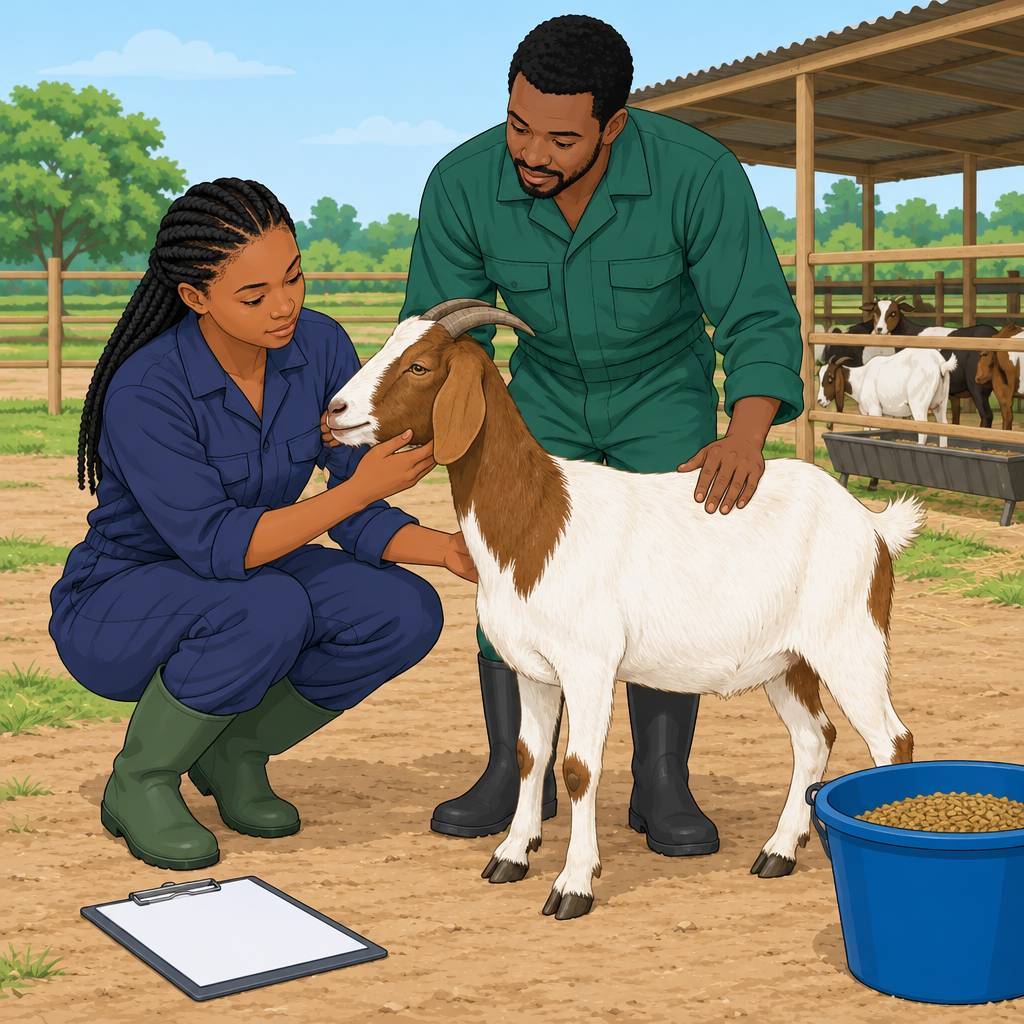
Collaborations Between Educational Institutions and Industry Partners
Educational institutions offering animal science programs often collaborate with agricultural companies.
They also work with veterinary clinics, research institutions, and government agencies.
These partnerships connect theoretical classroom learning with practical applications.
Through these arrangements, students can participate in internships and field placements.
Students can also contribute to research projects involving animal science practices.
Furthermore, industry professionals expose students to workplace practices, trends, and challenges.
Practical Training Opportunities Through Industry Partnerships
Industry partnerships expand the practical training opportunities available to animal science students.
They provide access to facilities, technologies, and equipment beyond traditional classrooms.
Students gain experience with animal handling, data collection, and laboratory techniques.
They also strengthen their problem-solving abilities through workplace-based assignments.
These experiences reinforce concepts introduced during classroom instruction.
As a result, students build confidence and competence within their chosen specialties.
Industry Experts as Mentors and Knowledge Sources
Industry experts guide students during internships, field placements, and related projects.
They contribute specialized knowledge, professional experience, and practical perspectives.
Students therefore learn about industry trends, effective practices, and emerging issues.
Mentors also help students develop professional networks and identify career opportunities.
They provide personalized guidance for academic and professional development.
Additionally, industry mentors serve as role models and sources of inspiration.
Through these relationships, students receive guidance for navigating the animal science industry.
These collaborations give students hands-on experience, professional insight, and meaningful mentorship.
Consequently, partnerships help students prepare for careers in animal science.
Explore Further: Role of Microbiology in Nigeria's Water Quality
Career Opportunities for Animal Science Graduates
Animal science programs in Nigeria can lead graduates toward careers across animal care, production, research, and conservation.
Employers value candidates who can apply animal science knowledge in workplace settings.
Consequently, graduates can pursue roles that match their interests and professional goals.
- Veterinary Medicine: Graduates may explore veterinary medicine in clinics, hospitals, or research institutions.
- Animal Nutrition: Animal nutritionists can develop balanced diets for livestock and pets.
- Animal Breeding and Genetics: Professionals can improve breeding methods and support livestock productivity.
- Zoology or Wildlife Biology: Graduates can study animals, conduct research, and support conservation efforts.
- Livestock Farming: Graduates can manage farms, protect animal welfare, and improve operational productivity.
These career paths allow graduates to use their knowledge in different professional environments.
Furthermore, practical competence can help candidates demonstrate readiness during recruitment.
Animal science graduates can contribute to animal health, nutrition, breeding, conservation, and farm management.
Find Out More: Marine Biology Research Centers in Nigeria
Challenges and Solutions in Practical Animal Science Training
- Infrastructure limitations
- Funding and facility improvements
- Continuous alignment with industry standards
Many Nigerian institutions lack suitable facilities, equipment, and resources for effective animal science training.
This shortage limits students’ access to practical learning environments.
Furthermore, inadequate resources can restrict regular training activities.
Government and private-sector funding can improve facilities and provide essential training equipment.
These investments can create more suitable environments for practical learning.
Additionally, stronger financial support can help institutions maintain their resources.
Animal science programs should continuously improve practical training to meet changing industry standards.
Updating curricula can keep learning activities relevant to current professional expectations.
Introducing new technologies and practical exercises can strengthen students’ workplace readiness.
Practical Outcomes of Animal Science Training
Practical training supports student development in Nigerian animal science programs.
It gives students hands-on experience and connects theoretical knowledge with real-world applications.
Students with practical experience approach future animal science careers with greater preparation.
They develop essential skills in animal handling, data collection, and analysis.
Additionally, practical activities reinforce classroom concepts and improve information retention.
Direct experience also encourages students to appreciate the complexities of working with animals.
These activities prepare graduates for academic and professional responsibilities in animal science.
Practical training bridges theoretical learning and workplace application.
As a result, graduates can approach field challenges with relevant skills and knowledge.
Students should actively seek hands-on opportunities throughout their educational journeys.
By participating in practical training, they gain insights that can support their future careers.
Additional Resources
Google search results for Practical Training in Animal Science Programs in Nigeria Sciences
Bing search results for Practical Training in Animal Science Programs in Nigeria Sciences


