




Introduction
Wildlife management studies in Nigeria are crucial for preserving the country’s diverse ecosystems.
These studies involve monitoring, protecting, and sustainably using wildlife resources.
They support the preservation of Nigeria’s diverse ecosystems.
Brief Overview of Wildlife Management Studies
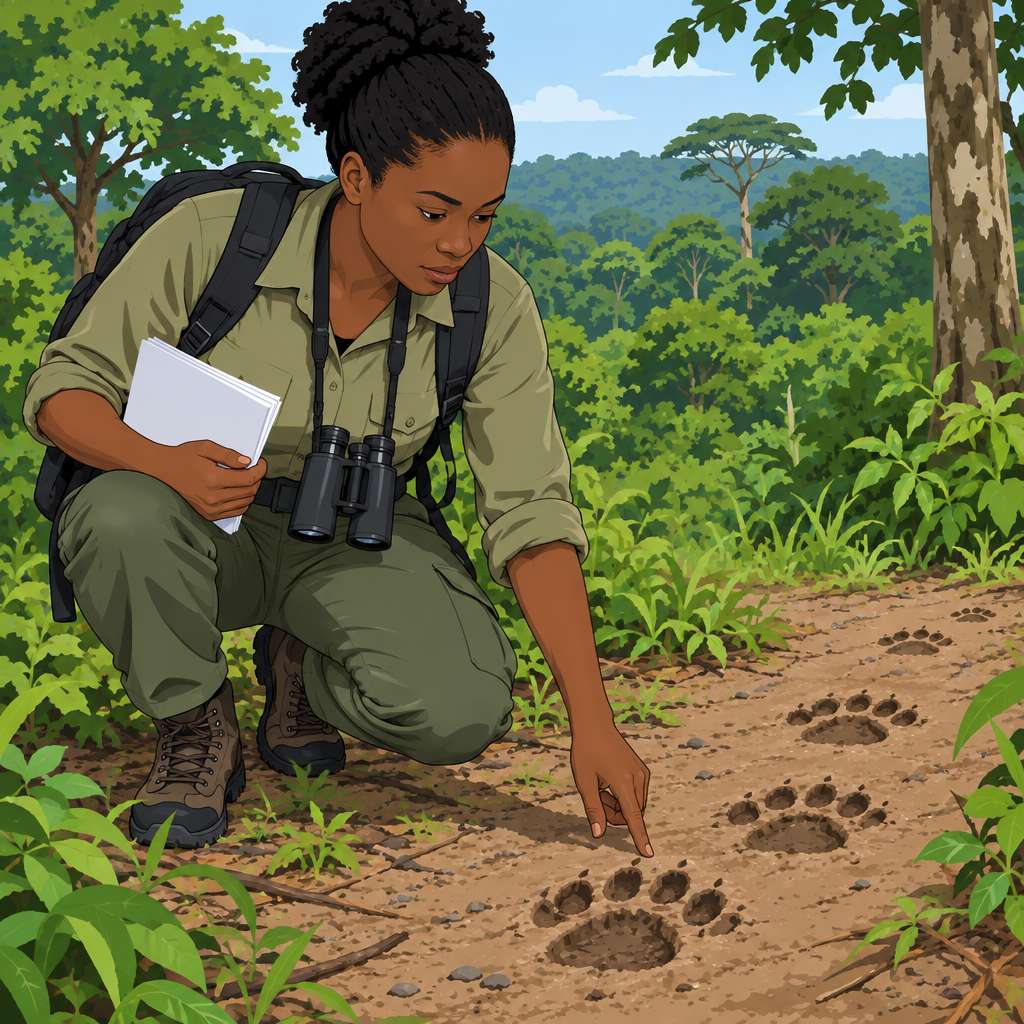
Wildlife management studies examine animal behavior.
They assess habitats and population dynamics.
Researchers use scientific methods to collect data and develop conservation strategies.
Importance of Wildlife Conservation in Nigeria
Wildlife conservation in Nigeria maintains biodiversity and ecological balance.
It also contributes to the economy through tourism.
Additionally, wildlife provides ecosystem services, including pollination and soil fertility.
History of Wildlife Management in Nigeria
Nigeria has a rich history of wildlife management, with efforts dating back to early conservation movements.
Moreover, the country’s diverse ecosystems and unique wildlife species have long attracted interest.
Over the years, Nigeria has recognized the importance of preserving its wildlife for future generations.
Early Conservation Efforts in the Country
In the early twentieth century, Nigeria began developing conservation measures to protect wildlife.
Meanwhile, the colonial government established laws and regulations to safeguard wildlife.
Local communities also began recognizing the importance of preserving their natural heritage.
Establishment of National Parks and Reserves
As awareness grew, Nigeria established national parks and reserves to protect wildlife.
Yankari National Park became one of the country’s first national parks in 1956.
Later, Nigeria established Gashaka-Gumti National Park and Kainji Lake National Park.
Challenges Facing Wildlife Management in Nigeria
Wildlife management in Nigeria faces several serious challenges.
Illegal poaching, habitat loss, and human-wildlife conflict threaten wildlife conservation.
These pressures affect wildlife populations, natural habitats, and nearby communities.
- Illegal poaching and hunting
- Habitat loss and deforestation
- Human-wildlife conflict
Illegal Poaching and Hunting
Illegal poaching and hunting pose major challenges to wildlife management in Nigeria.
These activities seriously threaten the existence of many wildlife species in the country.
Poachers target animals for their tusks, skins, and other body parts.
They sell these products on the black market for profit.
This unsustainable practice has reduced populations of elephants, rhinos, and pangolins.
Wildlife authorities use anti-poaching patrols and stiffer penalties to curb these activities.
However, the problem persists because domestic and international markets maintain high demand for wildlife products.
Poverty and limited alternative livelihoods often drive nearby residents toward poaching for survival.
Habitat Loss and Deforestation
Habitat loss and deforestation create another significant challenge for wildlife management.
Agriculture, logging, and urban expansion primarily drive these destructive activities.
People clear forests and natural habitats for various human activities.
This destruction displaces wildlife and fragments their populations.
Fragmented populations face reduced chances of survival and reproduction.
Many Nigerian wildlife species now face endangered or threatened status because of habitat loss.
Some species now teeter on the brink of extinction.
Forest destruction also disrupts ecosystem functions and services.
These disruptions affect wildlife and communities that depend on natural resources for their livelihoods.
Human-Wildlife Conflict
Human-wildlife conflict presents another major challenge for wildlife management in Nigeria.
Growing human populations increasingly encroach upon wildlife habitats.
Transform Your Career with Expert Guidance
Get personalized mentorship consulting that’s tailored to your unique path. Our expert advice is actionable and exclusive.
Get StartedAs a result, conflicts between people and animals occur more frequently.
Rural communities often rely on agriculture for subsistence.
Elephants, baboons, and antelopes may destroy crops and threaten livestock.
Farmers sometimes kill or injure wildlife to protect their livelihoods.
Such retaliation further intensifies the conflict.
Conservation efforts also face obstacles when communities view animals as threats.
Sustainable solutions can help communities and wildlife coexist peacefully.
You Might Also Like: Applied Zoology Internships and Training Programs in Nigeria
Government and NGO Roles in Wildlife Management
Wildlife management in Nigeria requires cooperation between government institutions and non-governmental organizations.
The government creates and implements policies protecting endangered species and their habitats.
Government agencies, including the Nigerian Conservation Foundation and National Park Service, support conservation efforts nationwide.
Meanwhile, NGOs provide financial and technical support for wildlife conservation projects.
For example, WCS and WWF work with communities to promote sustainable wildlife management.
Through collaboration, both groups address challenges affecting wildlife conservation in Nigeria.
Policies and Regulations for Wildlife Conservation
Nigeria uses several policies and regulations to protect wildlife and preserve biodiversity.
For instance, the Endangered Species Act restricts local and international trade involving endangered species.
Additionally, the National Parks Service Act establishes parks and reserves for wildlife habitat protection.
The Act also supports ecotourism within Nigeria’s protected areas.
Furthermore, forestry laws regulate logging to reduce deforestation and protect wildlife habitats.
These measures guide conservation practices and strengthen wildlife management across the country.
NGO Conservation Projects and Initiatives
NGOs conduct conservation projects that protect wildlife and biodiversity throughout Nigeria.
The Nigerian Conservation Foundation runs the Save the Elephants Initiative.
This initiative combats poaching and protects endangered elephant species.
Similarly, the Wildlife Conservation Society supports Marine Turtle Conservation along Nigeria’s coastlines.
The project focuses on protecting sea turtles and their coastal habitats.
Moreover, WWF works with communities through its Sustainable Palm Oil Initiative.
That initiative promotes responsible land use practices in areas affected by palm oil production.
These projects support the long-term survival of wildlife species in Nigeria.
Learn More: How to Pursue a Career in Archaeology in Nigeria
Wildlife Management Education in Nigeria
Wildlife management education in Nigeria combines academic study with practical conservation training.
These programs prepare students to understand wildlife, ecosystems, and conservation responsibilities.
Additionally, students develop knowledge that supports effective wildlife management practices.
Universities Offering Wildlife Management Courses
Several Nigerian universities provide academic opportunities related to wildlife management.
These institutions introduce students to wildlife conservation, management principles, and related environmental subjects.
Furthermore, their programs support the development of practical skills for wildlife management careers.
- The University of Ibadan offers a Bachelor’s degree in Wildlife Management.
- The University of Jos offers courses focused on wildlife management and conservation.
- The Federal University of Technology, Akure, offers several wildlife management courses.
- The University of Calabar offers a program in Wildlife Management.
Curriculum and Practical Training Opportunities
Wildlife management curricula typically combine ecological knowledge with conservation and policy studies.
Students also learn management techniques through fieldwork, internships, and research projects.
Moreover, practical activities help students address real-world challenges in wildlife conservation and management.
- Ecology, conservation biology, wildlife policy, and management techniques form core curriculum areas.
- Fieldwork, internships, and research projects provide essential practical training opportunities.
- Students may work with conservation organizations and government agencies during their training.
- Field trips expose students to national parks, wildlife reserves, and other natural habitats.
- Practical training equips students to manage wildlife conservation challenges more effectively.
Discover More: Networking for Agricultural Economists in Nigeria
Success Stories in Wildlife Conservation
Over the years, Nigeria has strengthened wildlife conservation and supported endangered species recovery.
These efforts also introduced community-based projects that protect the country’s rich biodiversity.
Together, these achievements show how coordinated conservation efforts can produce meaningful results.
Recovery of Endangered Wildlife
Nigerian authorities and conservation organizations have supported programs for endangered wildlife.
These programs focus on species such as Nigerian giraffes, chimpanzees, and forest elephants.
Moreover, protection measures address habitat destruction, illegal trade, and human-wildlife conflict.
- The Nigerian government and conservation organizations have supported programs benefiting Nigerian giraffes, chimpanzees, and forest elephants.
- Authorities enforce anti-poaching laws, increase patrols, and educate communities about conservation.
- These measures protect wildlife from habitat destruction, illegal trade, and human-wildlife conflict.
- Breeding, monitoring, and reintroduction programs have helped repopulate areas facing local extinction.
- Nigerian giraffe numbers have increased through successful breeding and monitoring programs.
Community-Based Conservation Projects
Local communities play an essential role because conservation affects their livelihoods and surroundings.
Several Nigerian projects invite residents to support habitat protection and wildlife monitoring.
Furthermore, these initiatives can create economic opportunities while reducing harmful environmental activities.
- The Gashaka-Gumti National Park project involves communities in protecting the park’s biodiversity.
- Residents support sustainable ecotourism, reforestation, and wildlife monitoring initiatives.
- These projects preserve wildlife while providing economic opportunities for local communities.
Nigeria’s wildlife management studies show that successful conservation requires coordinated action.
Government intervention, organizational collaboration, and community participation strengthen conservation outcomes.
These success stories encourage continued efforts to preserve Nigeria’s natural heritage for future generations.
Uncover the Details: Innovations in Applied Chemistry by Nigerian Scientists
Future of Wildlife Management in Nigeria
Nigeria’s growing population continues to reduce wildlife habitats and increase pressure on existing resources.
Therefore, sustainable wildlife management can support the long-term survival of Nigerian wildlife species.
With proper planning and conservation efforts, Nigeria can create a brighter future for wildlife.
Potential Solutions to Current Challenges
Establishing additional protected areas and wildlife reserves can safeguard critical habitats for vulnerable species.
Moreover, government agencies, NGOs, and local communities can collaborate on effective wildlife management strategies.
Stricter regulations and stronger enforcement can help reduce illegal wildlife trade and poaching activities.
Importance of Continued Research and Education
Ongoing research helps specialists understand wildlife behavior, ecology, and population dynamics in Nigeria.
Additionally, education campaigns can increase awareness of wildlife conservation and sustainable management practices.
Training programs can strengthen wildlife professionals’ skills and improve their capacity to manage wildlife populations.
Strategic Value of Wildlife Management Research
Wildlife management studies in Nigeria help preserve diverse ecosystems and protect endangered species.
Furthermore, sustainable management maintains ecological balance and supports biodiversity.
Researchers examine wildlife behavior and habitats, then develop conservation strategies that protect vulnerable populations.
Research Contributions to Nigerian Wildlife Conservation
These studies preserve biodiversity, clarify ecosystem dynamics, and support endangered species protection.
They also reveal how human activities affect wildlife populations and guide practical conservation measures.
Moreover, research and monitoring encourage sustainable resource use and strengthen environmental stewardship.
Collaborative Support for Wildlife Conservation
Government agencies, stakeholders, and the public must collaborate to conserve wildlife and support research.
By raising awareness, enforcing regulations, and funding education, Nigeria can strengthen long-term wildlife protection.
Together, these efforts can protect biodiversity and preserve nature’s balance for future generations.
Additional Resources
Google search results for Wildlife Management Studies in Nigeria Sciences
Bing search results for Wildlife Management Studies in Nigeria Sciences


