



Fieldwork in Nigerian Agricultural Science
Fieldwork in Nigerian agricultural science studies involves hands-on research in agricultural settings.
It helps students and researchers understand practical agricultural challenges and solutions.
Moreover, fieldwork provides insights that theoretical studies alone cannot offer.
Types of Fieldwork in Nigerian Agricultural Science Studies
Researchers conduct fieldwork in agricultural settings across Nigeria.
These activities examine crops, soil, pests, livestock, and sustainable farming practices.
Furthermore, fieldwork helps researchers evaluate agricultural methods under practical conditions.
- On-farm research
Researchers collaborate with local farmers to study cultivation techniques, pest management, and disease control. - Soil sampling and analysis
Researchers collect soil samples to assess nutrient content, pH levels, and overall soil health. - Crop monitoring and evaluation
Researchers track crop growth, identify potential issues, and evaluate cultivation techniques. - Pest and disease management
Researchers study strategies that control pest infestations and prevent disease outbreaks. - Livestock management
Researchers study animal health, breeding practices, nutrition, and livestock management systems. - Agroforestry practices
Researchers investigate systems that integrate trees, crops, and livestock for sustainable agricultural production.
Challenges in Nigerian Agricultural Science Fieldwork
Fieldwork in Nigerian Agricultural Science Studies can reward researchers while presenting significant challenges.
These obstacles can delay studies and affect the quality of collected data.
Researchers therefore need resilience, adaptability, and proactive problem-solving during fieldwork.
Common Obstacles During Fieldwork
Several practical conditions can hinder agricultural research activities across Nigeria.
Researchers must manage these conditions carefully to maintain effective fieldwork.
Each challenge can restrict research progress in a different way.
- Researchers often lack proper infrastructure and equipment.
- Unpredictable weather conditions can disrupt fieldwork schedules.
- Inadequate funding can limit fieldwork projects.
- Limited access can prevent researchers from reaching some research sites.
- Security concerns can affect fieldwork in rural areas.
Researchers may struggle to access the tools and resources needed for effective fieldwork.
Consequently, delays may occur, and researchers may compromise the quality of collected data.
Nigeria experiences heavy rainfall, extreme temperatures, droughts, and other unpredictable weather conditions.
These conditions can interrupt schedules and make accurate data collection more difficult.
Furthermore, researchers may find it difficult to secure adequate funding for fieldwork projects.
Limited financial resources can restrict research scope and prevent comprehensive studies.
Remote and rural research sites may remain difficult for researchers to access.
This limitation can reduce data collection across diverse locations and communities.
Finally, rural insecurity can include theft, civil unrest, and conflicts.
Such conditions may threaten researcher safety and affect study progress.
Addressing these obstacles can improve the quality and impact of Nigerian agricultural studies.
Discover More: Student Experiences in Nigerian Applied Botany Programs
Proper Planning and Organization
Effective fieldwork requires meticulous planning and clear organization.
Research teams should define objectives, timelines, and individual responsibilities before operations begin.
This structure helps teams coordinate activities and maintain smooth fieldwork operations.
Collaboration with Local Farmers and Communities
Researchers should engage local farmers and communities throughout the fieldwork process.
This collaboration can provide valuable insights and improve access to necessary resources.
Furthermore, community engagement promotes knowledge sharing between researchers and agricultural participants.
Appropriate Technology and Tools
Modern technology can improve fieldwork efficiency and data accuracy.
For example, researchers can use remote sensing and GPS tracking during data collection.
Additionally, soil testing equipment can support efficient analysis of agricultural conditions.
Training and Capacity Building for Researchers
Research teams need continuous training to conduct effective agricultural fieldwork.
Capacity building equips researchers to manage challenges and apply appropriate practices.
Regular skill development also strengthens their ability to use fieldwork tools effectively.
Regular Data Collection and Analysis
Consistent data collection forms a foundation for successful fieldwork.
Researchers should establish clear protocols for gathering data and conducting statistical analysis.
They can then interpret results and develop meaningful conclusions from the collected information.
Gain More Insights: Government Policies on Boat Building in Nigeria
Transform Your Career with Expert Guidance
Get personalized mentorship consulting that’s tailored to your unique path. Our expert advice is actionable and exclusive.
Get Started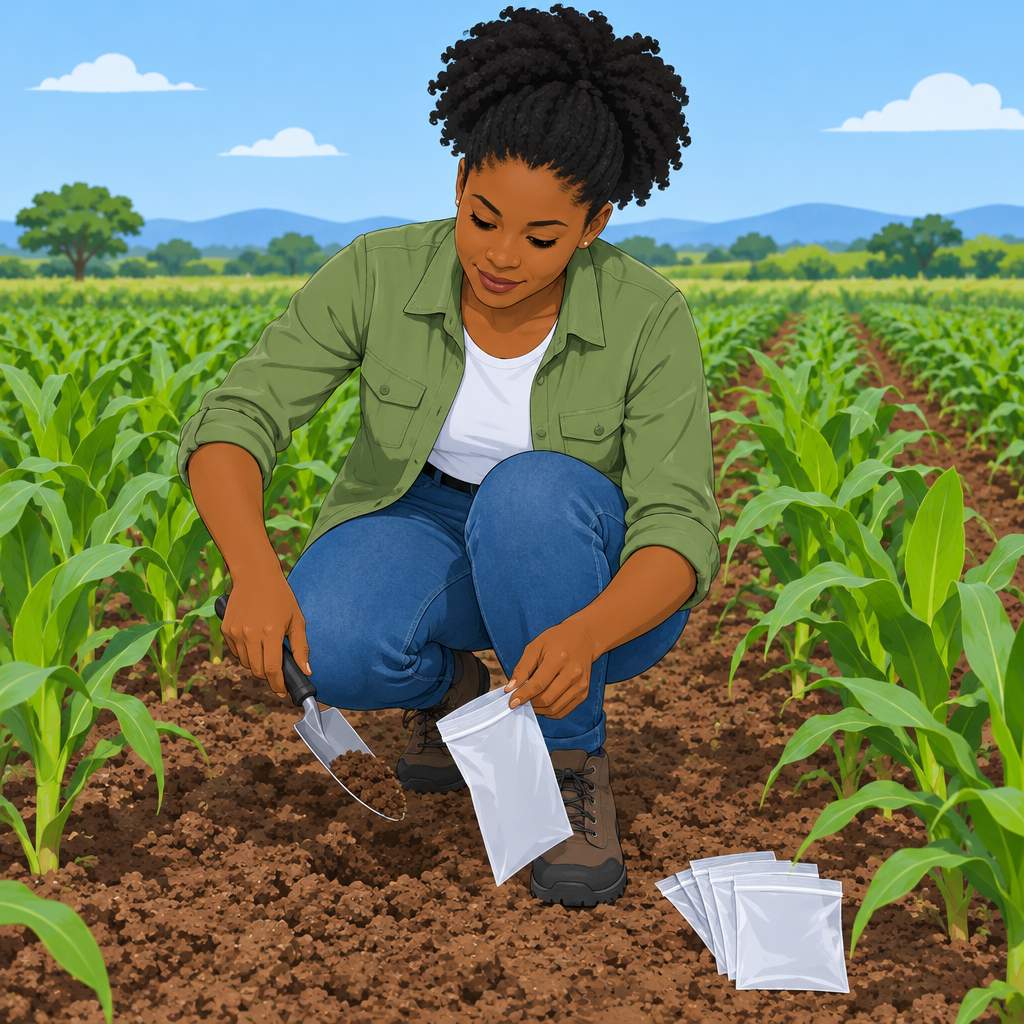
Impact of Fieldwork on Agricultural Development in Nigeria
Fieldwork has influenced several areas of agricultural development in Nigeria.
It connects agricultural research with practical improvements in farming.
These improvements affect production, sustainability, food security, technology, and farmer livelihoods.
Improved Crop Yields and Quality
Researchers and farmers have identified effective crop production practices through fieldwork.
These practices can improve crop yields and quality.
Consequently, field findings help farmers make better production decisions.
Sustainable Farming Practices
Fieldwork has promoted sustainable farming practices in Nigeria.
Farmers can apply crop rotation, integrated pest management, and organic farming methods.
These approaches support agricultural production while addressing sustainability needs.
Enhanced Food Security
Fieldwork has contributed to food security in Nigeria.
New production methods can help farmers increase yields.
Consequently, higher production helps farmers meet population food demands.
Adoption of New Technologies and Innovations
Fieldwork has supported the adoption of agricultural technologies and innovations.
Farmers have learned about new tools, equipment, and farming techniques.
These resources can improve productivity and efficiency.
Economic Empowerment of Farmers
Fieldwork has supported economic empowerment among Nigerian farmers.
Higher yields and improved crop quality can increase farm income.
Furthermore, sustainable practices and new technologies can strengthen farmer livelihoods.
You Might Also Like: Choosing the Right Specialization in Applied Math
Successful Fieldwork Projects in Nigerian Agricultural Science
Nigerian agricultural science researchers have completed fieldwork projects addressing important agricultural challenges.
These projects tested practical methods for improving production, sustainability, and resilience.
Furthermore, their findings supported better decisions across several agricultural settings.
Soil Fertility Management in Maize Production
Researchers investigated soil fertility practices that could improve maize production in Nigeria.
They tested organic and inorganic fertilizers to measure effects on soil fertility and crop yield.
The project also assessed cover crops and crop rotation as methods for improving soil health.
Results showed that sustainable fertility practices increased maize yields and improved farm productivity.
Drought-Resistant Crop Varieties
Researchers conducted field trials to evaluate drought-resistant crop varieties in Nigerian agricultural systems.
They compared crop growth, yield, and resilience under drought conditions.
Consequently, the trials identified promising varieties for reducing drought-related production risks.
The findings emphasized resilient varieties as tools for supporting food security and sustainable development.
Integrated Pest Management Strategies
Another project examined integrated pest management strategies for controlling agricultural pest infestations.
Researchers combined biological controls, cultural practices, and resistant crop varieties.
This approach reduced reliance on harmful chemicals while supporting effective pest management.
Moreover, the project demonstrated potential benefits for natural ecosystems, crop health, and yield.
Climate Change Adaptation in Agriculture
Fieldwork studies examined how climate change affects Nigerian agriculture.
Researchers evaluated crop and farming system resilience under changing climatic conditions.
They recommended climate-smart practices that could strengthen farmers’ capacity to manage climate-related challenges.
These practices included sustainable water management, soil conservation, and agroforestry.
Organic Farming Practices
A separate fieldwork project promoted organic farming to improve soil health and environmental sustainability.
Researchers studied organic fertilizers, composting techniques, and crop rotation methods.
These practices reduced dependence on synthetic chemicals and helped improve soil quality.
Additionally, organic farming supported biodiversity and encouraged more environmentally responsible agricultural systems.
These fieldwork projects addressed major challenges and opportunities within Nigerian agriculture.
Researchers tested innovative practices while promoting more sustainable agricultural production.
Their work supported efforts to build resilient, productive, and sustainable farming systems in Nigeria.
Uncover the Details: Admission Requirements for Microbiology Programs in Nigeria
Future Prospects and Trends in Fieldwork in Nigerian Agricultural Science Studies
Future prospects will shape fieldwork in Nigerian agricultural science studies.
Researchers increasingly connect resilience, technology, sustainability, and collaboration in agricultural investigations.
These priorities can guide practical responses to changing conditions in Nigerian agriculture.
Emphasis on Climate-Smart Agriculture Techniques
Climate change affects agriculture and alters weather patterns.
Consequently, Nigerian agricultural scientists are developing climate-smart agriculture techniques.
These techniques aim to help farmers mitigate climate change impacts on crops.
Incorporation of Digital Tools and Precision Farming
Technological advancement encourages scientists to integrate digital tools into fieldwork.
They use drones, GPS technology, and data analytics in precision farming.
These methods help optimize agricultural practices and improve crop yields.
Focus on Sustainable Agriculture and Natural Resource Management
Sustainability now guides many Nigerian agricultural science studies.
Researchers explore farming practices that protect the environment and conserve natural resources.
These efforts support the long-term viability of farming systems in Nigeria.
Enhancing Collaboration Between Researchers, Farmers, and Policymakers
Collaboration strengthens the success of fieldwork in agricultural science studies.
Nigerian agricultural scientists work closely with farmers and policymakers.
Together, they exchange knowledge, share best practices, and develop supportive agricultural policies.
Strengthening Agricultural Fieldwork in Nigeria
Fieldwork gives Nigerian agricultural science students and researchers practical experience that strengthens their understanding of agricultural practices.
Moreover, fieldwork projects generate real-world data and observations that support important decisions across Nigeria’s agricultural sector.
Therefore, greater investment in fieldwork initiatives can improve agricultural sustainability and productivity in Nigeria.
Students and researchers should actively pursue fieldwork to deepen their knowledge and encourage innovation within the agricultural industry.
Additional Resources
Google search results for Fieldwork in Nigerian Agricultural Science Studies Sciences
Bing search results for Fieldwork in Nigerian Agricultural Science Studies Sciences


