



Introduction
Nigerian Applied Botany Programs are essential for training future botanists.
Student experiences play a crucial role in shaping these programs’ success.
This post explores how student experiences impact Nigerian Applied Botany Programs.
Program Structure and Career Applications
Nigerian applied botany programs combine theoretical instruction with practical activities.
Students attend lectures, complete laboratory work, join field trips, and conduct research projects.
These activities develop skills in plant identification, classification, and conservation.
- Programs cover plant physiology, ecology, pathology, and breeding.
- Students examine plant roles in agriculture, pharmaceuticals, and environmental conservation.
- Institutions may emphasize medicinal plants, crop improvement, or plant biotechnology.
- Universities offering these programs include the University of Ibadan, Ahmadu Bello University, and the University of Nigeria.
These institutions provide modern facilities and faculty expertise in botany.
Students can pursue careers in research, agriculture, conservation, and biotechnology.
Therefore, applied botany programs prepare graduates for diverse professional opportunities.
Challenges Faced by Students
Students in Nigerian applied botany programs often face several difficulties throughout their studies.
One major challenge involves inadequate laboratory equipment and limited research materials.
Because funding and support remain limited, students may struggle to conduct experiments and complete practical assignments effectively.
Moreover, an outdated curriculum may fail to reflect advancements in botany.
Consequently, students may study irrelevant or obsolete information that does not prepare them for real-world applications.
Students also need practical experience to develop applied botanical skills.
Without hands-on training opportunities, graduates may lack the abilities required for their careers.
These challenges can hinder learning and development in several ways.
For instance, outdated resources may make complex scientific principles difficult to understand.
Limited materials can also prevent students from conducting accurate experiments.
Similarly, an outdated curriculum may omit essential skills for modern botany practices.
As a result, graduates may face disadvantages in the job market.
Furthermore, limited practical experience can restrict students’ ability to apply theoretical knowledge.
This limitation can hinder their growth as future botanists.
Gain More Insights: Government Policies on Boat Building in Nigeria
Experiences in Fieldwork and Research
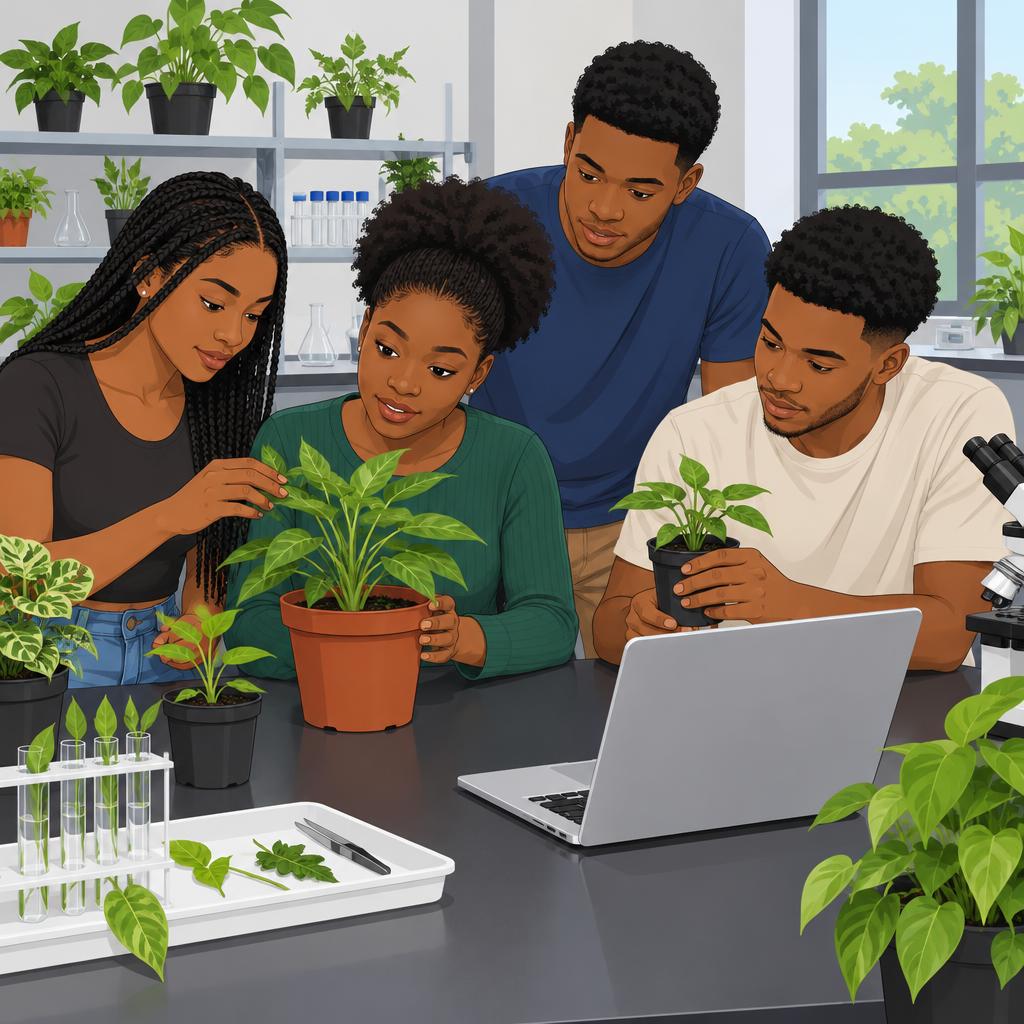
Students gain practical experience through fieldwork and research projects in applied botany programs.
Moreover, practical training gives students valuable opportunities for hands-on learning.
Through fieldwork, students apply theoretical knowledge in real-world settings and deepen their understanding.
- Research projects let students explore specific botanical topics in depth.
- During fieldwork, students develop plant identification, data collection, and analysis skills.
- Furthermore, fieldwork teaches students about conservation, biodiversity, and ecosystem management.
- Hands-on experiences strengthen critical thinking, problem-solving, and decision-making skills.
- By completing research projects, students contribute new knowledge to applied botany.
- Some student projects discover new plant species or identify medicinal properties.
- Other projects assess climate change impacts on plant populations or examine plant genetics.
- Students often present their findings at conferences or publish them in scientific journals.
- Fieldwork and research projects therefore form essential components of applied botany programs.
You Might Also Like: Choosing the Right Specialization in Applied Math
Opportunities for Growth and Career Development
Nigerian applied botany programs offer students diverse opportunities for professional growth.
These programs prepare graduates for careers involving plants, ecosystems, conservation, research, and horticulture.
Students also develop knowledge and practical abilities that support meaningful contributions to botany.
Career Prospects for Graduates
Graduates can apply their botanical knowledge across research, environmental management, conservation, and plant production.
They may also pursue careers that improve crops, protect habitats, or manage useful plant species.
Career options therefore allow graduates to connect scientific training with environmental and agricultural needs.
- Botanists study plants and their interactions with the environment.
- Plant geneticists research methods for improving crop yield and disease resistance.
- Ecologists examine relationships between plants and their surrounding environments.
- Conservationists protect endangered plant species and their habitats.
- Horticulturists cultivate, breed, and manage plants for food, medicine, and aesthetics.
Skills and Knowledge Acquired
Students build practical abilities that support plant research and professional communication.
They learn to observe plant characteristics, investigate ecosystems, and examine biological processes.
Additionally, students strengthen their ability to analyze evidence and explain research findings clearly.
- Students identify plant species and understand their characteristics.
- They conduct field research on plant ecosystems and biodiversity.
- They use laboratory techniques to study plant physiology, genetics, and ecology.
- They collect and analyze data from plant research and experiments.
- They communicate research findings and ideas effectively.
Alumni Contributions to Botany
Graduates of Nigerian applied botany programs have contributed to research, conservation, horticulture, and ecological studies.
Their work demonstrates how botanical training can support scientific discovery and practical solutions.
These examples also show the range of professional contributions available to applied botany graduates.
Transform Your Career with Expert Guidance
Get personalized mentorship consulting that’s tailored to your unique path. Our expert advice is actionable and exclusive.
Get Started- Dr. Adebayo Johnson discovered a medicinal plant with potential anti-cancer properties.
- Prof. Fatima Ibrahim developed a method for improving crop resistance to pests.
- Dr. Yusuf Aliu helped establish a botanical garden for preserving rare plant species.
- Dr. Funke Adekunle founded a nursery specializing in rare and exotic plants.
- Prof. Ahmed Musa researched climate change effects on plant biodiversity.
These opportunities prepare graduates for impactful careers in botanical research, conservation, ecology, genetics, and horticulture.
You Might Also Like: Admission Requirements for Microbiology Programs in Nigeria
Student Feedback and Program Improvement
Student experiences provide valuable guidance for improving applied botany programs in Nigeria.
Educators analyze student feedback to identify strengths, weaknesses, and opportunities for program development.
Moreover, student observations help administrators make informed decisions about learning experiences.
- Programs use student feedback to guide curriculum development.
- Educators review student experiences when assessing teaching methods.
- Students contribute important perspectives during program evaluations.
Student suggestions can reveal course areas that require revision or updated content.
Consequently, programs can adjust curricula to provide more relevant and effective education.
Student input also supports changes to teaching methods and assessment strategies.
These changes aim to strengthen learning outcomes and improve the quality of education.
Furthermore, educators seek student feedback about classroom experiences and program effectiveness.
Students help evaluators identify aspects of the program that work well.
They also identify weaknesses that require attention and further adjustment.
Through this involvement, students become active contributors to continuous program improvement.
Regular feedback enables botany programs to respond to student needs and changes within the field.
Thus, student experiences help programs remain responsive, relevant, and focused on effective learning.
Uncover the Details: Bioinformatics Software Development in Nigeria
Strengthening Applied Botany Education
- This discussion highlights how Nigerian applied botany students experience their programs.
- These experiences help educators refine curricula and teaching methods.
- Therefore, educators should listen to student feedback and adjust programs accordingly.
- Programs should include more hands-on practical experiences to strengthen student learning.
- Additionally, research projects and internships can enrich students’ educational experiences.
- Curriculum updates should reflect current trends and advances in botany.
- By prioritizing student experiences, programs can prepare well-rounded and skilled graduates.
Additional Resources
Google search results for Student Experiences in Nigerian Applied Botany Programs Sciences
Bing search results for Student Experiences in Nigerian Applied Botany Programs Sciences


