




Introduction
A dentist repairs or replaces a damaged tooth through a dental restoration.
Dental restorations restore a tooth’s function, appearance, and strength.
Common dental restorations include fillings, crowns, bridges, and implants.
Poor oral hygiene, improper placement, or material failure can cause restorations to fail.
Signs of a Failed Dental Restoration
Pain commonly signals a problem with a dental restoration.
Persistent or sharp pain may affect the restored tooth or nearby area.
Sensitivity to hot or cold temperatures can indicate a compromised restoration.
Tooth discoloration may reveal decay or damage beneath the restoration.
Why Early Detection Matters
Early recognition helps prevent additional complications.
Ignoring symptoms may allow damage to become more extensive.
Prompt attention lets your dentist evaluate the restoration and determine appropriate treatment.
Addressing symptoms quickly can help protect your oral health.
The Role of Regular Dental Checkups
Regular dental checkups help dentists identify restoration problems early.
During these visits, your dentist examines the integrity of each restoration.
The dentist also monitors changes in your oral health over time.
Keeping appointments supports the longevity of your dental work.
Prompt Dental Evaluation After Restoration Failure
After a dental restoration fails, contact your dentist as soon as possible.
Professional care can identify the problem and protect your oral health.
Prompt attention also helps prevent additional damage.
- Seek professional dental help immediately.
- Discuss the examination and any necessary X-rays with your dentist.
- Ask how timely treatment can prevent further complications.
During the consultation, your dentist will examine the restoration and identify why it failed.
Your dentist may also take X-rays to assess the underlying problem.
These steps help your dentist recommend suitable treatment.
Meanwhile, delaying care can allow damage to affect the tooth and surrounding tissues.
Timely intervention can reduce future discomfort, expenses, and treatment needs.
Your dentist will develop a treatment plan based on your specific needs.
The plan may replace the failed restoration or consider another suitable solution.
Following your dentist’s recommendations can help restore your oral health.
See Related Content: Career Paths in Orthopaedic Technology in Nigeria
Approaches to a Failed Dental Restoration
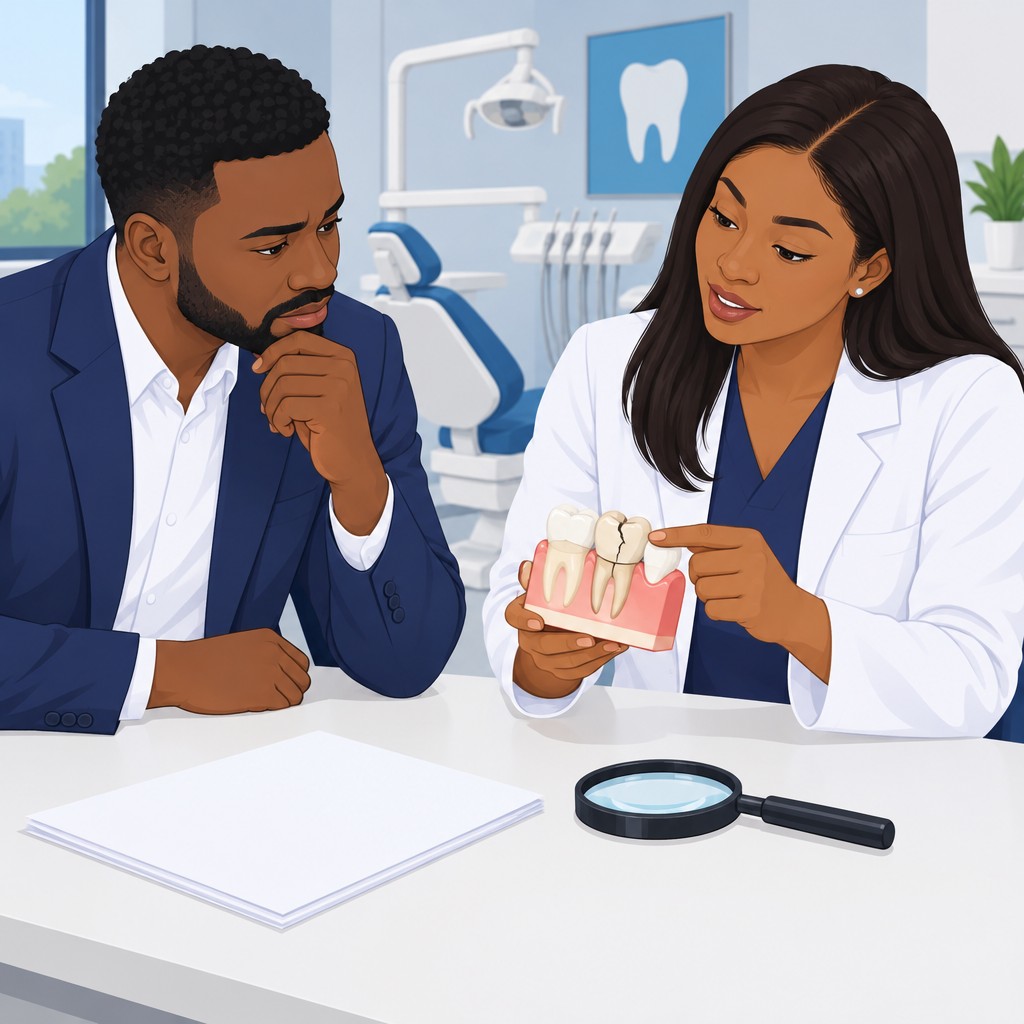
When a dental restoration fails, repair or replacement can address the problem.
Your dentist can compare these options according to the damage and your oral health.
Your preferences also help shape a suitable treatment plan.
Repairing the Restoration
Repair usually costs less, preserves natural tooth structure, and takes less time.
However, this approach may provide only a temporary solution.
It may also have a limited lifespan or leave underlying problems unresolved.
Replacing the Restoration
Replacement can provide a longer-term solution for the affected tooth.
This approach may improve appearance and strengthen the tooth.
However, replacement costs more and involves a more invasive procedure.
Personalized Treatment Planning
Your dentist will assess the extent of damage before recommending treatment.
The dentist will also consider your oral health and personal preferences.
Discussing your concerns and goals helps create a plan that fits your requirements.
Transform Your Career with Expert Guidance
Get personalized mentorship consulting that’s tailored to your unique path. Our expert advice is actionable and exclusive.
Get StartedProtecting Your Oral Health
Timely care can help prevent infection or damage to surrounding teeth.
Ignoring a failed restoration can allow additional complications to develop.
Understanding the available choices can help restore your oral health and smile confidently.
Gain More Insights: How to Prepare for a Dental Surgery in Nigeria
Financial Considerations for Failed Dental Restorations
A failed dental restoration can create unexpected financial concerns.
Several planning steps can help you manage these expenses.
Careful preparation may reduce stress while you arrange needed dental treatment.
Repairing or Replacing a Failed Dental Restoration
First, ask your dentist for an estimate to repair or replace the failed restoration.
Request details about additional costs that could arise during treatment.
Comparing providers can help you evaluate available prices before choosing care.
- Get an estimate from your dentist for repairing or replacing the failed dental restoration.
- Ask about additional costs that may arise during the process.
- Compare prices from different dental providers before selecting treatment.
Potential Dental Insurance Coverage
Your dental insurance may cover some costs associated with fixing a failed restoration.
However, each plan includes specific coverage limits and restrictions.
Review your benefits carefully before submitting a claim for treatment.
- Check whether your dental insurance covers fixing a failed dental restoration.
- Understand the coverage extent, limitations, and restrictions that apply.
- Submit an insurance claim and follow up about its processing.
Budgeting and Financing Dental Treatments
Setting aside money each month can prepare you for unexpected dental expenses.
Flexible spending accounts and health savings accounts can support dental treatment savings.
Additionally, financing options may help spread treatment costs over time.
- Set aside part of your monthly budget for dental expenses.
- Consider using a flexible spending account for dental treatments.
- Consider using a health savings account for dental treatments.
- Discuss payment plans or third-party financing with your dentist.
- Research dental discount plans offering reduced procedure rates.
You Might Also Like: Women in Biomedical Technology Nigeria
Post-Treatment Care for Dental Restorations
Restoration failure can feel discouraging, but careful post-treatment care supports a smoother recovery.
First, follow every recovery instruction your dentist provides after the procedure.
These instructions explain what to eat, how to clean your teeth, and when to return.
Following them helps you heal properly and reduces the risk of complications.
Furthermore, ignoring the guidance may contribute to infection, pain, or restoration damage.
Good oral hygiene also helps maintain the restoration over time.
Brush and floss regularly, and use an antiseptic mouthwash as directed.
Regular dental check-ups allow your dentist to monitor your restoration and oral health.
Therefore, follow the recommended care routine and report concerns during scheduled dental visits.
A consistent routine can improve recovery and help prevent further complications.
Uncover the Details: Glaucoma Awareness and Treatment Options in Nigeria
Preventing Future Restoration Failures
Preventive care helps protect dental restorations and supports lasting oral health.
Consistent daily habits can reduce risks that may affect your restorations.
Regular professional care also helps your dentist monitor changes and recommend adjustments.
Routine Dental Visits
Routine dental visits help identify developing problems before they affect your restorations.
During these appointments, cleanings and examinations support a healthier mouth.
Your dentist can also monitor each restoration and make necessary adjustments.
- Schedule dental check-ups every 6 months to detect potential issues early.
- Attend regular cleanings and examinations to help prevent decay and other dental problems.
- Ask your dentist to monitor your restorations during routine appointments.
Proper Oral Hygiene
Daily oral hygiene removes plaque and food particles that can threaten your oral health.
Fluoride toothpaste supports effective brushing and helps maintain clean teeth.
Additionally, mouthwash can help kill bacteria and freshen your breath.
- Brush your teeth at least twice daily with fluoride toothpaste.
- Floss every day to remove plaque and food particles between your teeth.
- Use mouthwash to help kill bacteria and freshen your breath.
Healthy Lifestyle Habits
Your lifestyle choices can influence oral health and the longevity of dental restorations.
Limiting harmful habits helps reduce factors that may contribute to restoration problems.
Meanwhile, drinking water supports good oral health and helps you stay hydrated.
- Limit sugary foods that can contribute to tooth decay.
- Avoid smoking and limit alcohol consumption to support restoration longevity.
- Stay hydrated by drinking plenty of water.
Protective Daily Practices
Small protective actions can help preserve your restorations during everyday activities.
Replacing worn toothbrushes supports effective cleaning without relying on damaged bristles.
If you grind your teeth, a nightguard can help protect your restorations while sleeping.
- Replace your toothbrush every 3-4 months or sooner when bristles become frayed.
- Avoid chewing ice, pens, or other hard objects that can damage restorations.
- Consider a nightguard if you grind your teeth while sleeping.
By following these measures, you can support your restorations and maintain a healthy, beautiful smile.
Maintaining a Healthy and Functional Smile
Addressing a failed dental restoration promptly protects your dental health and helps prevent more serious problems.
Therefore, seek professional care whenever you notice a possible restoration problem.
Your dentist can help maintain a healthy and beautiful smile.
If you suspect restoration failure, act promptly to protect your smile’s health and function.
By following recommended steps, you can support a healthy and functional smile for years.
Additional Resources
Google search results for Steps to Take After a Dental Restoration Fails Medical
Bing search results for Steps to Take After a Dental Restoration Fails Medical


