




Introduction
Glaucoma is a serious eye condition that affects many people in Nigeria.
Raising awareness about glaucoma remains crucial.
Therefore, highlighting available treatment options can help combat this condition effectively.
This blog post provides information about glaucoma awareness and treatment options in Nigeria.
What is Glaucoma?
- Glaucoma includes eye conditions that damage the optic nerve and cause vision loss.
- Common types include open-angle glaucoma and angle-closure glaucoma.
- Statistics show glaucoma’s prevalence in Nigeria and its effects on the population.
Understanding Glaucoma
Glaucoma affects millions of people worldwide.
The condition can cause irreversible vision loss without noticeable symptoms.
Damage to the optic nerve disrupts visual information traveling from the eye to the brain.
Types of Glaucoma
Glaucoma has several types with different characteristics and risk factors.
Open-angle glaucoma represents the most common form of the disease.
Angle-closure glaucoma occurs less often but requires faster medical attention.
Open-Angle Glaucoma
Open-angle glaucoma develops when the eye’s drainage angle becomes blocked.
The blockage increases pressure inside the eye.
That pressure can damage the optic nerve gradually and cause vision loss.
Angle-Closure Glaucoma
Angle-closure glaucoma occurs when the iris moves forward and blocks the drainage angle.
This blockage can cause a sudden rise in eye pressure.
People with this type need immediate medical attention to help prevent vision loss.
Prevalence of Glaucoma in Nigeria
Research identifies glaucoma as one of Nigeria’s leading causes of blindness.
The condition affects more than one million people in Nigeria.
People over forty face a higher prevalence, particularly within older populations.
Impact on the Nigerian Population
Glaucoma significantly affects Nigeria’s population.
Vision loss can reduce a person’s quality of life and ability to complete daily tasks.
It can also create social and economic challenges while increasing healthcare demands.
Protecting Vision Through Early Care
Early detection and prompt treatment can help prevent irreversible vision loss.
People in Nigeria should receive regular eye screenings.
Anyone experiencing possible symptoms should seek medical attention promptly.
Symptoms and Risk Factors of Glaucoma
- Glaucoma can cause subtle symptoms, including peripheral vision loss.
- Additionally, increased intraocular pressure can signal glaucoma.
- Advancing age increases the risk of developing glaucoma.
- Moreover, a family history of glaucoma raises individual risk.
- Diabetes can also increase the chances of developing glaucoma.
- Regular eye exams support early glaucoma detection and treatment.
- Screening becomes increasingly important as people grow older.
- Early diagnosis can help prevent irreversible vision loss from glaucoma.
- Timely intervention can help healthcare professionals manage glaucoma effectively.
- Public education about glaucoma symptoms supports earlier detection.
Gain More Insights: Hearing Loss Treatments and ENT Surgery in Nigeria
Several glaucoma treatments are available to patients in Nigeria.
These treatments can manage the condition and help prevent further vision loss.
Available Treatment Options for Glaucoma
Doctors select treatment options according to each patient’s needs and condition.
These approaches can reduce intraocular pressure, a major risk factor for glaucoma.
Patients should discuss suitable treatments with their ophthalmologist before making decisions.
- Eye drops are commonly used to reduce intraocular pressure and manage glaucoma.
- Laser therapy, also called laser trabeculoplasty, can improve fluid drainage from the eye.
- Surgery, including trabeculectomy or shunt implantation, can lower intraocular pressure effectively.
Medication Adherence and Follow-Up Care
Patients must follow their prescribed medication schedules to manage glaucoma effectively.
Missing doses can increase intraocular pressure and cause additional optic nerve damage.
Consequently, untreated pressure increases the risk of further vision loss.
Regular ophthalmologist appointments help doctors monitor disease progression.
These visits also allow doctors to adjust treatment when necessary.
Specialized Glaucoma Care Centers in Nigeria
Several specialized eye care centers and ophthalmologists provide glaucoma treatment in Nigeria.
These professionals offer expertise and experience in managing the condition.
Patients can seek care from established institutions that provide specialized eye services.
- The National Eye Centre in Kaduna treats glaucoma and other eye diseases.
- Lagos University Teaching Hospital provides comprehensive eye care, including glaucoma treatment.
- The University of Nigeria Teaching Hospital in Enugu manages glaucoma through specialized eye care services.
Proper treatment and regular follow-up can help patients manage glaucoma.
Transform Your Career with Expert Guidance
Get personalized mentorship consulting that’s tailored to your unique path. Our expert advice is actionable and exclusive.
Get StartedFurthermore, consistent care can help patients protect their remaining vision.
You Might Also Like: Career Opportunities for Anatomy Graduates in Nigeria
Challenges in Glaucoma Awareness and Treatment in Nigeria
Many Nigerians lack awareness of glaucoma.
People may not understand its effects or the consequences of untreated disease.
Therefore, limited knowledge can delay diagnosis and treatment.
Delayed care can cause irreversible vision loss.
- Improve public awareness of glaucoma.
Access to glaucoma care remains difficult, particularly in rural areas of Nigeria.
Rural communities often face limited access to trained eye care professionals.
Additionally, high treatment costs can prevent patients from obtaining timely care.
Inadequate infrastructure further restricts access to appropriate glaucoma services.
- Address barriers to glaucoma care in rural communities.
Community advocacy can strengthen glaucoma awareness and education.
Education can explain glaucoma, its risk factors, and the importance of regular eye examinations.
As awareness grows, more people may seek diagnosis before vision loss becomes severe.
Moreover, advocacy can support funding for eye care services and treatment access.
- Promote community education and advocacy for glaucoma care.
Uncover the Details: Role of Religion in Nigerian Mental Health Care
Strategies for Raising Glaucoma Awareness in Nigeria
Several coordinated strategies can increase glaucoma awareness in Nigeria.
These efforts can encourage earlier detection and improve treatment outcomes.
Community, school, and healthcare initiatives can support broader public education.
Proposed Initiatives and Campaigns
Community outreach can explain glaucoma symptoms and risk factors.
Media campaigns can extend this education through television, radio, and social media.
Together, these channels can present awareness information to wider audiences.
- Conduct community outreach programs to educate the public about glaucoma symptoms and risk factors.
- Organize media campaigns using television, radio, and social media platforms to reach wider audiences.
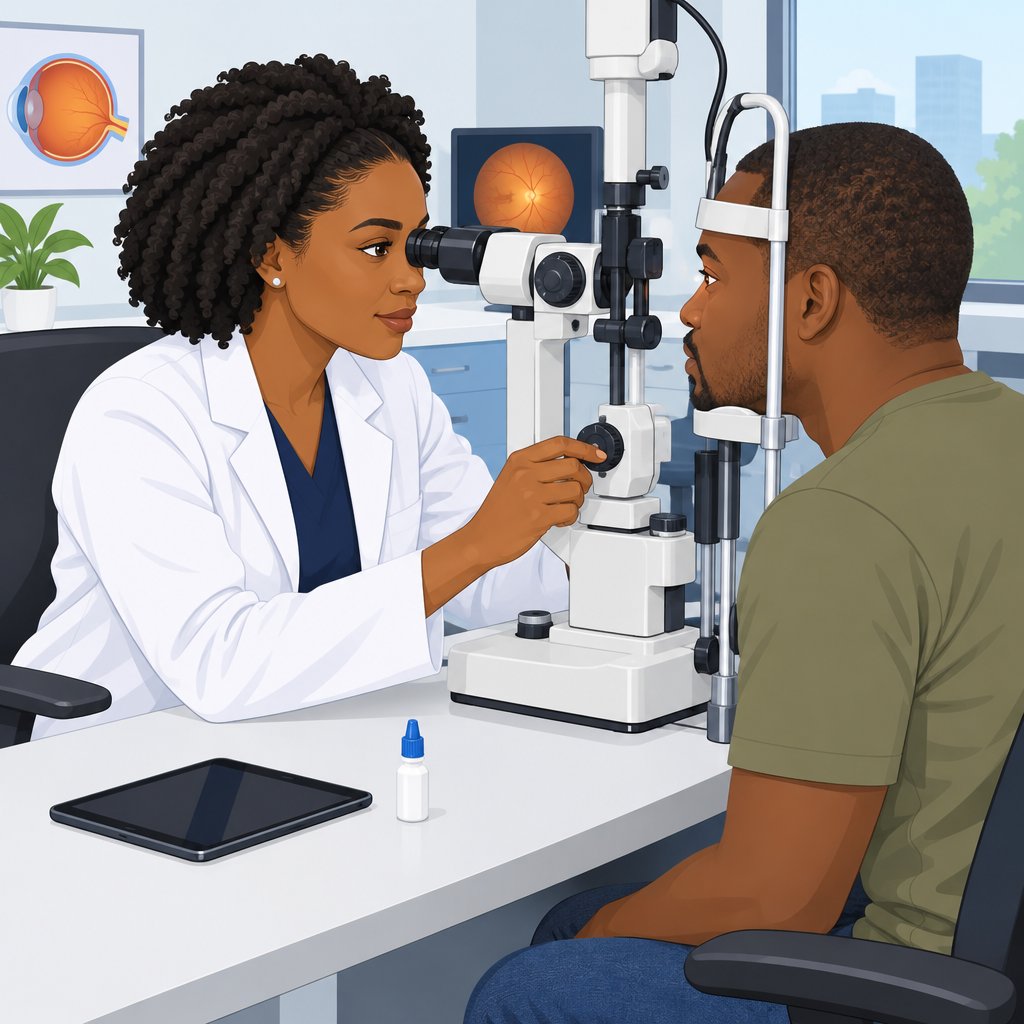
Education in Schools
Schools can introduce glaucoma education at an early age.
Health awareness programs can connect eye health with regular eye check-ups.
Consequently, students can learn why protecting their eye health matters.
- Lobby for the inclusion of glaucoma education in school curricula to raise awareness from a young age.
- Encourage health awareness programs in schools to focus on eye health and regular eye check-ups.
Collaboration with Healthcare Professionals
Healthcare professionals can help communities access reliable glaucoma information.
Furthermore, partnerships can connect awareness activities with eye screening opportunities.
NGOs and government agencies can strengthen campaigns, resources, and treatment access.
- Partner with ophthalmologists, optometrists, and other healthcare providers to organize free community eye screenings.
- Work with NGOs and government agencies to develop campaigns, provide resources, and support treatment access.
Benefits of Coordinated Awareness Efforts
Implementing these strategies can significantly increase glaucoma awareness in Nigeria.
Greater awareness can encourage people to seek information and eye check-ups.
As a result, early detection and improved treatment outcomes can become more achievable.
Delve into the Subject: Career Guidance for Aspiring Medical Professionals in Nigeria
Support and Resources for Glaucoma Patients in Nigeria
Living with glaucoma can create physical and emotional challenges.
Patients need reliable support while managing their condition.
Support networks can help patients find information, encouragement, and practical guidance.
Support Groups and Resources
Support groups allow patients to connect with others who understand their experiences.
Professional associations can also provide information about glaucoma care and treatment.
These resources help patients seek advice and learn about developments in eye care.
- Glaucoma Support Group Nigeria connects individuals living with glaucoma and encourages shared support.
- The Nigerian Optometric Association provides information about treatment options and optometry research.
- The Nigerian Society of Ophthalmology connects patients with ophthalmologists who specialize in glaucoma treatment.
Patient Advocacy Organizations
Patient advocacy organizations support people living with glaucoma.
They provide assistance, information, and resources for patients and their families.
They also encourage better treatment access and greater awareness of glaucoma.
- Advocacy organizations provide valuable assistance and information to individuals living with glaucoma.
- These organizations work to improve the quality of life for glaucoma patients in Nigeria.
Emotional Support and Peer Networks
Emotional support helps patients cope with the challenges of living with glaucoma.
Peer networks create communities where patients can share experiences and encouragement.
These connections can help patients express concerns and protect their mental well-being.
- Peer networks provide understanding for people facing similar struggles.
- Patients can share experiences, seek advice, and receive encouragement from their peers.
- Safe peer spaces allow patients to discuss fears, frustrations, and emotions about glaucoma.
Access to support groups, resources, and advocacy organizations benefits individuals living with glaucoma in Nigeria.
These resources provide assistance, information, and emotional support during glaucoma management.
Protecting Vision Through Continued Glaucoma Action
Untreated glaucoma can cause blindness.
In Nigeria, doctors treat glaucoma with medication, laser therapy, or surgery.
However, limited awareness and healthcare access hinder glaucoma control in Nigeria.
Therefore, education and outreach programs must raise public awareness.
Readers should prioritize eye health and schedule regular eye examinations.
Additionally, prompt treatment can prevent irreversible eye damage after glaucoma signs appear.
Everyone can spread glaucoma awareness and support efforts that improve treatment access.
Ultimately, collective action can help preserve sight for people affected by glaucoma.
Additional Resources
Google search results for Glaucoma Awareness and Treatment Options in Nigeria Medical
Bing search results for Glaucoma Awareness and Treatment Options in Nigeria Medical


