



Community-Based Healthcare in Nigeria
Nigeria faces challenges when providing healthcare to rural and underserved populations.
Limited healthcare access affects communities that need dependable local services.
Community-based health programs help address these healthcare challenges.
Community Participation in Healthcare Planning
Community-based programs focus on meeting local healthcare needs.
These programs involve community members in planning, implementation, and evaluation.
This involvement helps communities shape healthcare activities around their needs.
Improving Access and Health Outcomes
Community members support health education and promote healthier practices.
They also help detect diseases early through local health activities.
Community health workers connect residents with healthcare services.
Consequently, these programs improve healthcare access and health outcomes.
They also reduce healthcare disparities and promote community well-being.
Current Healthcare Challenges in Nigeria
Nigeria faces several significant healthcare challenges.
These challenges affect service availability, disease prevention, and healthcare workforce distribution.
Rural and underserved communities experience many of these pressures.
Limited Healthcare Access in Rural Areas
Rural areas often lack healthcare facilities and supporting infrastructure.
Residents of remote villages may travel long distances to reach clinics or hospitals.
Consequently, delays can prevent individuals from receiving timely treatment.
Limited transportation options make rural healthcare access even more difficult.
Poor roads and high transportation costs further restrict access to essential medical services.
Prevalence of Preventable Diseases
Nigeria continues to face a high burden of preventable diseases.
Malaria, tuberculosis, and HIV/AIDS place substantial pressure on the healthcare system.
These diseases contribute to high mortality rates among vulnerable populations.
Meanwhile, diabetes and hypertension continue to increase healthcare demands.
Those chronic conditions further strain limited healthcare resources and infrastructure.
Shortage of Healthcare Professionals
Some Nigerian regions face critical shortages of healthcare professionals.
These shortages affect doctors, nurses, and other essential medical personnel.
Rural and underserved areas experience this workforce shortage most severely.
Poor working conditions and inadequate infrastructure discourage healthcare workers from practicing there.
As a result, many communities lack quality healthcare services.
This situation contributes to poor health outcomes and wider healthcare disparities.
Community-Based Health Programs in Nigeria
Community-based health programs connect underserved populations with essential healthcare services, education, and resources.
They focus especially on rural communities that need dependable support.
Local participation helps these programs respond to community health needs.
- The Community Health Extension Worker Program trains local community members to provide basic healthcare services in rural areas.
- Nigeria’s Primary Health Care System brings essential healthcare services closer to communities through decentralized services.
- The Midwives Service Scheme deploys midwives to rural communities with limited healthcare access.
Effective Interventions in Rural Communities
Several interventions extend healthcare services beyond established facilities.
These approaches combine direct care with education and preventive services.
Furthermore, community partnerships help programs reach people in remote locations.
- Mobile clinics reach remote villages with medical services, screenings, and treatments.
- School health education campaigns raise awareness about preventive measures and healthy practices.
- Vaccination drives in hard-to-reach areas increase immunization coverage among children and adults.
Health and Community Benefits
These programs reduce preventable diseases and improve maternal and child health.
They also increase access to quality healthcare services for underserved populations.
Community involvement empowers residents to influence healthcare decisions and protect their well-being.
- Improved health outcomes include fewer preventable diseases and stronger maternal and child health.
- Expanded services help reduce healthcare disparities between underserved and better-served communities.
- Community engagement encourages residents to take responsibility for their health and well-being.
Continued investment and support can strengthen these programs and promote sustainable healthcare development in Nigeria.
Transform Your Career with Expert Guidance
Get personalized mentorship consulting that’s tailored to your unique path. Our expert advice is actionable and exclusive.
Get StartedExplore Further: Importance of Anatomical Pathology in Nigerian Medicine
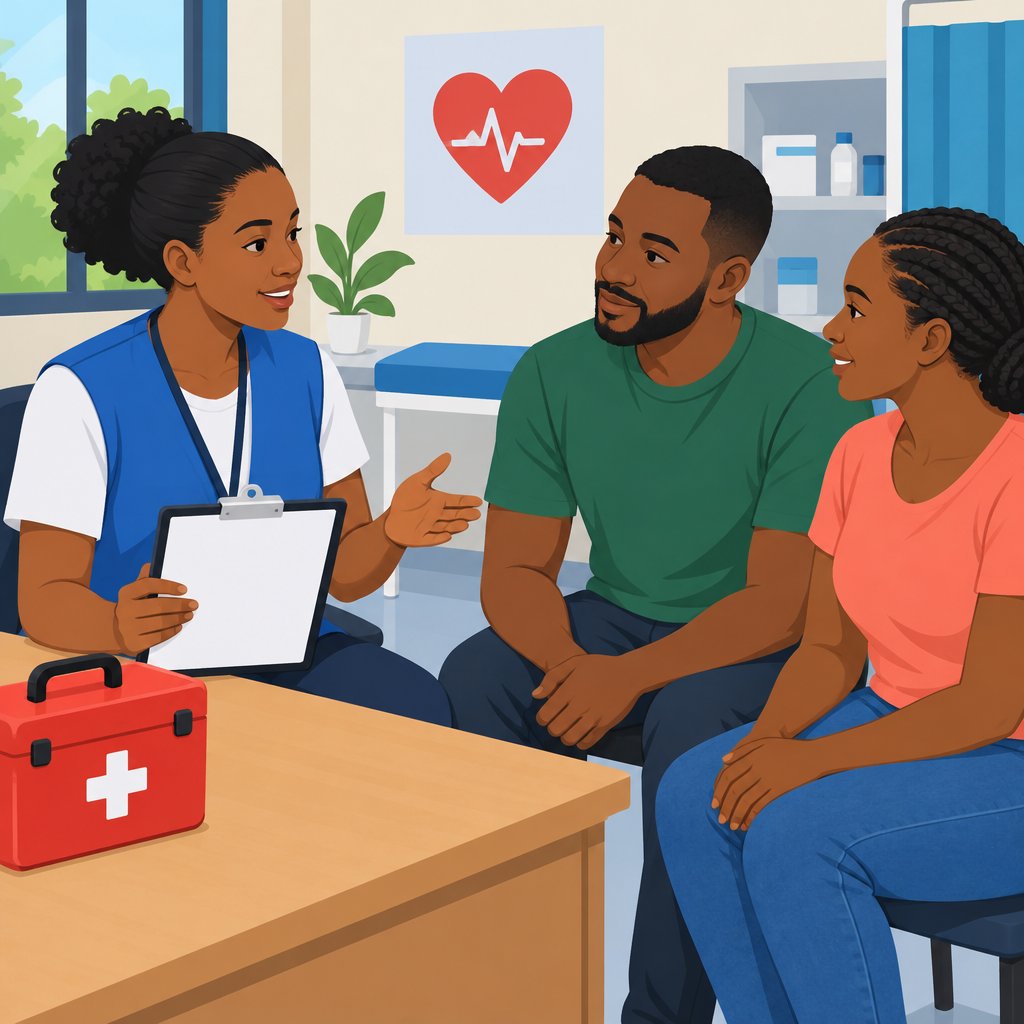
Community Participation in Health Programs
Community participation shapes health program design.
It connects health initiatives with local perspectives.
Furthermore, shared involvement supports lasting relationships.
- Community engagement leads to better program acceptance.
- Collaboration helps programs meet community needs effectively.
- Community involvement builds trust and strengthens relationships.
Community Members’ Contributions
Community members offer practical knowledge about local health challenges.
Their participation can connect health programs with wider community networks.
Moreover, their involvement supports effective and sustainable program delivery.
- They provide valuable insights into local health challenges.
- Community members can spread awareness about health programs.
- Involving them improves program sustainability and effectiveness.
Partnerships With Local Organizations
Partnerships bring together resources that can strengthen health programs.
Local organizations also contribute knowledge and practical expertise.
Through collaboration, stakeholders can support shared goals and broader impact.
- Local organizations offer resources and expertise.
- Stakeholder partnerships increase program reach and impact.
- Collaboration creates shared goals and mutual support.
Culturally Sensitive Health Approaches
Culturally sensitive approaches respect the beliefs that shape health experiences.
They can strengthen trust between patients and health providers.
Customized communication can also improve understanding and patient satisfaction.
- Respecting cultural beliefs can lead to better health outcomes.
- Culturally sensitive care promotes trust and patient satisfaction.
- Customized approaches improve communication and understanding.
Gain More Insights: Patient Guide to Anatomical Pathology Procedures in Nigeria
Challenges and Barriers to Community-Based Health Programs
Community-based health programs in Nigeria face barriers that limit successful implementation.
Funding constraints, logistical difficulties, and cultural differences can weaken program delivery.
Addressing these barriers requires coordinated support, careful planning, and community-sensitive approaches.
Funding Constraints
- Limited financial resources make it difficult to sustain community-based health programs.
- Reduced government funding and donor dependence can create program instability.
- Without sustainable funding mechanisms, programs struggle to expand and maintain long-term impact.
- Poor financial management and weak accountability can intensify funding constraints.
Logistical Challenges
- Inadequate infrastructure and transportation networks restrict health service delivery.
- Supply chain disruptions and medicine shortages can reduce program effectiveness.
- Remote areas create difficulties when teams access and monitor program activities.
- Poor stakeholder coordination may duplicate efforts and reduce service delivery efficiency.
Cultural Differences
- Cultural beliefs and practices can influence acceptance and use of health services.
- Limited understanding of local norms may cause misunderstandings during program implementation.
- Gender disparities and social hierarchies may restrict healthcare access within communities.
- Cultural sensitivity and community engagement can build trust and encourage participation.
Government Support and Policy Changes
Government support can strengthen community-based health programs across Nigeria.
Public institutions provide financial resources, regulatory frameworks, and institutional support.
Policy improvements can promote stronger implementation, accountability, and program sustainability.
Funding and Resource Allocation
- The government should prioritize health within the national budget.
- Public-private partnerships can provide additional resources and technical expertise.
- Transparent budgeting and financial management can improve accountability and resource use.
- Donor coordination and sustainable financing mechanisms can help address funding gaps.
Policy Frameworks and Regulatory Support
- Supportive policies and guidelines can establish a clear legal framework for programs.
- Stronger regulatory bodies and monitoring systems can improve quality and compliance.
- Policy changes can address healthcare delivery, access, and equity gaps.
- Policymaker and stakeholder engagement can advance health system reforms.
Strategies for Overcoming Implementation Obstacles
Several strategies can help programs overcome implementation obstacles.
Capacity-building can improve healthcare delivery and strengthen local organizations.
Community engagement can support ownership, trust, and sustained participation.
Capacity-Building and Training
- Training and professional development can improve healthcare providers’ service delivery skills.
- Capacity-building can strengthen community health workers’ knowledge and outreach abilities.
- Stronger local facilities and organizations can promote sustainability and self-reliance.
- Mentorship programs and knowledge-sharing platforms can encourage stakeholder collaboration.
Community Empowerment and Engagement
- Community involvement in design, implementation, and monitoring can encourage ownership.
- Community-led initiatives can empower people to manage their health and well-being.
- Partnerships with local leaders and traditional healers can improve cultural acceptance.
- Outreach, health education, and awareness activities can increase knowledge and support behavior change.
Discover More: Maternal Health Challenges in Nigeria
Evaluating community-based health programs in Nigeria requires several methods.
These methods help stakeholders assess impact, outcomes, and areas for improvement.
Methods for Assessing Program Impact
Different assessment methods reveal how programs affect communities and deliver health services.
Combining these methods provides broader insight into program effectiveness.
Stakeholders can then compare experiences, records, and reported outcomes.
- Surveys gather community feedback about program effectiveness and service gaps.
- Focus groups explore participant experiences, challenges, and improvement suggestions.
- Medical records track health outcomes, treatment adherence, and program effects.
- Key informant interviews capture perspectives from health workers and community leaders.
Data Collection, Monitoring, and Evaluation
Data collection, monitoring, and evaluation support accountable health program management.
Regular monitoring shows whether programs progress toward their goals and objectives.
Evaluation findings also help stakeholders recognize weaknesses and strengthen service delivery.
- Monitoring tracks progress toward program goals and objectives.
- Data collection reveals service gaps, challenges, and delivery barriers.
- Evaluation feedback supports better program quality and service delivery.
- Data-driven insights guide informed decisions and resource allocation.
Metrics for Evaluating Program Success
Relevant metrics show whether community-based health programs achieve meaningful results.
Health outcomes, patient satisfaction, and cost-effectiveness provide complementary evaluation perspectives.
Together, these measures clarify program impact, efficiency, and sustainability.
- Health outcomes can show reduced mortality and improved disease management.
- Immunization coverage can indicate progress in community health protection.
- Patient satisfaction surveys reveal community views about program services.
- Cost-effectiveness analysis assesses resource use and long-term sustainability.
Stakeholders can use these tools to determine whether programs improve community health outcomes.
They can also identify needed improvements and allocate resources more effectively.
Using evidence consistently helps programs make a meaningful difference in community health.
Delve into the Subject: Popular Physiotherapy Workshops in Nigeria
Scaling Community-Based Health Programs in Nigeria
Community-based health programs improve healthcare access and outcomes across Nigeria.
They address local health needs and encourage preventive care.
Moreover, these programs empower individuals to manage their health.
Their value extends beyond illness treatment.
They also strengthen individual responsibility for health.
Continued support and investment can sustain these programs.
With appropriate resources and commitment, successful initiatives can reach more communities in need.
This expansion benefits participants and strengthens Nigeria’s broader health system.
Furthermore, careful planning and collaboration can improve public health outcomes.
These efforts can help create a healthier and more resilient population.
Additional Resources
Google search results for Community-Based Health Programs in Nigeria Medical
Bing search results for Community-Based Health Programs in Nigeria Medical


