



Introduction
Anatomical pathology involves studying tissues to diagnose diseases.
It also guides treatment and supports medical research.
Furthermore, anatomical pathology provides insights into the underlying causes of various health conditions.
Therefore, anatomical pathology is essential in Nigerian medicine.
It supports accurate diagnosis and effective treatment.
Diagnosis and Treatment
Anatomical pathology examines tissues and cells to support accurate disease diagnosis.
It also helps clinicians select treatment plans suited to each patient’s condition.
In Nigeria, this discipline has improved patient care through earlier detection and informed clinical decisions.
- Pathologists can identify cancerous tumors early, allowing clinicians to begin timely interventions.
- They can diagnose tuberculosis and support prompt treatment and disease containment.
- They can assess organ function and damage, helping clinicians manage chronic conditions effectively.
Benefits of Anatomical Pathology
Examination of tissues and cells enables healthcare professionals to make accurate diagnoses.
Healthcare providers use pathological findings to design targeted treatment strategies.
Research teams use pathological evidence to advance medical knowledge and therapeutic approaches.
Accurate disease classification improves healthcare quality and supports effective disease management.
Challenges and Solutions
Some healthcare facilities lack advanced diagnostic tools and technologies.
Nigeria also faces limited training opportunities for pathologists and laboratory technicians.
Investments in infrastructure, education, and international collaboration can strengthen pathology services.
- Healthcare systems can invest in modern infrastructure and diagnostic equipment.
- Educational institutions can expand training programs for pathologists and laboratory technicians.
- Professional organizations can foster collaborations with international institutions.
Future Directions in Nigerian Anatomical Pathology
Anatomical pathology can grow in Nigeria alongside global developments in precision medicine.
Digital pathology and artificial intelligence can improve diagnostic accuracy.
Collaboration with pharmaceutical companies can support personalized medicine and drug development.
Pathology services can also support public health interventions and disease surveillance programs.
Continued development can strengthen healthcare delivery and improve patient outcomes across Nigeria.
Disease Research and Prevention
- Contribution of anatomical pathology to understanding diseases prevalent in Nigeria.
- Role in research to find effective prevention strategies for diseases.
- Importance of early detection through anatomical pathology in preventing disease spread.
Anatomical pathology supports disease research and prevention across Nigeria.
Researchers use its findings to understand disease patterns and guide public health decisions.
Moreover, tissue analysis reveals how diseases affect individuals and communities.
Anatomical Pathology and Disease Understanding
Pathologists examine tissue specimens and perform post-mortem examinations to identify disease patterns.
They also help reveal risk factors and possible sources of outbreaks.
In Nigeria, this work supports investigations of malaria, tuberculosis, and HIV/AIDS.
Laboratory findings can confirm diagnoses, identify drug resistance patterns, and track disease progression.
Research for Effective Disease Prevention
Pathologists contribute evidence to research seeking effective disease prevention strategies.
By examining cellular and molecular changes, they support vaccine, treatment, and prevention research.
They also collaborate with healthcare professionals, researchers, and policymakers.
Together, these groups examine genetic, environmental, and lifestyle factors linked to disease development.
Consequently, research findings can support prevention strategies suited to Nigerian communities.
Early Detection and Disease Control
Early detection helps control disease spread and reduces its public health impact.
Screening programs, biopsies, and diagnostic tests can identify abnormalities before conditions worsen.
Pathologists can detect precancerous lesions and infectious agents through these approaches.
Timely intervention can improve patient outcomes and limit transmission within communities.
Discover More: Patient Guide to Anatomical Pathology Procedures in Nigeria
Quality Healthcare Delivery
Anatomical pathology supports high healthcare standards in Nigeria.
This medical branch examines body tissues and organs to support reliable clinical decisions.
Healthcare professionals use pathology findings to coordinate effective patient care.
Transform Your Career with Expert Guidance
Get personalized mentorship consulting that’s tailored to your unique path. Our expert advice is actionable and exclusive.
Get Started- Pathologists provide clinicians with essential information for patient management.
- Reliable pathology findings support appropriate care and improved health outcomes.
- Pathologists can identify diseases early, supporting better prognoses and survival rates.
- Healthcare providers depend on precise and reliable pathology services.
Importance of Accurate Diagnosis
Anatomical pathology uses microscopic examination to detect and characterize diseases.
Accurate findings help healthcare providers understand each patient’s condition more clearly.
Timely results allow providers to choose care that matches individual patient needs.
- Pathology can identify cancerous growths, infections, and inflammatory conditions.
- It can also reveal genetic abnormalities through appropriate examination.
- Precise diagnosis enables healthcare providers to tailor treatments for individual patients.
- Effective disease management can improve patient outcomes and quality of life.
Patient Care Through Proper Pathology Services
Pathologists work with other healthcare professionals to coordinate comprehensive patient care.
Multidisciplinary teams use pathology findings when developing personalized care plans.
Healthcare teams also use pathology services to monitor treatment and support patient safety.
- Pathologists contribute their expertise to multidisciplinary healthcare teams.
- They help teams develop treatment plans suited to individual patients.
- Pathology services support disease prevention, early detection, and treatment monitoring.
- Accurate result interpretation helps healthcare providers protect patient welfare.
Find Out More: Maternal Health Challenges in Nigeria
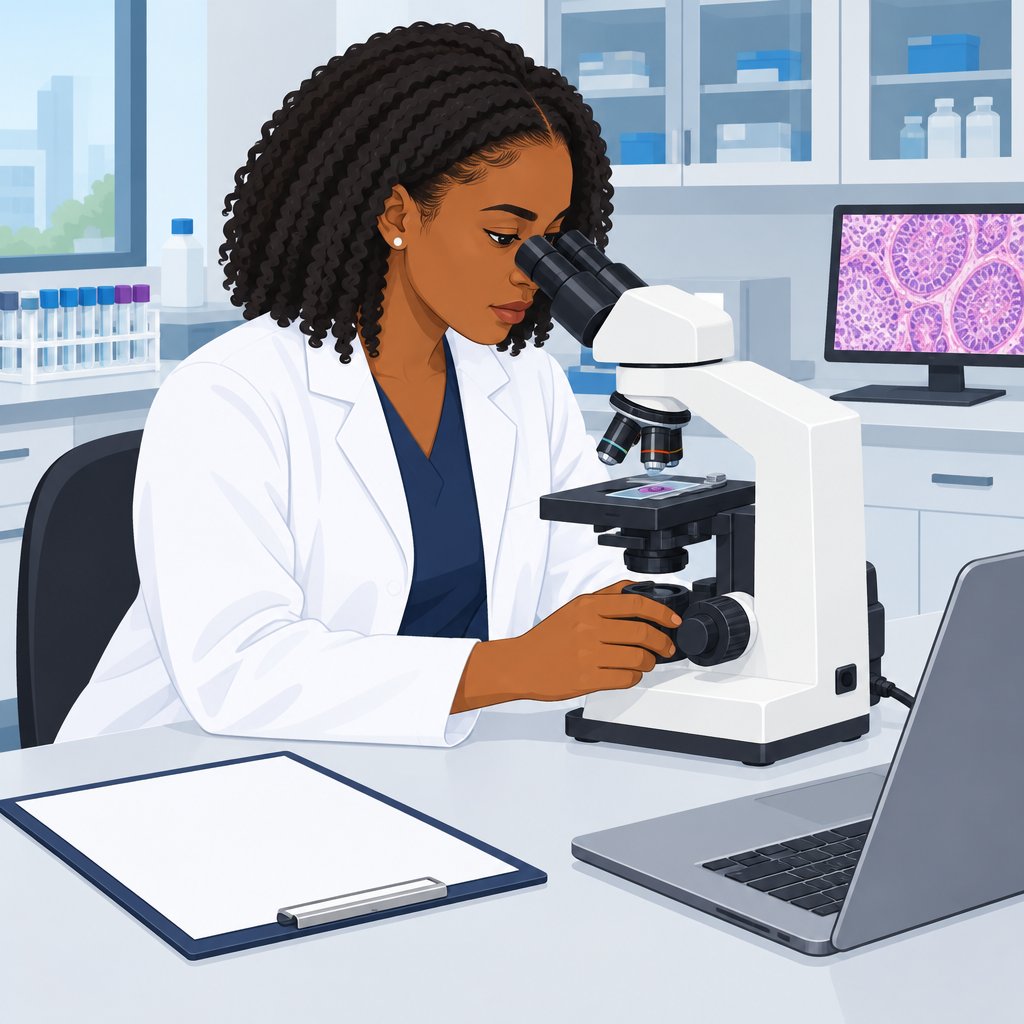
Education and Training in Anatomical Pathology
- Role in training future healthcare professionals in Nigeria
- Education opportunities in medical school pathology departments
- Continuous learning and professional development in anatomical pathology
Anatomical pathology strengthens professional education by connecting tissue structure with practical healthcare learning.
Students explore disease-related tissue changes while developing skills that support clinical practice.
Faculty members guide learners through practical experiences and prepare them for professional responsibilities.
Anatomical Pathology in Professional Training
Anatomical pathology gives Nigerian medical students a foundation for understanding human structure and function.
Students examine tissues and organs while developing essential skills for recognizing pathological changes.
Pathology departments use guided learning experiences to prepare students for real-life clinical practice.
This curriculum integration helps future healthcare professionals develop relevant knowledge and expertise.
Educational Opportunities in Medical School Pathology Departments
Departments provide lectures, laboratory sessions, and research projects for medical students.
These activities help students apply pathological principles within clinical settings.
Laboratories may provide technology and equipment that support experiments and research.
Experienced pathologists and researchers also offer mentorship during this learning process.
Continuous Learning and Professional Development
Continuous learning helps pathologists respond to advances in medical research and technology.
Professional development can strengthen diagnostic skills and support improved patient care.
Conferences, workshops, and training programs expand knowledge and encourage professional networking.
These opportunities help Nigerian pathologists remain engaged with healthcare innovation.
Discover More: Popular Physiotherapy Workshops in Nigeria
Forensic Medicine and the Legal System
- Anatomical pathology supports forensic investigations and court proceedings.
- It provides vital evidence in criminal cases and helps identify causes of death.
- The discipline strengthens justice and promotes accountability.
Anatomical pathology plays a crucial role in forensic medicine and the legal system.
Forensic pathologists examine tissue samples and perform autopsies during suspicious or unexplained deaths.
They help determine the cause of death and clarify the circumstances surrounding it.
Furthermore, forensic investigations rely on pathologists to analyze tissues and bodily fluids.
These examinations can reveal injuries, toxins, or diseases that contributed to death.
Such findings help investigators determine whether foul play occurred.
In criminal cases, pathologists examine internal organs, tissues, and bodily fluids carefully.
They can identify medical conditions or injuries that may have caused death.
Moreover, detailed reports help law enforcement officials and prosecutors establish the facts.
Pathologists also support legal proceedings by explaining medical findings in court.
Their testimony gives judges and jurors clearer insight into the medical evidence.
Consequently, accurate pathology findings can support fair decisions and appropriate accountability.
Through this work, anatomical pathology strengthens the pursuit of justice.
It also helps ensure that responsible individuals remain accountable for their actions.
Gain More Insights: Physiotherapy for Nigerian Athletes: Best Practices
Economic Impact
Anatomical pathology services contribute significantly to Nigeria’s healthcare economy.
These services diagnose diseases and guide treatment decisions.
Accurate disease identification helps reduce healthcare costs over time.
Furthermore, correct diagnoses support targeted treatments and minimize resource wastage.
Job Creation Opportunities
Anatomical pathology laboratories and research facilities employ skilled professionals.
Pathologists, laboratory technicians, and support staff keep these facilities functioning.
Investment in anatomical pathology creates jobs and supports Nigeria’s economic growth.
Moreover, skilled professionals strengthen healthcare while contributing to the broader economy.
Economic Benefits of Investment
Investment in anatomical pathology supports sustainable healthcare development in Nigeria.
Improved diagnostic services produce better patient outcomes and reduce long-term healthcare costs.
Timely diagnoses guide appropriate treatments and prevent spending on ineffective therapies.
Consequently, anatomical pathology makes healthcare delivery more efficient and cost-effective over time.
The Role of Anatomical Pathology in Nigerian Healthcare
Anatomical pathology provides essential diagnostic information for Nigerian medicine.
This discipline supports accurate diagnoses and treatment decisions for various diseases, improving patient outcomes.
Therefore, Nigeria must prioritize and support anatomical pathology within its healthcare system.
By investing in this field, Nigeria can strengthen healthcare services and improve population health outcomes.
Moreover, anatomical pathologists help deliver quality healthcare services to the Nigerian people.
Their expertise and dedication remain essential to strengthening the country’s health system.
Accordingly, Nigeria should recognize and appreciate the role of anatomical pathologists in healthcare.
Together, Nigerians can support these professionals and build a healthier, brighter future.
Additional Resources
Google search results for Importance of Anatomical Pathology in Nigerian Medicine Medical
Bing search results for Importance of Anatomical Pathology in Nigerian Medicine Medical


