



Introduction
Physiotherapy provides a key treatment option for respiratory issues through specialized exercises and techniques that improve lung function.
In Nigeria, respiratory problems remain prevalent because air pollution, smoking, and infectious diseases like tuberculosis affect communities.
Therefore, seeking professional help enables physiotherapists to provide targeted treatments that improve breathing and quality of life.
Physiotherapy Techniques for Respiratory Care
Physiotherapy techniques can improve lung function for people with respiratory issues.
These methods help patients breathe more efficiently and effectively.
Physiotherapists use several approaches to support clearer airways and stronger breathing.
Techniques That Support Lung Function
- Chest physiotherapy, including percussion and postural drainage, helps clear lung mucus and improve airflow.
- Breathing exercises teach deep breathing and diaphragmatic breathing to strengthen respiratory muscles.
- Flutter valves and positive expiratory pressure masks help clear secretions from the airways.
Personalized Respiratory Treatment Plans
Physiotherapists assess each patient’s respiratory concerns before planning care.
They discuss individual needs and goals with each patient.
Then, they combine suitable techniques with physical activity recommendations.
Plans may include chest physiotherapy, breathing exercises, and airway clearance techniques.
Benefits of Physiotherapy in Respiratory Care
- Physiotherapy can help patients breathe more easily and use their lungs efficiently.
- Improved respiratory function can help patients perform daily activities with greater comfort.
- Physiotherapy can help prevent worsening respiratory issues and reduce infection risks.
- Physiotherapists provide care tailored to each patient’s needs and goals.
Adding physiotherapy to respiratory care can support lung function, daily comfort, and personalized treatment.
Common Respiratory Issues in Nigeria
Asthma, bronchitis, and pneumonia affect many people across Nigeria.
Asthma affects millions of Nigerians, especially children, as a chronic respiratory condition.
Bronchitis inflames the bronchial tubes and affects many people across the country.
Pneumonia infects the lungs and inflames their air sacs, creating a significant health concern.
Prevalence and Population Impact
According to WHO, Nigeria has one of Africa’s highest asthma prevalence rates.
Bronchitis contributes to a substantial number of hospital admissions in Nigeria each year.
Pneumonia remains a leading cause of death among Nigerian children under five.
Importance of Early Detection and Treatment
Early detection prevents complications and improves treatment outcomes for people with respiratory conditions.
For people with asthma, timely treatment manages symptoms and supports a better quality of life.
Prompt bronchitis diagnosis and treatment can prevent progression and additional lung damage.
Rapid pneumonia intervention reduces mortality, particularly among vulnerable populations.
Explore Further: Role of Biomedical Technologists in Nigerian Hospitals
Accessing Respiratory Physiotherapy in Nigeria
Several barriers limit access to physiotherapy for respiratory problems in Nigeria.
These barriers affect awareness, availability, and affordability.
Addressing them requires improvements in information, service coverage, and financial support.
Limited Awareness of Respiratory Physiotherapy
Many individuals do not understand physiotherapy’s role in respiratory care.
Physiotherapy can support people managing asthma, chronic obstructive pulmonary disease, and pneumonia.
Consequently, limited awareness may delay appropriate treatment and weaken respiratory care.
Unequal Availability of Trained Physiotherapists
Remote areas often have limited access to trained physiotherapists.
Healthcare services remain concentrated in urban centers.
Therefore, rural communities may experience delayed or inadequate respiratory physiotherapy.
This geographical disparity can affect the quality of life for people with respiratory problems.
Financial Barriers to Respiratory Physiotherapy
Financial constraints can prevent individuals from seeking necessary physiotherapy.
Patients may struggle to afford sessions, diagnostic tests, medications, or respiratory equipment.
As a result, some people may postpone treatment while their respiratory conditions worsen.
Limited financial resources also reduce access to affordable or subsidized physiotherapy services.
Improving Access to Respiratory Care
Healthcare providers should increase public awareness of physiotherapy’s respiratory care benefits.
Expanding trained physiotherapy services can improve care for remote and underserved communities.
Financial assistance programs can help more individuals obtain essential respiratory physiotherapy services.
Transform Your Career with Expert Guidance
Get personalized mentorship consulting that’s tailored to your unique path. Our expert advice is actionable and exclusive.
Get StartedExplore Further: Physiotherapy Equipment: Nigerian Clinics Essentials
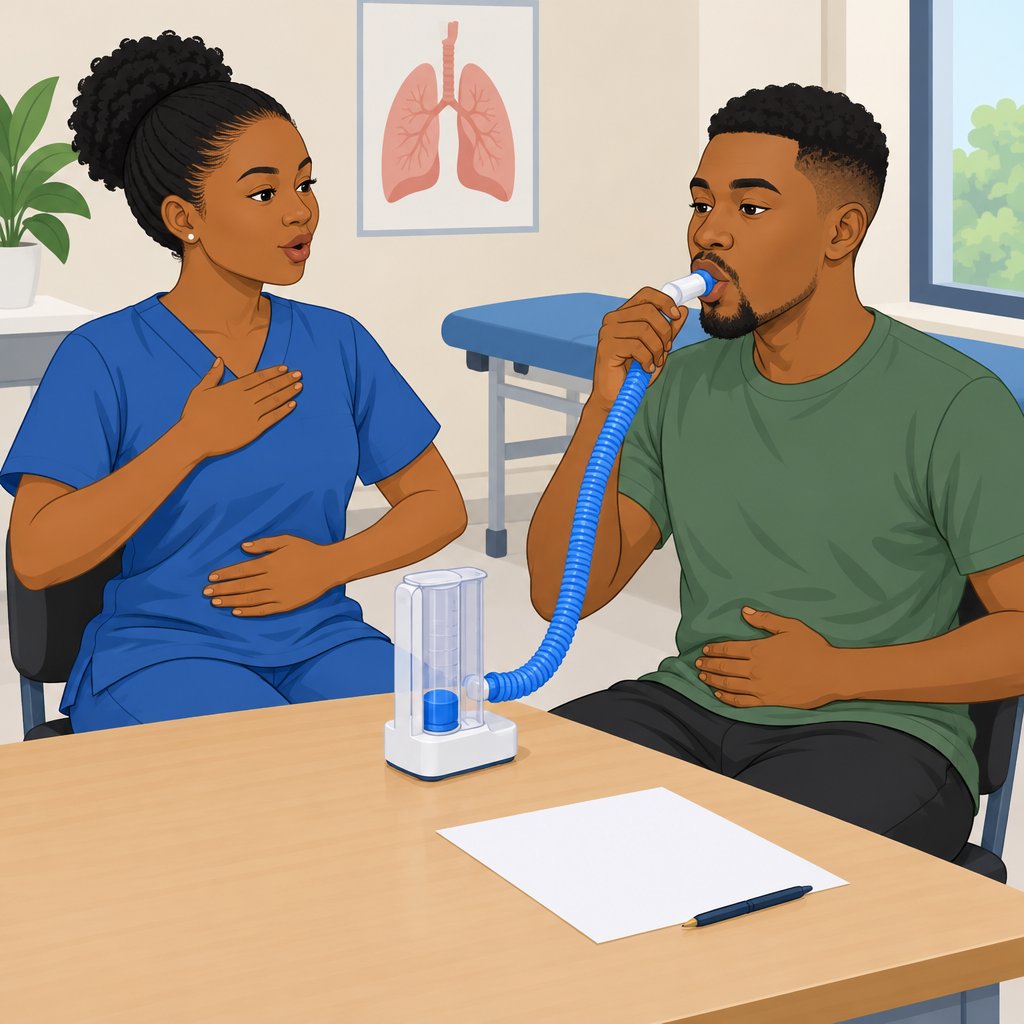
Importance of Early Intervention in Respiratory Care
Seek treatment for respiratory issues at the earliest signs of symptoms.
Early intervention can prevent respiratory conditions from progressing and support better outcomes.
Additionally, successful physiotherapy interventions demonstrate the value of prompt action in respiratory care.
Delve into the Subject: Preparing for Your ENT Surgery in Nigeria
Collaborative Respiratory Care
Multidisciplinary teams bring together professionals with different expertise.
These professionals combine their knowledge to address complex respiratory problems.
Consequently, coordinated care can improve treatment and patient outcomes.
Physiotherapists Within Respiratory Care Teams
Physiotherapists collaborate with physicians, respiratory therapists, nurses, and other healthcare professionals.
They provide airway clearance techniques, breathing exercises, and pulmonary rehabilitation.
Furthermore, physiotherapists coordinate care to support patients’ respiratory progress.
Collaborative Respiratory Care in Nigeria
In Nigeria, physiotherapists, pulmonologists, respiratory therapists, and nurses collaborate on respiratory care.
These teams manage conditions such as chronic obstructive pulmonary disease and asthma.
They create individualized treatment plans and monitor each patient’s progress.
Additionally, team members adjust care when patients’ needs change.
Public health agencies, non-governmental organizations, and academic institutions also support respiratory care.
These partnerships raise awareness, advocate for patients, and promote respiratory research and education.
You Might Also Like: Overview of Dentistry and Dental Surgery in Nigeria
Strategies for Improving Respiratory Physiotherapy Access in Nigeria
- Advocate for greater awareness of physiotherapy’s benefits in respiratory care.
- Develop training programs that increase the number of qualified physiotherapists in Nigeria.
- Make physiotherapy services more affordable and accessible to people who need them.
Improving access requires a multifaceted approach involving advocacy, training, and affordability.
These strategies can expand respiratory physiotherapy services for people across Nigeria.
They can also enhance the quality of care for individuals with respiratory issues.
Advocacy for Increased Awareness
Public education can explain physiotherapy’s benefits for managing respiratory issues.
Healthcare facilities and communities can distribute educational materials about respiratory physiotherapy.
Public campaigns and workshops can further increase awareness of available care.
Training Programs for Physiotherapists
Training programs can increase the number of qualified physiotherapists in Nigeria.
Educational institutions can partner with others to develop effective training opportunities.
Scholarships and continuing education can support aspiring and practicing physiotherapists.
Affordable and Accessible Physiotherapy Services
Government subsidies can help make physiotherapy services more affordable.
Insurance coverage can reduce financial barriers for people needing respiratory physiotherapy.
Mobile clinics can extend services to individuals living in remote areas.
Strengthening Respiratory Health Through Physiotherapy
Physiotherapy plays a crucial role in managing respiratory issues in Nigeria.
It improves lung function, reduces symptoms, and enhances overall quality of life.
Therefore, individuals with respiratory problems should seek professional physiotherapy support.
Healthcare providers in Nigeria should integrate physiotherapy into respiratory care plans.
This integration enables providers to deliver comprehensive treatment for patients with respiratory issues.
Additionally, communities can promote physiotherapy’s value in respiratory care across Nigeria.
Early intervention and proper management can significantly improve respiratory health.
Anyone experiencing respiratory difficulties should promptly contact a qualified physiotherapist.
Together, healthcare professionals and patients can improve respiratory outcomes and quality of life in Nigeria.
Additional Resources
Google search results for Physiotherapy for Respiratory Issues in Nigeria Medical
Bing search results for Physiotherapy for Respiratory Issues in Nigeria Medical


