



Physiotherapy in Nigeria
Physiotherapy supports healthcare in Nigeria.
It focuses on rehabilitation and pain management.
Clinics use physiotherapy treatments to help patients recover from injuries and illnesses.
Manual Therapy Techniques
Physiotherapists use hands-on methods to treat joints, muscles, and soft tissues.
These techniques include mobilization, manipulation, and massage to improve movement and reduce pain.
Consequently, patients may experience better range of motion during rehabilitation.
Therapeutic Exercises
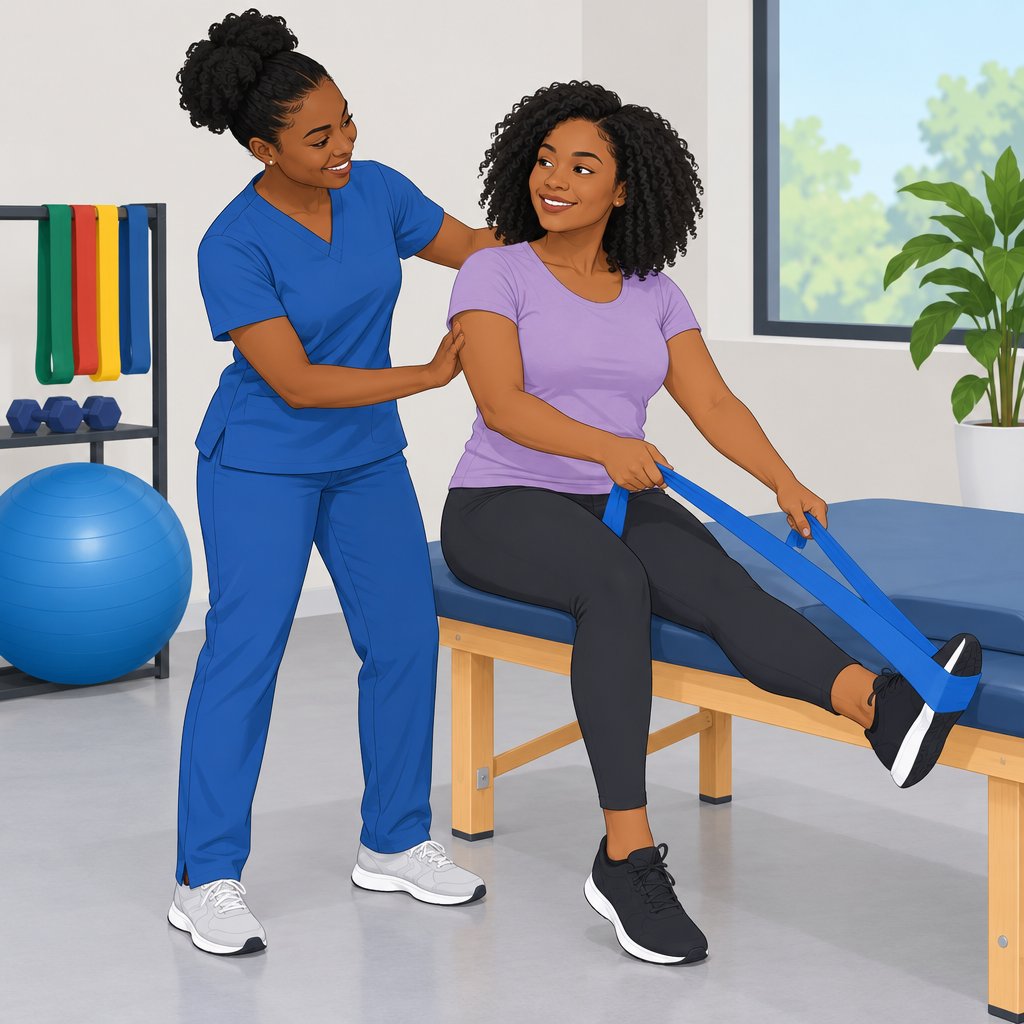
Physiotherapists prescribe customized exercises for each patient’s rehabilitation needs.
These activities develop strength, flexibility, balance, and coordination.
Additionally, exercise programs help patients regain functional mobility and prevent further injuries.
Electrotherapy Treatments
Electrotherapy uses electrical stimulation to address various musculoskeletal conditions.
Common modalities include TENS, ultrasound, and electrical muscle stimulation.
These treatments can reduce pain and support tissue healing during recovery.
Hydrotherapy Exercises
Hydrotherapy combines treatment and exercise in water, usually within a heated pool.
Water buoyancy helps patients perform movements with less impact on their joints.
Meanwhile, water resistance supports exercise while patients develop movement and physical control.
Massage Therapy
Massage therapy involves manually manipulating soft tissues to improve circulation.
It can relieve muscle tension, reduce pain, and support greater flexibility.
Furthermore, massage may improve range of motion and contribute to overall well-being.
Personalized Physiotherapy Treatment Plans
Physiotherapists may combine several treatments according to each patient’s needs.
This approach supports recovery while addressing individual rehabilitation goals.
Patients should consult qualified physiotherapists for personalized treatment planning.
Manual Therapy Techniques
Manual therapy techniques help patients improve mobility and reduce pain in Nigerian physiotherapy clinics.
Physiotherapists target specific body areas to address musculoskeletal issues.
They often combine these techniques with exercise therapy and other treatment modalities.
Description of Manual Therapy Techniques
Joint mobilization involves passive movement of a joint to increase its range of motion.
A physiotherapist applies gentle pressure to restore flexibility and reduce stiffness.
Manipulation uses a quick, thrusting movement that takes a joint beyond its normal range.
This technique can release tight muscles, improve joint function, and reduce pain.
However, manipulation requires considerable skill and precision from the physiotherapist.
Physiotherapists tailor both techniques to each patient’s individual needs.
Benefits of Manual Therapy
Manual therapy can improve mobility and reduce pain for patients with musculoskeletal conditions.
Additionally, treatment may support recovery by improving blood flow and reducing inflammation.
Patients may also improve posture, joint function, and muscle balance through regular treatment.
- Manual therapy can improve joint flexibility and help patients regain normal movement.
- Mobilization and manipulation can target painful areas and promote relief.
- Improved blood flow and reduced inflammation may support tissue repair.
- Manual therapy can help correct posture abnormalities and reduce physical strain.
- Regular treatment can help maintain joint function and muscle balance.
Delve into the Subject: Biomedical Technology: Case Studies in Nigeria
Therapeutic Exercises in Physiotherapy
Therapeutic exercises form a crucial part of physiotherapy treatment in Nigerian clinics.
They help patients improve strength, flexibility, and physical function during physiotherapy treatment.
In addition, exercise can restore mobility and function in injured or impaired body parts.
Physiotherapists prescribe exercises according to each patient’s specific rehabilitation needs.
These exercises may include stretching, strengthening, cardiovascular, and balance activities.
- Stretching exercises improve flexibility and support movement.
- Strengthening exercises develop muscle power and improve physical function.
- Cardiovascular exercises support physical endurance and general activity.
- Balance exercises improve stability, coordination, and safe movement.
These activities can increase range of motion and improve balance and coordination.
Transform Your Career with Expert Guidance
Get personalized mentorship consulting that’s tailored to your unique path. Our expert advice is actionable and exclusive.
Get StartedFurthermore, therapeutic exercises can enhance muscle strength, reduce pain, and promote healing.
By including these exercises in treatment plans, clinics support recovery and improve patients’ quality of life.
Gain More Insights: How to Choose a Physiotherapist in Nigeria
Electrotherapy in Nigerian Clinics
Electrotherapy is a common treatment modality used in Nigerian clinics.
It uses electrical energy to stimulate nerves and muscles during patient care.
Therefore, electrotherapy can support recovery during physiotherapy treatment.
Common Electrotherapy Modalities
Physiotherapists commonly use ultrasound and Transcutaneous Electrical Nerve Stimulation (TENS).
Ultrasound uses high-frequency sound waves to generate heat within deeper tissues.
This heat can promote circulation and support the healing process.
Meanwhile, TENS delivers electrical pulses through the skin to help relieve pain.
These pulses can disrupt pain signals travelling to the brain.
Electrotherapy for Pain Management and Tissue Healing
Electrotherapy can help manage musculoskeletal, neuropathic, and postoperative pain.
It may reduce pain perception while increasing blood flow around treated areas.
Additionally, electrotherapy can support tissue repair during rehabilitation.
Some applications stimulate endorphin release, which provides the body with natural pain relief.
Consequently, electrotherapy offers a non-invasive, drug-free approach to pain management.
Electrotherapy Within Physiotherapy Treatment
Physiotherapists in Nigerian clinics often include electrotherapy in individual treatment plans.
They select suitable modalities according to each patient’s treatment needs.
This approach allows physiotherapists to target specific areas effectively.
Furthermore, practitioners can combine electrotherapy with exercise therapy.
Such combinations may enhance treatment benefits and support the healing process.
Electrotherapy’s Contribution to Patient Recovery
Electrotherapy remains a valuable tool within physiotherapy services in Nigerian clinics.
Its applications can assist pain management, tissue healing, and overall recovery.
Understanding its modalities helps patients discuss suitable treatment plans with physiotherapists.
You Might Also Like: Preventing Mental Health Issues in Nigerian Teens
Hydrotherapy
- Benefits of hydrotherapy in rehabilitation
- Different hydrotherapy techniques used in Nigerian clinics
- Impact of hydrotherapy on patients’ physical well-being
Benefits of Hydrotherapy in Rehabilitation
Hydrotherapy, also known as aquatic therapy, offers several benefits during rehabilitation.
Water reduces weight-bearing stress on joints and muscles, so patients can move with less discomfort.
Additionally, buoyancy supports the body and makes movement easier during recovery.
This support helps patients practice movement while managing mobility difficulties.
Hydrotherapy Techniques Used in Nigerian Clinics
Nigerian clinics use several hydrotherapy techniques to support patients during rehabilitation.
These techniques include pool exercises, aquatic treadmill training, water aerobics, and hot or cold water therapy.
Clinicians choose each technique according to the patient’s condition and treatment goals.
Impact of Hydrotherapy on Physical Well-Being
Regular hydrotherapy sessions can improve patients’ flexibility, strength, and endurance.
Warm water relaxes muscles and helps alleviate pain.
Meanwhile, water resistance provides a challenging but low-impact workout.
Hydrotherapy can also enhance circulation and reduce inflammation.
Furthermore, the treatment can promote faster recovery after injuries or surgeries.
Hydrotherapy remains a valuable rehabilitation option in Nigerian clinics.
Its varied techniques can support patients’ physical well-being during recovery.
Gain More Insights: Coping with Stress in Nigerian Medical Schools
Massage Therapy
Massage therapy supports physiotherapy by addressing muscle discomfort and promoting relaxation.
In Nigerian clinics, physiotherapists select techniques according to each patient’s needs and treatment goals.
These approaches can complement rehabilitation plans for injury recovery or chronic pain management.
Massage Techniques Used in Physiotherapy
- Swedish massage uses long strokes, kneading, and circular movements to relax muscles and support circulation.
- Deep tissue massage targets deeper muscles and connective tissues to release tension and reduce pain.
- Trigger point therapy applies pressure to specific muscle points, helping relieve pain and improve movement.
- Myofascial release reduces tension in fascia surrounding muscles, which may improve mobility.
- Sports massage supports injury prevention, performance, and recovery for athletes.
Therapeutic Benefits for Pain Relief and Relaxation
Massage therapy can ease discomfort while helping patients feel calmer.
It may reduce muscle soreness, tension, and stiffness associated with arthritis or fibromyalgia.
Additionally, gentle treatment can support relaxation, sleep quality, and emotional well-being.
- Massage therapy can reduce muscle soreness, tension, and stiffness, providing relief from chronic pain.
- Furthermore, massage may lower stress hormones and encourage endorphin production, promoting relaxation.
- Regular sessions may improve sleep quality by reducing insomnia, anxiety, and restlessness.
- Endorphin release can elevate mood and ease symptoms of depression or anxiety.
Improving Circulation and Reducing Muscle Tension
Massage therapy can also influence circulation and muscle comfort.
Manual pressure may encourage blood and lymphatic fluid movement through treated areas.
Consequently, relaxed muscles may support flexibility, posture, and recovery.
- Massage can stimulate blood and lymphatic fluid flow, supporting oxygen and nutrient delivery to cells.
- Soft-tissue pressure loosens tight muscles, reduces stiffness, and may enhance flexibility.
- Fluid movement during treatment may help remove waste products from muscles and support healing.
- Regular treatment can address muscular imbalances and support better alignment and posture.
Long Term Value of Physiotherapy Care
Common physiotherapy treatments in Nigerian clinics include exercises, manual therapy, and electrotherapy.
These treatments can improve mobility, strength, and overall well-being.
Physiotherapy can improve quality of life for people with musculoskeletal conditions, neurological disorders, and sports injuries.
Therefore, individuals should recognize when physiotherapy may benefit their health and seek treatment when needed.
By investing in their well-being, patients can pursue faster recovery and experience long-term benefits.
Additional Resources
Google search results for Common Physiotherapy Treatments in Nigerian Clinics Medical
Bing search results for Common Physiotherapy Treatments in Nigerian Clinics Medical


