



Mental Health Support for Nigerian Teens
Addressing mental health supports the overall well-being of Nigerian teens.
Mental health issues affect Nigerian teens and can disrupt their daily lives.
This blog post provides practical tips for preventing mental health issues among Nigerian teens.
Educating Parents and Caregivers About Teen Mental Health
Parents and caregivers play a crucial role in supporting teenagers’ mental well-being.
They can recognize warning signs and respond before challenges become more serious.
Therefore, informed caregivers can create supportive homes for Nigerian teenagers.
Recognizing Mental Health Warning Signs
Parents should watch for behavior changes, mood swings, social withdrawal, or declining academic performance.
They should also notice other unusual changes that affect daily life.
Early recognition helps caregivers respond promptly and connect teenagers with appropriate support.
Finding Mental Health Education Resources
Parents can use articles, books, websites, and workshops to learn about mental health.
These resources can explain mental health challenges and practical ways to offer support.
Additionally, informed caregivers can make thoughtful decisions when teenagers need help.
Encouraging Open Family Communication
Families should create safe opportunities for teenagers to discuss mental health.
Open conversations can make teenagers feel understood and more comfortable seeking help.
Consequently, caregivers can provide needed support when concerns arise.
Healthy Lifestyle Habits and Teen Mental Wellness
Healthy lifestyle habits can strengthen mental wellness and support daily functioning.
A balanced diet, regular exercise, and sufficient sleep help teens care for their minds and bodies.
Teens can improve overall well-being by adding these habits to their daily routines.
Daily Habits That Support Mental Wellness
Nutritious meals provide a practical foundation for physical and mental health.
Regular physical activity can help teens manage stress and maintain healthy routines.
Adequate rest gives the body and mind time to recover from daily demands.
Additionally, mindfulness exercises can help teens notice thoughts, feelings, and changing needs.
Relaxation techniques and stress management strategies offer healthier responses to difficult experiences.
Healthy Choices and Personal Boundaries
Teens can protect mental wellness by making informed choices about their daily activities.
Setting personal boundaries helps them protect time, energy, safety, and emotional well-being.
Self-care encourages teens to recognize their needs before stress becomes overwhelming.
Self-awareness also helps teens identify habits that support or harm their mental wellness.
Safer Responses to Substance Use and Stress
Substance abuse can damage mental health and make existing challenges harder to manage.
Teens can prevent substance misuse by learning accurate information and practicing healthy decision-making.
They can also prepare respectful ways to refuse substances and leave unsafe situations.
Mindfulness, exercise, relaxation, and supportive conversations provide healthier coping options.
Teens struggling with substance abuse or unhealthy habits should seek counseling or trusted support.
Support Systems and Community Action
Supportive friends, counselors, schools, families, and community services can help teens seek assistance.
Local organizations and services may provide mental health information, guidance, or counseling.
Schools, parents, and community leaders can collaborate on programs that promote mental wellness.
Open communication and healthy role modeling can create safer environments for seeking help.
Communities can advocate for mental health education and accessible resources in schools.
Teens can also advocate for themselves and encourage others to use available support.
Building Long Term Resilience
Physical and mental health influence each other, so teens benefit from a holistic approach.
Consistent healthy habits may reduce future mental health risks and strengthen resilience.
Transform Your Career with Expert Guidance
Get personalized mentorship consulting that’s tailored to your unique path. Our expert advice is actionable and exclusive.
Get StartedCelebrating progress can motivate teens to continue developing positive habits.
Every teen deserves accurate information, positive role models, and encouragement during difficult moments.
Teens are not alone, and available resources can support their mental health journey.
See Related Content: Coping with Stress in Nigerian Medical Schools
School Related Stress Among Nigerian Teens
Nigerian teens face significant pressure within the education system.
Parents, teachers, and society often expect strong academic performance and future success.
Competition, limited resources, and restricted opportunities can increase stress and anxiety.
- Explore pressures faced by Nigerian teens within the education system.
- Offer strategies for managing academic stress and supporting a healthy work-life balance.
- Advocate for school programs that prioritize mental health and well-being.
Pressures in the Nigerian Education System
Many Nigerian teens experience expectations from parents, teachers, and society to excel academically.
These expectations often connect academic achievement with future security and personal success.
Furthermore, competition and limited educational resources can intensify pressure within schools.
Academic performance can become the main measure of success, increasing anxiety around examinations and assignments.
As a result, constant performance demands can affect teenagers’ mental health and daily well-being.
Strategies for Managing Academic Stress
Teens can manage academic stress by practicing mindfulness, exercising, and getting adequate sleep.
These self-care practices can reduce stress and support better daily functioning.
Time management can also help students organize responsibilities and reduce feelings of being overwhelmed.
Students can prioritize tasks, divide assignments into smaller steps, and create realistic study schedules.
Meanwhile, hobbies, recreation, and social interactions can help teenagers maintain a healthier work-life balance.
School Programs Supporting Mental Health
Schools can support Nigerian teens by making mental health education part of their programs.
They can also provide counseling services, awareness campaigns, and stress management workshops.
Supportive schools should encourage open communication, empathy, and understanding among students and staff.
Educators and staff need training to recognize possible mental health concerns.
They can then provide appropriate support and referrals when students need additional assistance.
By addressing school-related stress, schools can help teens thrive academically while protecting their mental well-being.
Delve into the Subject: Ethical Considerations in Radiology Practice
Mental Health Resources for Nigerian Teens
Providing access to mental health resources remains crucial for preventing mental health issues among Nigerian teens.
This section examines barriers, available resources, and ways to encourage teens and families to seek help.
These efforts can promote timely support when teens experience mental health challenges.
Barriers to Mental Health Services in Nigeria
Several obstacles can prevent Nigerian teens from receiving needed mental health support.
Limited awareness may keep teens and families from recognizing available services.
Stigma, costs, and shortages can further restrict access in some areas.
- Lack of awareness can limit understanding of mental health issues and available services.
- Stigma may discourage teens and families from seeking mental health support.
- Financial constraints can prevent access to mental health professionals.
- A shortage of mental health professionals can affect access in certain areas.
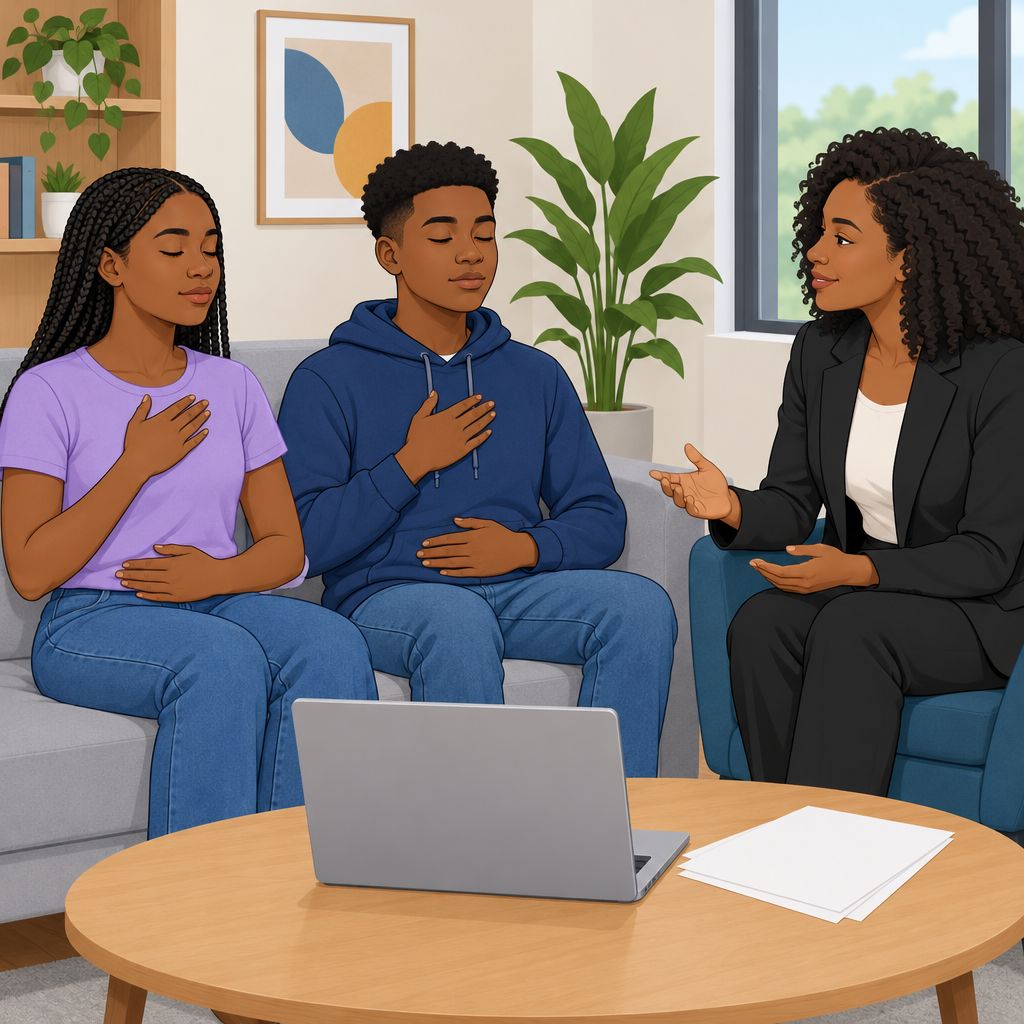
Available Mental Health Resources
Different resources can offer information, guidance, or professional support.
Helplines may provide immediate support during a crisis.
Support groups and counseling can help teens address mental health concerns.
- Helplines can provide immediate support and guidance for teens in crisis.
- Support groups can offer community and understanding to people facing mental health challenges.
- Counseling services can help teens address their mental health concerns professionally.
- Online resources can provide mental health information and support.
Encouraging Teens and Families to Seek Help
Families can make help seeking easier by discussing mental health openly.
Clear information can help teens understand where to seek support.
Active listening can help families respond when teens face challenges.
- Normalize mental health discussions within families and communities.
- Provide information about available resources and access methods.
- Encourage open communication and active listening within the family.
- Model self-care practices and help seeking when challenges arise.
- Empower teens to prioritize mental health and seek support when needed.
Removing access barriers can help more Nigerian teens reach mental health support.
A supportive culture can encourage teens and families to seek help when needed.
Delve into the Subject: Nigerian Dental Technology Professional Bodies
Foster Positive Relationships
Building positive relationships helps Nigerian teens protect their mental well-being.
Social support helps them manage daily challenges with greater confidence.
Moreover, trusted connections create belonging, encouragement, and emotional stability.
Bullying and peer pressure can damage a teen’s mental well-being.
These experiences may increase isolation, fear, and emotional distress.
Therefore, adults should teach teens to recognize harmful behavior and seek help.
Open communication and empathy can help teens feel safer and less vulnerable.
Teens can find supportive peers through group activities, clubs, or sports.
Like-minded friends can share values, interests, encouragement, and practical support.
In addition, parents, teachers, and counselors can provide guidance and trust.
Teens should practice clear communication, healthy boundaries, and regular self-care.
Expressing thoughts and feelings openly can strengthen meaningful connections.
Consequently, positive relationships can help teens develop social skills and reliable support systems.
Gain More Insights: History and Evolution of Physiotherapy in Nigeria
Cultural Stigma and Mental Health in Nigeria
Mental health stigma remains common in Nigerian society.
Some people view mental health concerns as weakness or a lack of faith.
Consequently, stigma can discourage teenagers from seeking help and support.
Advocating for Mental Health Acceptance
Nigeria can reduce stigma through awareness and understanding.
Open discussions can challenge negative perceptions and attitudes about mental health.
Furthermore, education can encourage people to seek help when they need it.
Culturally Sensitive Mental Health Conversations
Cultural sensitivity can make mental health conversations more meaningful for Nigerian teens.
Understanding cultural beliefs and practices can support respectful discussions.
Therefore, culturally appropriate resources may help teens feel more comfortable seeking support.
Creating Supportive Environments for Nigerian Teens
Addressing cultural stigma is essential to preventing mental health issues among Nigerian teens.
A supportive environment can make it easier for teens to discuss mental health needs.
Through acceptance and support, communities can promote help-seeking without judgment.
Teaching coping skills is essential for preventing mental health issues among Nigerian teens.
These skills help teens manage stress and emotions effectively.
They also help teenagers respond to difficult situations with greater resilience.
Furthermore, healthy coping habits can support better mental and emotional well-being.
Importance of Coping Skills
Healthy coping mechanisms help teens manage stress and emotions effectively.
Moreover, these mechanisms help teenagers navigate difficult situations with resilience and positivity.
Consequently, effective coping skills can support stronger mental and emotional well-being.
- Developing healthy coping mechanisms helps manage stress and emotions effectively.
- These skills enable teens to navigate difficult situations with resilience and positivity.
- Effective coping skills lead to better mental and emotional well-being.
Strategies for Managing Mental Health Issues
Teens can use practical techniques to manage anxiety and process difficult emotions.
Additionally, physical activity and social support can help teens cope with depression.
Creative expression can also help teenagers process emotions and reduce mental health symptoms.
- Deep breathing and mindfulness exercises can help teens manage anxiety.
- Physical activity and social support can provide coping strategies for depression.
- Journaling or creative expression can help process emotions and reduce mental health symptoms.
Professional Support for Persistent Mental Health Issues
Persistent mental health issues may require support from trained professionals.
Therefore, teens should feel comfortable contacting counselors or therapists for guidance.
Professional intervention remains important when mental health conditions become more serious.
- Seeking help from mental health professionals can support teens with persistent issues.
- Counselors and therapists can offer support and guidance.
- Professional intervention can address more serious mental health conditions.
Teaching coping skills can empower Nigerian teens to prioritize their mental well-being.
Providing practical strategies can help teens manage mental health challenges.
Encouraging timely professional support can help prevent mental health issues from worsening.
Regular Check-ins and Teen Mental Health
Regular check-ins help caregivers notice emotional changes in Nigerian teens.
They also strengthen connection and create opportunities to address concerns before those concerns escalate.
Consistent conversations can help teens feel supported when they experience difficult emotions.
Practical Ways to Monitor Changes
Parents and caregivers can monitor behavior without making teens feel watched.
They should compare current patterns with usual behavior and consider changes lasting over time.
A calm, respectful approach makes it easier to notice concerns and respond thoughtfully.
- Notice sudden mood swings, social withdrawal, or changes in sleep patterns.
- Invite honest conversations about feelings without criticism or judgment.
- Seek professional guidance when emotional or behavioral changes continue.
Creating Safe Mental Health Conversations
Open dialogue gives teens a safe way to describe feelings and experiences.
Caregivers should listen carefully, avoid judgment, and allow teens time to respond.
When concerns persist, a mental health professional can offer guidance and support.
Regular attention and supportive communication help caregivers protect teen mental well-being.
Community Action for Teen Mental Wellness
Proactive community action can help address mental health concerns among Nigerian teens.
Awareness and accessible support can create a more supportive environment for young people.
Parents, educators, and policymakers must work together to prevent mental health challenges.
Open communication and available mental health resources can strengthen this shared effort.
Early action can reduce the risk of longer-term depression and anxiety.
Finally, community advocacy can support initiatives that help Nigerian teens thrive.
Additional Resources
Google search results for Preventing Mental Health Issues in Nigerian Teens Medical
Bing search results for Preventing Mental Health Issues in Nigerian Teens Medical


