



Introduction to Optometry in Nigeria
Optometrists in Nigeria provide essential eye care and support vision health.
They serve a crucial role in addressing eye-related needs across the population.
However, several obstacles limit their ability to deliver comprehensive services.
Challenges Affecting Optometrists in Nigeria
Several pressures affect the quality, availability, and reach of optometric services throughout Nigeria.
These difficulties affect both optometrists and the patients who depend on their services.
Therefore, addressing these barriers remains important for stronger eye care delivery.
Limited Resources: Limited equipment, technology, and funding restrict comprehensive eye care services.
Consequently, optometrists may struggle to meet patients’ full eye care needs.
High Service Demand: Population growth and rising eye disease cases increase demand for optometric services.
As a result, patients may experience longer waiting times before receiving care.
Regulatory Constraints: Regulatory limits restrict the scope of practice for optometrists in Nigeria.
These restrictions can prevent them from providing certain advanced eye care services.
Low Eye Health Awareness: Many people have limited awareness of the importance of eye health.
Therefore, some patients present late with eye conditions that require professional attention.
Rural Access Difficulties: Rural optometrists often work with limited resources and weak referral systems.
Furthermore, reaching remote communities can make regular eye care delivery difficult.
Improved resources would help optometrists provide more complete services.
Regulatory reforms could also expand appropriate access to advanced eye care.
Greater public awareness would encourage earlier attention to eye conditions.
Lack of adequate training and resources:
- Shortage of qualified trainers and educators
- Limited access to modern equipment and technologies
- Insufficient funding for educational programs
Challenges Faced by Optometrists in Nigeria
Optometrists in Nigeria face numerous challenges that hinder quality eye care services.
One pressing issue involves inadequate training and limited resources within the optometry field.
These shortages significantly affect eye care delivery across the country.
Addressing these challenges requires support from government authorities, educational institutions, and healthcare organizations.
Shortage of Qualified Trainers and Educators
Nigeria has limited qualified trainers and educators in optometry.
Experienced professionals train the next generation of optometrists.
Without adequate training, new optometrists may lack skills and knowledge for quality patient care.
Limited Access to Modern Equipment and Technologies
Many Nigerian eye care facilities lack modern equipment and technologies.
These tools help professionals diagnose and treat various eye conditions effectively.
Limited access reduces care quality and restricts the services optometrists can provide.
Insufficient Funding for Educational Programs
Optometrists also face insufficient funding for educational programs.
Financial limitations create obstacles for aspiring optometrists seeking quality education.
The funding gap affects curricula, faculty, and the overall quality of optometry education.
These educational limitations can affect the future supply of well-trained professionals.
Government authorities can invest in training programs and modern equipment.
Educational institutions and healthcare organizations can help secure funding for optometry education.
These efforts can improve eye care services and support optometrists in protecting vision and eye health.
Limited Government Support and Recognition
Government support for optometry remains limited in Nigeria.
This gap affects how consistently optometrists deliver eye care services.
Consequently, professionals face regulatory, operational, and career development challenges.
Transform Your Career with Expert Guidance
Get personalized mentorship consulting that’s tailored to your unique path. Our expert advice is actionable and exclusive.
Get StartedProfessional Regulation
Government agencies do not enforce stringent policies that regulate optometric practice.
This weak oversight allows different standards to guide professional activities.
As a result, the public may receive eye care services of varying quality.
Standardization of Optometric Practices
Government oversight does not establish uniform procedures for optometrists across Nigeria.
Therefore, professionals may approach diagnosis and treatment in different ways.
These inconsistencies can affect the outcomes that patients receive.
Career Advancement Opportunities
Optometrists have limited opportunities for further education, training, and specialization.
Moreover, restricted career development options can slow professional advancement.
Without stronger support, some practitioners may experience stagnation and limited professional growth.
Uncover the Details: Common Physiotherapy Treatments in Nigerian Clinics
Market Competition and Saturation Among Nigerian Optometrists
- More optometry schools and graduates are entering the field.
- Optometrists face difficulty finding jobs or establishing private practices.
- Professionals must differentiate their services and attract clients.
Optometrists in Nigeria face intense competition because more schools produce more graduates.
As a result, professionals compete for limited employment opportunities.
Consequently, finding stable work can become difficult.
Those who establish private practices must also attract clients within a crowded market.
Therefore, optometrists need distinctive services that appeal to potential clients.
Meanwhile, financial uncertainty and job insecurity can affect professionals who struggle to secure stable work.
To succeed, optometrists must adapt their services and respond creatively to market demands.
See Related Content: Biomedical Technology: Case Studies in Nigeria
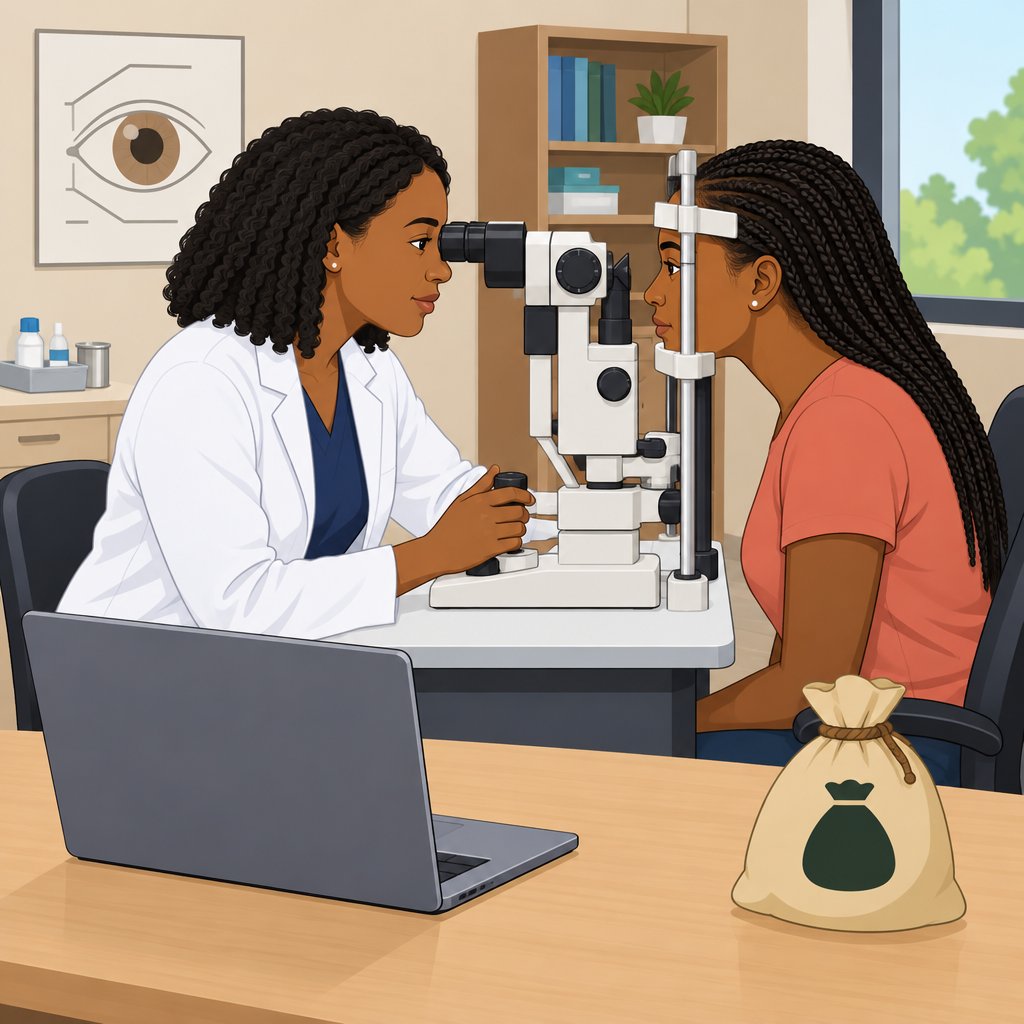
Public Awareness and Perceptions of Optometry
Many Nigerians misunderstand optometrists and their responsibilities within the healthcare system.
These misconceptions can weaken public trust in the quality of optometric care.
Furthermore, many people lack basic knowledge about eye health and routine examinations.
- Misconceptions about optometrists and their healthcare responsibilities
- Limited understanding of eye health and regular check-ups
- Need for advocacy and educational campaigns
People may overlook regular check-ups because they do not recognize preventable risks.
Consequently, limited awareness can reduce the use of optometric services.
Neglect can also allow preventable eye conditions to persist.
Therefore, advocacy and educational campaigns should explain optometrists’ roles clearly.
These efforts can encourage regular examinations and promote healthier eye-care decisions.
You Might Also Like: How to Choose a Physiotherapist in Nigeria
Financial Constraints Affecting Optometric Practice in Nigeria
- High costs for training, equipment, and practice setup
- Challenges in setting affordable prices for services
- Limited insurance coverage for eye care services
Optometrists in Nigeria face significant financial constraints affecting training, equipment purchases, and practice development.
Training, specialized equipment, and clinic setup require substantial financial investment.
These expenses can overwhelm practitioners, particularly during the early stages of their careers.
As a result, many practitioners may struggle to maintain financial stability while building their practices.
Meanwhile, optometrists must set prices that patients can afford while covering their practice expenses.
However, balancing service quality, competitive fees, and operating costs remains difficult.
Therefore, practitioners must consider local financial limitations when pricing eye care services.
Limited insurance coverage creates another financial challenge for optometrists and their patients.
Many individuals lack comprehensive health insurance that includes vision care.
Consequently, patients may struggle to pay directly for eye examinations, glasses, or contact lenses.
This situation can reduce patient access and make it harder for practices to attract clients.
Additionally, limited coverage can weaken practice income and restrict access to essential eye care.
Explore Further: Preventing Mental Health Issues in Nigerian Teens
Workforce Migration and Brain Drain Among Nigerian Optometrists
Workforce migration and brain drain create significant challenges for optometrists in Nigeria.
Many skilled optometrists leave Nigeria to pursue better opportunities abroad.
This movement reduces the number of qualified professionals serving communities across the country.
- Optometrists leave Nigeria for better opportunities abroad.
- The migration affects eye care availability and quality.
- Retention policies and professional incentives can support skilled optometrists.
Optometrists Seeking Opportunities Abroad
Nigerian optometrists increasingly seek employment in countries offering better pay and working conditions.
Higher salaries can attract professionals who face limited financial opportunities within Nigeria.
Moreover, advanced technology and professional development opportunities encourage optometrists to relocate.
Effects on Eye Care Availability and Quality
The departure of optometrists creates shortages within Nigeria’s eye care workforce.
Patients may experience longer waiting times when fewer professionals serve growing communities.
Meanwhile, workforce shortages make it harder to meet demand for consistent, quality eye care.
Policies and Incentives for Professional Retention
The Nigerian government and relevant stakeholders need policies that encourage skilled optometrists to remain.
Competitive salaries can improve retention by addressing important financial pressures facing professionals.
Furthermore, continuing education, training access, and supportive workplaces can strengthen professional commitment.
Strengthening Optometric Care in Nigeria
Optometrists in Nigeria face numerous challenges when providing eye care services.
These challenges include inadequate resources, limited government support, restricted training access, and poor infrastructure.
Therefore, the government, healthcare organizations, and professionals should provide optometrists with adequate funding, support, and training.
Such action can strengthen the optometry sector and improve eye health across the country.
Moreover, investment can reduce the burden of vision-related diseases and enhance the population’s overall well-being.
Additional Resources
Google search results for Challenges Faced by Optometrists in Nigeria Medical
Bing search results for Challenges Faced by Optometrists in Nigeria Medical


