



Introduction
Gynaecological surgery in Nigeria has witnessed significant improvements over the years.
These improvements provide better care for women’s reproductive health.
Moreover, surgical advances support timely and effective treatment of various gynaecological conditions.
Historical Perspective of Gynaecological Surgery in Nigeria
The history of gynaecological surgery in Nigeria dates back to ancient times.
Traditional methods addressed various gynaecological conditions during earlier periods.
Over time, medical advances changed surgical practices and improved patient care.
- Evolution of Surgical Techniques and Practices
Early practitioners used rudimentary tools and lacked modern anesthesia and infection control measures.
Consequently, these limitations increased the challenges associated with gynaecological surgery.
Advances in medical science and technology later introduced more sophisticated procedures.
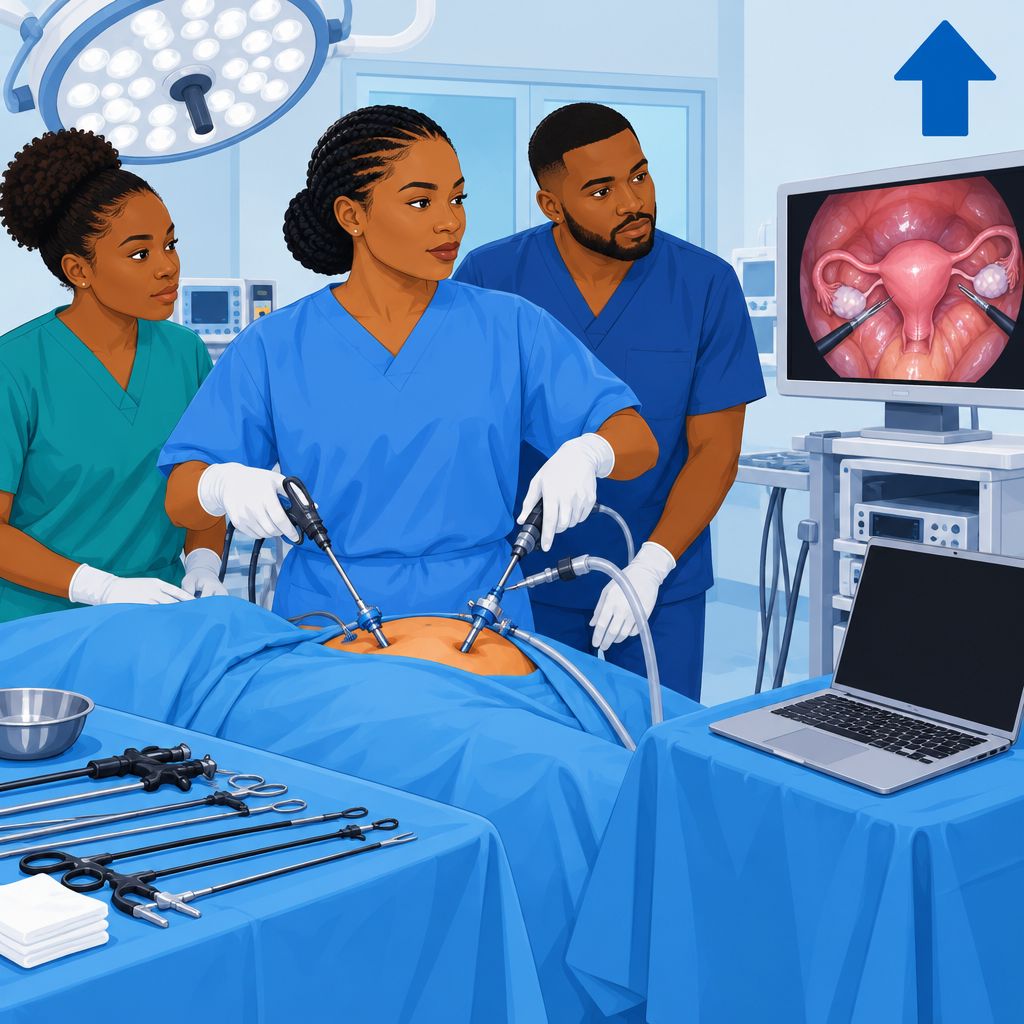
Laparoscopic surgery became a key milestone in this development.
This minimally invasive technique uses smaller incisions for complex gynaecological procedures.
Therefore, patients may experience shorter recovery times and fewer complications.
- Impact of Traditional Beliefs on Gynaecological Surgery
Traditional beliefs and cultural practices continue to influence how women seek medical care.
In some communities, stigma surrounding gynaecological conditions delays diagnosis and treatment.
Many patients prefer traditional healers or herbal remedies over conventional medical treatment.
This preference can lead to advanced disease when patients reach healthcare facilities.
Advanced disease makes surgical intervention more challenging and risky.
Education and awareness campaigns can challenge myths about gynaecological surgery.
Accurate health information helps women understand available treatment options.
Consequently, informed decisions can reduce traditional beliefs’ effects on surgical outcomes.
Current Landscape of Gynaecological Surgeries in Nigeria
Gynaecological surgery in Nigeria now offers women more options for treating reproductive health conditions.
These services address conditions requiring surgical intervention and support more effective patient care.
Healthcare institutions continue improving surgical services through equipment, training, and partnerships.
Common Types of Gynaecological Surgeries
Nigerian hospitals perform several gynaecological procedures for different medical conditions.
Some operations remove affected reproductive organs, while others preserve them whenever possible.
Doctors select each procedure according to the patient’s condition and treatment needs.
- Hysterectomy removes the uterus to treat fibroids, endometriosis, or cancer.
- Oophorectomy removes one or both ovaries to treat cysts, endometriosis, or ovarian cancer.
- Myomectomy removes uterine fibroids while preserving the uterus.
- Tubal ligation blocks or seals the fallopian tubes to prevent pregnancy permanently.
- Endometrial ablation removes the uterine lining to treat heavy menstrual bleeding.
These procedures provide different treatment and reproductive health options for women.
Myomectomy preserves the uterus, unlike procedures that remove reproductive organs.
Access to these operations has increased as gynaecological surgical services expand.
Specialized Equipment and Trained Personnel
Hospitals and clinics increasingly use specialized equipment for gynaecological surgery.
Trained surgeons and support staff help facilities perform complex procedures more effectively.
Healthcare institutions also use partnerships and minimally invasive techniques to strengthen surgical care.
- Advanced equipment helps surgeons perform gynaecological procedures with greater precision.
- Training strengthens surgeons’ and support staff’s knowledge of complex procedures.
- Laparoscopic and robotic-assisted techniques can support faster recovery and fewer complications.
- International partnerships provide expertise, training, and resources for patient care.
- Healthcare providers target rural areas to expand access to quality gynaecological services.
Explore Further: Innovations in Nigerian Physiotherapy Practices
Technological Advancements in Gynaecological Surgery
Technological advancements have transformed how gynaecological procedures occur in Nigeria.
Minimally invasive techniques, such as laparoscopy, have improved surgical outcomes.
These developments support more precise procedures and better recovery experiences for patients.
Benefits of Technological Advancements
- Technological advancements allow greater precision during gynaecological surgeries, reducing the risk of complications.
- Minimally invasive techniques create smaller incisions, which reduce the risk of post-operative infections.
- Patients usually recover faster after minimally invasive procedures than after traditional open surgeries.
- Patients may leave the hospital sooner because these procedures cause less physical disruption.
- Minimally invasive techniques reduce pain and scarring by causing less trauma to the body.
Minimally Invasive Surgical Techniques
- Laparoscopy uses small incisions for inserting a camera and surgical tools during procedures.
- Hysteroscopy examines and treats uterine problems using a thin, lighted tube through the cervix.
- Robot-assisted surgery helps surgeons perform intricate gynaecological procedures with greater precision.
These techniques have gained wide adoption in Nigeria because they offer several surgical benefits.
Consequently, patients can undergo gynaecological surgeries with reduced risks and shorter recovery times.
They also support improved outcomes throughout the surgical process.
As technology advances, innovative techniques may further improve gynaecological surgical care in Nigeria.
Transform Your Career with Expert Guidance
Get personalized mentorship consulting that’s tailored to your unique path. Our expert advice is actionable and exclusive.
Get StartedFuture developments may enhance the quality of care provided to women.
Find Out More: Innovations in Eye Care by Nigerian Optometrists
Training and Education for Gynaecological Surgeons in Nigeria
Continuous learning remains essential for gynaecological surgeons in Nigeria.
It helps surgeons strengthen their skills and follow advances in gynaecological surgery.
Furthermore, continuing education introduces new techniques, procedures, and technologies that may improve patient outcomes.
Continuous Learning and Skill Development
Ongoing education expands knowledge, sharpens clinical judgment, and supports better surgical decisions.
Skill development also improves technical ability, surgical efficiency, and complication prevention.
Hands-on training allows surgeons to practise procedures and deliver safer, more effective care.
Additionally, structured training helps surgeons master new techniques and technologies.
These abilities expand treatment options and support improved clinical outcomes.
Collaboration with International Partners for Training Opportunities
International partnerships provide Nigerian gynaecological surgeons with valuable training opportunities.
Renowned institutions and experienced surgeons can offer advanced programmes and specialised workshops.
Moreover, exchange programmes, conferences, and practical sessions expose surgeons to innovative techniques.
International experts can also share global trends and established surgical practices.
Professional associations provide resources, information, and mentorship that support continued development.
These collaborations encourage knowledge exchange between Nigerian surgeons and their international counterparts.
Strong training systems can advance gynaecological surgery and improve patient care in Nigeria.
They also help surgeons maintain high standards and contribute to the specialty’s development.
Learn More: Challenges in the Radiography Profession in Nigeria
Challenges Faced in Advancing Gynaecological Surgery in Nigeria
Gynaecological surgery in Nigeria faces barriers that affect access and service delivery.
Limited resources and high costs create difficulties for patients and surgeons.
Together, these challenges hinder the availability of safe and effective surgical interventions.
Limited Access to Modern Equipment and Resources
Limited resources remain a major challenge for gynaecological surgery in Nigeria.
Many hospitals and healthcare facilities lack tools and technology for complex procedures.
Consequently, surgeons cannot always provide the best possible care.
High Surgical Costs and Limited Insurance Coverage
Moreover, high surgical costs restrict access to necessary gynaecological procedures.
Many women cannot afford these expenses, which can delay or limit treatment.
Lack of insurance coverage further increases the financial burden on patients.
These barriers restrict the types of surgeries that surgeons can perform.
They also affect the quality of care available to patients.
Therefore, addressing these challenges remains crucial for improving surgical care.
You Might Also Like: Continuing Education for Optometrists in Nigeria
Advances in Gynaecological Surgery in Nigeria
Nigeria has made significant advances in gynaecological surgery over the years.
These advances address surgical challenges and improve access to reproductive healthcare.
They also encourage locally appropriate solutions for women requiring surgical care.
Innovations in Gynaecological Surgery in Nigeria
Healthcare professionals have developed practical approaches for addressing surgical challenges within Nigeria.
These approaches use available resources and respond to patients’ specific needs.
Furthermore, awareness initiatives help women understand available surgical treatment options.
Development of Locally Sourced Solutions for Surgical Challenges
- Surgeons and healthcare professionals have created locally sourced solutions for several surgical challenges.
- They collaborate to develop techniques using materials readily available within Nigeria.
- These solutions reduce reliance on imported surgical equipment.
- They can improve surgical efficiency while lowering procedure costs.
- Lower costs can make gynaecological procedures more accessible to a wider population.
- Moreover, Nigerian medical experts customize surgical approaches according to patients’ needs.
- Customized approaches can support better outcomes and reduce surgical risks.
Initiatives to Increase Awareness and Access to Gynaecological Surgeries
- Several initiatives increase awareness of gynaecological conditions and surgical treatment options.
- Medical professionals educate the public about early detection and timely intervention.
- They encourage women to seek assistance when gynaecological concerns arise.
- Healthcare organizations, government agencies, and nonprofit groups support outreach programs.
- These programs provide information about surgeries and related patient support services.
- Additionally, awareness efforts help reduce stigma surrounding gynaecological surgeries.
- They promote regular check-ups and screenings as part of reproductive healthcare.
These innovations can strengthen women’s access to appropriate gynaecological surgical care.
Continued support and investment can help Nigeria improve reproductive health outcomes.
Consequently, locally developed solutions and awareness programs remain important for future progress.
Benefits of Improved Surgical Care
Recent surgical progress has expanded safer and more effective treatment options for women with gynaecological conditions.
These options can improve health outcomes and help reduce complications and mortality associated with surgical care.
Consequently, women can access higher-quality care that supports their well-being and longevity.
Priorities for Future Surgical Care
Continued investment can strengthen gynaecological surgical services and improve healthcare for women across Nigeria.
Stakeholders should advocate for greater resources, stronger training, and further research in gynaecological surgery.
Furthermore, raising awareness can help every woman receive safe, effective, and compassionate surgical care.
Additional Resources
Google search results for Advances in Gynaecological Surgery in Nigeria Medical
Bing search results for Advances in Gynaecological Surgery in Nigeria Medical


