



Introduction
Prenatal care plays a crucial role in protecting mothers and babies in Nigeria.
Nigeria records approximately 512 maternal deaths per 100,000 live births.
However, limited infrastructure and healthcare facilities make prenatal care difficult to access.
Importance of Early Prenatal Care
Early prenatal care supports the health of both the mother and unborn child.
It helps health professionals identify and address potential issues promptly.
Therefore, it establishes a foundation for a healthy pregnancy.
Benefits of Early Detection and Management
Providers can assess changing needs throughout pregnancy.
Care teams can respond sooner when concerns appear.
Additionally, regular visits support informed decisions about maternal and fetal health.
- Early detection of pregnancy-related complications allows timely interventions and can reduce childbirth risks.
- Regular prenatal visits help providers monitor maternal health and manage underlying conditions effectively.
- Health professionals can provide guidance on nutrition, exercise, and lifestyle factors affecting pregnancy outcomes.
- Early care enables providers to explain how prenatal vitamins support fetal development.
- It also builds communication and trust between expectant mothers and healthcare providers.
Components of Prenatal Care Guidelines in Nigeria
Health authorities recommend several prenatal care components in Nigeria.
These components support the health of both the mother and the unborn child.
They also help providers monitor pregnancy progress and address emerging concerns.
- Standard prenatal care: It includes regular check-ups, ultrasounds, blood tests, and nutritional counseling.
- Regular prenatal check-ups: They monitor pregnancy progress, detect complications early, guide healthy habits, and address concerns.
- Ultrasounds: They help providers assess growth, development, gestational age, health, abnormalities, and parental bonding opportunities.
- Blood tests: They screen for anemia, infections, blood disorders, and gestational diabetes, enabling timely care.
- Nutritional counseling: It guides expectant mothers toward balanced diets, appropriate supplements, and healthy eating habits.
Following these guidelines supports a healthy pregnancy and safe delivery.
Expectant mothers can receive needed care and support throughout pregnancy by following them.
Find Out More: Top Anatomy Conferences and Seminars in Nigeria
Essential Nutrients During Pregnancy
Nutrition supports the health of mothers and babies during prenatal care in Nigeria.
A varied diet helps pregnant women receive nutrients needed throughout pregnancy.
Healthcare providers can help women choose foods that meet their individual needs.
- Protein supports the baby’s proper growth and development.
- Folic acid helps prevent neural tube defects and supports brain development.
- Iron supports red blood cell production and helps prevent anemia.
- Calcium supports the baby’s bone development.
- Omega-3 fatty acids support the baby’s brain and eye development.
- Vitamin D helps the body absorb calcium and promotes bone health.
Balanced Foods and Hydration
Pregnant women should eat fruits, vegetables, whole grains, lean proteins, and dairy products.
Together, these foods provide a balanced range of necessary nutrients.
In addition, drinking plenty of water supports hydration and body functions during pregnancy.
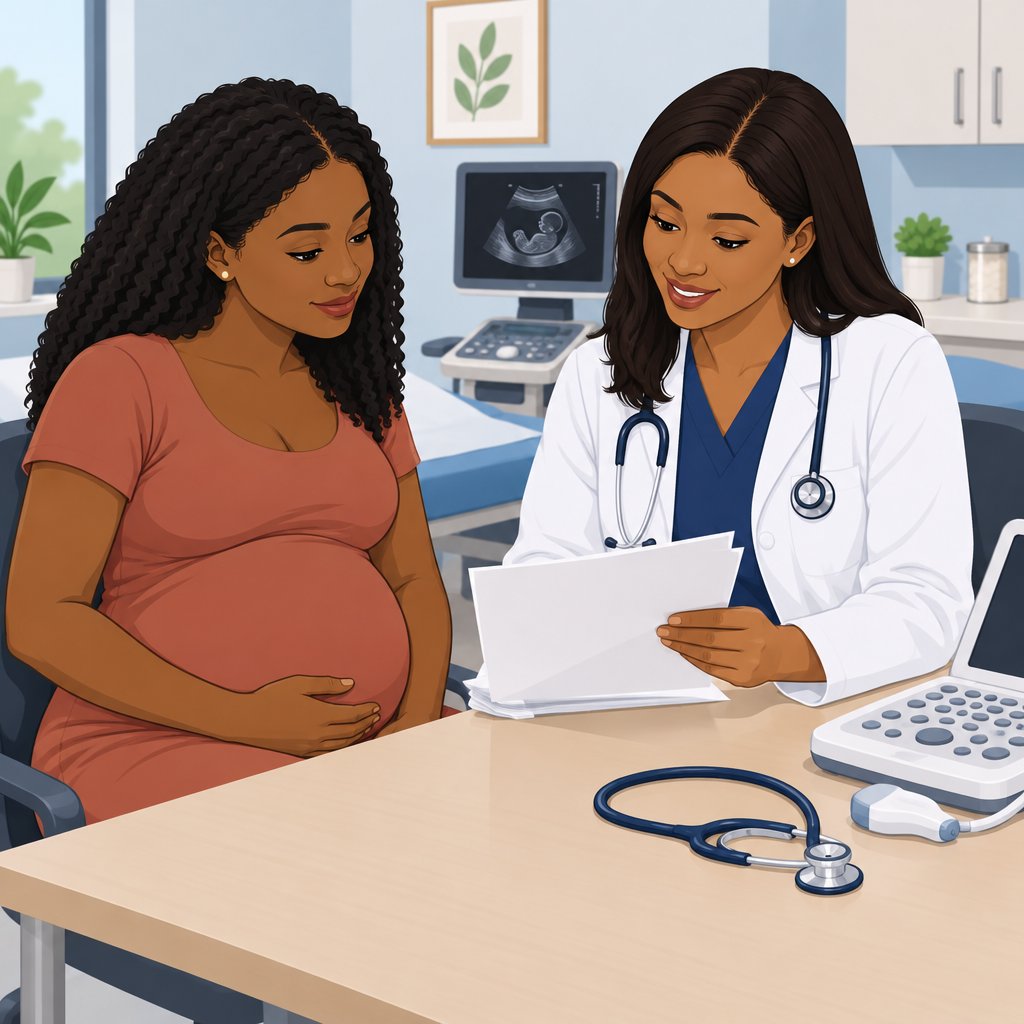
Substances to Avoid During Pregnancy
Pregnant women should avoid alcohol because it can harm the developing baby.
Alcohol can also cause a range of birth defects.
They should also avoid tobacco and illicit drugs because these substances can harm mother and baby.
Meanwhile, women should limit caffeine to a moderate amount during pregnancy.
Excessive caffeine consumption can lead to complications during pregnancy.
A healthcare provider or nutritionist can help create a diet plan for each pregnant woman.
Such guidance can address the individual needs of the woman and her baby.
Find Out More: Physiotherapy for Respiratory Issues in Nigeria
Recommended Vaccinations During Pregnancy
Vaccination during pregnancy can protect women and their unborn babies from serious diseases.
Healthcare providers can recommend suitable vaccines based on each woman’s health needs.
Women should discuss vaccination timing with qualified healthcare professionals during prenatal visits.
- Tetanus toxoid: This vaccine helps protect mothers and babies from tetanus.
- Influenza vaccine: The flu shot can reduce serious flu complications during pregnancy.
- Hepatitis B vaccine: This vaccine protects against infection that can pass to babies during childbirth.
- Rubella vaccine: This vaccine helps prevent rubella, which can cause birth defects.
Vaccination Timing and Protection
Receiving vaccines at appropriate times supports protection for both mother and baby.
Healthcare providers can explain dose schedules and address questions about vaccine safety.
Women should complete recommended vaccine series unless a healthcare provider advises otherwise.
- Tetanus toxoid: The first dose should ideally occur early in pregnancy.
- The second tetanus dose usually follows four weeks after the first dose.
- Influenza vaccine: Women can receive the flu shot during the stated flu season.
- The provided guidance identifies October through May as Nigeria’s typical flu season.
- Hepatitis B vaccine: The series usually includes three doses over several months.
- Completing the series helps protect women and their babies from hepatitis B infection.
- Rubella vaccine: Healthcare providers typically recommend vaccination before pregnancy.
- The vaccine is commonly included in the measles, mumps, and rubella vaccine.
Explore Further: Role of Biomedical Technologists in Nigerian Hospitals
Monitoring Fetal Development
During prenatal care visits, healthcare providers use several methods to monitor fetal growth and development.
These methods help providers assess whether the pregnancy is progressing normally.
They also provide information about fetal well-being.
Methods for Monitoring Fetal Growth
- Ultrasound provides non-invasive images that help doctors track fetal growth and development.
- A fetal Doppler uses sound waves to detect the baby’s heartbeat, heart rate, and rhythm.
- Fundal height measurement helps providers estimate fetal growth and assess the baby’s development.
- Maternal blood tests measure hormone levels and screen for genetic disorders and infections.
- A non-stress test monitors the baby’s heart rate in response to movement and provides information about fetal well-being.
Importance of Fetal Movement and Heart Rate Monitoring
- Healthcare providers can detect fetal distress, abnormal heart rhythms, or growth restrictions through movement and heart-rate monitoring.
- These measurements help providers assess fetal health and plan timely interventions when necessary.
- Regular monitoring can help detect warning signs associated with stillbirth early.
- Timely detection of fetal abnormalities supports management strategies that improve outcomes for mother and baby.
- Feeling movement and hearing the heartbeat can strengthen the mother’s bond with the baby.
Therefore, monitoring fetal movement and heart rate remains an important part of prenatal care.
Transform Your Career with Expert Guidance
Get personalized mentorship consulting that’s tailored to your unique path. Our expert advice is actionable and exclusive.
Get StartedYou Might Also Like: Physiotherapy Equipment: Nigerian Clinics Essentials
Addressing Common Pregnancy Concerns
During pregnancy, many women experience discomforts such as morning sickness, fatigue, and back pain.
These concerns can affect daily activities and comfort.
Therefore, women should learn practical ways to manage them during pregnancy.
Advice for Managing Common Pregnancy Discomforts
Small, consistent steps can help women manage common discomforts.
For example, dietary choices, rest, and gentle activity may provide support.
However, each woman should choose approaches that suit her needs.
- For morning sickness, eat small, frequent meals, stay hydrated, and try ginger tea or candies to ease nausea.
- To combat fatigue, prioritize rest and relaxation, while taking short naps to boost energy levels.
- For back pain, practice good posture and try gentle exercises like prenatal yoga or swimming.
When Medical Evaluation Becomes Important
Some symptoms require professional evaluation during pregnancy.
Persistent or severe symptoms can interfere with daily activities and require appropriate care.
Therefore, women should contact their healthcare providers when symptoms become concerning.
- Consult your healthcare provider if severe or persistent morning sickness disrupts daily activities.
- Seek medical attention for extreme fatigue, dizziness, or shortness of breath.
- These symptoms could indicate an underlying health issue.
- Talk to your doctor about intense or persistent back pain that does not improve with rest or gentle exercise.
Open communication with your healthcare provider helps address concerns during pregnancy.
Healthcare providers can guide symptom management and support the well-being of both mother and baby.
Supporting a Healthy Pregnancy and Safe Delivery
Pregnant women in Nigeria should prioritize prenatal care throughout pregnancy.
Regular check-ups, proper nutrition, and medical guidance support maternal and fetal well-being.
Additionally, women should recognize potential risks and seek medical attention promptly when concerns arise.
Following prenatal care guidelines can reduce complications and support a successful delivery.
Therefore, mothers should keep their health and their babies’ health as top priorities.
By staying informed and maintaining regular healthcare contact, expectant mothers can support a healthy start for their newborns.
Additional Resources
Google search results for Prenatal Care Guidelines in Nigeria Medical
Bing search results for Prenatal Care Guidelines in Nigeria Medical


