



Maternal Health Challenges in Nigeria
Nigeria faces pressing maternal health challenges during pregnancy and childbirth.
Women experience inadequate access to healthcare services and skilled birth attendants.
They also face high maternal mortality rates.
Addressing these challenges can improve maternal well-being and reduce maternal mortality rates.
Therefore, Nigeria must prioritize quality maternal healthcare before, during, and after childbirth.
This section examines key factors contributing to these challenges and explores potential solutions.
Factors Behind Nigeria’s Maternal Mortality Rate
Nigeria records one of the world’s highest maternal mortality rates.
The World Bank reported 917 maternal deaths per 100,000 live births in 2017.
Limited access to quality healthcare services contributes substantially to these maternal deaths.
Additionally, Nigeria lacks enough skilled healthcare providers and adequate medical facilities.
Poor infrastructure further limits timely access to essential maternal healthcare.
Furthermore, cultural and societal beliefs can discourage women from seeking appropriate maternal healthcare promptly.
High poverty levels also restrict access to essential maternal health services.
Consequently, preventable conditions can result in maternal deaths.
Obstetric complications and unsafe abortions further increase Nigeria’s maternal health risks.
Finally, limited sexual education and family planning services create additional maternal health challenges.
Access to Maternal Healthcare Services
Many pregnant women in Nigeria cannot access healthcare services during pregnancy, childbirth, and the postpartum period.
Consequently, inadequate access prevents women from receiving timely, quality maternal care.
Healthcare facilities and services often fail to meet the needs of pregnant women.
Implications of Limited Maternal Care
Limited access increases the risk of maternal death, obstructed labor, and postpartum hemorrhage.
Timely intervention could prevent or treat many of these complications.
Additionally, inadequate care contributes to low birth weight, neonatal mortality, and maternal morbidity.
These outcomes affect mothers, children, families, and communities over the long term.
Disparities in Healthcare Access
Healthcare access differs significantly between urban and rural areas in Nigeria.
Urban facilities generally offer better equipment, trained professionals, medicines, and essential supplies.
However, rural women may travel long distances to reach facilities with limited services.
These conditions contribute to poorer maternal health outcomes in rural communities.
Strengthening Access to Maternal Care
Improving access requires stronger healthcare infrastructure across urban and rural communities.
Health systems must connect pregnant women with timely, quality care throughout pregnancy and childbirth.
Bridging access gaps can improve maternal health outcomes and reduce preventable deaths.
Uncover the Details: Popular Physiotherapy Workshops in Nigeria
Cultural and Societal Factors
Cultural beliefs and practices shape maternal health decisions across Nigeria.
These influences can support care or hinder access to skilled assistance.
Traditional practices and pregnancy misconceptions may affect timely medical attention.
- Analyze how cultural beliefs and practices influence maternal health.
- Discuss how societal norms and traditions affect pregnancy and childbirth.
- Explore stigma surrounding reproductive health issues in Nigeria.
Influence of Cultural Beliefs and Practices on Maternal Health
Cultural beliefs and practices strongly influence maternal health outcomes in Nigeria.
They can either support healthy decisions or restrict access to quality maternal healthcare.
For example, some communities prefer home births attended by traditional birth attendants.
However, home births may create serious risks when complications require skilled medical intervention.
Additionally, reproductive health taboos can prevent women from discussing pregnancy concerns openly.
Consequently, women may delay prenatal care or avoid essential medical interventions.
Transform Your Career with Expert Guidance
Get personalized mentorship consulting that’s tailored to your unique path. Our expert advice is actionable and exclusive.
Get StartedImpact of Societal Norms and Traditions on Women’s Health
Societal norms and traditions shape women’s experiences during pregnancy and childbirth.
Gender expectations can influence healthcare decisions and limit women’s personal choices.
In many communities, women must prioritize caregiving and household responsibilities.
As a result, some women neglect their own health needs.
This pressure can delay prenatal care and increase health risks during pregnancy.
Furthermore, female genital mutilation can cause lasting physical and psychological harm.
It may also complicate pregnancy and increase the likelihood of childbirth complications.
Stigma Surrounding Reproductive Health Issues in Nigeria
Nigerian society often stigmatizes reproductive health concerns, including maternal health issues.
People may judge discussions about fertility, contraception, and maternal well-being.
Therefore, some women hesitate to seek necessary healthcare services.
Stigma can also spread myths and misconceptions about reproductive health.
These misconceptions limit access to accurate information and appropriate care.
Education can challenge harmful traditions and promote informed maternal health decisions.
Women also need support that respects their dignity, choices, and health concerns.
Learn More: Physiotherapy for Nigerian Athletes: Best Practices
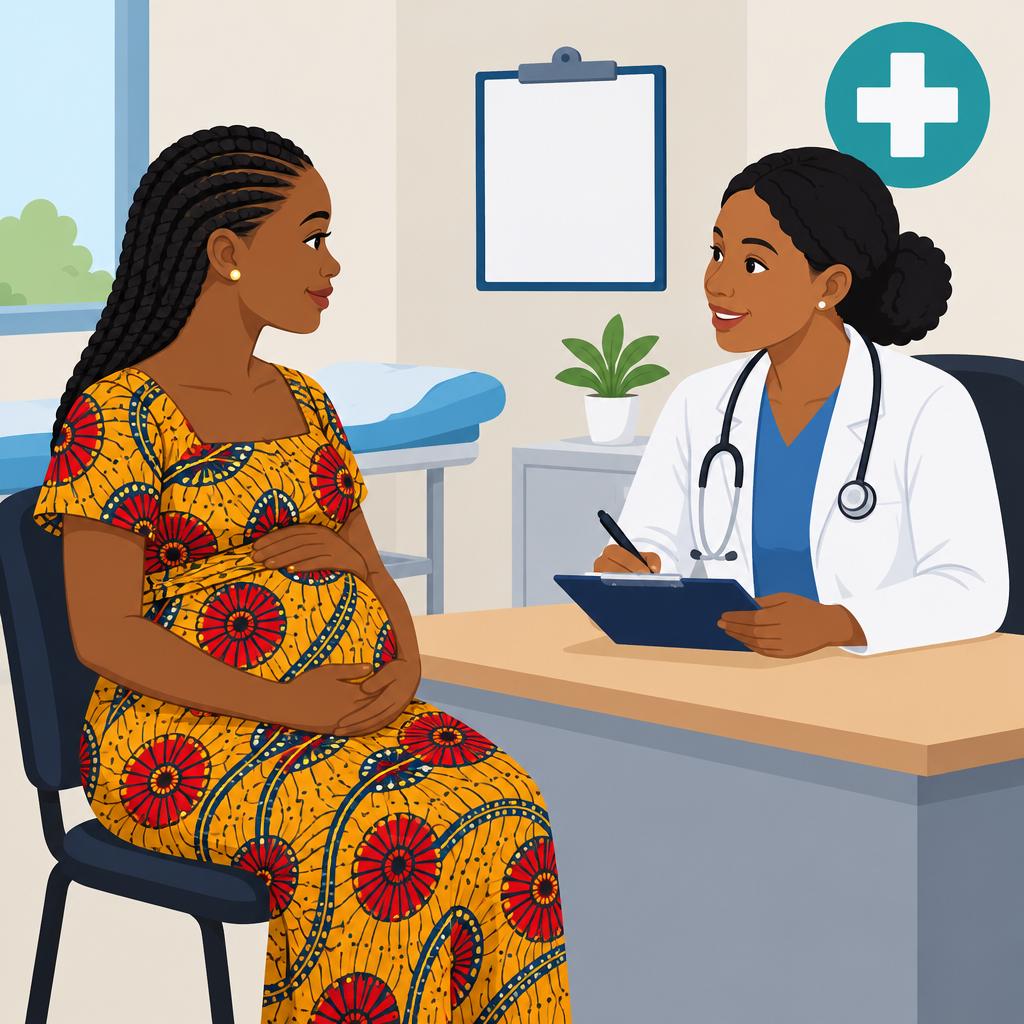
Poor Quality of Maternal Healthcare
Nigeria has significant deficiencies in the quality of maternal healthcare services.
Many facilities lack clean water, electricity, and essential medical supplies.
Furthermore, healthcare providers often lack the training and skills needed to manage maternal health issues effectively.
- Many facilities lack basic necessities, including clean water, electricity, and essential medical supplies.
- Healthcare providers often need improved training and skills for effective maternal healthcare.
- These deficiencies reduce the quality of care available to pregnant women.
Shortage of Skilled Healthcare Providers and Resources
Nigeria faces a severe shortage of skilled healthcare providers, particularly in rural areas.
Consequently, too few midwives and obstetricians provide care for pregnant women.
Healthcare facilities also lack equipment, medications, and infrastructure for quality maternal care.
- Rural areas particularly lack sufficient skilled healthcare providers.
- Midwives and obstetricians remain in short supply.
- Facilities often lack necessary equipment, medications, and infrastructure.
Measures to Strengthen Maternal Care
Training programs can strengthen healthcare providers’ maternal health skills.
In addition, increased funding can improve facility infrastructure and access to essential supplies.
Community involvement and supportive policies can expand maternal health education and skilled care in underserved areas.
- Invest in training programs that improve maternal healthcare skills.
- Increase healthcare funding for infrastructure and essential supplies.
- Encourage communities to support maternal health education and awareness campaigns.
- Implement policies that place skilled providers in rural and underserved areas.
Discover More: Common Gynaecological Issues in Nigerian Women
Lack of Education and Awareness
Maternal health education helps women in Nigeria understand proper care during pregnancy.
However, limited knowledge can cause women to miss prenatal appointments and face greater pregnancy risks.
To increase awareness, government agencies and NGOs can organize seminars, workshops, and health campaigns in rural areas.
Furthermore, knowledge empowers women to make informed decisions about their well-being and their babies’ well-being.
Finally, education about pregnancy warning signs can encourage early medical attention and reduce maternal mortality rates.
Explore Further: Professional Organizations for Anatomical Pathologists Nigeria
Economic Constraints Affecting Maternal Healthcare
Many women in Nigeria face economic barriers that limit access to essential maternal healthcare services.
Pregnancy and childbirth expenses can overwhelm families, particularly those living in poverty.
Therefore, targeted policies can reduce financial barriers and improve access to necessary maternal healthcare.
Economic Support for Maternal Healthcare
- The government can provide universal health coverage for quality maternal healthcare without financial constraints.
- Subsidies can reduce the costs of prenatal care, delivery services, and postnatal care.
- Stronger maternal health insurance programs can cover pregnancy and childbirth expenses for women in need.
- Investment in healthcare infrastructure can improve service quality and make maternal care more efficient.
- Cash transfers can help pregnant women pay for transportation, medication, and other healthcare expenses.
- Maternity leave benefits can reduce financial pressure during appointments, childbirth, and postnatal care.
Government Policies Supporting Maternal Health
Nigerian government policies shape the country’s response to maternal health needs.
The NSHDP seeks to expand quality services, train healthcare professionals, and improve healthcare infrastructure.
It also aims to reduce maternal mortality and improve maternal health indicators nationwide.
The National Health Act establishes a legal framework for healthcare policies and programs.
The Act mandates essential maternal services and promotes accountability and transparency in healthcare delivery.
Together, these policies provide important structures, although their success depends on implementation and available resources.
Healthcare Financing and Insurance Coverage
Healthcare financing helps the government direct resources toward maternal health programs and essential services.
It supports infrastructure maintenance, professional training, and procurement of medical supplies and equipment.
Health insurance can reduce out-of-pocket expenses for pregnant women and their families.
The NHIS covers antenatal care, delivery, and postnatal care as essential maternal health services.
This coverage can reduce financial barriers and support timely care during pregnancy and childbirth.
However, broader enrollment remains necessary to reach more pregnant women.
Recommended Policy Changes and Interventions
Policy changes should combine stronger financing, better facilities, skilled care, community engagement, and reliable monitoring.
These measures can improve access and strengthen the quality of maternal healthcare.
Policymakers should prioritize coordinated implementation across government health programs.
- Increase funding for maternal health programs and initiatives to improve access to quality healthcare services.
- Strengthen healthcare infrastructure in rural and underserved areas to support essential maternal health services.
- Expand health insurance coverage and provide comprehensive maternal health benefits for more pregnant women.
- Train healthcare professionals, implement clinical guidelines, and monitor maternal health service performance.
- Promote community engagement and awareness to encourage early antenatal care and service uptake.
- Strengthen monitoring systems to track progress, identify gaps, and support evidence-based decisions.
Prioritizing Maternal Health in Nigeria
Maternal health challenges in Nigeria remain multifaceted and urgent.
Women face barriers involving healthcare access, cultural beliefs, and inadequate infrastructure.
Therefore, policymakers, healthcare providers, and communities must collaborate to address these challenges.
Improving maternal health saves lives and strengthens society’s overall well-being.
Consequently, policymakers must prioritize maternal health and allocate resources accordingly.
Communities should support initiatives that promote maternal health and well-being throughout Nigeria.
By raising awareness, advocates can encourage better healthcare services and empower women.
Together, stakeholders can help every woman access safe, quality maternal healthcare in Nigeria.
Such coordinated action can move Nigeria toward a future with fewer maternal health challenges.
Everyone can support initiatives that prioritize maternal health across Nigeria.
Additional Resources
Google search results for Maternal Health Challenges in Nigeria Medical
Bing search results for Maternal Health Challenges in Nigeria Medical


