



Introduction
Providing mental health care for Nigerian women and girls supports their overall well-being.
Cultural beliefs and stigma can influence how people understand mental health in Nigeria.
Therefore, responsive care should recognize these influences while addressing individual needs.
Importance of Mental Health Care
Women and girls in Nigeria face unique challenges that may affect their mental health.
Appropriate care helps address these concerns and supports their well-being.
Moreover, accessible services can provide needed support when difficulties arise.
Effects of Cultural Beliefs
Cultural beliefs about mental health can create misunderstandings in Nigeria.
These misunderstandings may shape how women and girls view mental health care.
Consequently, some people may hesitate to seek help when they need it.
Impact of Stigma
Stigma can expose women and girls to discrimination and social isolation.
Such experiences may worsen existing mental health issues.
Additionally, stigma can make support harder to find or accept.
Breaking Barriers
Challenging cultural norms can help Nigerian women and girls receive needed care.
Education can promote understanding and acceptance of mental health.
Resources can also support more informed and compassionate responses.
Challenges Faced by Nigerian Women and Girls in Accessing Mental Health Care
Nigerian women and girls face several barriers when accessing mental health care.
These barriers include limited awareness, social stigma, and unavailable rural services.
Together, these challenges complicate access to needed mental health support.
Lack of Awareness about Mental Health Issues
Many Nigerian women and girls lack understanding of mental health issues.
Consequently, they may leave some conditions undiagnosed.
Limited understanding can hinder recognition of mental health needs.
Stigma Surrounding Mental Health in Nigerian Society
Nigerian society attaches stigma to mental health issues.
As a result, many people suffer in silence.
This stigma remains a barrier within the mental health context.
Limited Availability of Mental Health Services in Rural Areas
Rural areas in Nigeria often lack mental health professionals.
They also often lack mental health facilities.
Therefore, limited local services hinder access to care.
Cultural Factors Influencing Mental Health Care for Nigerian Women and Girls
Cultural beliefs and social expectations shape how Nigerian women and girls approach mental health care.
These influences can affect whether they seek traditional or professional support.
Religious ideas may also shape attitudes toward treatment and stigma.
Traditional Beliefs and Practices Related to Mental Health
- Nigerian women and girls often face stigma when they seek mental health treatment.
- Many people sometimes prefer traditional healers over Western medical professionals.
- Beliefs about curses, witchcraft, and supernatural forces can influence mental health care decisions.
Societal Expectations of Women’s Roles and Responsibilities
- Society expects Nigerian women to provide care and prioritize their families’ needs.
- Consequently, these pressures can cause women to neglect their own mental health needs.
- Some people may view seeking mental health support as weakness or personal failure.
Religious Influence on Mental Health Attitudes
- Religion plays a significant role in shaping mental health perceptions in Nigeria.
- Some religious beliefs may discourage people from seeking professional mental health support.
- Religious teachings or practices can also reinforce stigma surrounding mental health.
Gain More Insights: Role of Social Media in Nigerian Mental Health
Impact of Gender-Based Violence on Nigerian Women and Girls
Gender-based violence significantly harms the mental health of Nigerian women and girls.
Domestic violence and sexual abuse can create lasting psychological effects for survivors.
These experiences may contribute to trauma, PTSD, anxiety, shame, guilt, and self-blame.
Prevalence of Domestic Violence and Sexual Abuse in Nigeria
Domestic violence affects many Nigerian women through physical, emotional, or sexual abuse by partners.
Sexual abuse, including rape and assault, also affects women and girls in rural and urban areas.
Furthermore, cultural norms and social attitudes may condone violence against women.
- Many Nigerian women experience physical, emotional, or sexual abuse within domestic relationships.
- Rape and sexual assault affect women and young girls across rural and urban communities.
- Social attitudes that condone violence can worsen its prevalence and consequences.
Trauma and PTSD Among Survivors
Survivors may experience severe trauma after gender-based violence.
PTSD symptoms can include flashbacks, nightmares, and anxiety.
Shame, guilt, and self-blame can further complicate emotional recovery.
Transform Your Career with Expert Guidance
Get personalized mentorship consulting that’s tailored to your unique path. Our expert advice is actionable and exclusive.
Get Started- Traumatic experiences may produce long-term effects on mental health and well-being.
- Flashbacks, nightmares, and anxiety can disrupt survivors’ daily lives.
- Many survivors struggle with shame, guilt, and self-blame after violence.
Specialized Mental Health Support for Survivors
Survivors need specialized mental health support that addresses trauma effectively.
Therapy and counseling can help survivors cope, heal, and rebuild their lives.
Community organizations and support groups can offer safe spaces for survivors.
- Specialized services can address survivors’ psychological and emotional needs.
- Therapy and counseling can support healing after traumatic experiences.
- Support groups can connect survivors with others who share similar experiences.
Coordinated Responses to Gender-Based Violence
Effective responses should combine awareness, survivor support, and policy advocacy.
These actions can strengthen prevention and improve responses to gender-based violence.
Communities and institutions must support survivors while addressing the conditions enabling violence.
Delve into the Subject: Medical Microbiology Teaching Methods in Nigeria
Education and awareness about mental health play crucial roles in the well-being of Nigerian women and girls.
They help women and girls make informed decisions about their mental health.
Greater knowledge helps them recognize mental illness symptoms early and seek help when needed.
Mental Health Literacy for Nigerian Women and Girls
Mental health literacy includes knowledge and beliefs about mental disorders.
This knowledge can influence how individuals recognize, manage, and prevent mental health conditions.
Education can reduce stigma and encourage women and girls to seek help during mental health challenges.
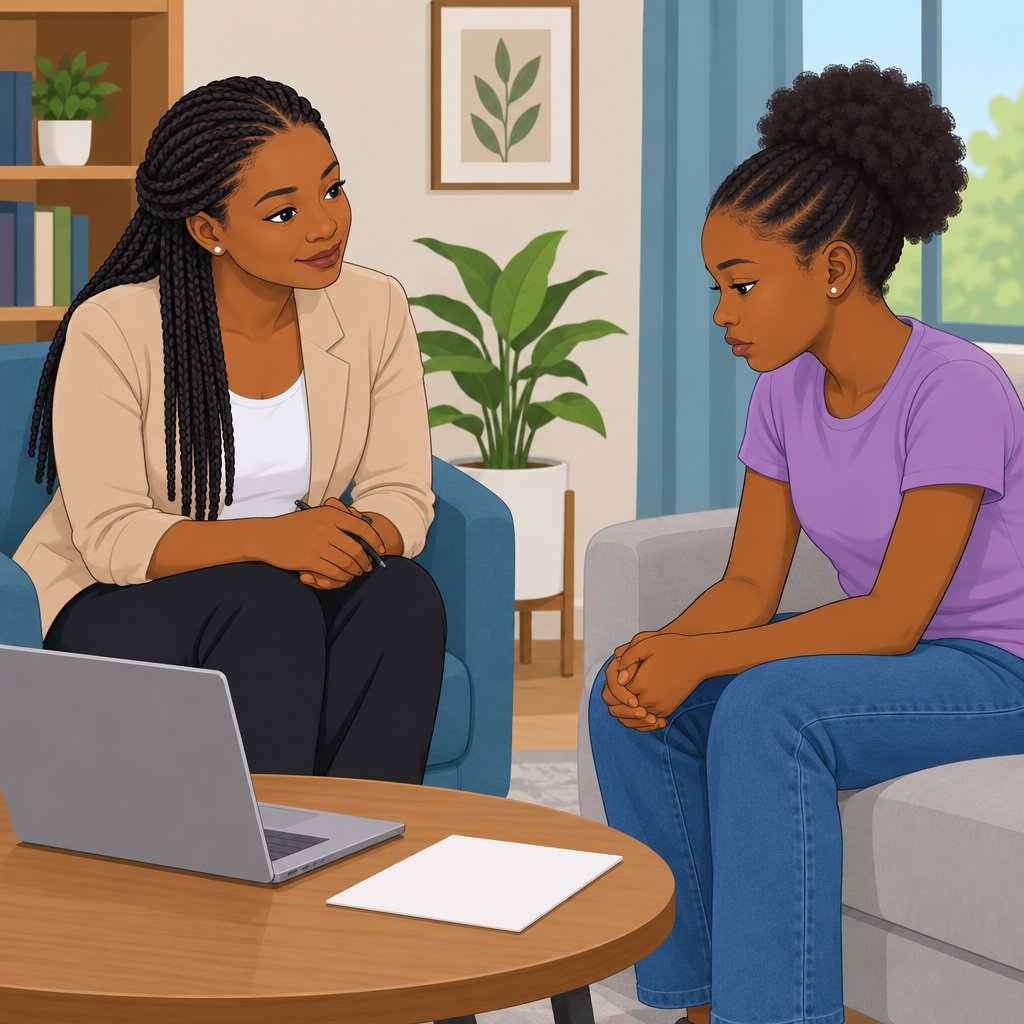
Mental Health Care Resources and Treatment Options
Education also provides Nigerian women and girls with information about available mental health care options.
Accurate information can explain different treatment methods, therapy options, and support services.
Consequently, women and girls can make informed care decisions and navigate mental health services more effectively.
Open Community Discussions About Mental Health
Open community discussions can help break the silence surrounding mental illness.
Safe spaces allow women and girls to share their experiences, concerns, and mental health struggles.
These conversations can foster community support and encourage people to exchange resources and coping strategies.
Mental health education empowers women and girls to prioritize their mental well-being.
It also encourages them to seek help and advocate for improved mental health care services.
Through awareness, communities can support better mental health outcomes for Nigerian women and girls.
Delve into the Subject: Impact of Parasitology on Nigerian Communities
Strategies for Improving Mental Health Care for Nigerian Women and Girls
Several strategies can improve mental health care for Nigerian women and girls.
These strategies can strengthen access, support, and outcomes for this population.
Stakeholders should combine gender-sensitive services, community support, funding, awareness, and primary care.
Gender-Sensitive Training for Healthcare Workers
Specialized training can help healthcare workers understand gender-specific mental health concerns.
Furthermore, trained providers can respond more effectively to the needs of women and girls.
Culturally sensitive care can support women and girls who seek mental health assistance.
- Training can improve healthcare workers’ knowledge of gender-specific mental health issues.
- Providers can use their skills to offer more effective and culturally sensitive care.
Funding for Services Targeting Women and Girls
Increased funding can address gaps in mental health access and service quality.
Moreover, targeted resources can help providers respond to the needs of Nigerian women and girls.
Investment can support treatment that improves mental well-being and quality of life.
- Policymakers can allocate resources to services focused on women and girls.
- Funding can help women and girls receive needed support and treatment.
Support Groups and Safe Spaces
Support groups can give women safe places to discuss mental health challenges.
In addition, shared experiences can provide validation, guidance, and a sense of community.
These spaces can also reduce stigma and connect participants with useful resources.
- Women can openly discuss challenges and seek guidance in supportive environments.
- Support groups can promote healing, empowerment, and access to mental health information.
Community Mental Health Awareness
Community awareness campaigns can increase understanding of mental health concerns.
They can also reduce stigma and encourage earlier support for Nigerian women and girls.
Educational programs can help communities recognize warning signs and identify available support.
- Community programs can encourage conversations about mental health and personal well-being.
- Education can help individuals recognize warning signs and seek timely support.
Integrated Mental Health Care in Primary Services
Primary healthcare settings can make mental health services easier to access.
Additionally, integration can reduce pressure on specialized mental health facilities.
Routine screening can help providers identify concerns and offer timely interventions.
- Primary care providers can include mental health screening during routine check-ups.
- Integrated services can support holistic care for women and girls.
These strategies can help stakeholders address mental health needs among Nigerian women and girls.
Gender-sensitive policies, effective resources, and inclusive support can strengthen mental health care.
You Might Also Like: Professional Certification for Dental Technologists Nigeria
Role of Government and Policymakers in Promoting Mental Health Care
Government and policymakers play a crucial role in promoting mental health care for Nigerian women and girls.
They can use policies and resources to address the specific needs of this vulnerable population.
These actions can create a supportive environment where women and girls seek needed mental health care.
Policies Addressing Mental Health Needs
- The government should develop policies that address the mental health needs of women and girls in Nigeria.
- These policies should provide affordable, high-quality mental health services for women and girls.
- They should also address social and cultural factors that contribute to mental health concerns.
- Consequently, supportive policies can encourage women and girls to seek help for mental health concerns.
Resources for Programs Serving Vulnerable Populations
- Government and policymakers should allocate sufficient resources for programs serving vulnerable populations.
- These resources should support services tailored to the needs of women and girls.
- They should also fund mental health awareness and education initiatives for women and girls.
- Therefore, sustained funding can help women and girls access the mental health care they need.
Gender-Inclusive Mental Health Services
- Government and policymakers should promote gender-inclusive mental health services in Nigeria.
- These services should respond to the specific needs of women and girls.
- Policymakers should also challenge stigma and discrimination affecting women and girls.
- Furthermore, advocacy should promote equal access to mental health care for everyone.
- Such efforts can create a more inclusive and supportive mental health care system.
Government and policymakers have an important role in promoting mental health care for Nigerian women and girls.
Effective policies, adequate resources, and inclusive services can help women and girls access needed care.
Sustained Support for Mental Health
Mental health care remains essential for Nigerian women and girls’ overall well-being.
Prioritizing mental health support can address the unique challenges they face.
Therefore, individuals, organizations, and the government must provide mental health resources and services together.
This support can help Nigerian women and girls lead healthier, more fulfilling lives.
Finally, everyone should support and promote mental health care for women and girls in Nigeria.
Additional Resources
Google search results for Mental Health Care for Nigerian Women and Girls Medical
Bing search results for Mental Health Care for Nigerian Women and Girls Medical


