



COVID-19 and Mental Health in Nigeria
COVID-19 has caused anxiety and stress around the world.
The pandemic has affected mental health in Nigeria.
This section examines COVID-19’s impact on mental health in Nigeria.
Rising Anxiety and Stress Among Nigerians
Uncertainty and fear surrounding the pandemic have increased anxiety and stress among Nigerians.
A World Health Organization study reports a 45% increase in anxiety disorder cases in Nigeria.
Many people fear infection, while financial instability and social isolation weaken mental well-being.
- These pressures cause sleep disturbances, irritability, and difficulty concentrating.
- Limited access to mental health services leaves many individuals feeling helpless.
- Social support, mindfulness, and physical exercise can help people manage anxiety.
- Therefore, government and healthcare providers should prioritize mental health services and support.
Lack of Access to Mental Health Services
- Nigeria has limited resources and infrastructure for mental health support.
- Individuals faced additional challenges when seeking mental health services during the pandemic.
Access to mental health services in Nigeria has remained difficult for many people.
Limited resources and infrastructure continue to restrict available support.
The COVID-19 pandemic placed additional pressure on an already struggling mental health system.
Limited Resources and Infrastructure for Mental Health Support
One major challenge involves insufficient funding and resources for mental health services.
Many mental health facilities operate with inadequate funding and insufficient staff.
Consequently, individuals may struggle to access the care they need.
Nigeria also has a shortage of mental health professionals.
Only limited numbers of psychiatrists and psychologists serve a population exceeding 200 million people.
This shortage creates long waiting times for people seeking mental health treatment.
Stigma and discrimination also discourage many individuals from seeking help.
Limited awareness and understanding of mental health issues can reinforce these barriers.
As a result, people may delay treatment for their mental health concerns.
Challenges During the Pandemic
The COVID-19 pandemic created additional obstacles for people seeking mental health services in Nigeria.
Lockdowns and public health restrictions caused many facilities to close or reduce their services.
These changes limited the options available to people requiring support.
Furthermore, the pandemic’s economic effects made mental health services harder for many Nigerians to afford.
Job losses and economic instability made it harder to prioritize mental health needs.
Social distancing also limited face-to-face interactions with mental health professionals.
Consequently, some individuals found it more difficult to reach out for help.
These barriers increased feelings of isolation and disconnection among people seeking care.
Government agencies and relevant stakeholders must address these access barriers.
Improving access would support the well-being of people across Nigeria.
Delve into the Subject: Community Outreach by Nigerian Anaesthesiologists
Isolation and Loneliness During Social Distancing
Social distancing measures have increased feelings of isolation and loneliness.
Many individuals have shared personal stories about isolation’s emotional effects on mental health.
Furthermore, limited physical contact with friends and family has intensified loneliness.
People now struggle without social gatherings and face-to-face interactions.
Additionally, restricted social activities have deepened feelings of isolation.
Individuals who live alone face particular vulnerability to isolation’s negative effects.
Meanwhile, constant concern about the virus has increased loneliness and anxiety.
Some people find comfort through virtual communication, but others remain disconnected.
Moreover, fear of infection makes it harder to seek support from others.
The absence of physical touch and hugs has also strengthened feelings of isolation.
Consequently, isolation has increased symptoms of depression and anxiety.
Transform Your Career with Expert Guidance
Get personalized mentorship consulting that’s tailored to your unique path. Our expert advice is actionable and exclusive.
Get StartedLoneliness can also worsen existing mental health conditions and complicate their management.
See Related Content: Introduction to Medical Rehabilitation in Nigeria
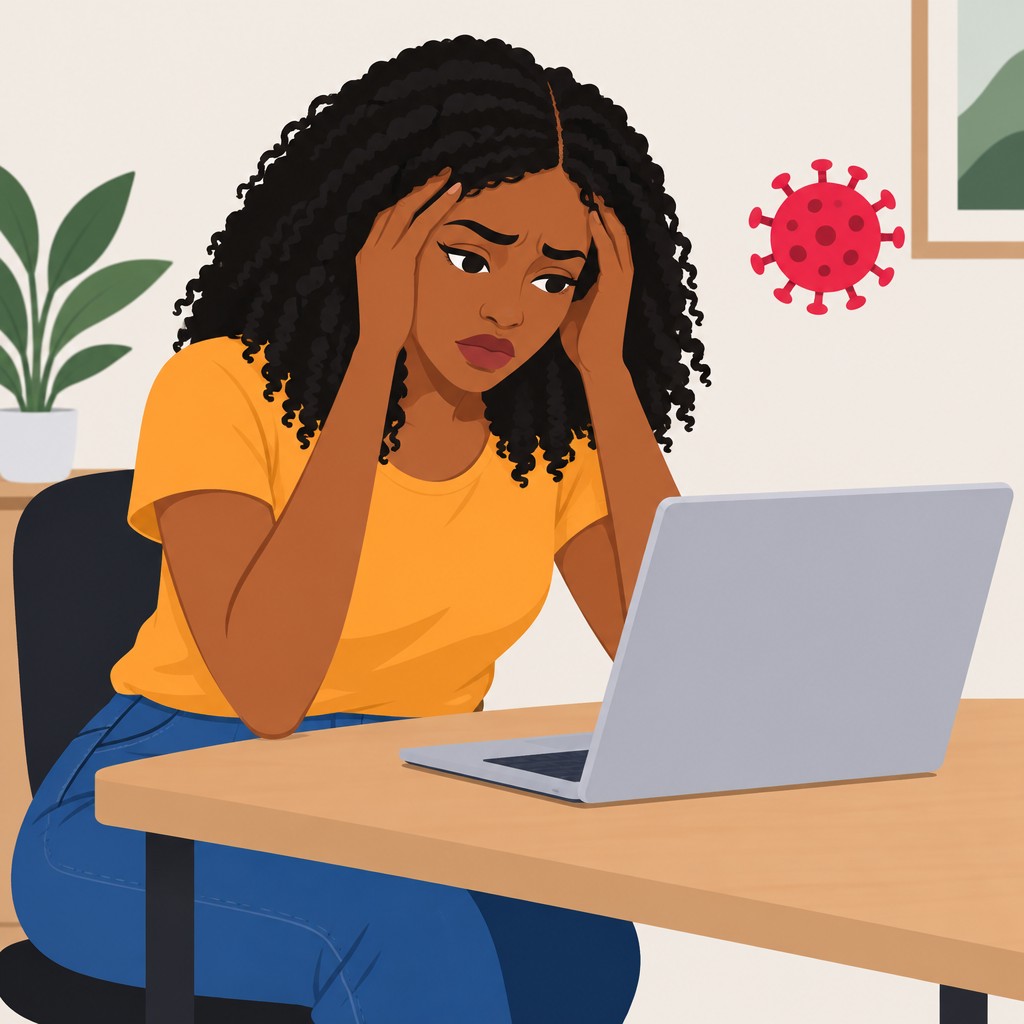
Economic Hardship and Mental Health
Job losses and financial instability during the COVID-19 pandemic have significantly affected Nigerians’ mental health.
Economic consequences have created anxiety, depression, substance abuse, strained relationships, and suicidal thoughts.
Support for affected people remains essential to reduce lasting harm to mental well-being in Nigeria.
- Increase in anxiety and stress: Many Nigerians experience heightened anxiety while supporting themselves and their families.
- Depression: Financial pressures have caused hopelessness and despair, contributing to depression among many Nigerians.
- Loss of motivation: Limited job prospects and financial security have reduced motivation and career ambitions.
- Increased substance abuse: Some Nigerians use drugs or alcohol to cope with financial struggles, creating further mental health problems.
- Strained relationships: Financial instability can strain relationships, cause conflicts, and disrupt communication among families and loved ones.
- Suicidal ideation: Financial hardship can create hopelessness and despair, leading some individuals to consider taking their own lives.
Uncover the Details: Integrating ICT in Nigerian Medical Education: Benefits
Stigmatization of Mental Health Issues
In Nigeria, cultural beliefs have long shaped negative views about mental health issues.
Traditionally, many communities interpreted mental illnesses as spiritual possession or punishment for wrongdoing.
These beliefs often marginalized individuals and encouraged communities to ostracize them.
Moreover, seeking help could appear as a sign of weakness or moral failure.
Stigma During the COVID-19 Pandemic
The COVID-19 pandemic intensified existing stigma surrounding mental health in Nigeria.
As the virus spread, fear and uncertainty pushed mental health concerns into the background.
Consequently, many people struggled to discuss their emotional needs openly.
People experiencing mental health issues may avoid support because they fear community judgment.
Effects on Help-Seeking Behavior
Stigma strongly influences how individuals respond to mental health concerns.
Some individuals may suffer silently because they fear labels such as “crazy” or “weak.”
During the pandemic, this reluctance to seek assistance became even more pronounced.
Limited services and fear of judgment left many people managing their concerns without support.
Strategies for Reducing Mental Health Stigma
Addressing mental health stigma in Nigeria requires education, community engagement, policy changes, and support networks.
These efforts can promote understanding, acceptance, and access to appropriate mental health services.
- Education and awareness campaigns can explain mental illnesses and encourage people to seek help.
- Community involvement can reduce stigma by engaging local communities and religious leaders.
- Supportive communities can promote acceptance and understanding among people facing mental health concerns.
- Policy changes can protect individual rights and improve access to quality mental health services.
- Support networks can provide safe spaces for sharing experiences without fear of judgment.
- These networks can also offer emotional support and useful resources to people needing assistance.
Explore Further: Future Prospects of Anatomy Education in Nigeria
Coping Mechanisms and Self-Care Tips
A consistent routine can provide structure and stability during challenging times.
Physical activity can boost mood and reduce stress through yoga, walking, or exercise.
Mindfulness can help people stay grounded while managing anxiety and negative thoughts.
- Focus on establishing a routine to provide structure and stability in daily life.
- Engage in physical activity, such as yoga, walking, or exercise, to boost mood and reduce stress.
- Practice mindfulness and meditation to stay grounded and manage anxiety and negative thoughts.
- Stay connected with friends and family through virtual means to combat isolation and loneliness.
- Limit news and social media exposure to avoid feeling overwhelmed or anxious about the pandemic.
- Set boundaries with work and responsibilities to prevent burnout and prioritize self-care.
These practices support mental health and overall well-being during challenging times.
They can help individuals recharge, relax, and rejuvenate while promoting emotional balance.
However, people should recognize when self-care no longer provides enough support.
Importance of Self-Care and Professional Help
- Self-care remains essential for maintaining mental health and overall well-being during challenging times.
- It helps individuals recharge, relax, and rejuvenate while promoting resilience and emotional balance.
- People should seek professional help if symptoms worsen or become overwhelming.
- Mental health experts and therapists can provide valuable support and coping strategies.
- Therapy can provide tools for navigating difficult emotions and circumstances.
- Individuals should seek professional guidance when self-care practices do not provide enough support.
Building a Mentally Healthier Nigeria
COVID-19 has affected Nigerian mental health through isolation, fear, anxiety, and uncertainty.
Limited access to mental health services has intensified stress and psychological distress among many people.
Therefore, communities must raise awareness about mental health and support people who need help.
As society moves beyond the pandemic, leaders must prioritize mental health services and resources.
This priority includes reducing stigma, promoting well-being, and expanding access to quality mental health care.
Communities can support one another and advocate for greater awareness and stronger mental health resources.
Moreover, education and mental health initiatives can encourage a healthier, more supportive environment.
These efforts can help build a resilient and empathetic society that values mental health and well-being.
Together, Nigerians can improve support for people facing mental health challenges.
Such commitment can help create a mentally healthier Nigeria for the future.
Additional Resources
Google search results for Impact of COVID-19 on Nigerian Mental Health Medical
Bing search results for Impact of COVID-19 on Nigerian Mental Health Medical


