



Brief Explanation of Medical Rehabilitation
Medical rehabilitation restores an individual’s functioning.
It supports greater independence.
Therapies and treatments help achieve these goals.
Importance of Medical Rehabilitation in Healthcare
Medical rehabilitation plays a crucial role in healthcare.
It improves patients’ quality of life.
Furthermore, rehabilitation enhances physical, mental, and emotional well-being.
Overview of Medical Rehabilitation Practice in Nigeria
In Nigeria, multidisciplinary teams often provide medical rehabilitation.
These teams may include physiotherapists, occupational therapists, and speech therapists.
They develop personalized treatment plans for each patient.
These plans help patients recover from injuries or manage chronic conditions.
Medical rehabilitation services promote recovery and reduce disability.
They also improve patients’ overall health outcomes.
Healthcare Professionals in Medical Rehabilitation
Medical rehabilitation involves several healthcare professionals.
Each professional addresses different patient needs during the rehabilitation process.
Together, these professionals support coordinated care and patient progress.
Different Healthcare Professionals Involved
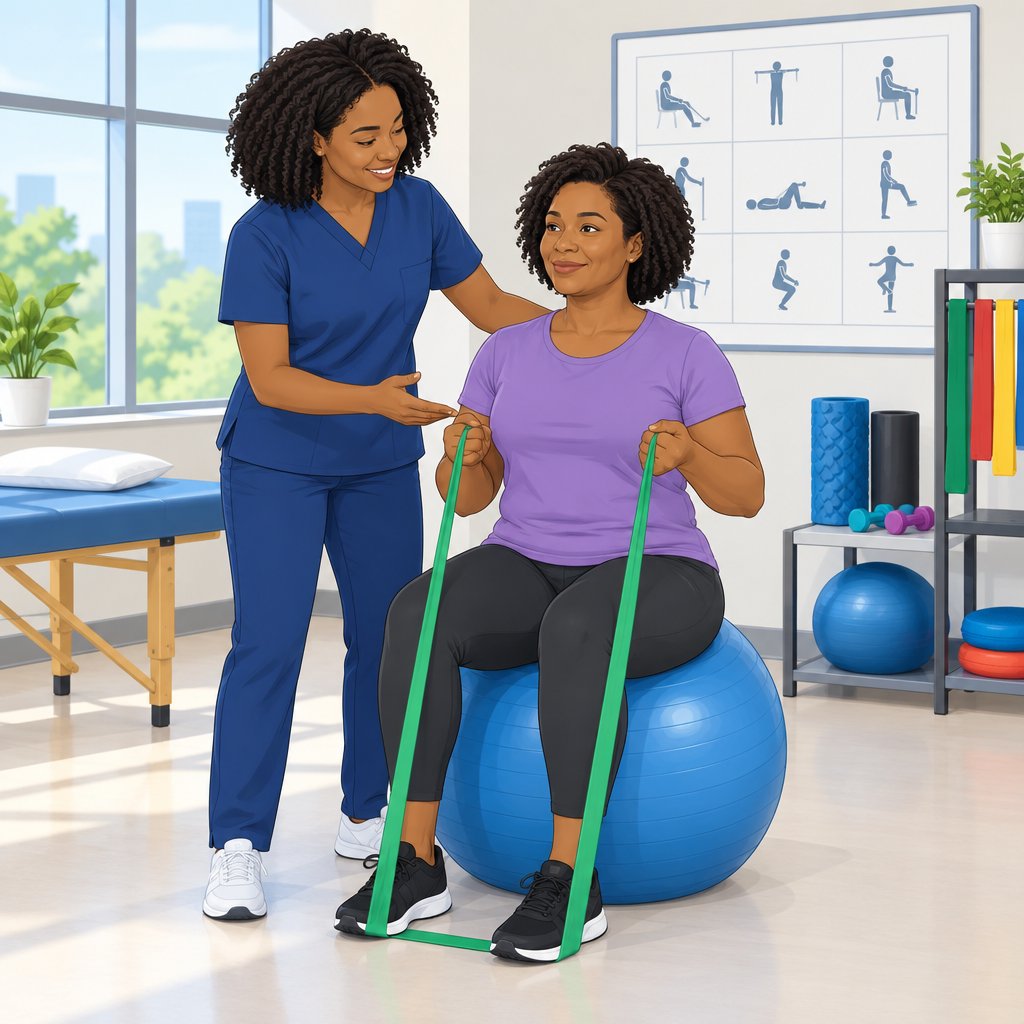
Physical therapists restore movement and function through exercise and other therapies.
Occupational therapists help patients perform daily activities independently.
Speech therapists address speech, language, and swallowing disorders.
Rehabilitation nurses provide care and support throughout the rehabilitation process.
Specific Roles and Responsibilities
Physical therapists assess physical limitations, create exercise plans, and monitor patient progress.
Occupational therapists teach adaptive techniques, recommend assistive devices, and improve fine motor skills.
Speech therapists evaluate and treat speech, language, and swallowing difficulties.
Rehabilitation nurses administer medications, monitor vital signs, and assist with daily activities.
Importance of Teamwork and Collaboration
Effective communication and collaboration support comprehensive rehabilitation care.
Teamwork helps professionals coordinate treatment according to individual patient needs.
Moreover, collaboration allows professionals to share insights and discuss treatment plans.
Working together promotes efficient rehabilitation and supports better patient outcomes.
Common Conditions Treated Through Medical Rehabilitation in Nigeria
Medical rehabilitation addresses several conditions and disabilities affecting people across Nigeria.
These services target movement, communication, coordination, and daily functioning.
Consequently, timely rehabilitation can support safer movement and participation.
- Stroke can affect movement and speech, while rehabilitation supports improved mobility, communication, and daily functioning.
- Spinal cord injuries may require long-term rehabilitation to improve strength, coordination, and physical function.
- Amputees can use rehabilitation to improve prosthetic use, mobility, and quality of life.
- Musculoskeletal disorders may require rehabilitation to manage pain, improve movement, and prevent further complications.
Challenges Affecting Rehabilitation Access in Nigeria
However, people with these conditions often encounter barriers while seeking rehabilitation services in Nigeria.
These barriers can delay treatment, restrict participation, and increase pressure on individuals and families.
Moreover, social attitudes and service limitations can complicate long-term recovery.
- Limited rehabilitation facilities can make quality services difficult for many individuals to access.
- Stigma and discrimination can prevent people with disabilities from participating fully in daily activities.
- Therapy sessions, medications, and assistive devices can create serious financial pressures.
- Limited awareness can delay treatment and contribute to poorer patient outcomes.
How Rehabilitation Supports Quality of Life
Rehabilitation addresses physical, emotional, and practical needs through structured support.
Patients can also receive guidance that supports coping with changes in their abilities.
With consistent care, patients may manage symptoms and participate more actively in daily life.
- Rehabilitation helps patients regain skills needed to perform daily tasks more independently.
- Exercises and therapy can improve mobility, strength, and physical movement.
- Rehabilitation techniques can reduce pain and discomfort associated with certain conditions.
- Rehabilitation programs provide emotional and social support during challenging periods.
Despite these challenges, rehabilitation services can provide comprehensive support for people living with disabilities in Nigeria.
Uncover the Details: Integrating ICT in Nigerian Medical Education: Benefits
Barriers to Accessing Medical Rehabilitation Services in Nigeria
Several barriers prevent Nigerians from accessing medical rehabilitation services.
These barriers affect service demand, affordability, availability, and treatment quality.
Transform Your Career with Expert Guidance
Get personalized mentorship consulting that’s tailored to your unique path. Our expert advice is actionable and exclusive.
Get StartedAddressing these challenges could improve access for individuals who need rehabilitation support.
Limited Awareness of Rehabilitation Benefits
Many Nigerians do not understand how rehabilitation services support recovery after injuries or disabilities.
Consequently, limited awareness reduces demand for rehabilitation and weakens public understanding of its healthcare value.
Without suitable education campaigns, individuals may avoid rehabilitation and experience slower recovery progress.
Financial Constraints and Limited Healthcare Coverage
High service costs prevent many individuals from obtaining medical rehabilitation in Nigeria.
People from lower socioeconomic backgrounds often struggle with the out-of-pocket expenses required for treatment.
Furthermore, limited healthcare coverage restricts access to insurance and government-funded rehabilitation programs.
As a result, some individuals forgo rehabilitation services and face poorer recovery outcomes.
Shortage of Trained Rehabilitation Professionals
Nigeria has too few trained rehabilitation professionals to meet the needs of its population.
This shortage affects physiotherapy, occupational therapy, and speech therapy services.
Therefore, many individuals encounter limited access to quality rehabilitation care.
Additionally, insufficient specialized training may reduce treatment effectiveness and compromise patient care.
Increasing the professional workforce could improve rehabilitation availability and service quality across Nigeria.
Gain More Insights: Future Prospects of Anatomy Education in Nigeria
Government Initiatives and Programs Supporting Medical Rehabilitation in Nigeria
Government policies guide rehabilitation service planning in Nigeria.
These measures address healthcare needs among people with disabilities and those recovering from illness or injury.
They also connect rehabilitation with broader healthcare delivery goals.
Overview of Government Policies and Programs
The National Policy on Disability and Rehabilitation Services outlines strategies for supporting people with disabilities.
The National Health Insurance Scheme includes coverage for rehabilitation services.
Consequently, eligible individuals can access treatments with fewer financial barriers.
- The National Policy on Disability and Rehabilitation Services guides rehabilitation provision for people with disabilities.
- The National Health Insurance Scheme includes rehabilitation services within its coverage.
- The National Strategic Health Development Plan prioritizes rehabilitation within Nigeria’s healthcare goals.
Collaboration with NGOs and International Agencies
Government agencies collaborate with nonprofit organizations to extend rehabilitation services to underserved populations.
International partners also support professional training and capacity building in rehabilitation.
These partnerships strengthen service delivery in communities affected by disability, conflict, and trauma.
- The Disability Rights Advocacy Center supports rehabilitation services for underserved populations.
- The World Health Organization and UNICEF support rehabilitation training and capacity building.
- International Red Cross partnerships have supported rehabilitation centers in conflict-affected regions.
Impact of Government Rehabilitation Initiatives
These initiatives have influenced access, coordination, professional skills, and patient outcomes.
Government partnerships have also supported rehabilitation services for people across the country.
Furthermore, comprehensive rehabilitation can help people with disabilities pursue independent and productive lives.
- Government programs have increased access to quality rehabilitation services across Nigeria.
- Agencies, NGOs, and international partners have improved coordination during service delivery.
- Training programs have strengthened healthcare professionals’ rehabilitation skills and knowledge.
- Rehabilitation initiatives have reduced healthcare disparities and improved treatment outcomes.
- Comprehensive services have empowered people with disabilities to pursue independent lives.
Continued investment can strengthen Nigeria’s rehabilitation system and promote more inclusive healthcare.
Government commitment remains essential for improving health and well-being among people needing rehabilitation services.
Explore Further: Advancements in Nigerian Restorative Dentistry
Emerging Opportunities for Rehabilitation Services
Medical rehabilitation in Nigeria offers several opportunities for growth and development.
Growing public awareness can increase recognition of rehabilitation’s value after injuries or illnesses.
As understanding improves, more people may seek rehabilitation services across the country.
Moreover, technology can transform rehabilitation through wearable devices and virtual reality therapy.
These tools can strengthen service delivery and support better patient outcomes.
Continuous Education for Rehabilitation Professionals
Healthcare professionals need continuous education and training throughout their rehabilitation careers.
New research and best practices regularly influence effective rehabilitation practice.
Therefore, professionals should maintain current knowledge of developments within their field.
Training programs can strengthen professional skills and improve the quality of patient care.
Ongoing learning also helps professionals provide more effective rehabilitation treatments.
Strategies for Stronger Rehabilitation Services
Limited resources and infrastructure continue to challenge medical rehabilitation services in Nigeria.
Increased funding can support essential equipment, facilities, and rehabilitation services.
Additionally, interdisciplinary collaboration can help professionals deliver more comprehensive patient care.
Teamwork allows specialists to address each patient’s unique rehabilitation needs.
Patient-centered care can further improve treatment by respecting individual needs and preferences.
Professionals can then tailor treatment plans to support stronger patient outcomes.
Future Directions for Medical Rehabilitation in Nigeria
Medical rehabilitation in Nigeria can achieve meaningful growth through coordinated development.
Investing in education, resources, technology, and collaboration can strengthen service delivery.
These strategies can expand access and improve the quality of rehabilitation care.
Ultimately, stronger rehabilitation services can help improve patient outcomes across the country.
Uncover the Details: Career Opportunities in Dentistry in Nigeria
The Value of Rehabilitation Investment in Nigeria
Medical rehabilitation restores health and functionality after illness or injury.
It also improves healthcare outcomes for people across Nigeria.
Furthermore, rehabilitation can enhance patients’ quality of life and reduce disabilities.
These services also promote greater independence for affected individuals.
Nigeria needs stronger support and investment in medical rehabilitation services.
Such investment can help improve health outcomes and population well-being.
Therefore, stakeholders should advocate for wider access to quality rehabilitation services.
Those efforts can benefit individuals and society throughout Nigeria.
Additional Resources
Google search results for Introduction to Medical Rehabilitation in Nigeria Medical
Bing search results for Introduction to Medical Rehabilitation in Nigeria Medical


