



Medical Rehabilitation Outreach in Nigeria
Medical rehabilitation outreach programs form an essential part of Nigeria’s healthcare landscape.
They support people living with disabilities and various health conditions.
These programs aim to improve patients’ quality of life through accessible rehabilitative care.
Services and Healthcare Benefits
Outreach teams deliver rehabilitation services in communities across Nigeria.
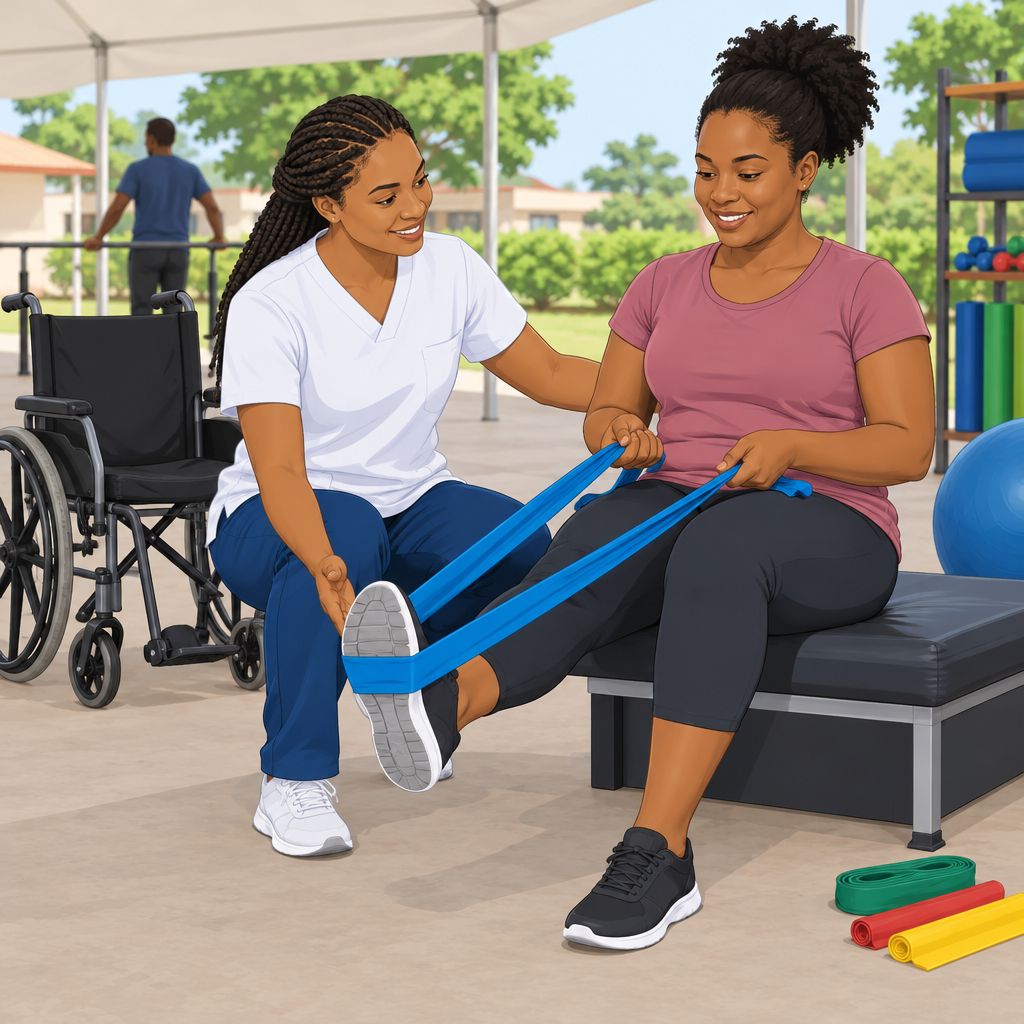
These services include physical therapy, occupational therapy, and speech therapy.
They help patients regain independence and functionality after injury or illness.
Furthermore, personalized care and treatment plans support holistic rehabilitation.
Patients may receive support for stroke recovery, spinal cord injuries, traumatic brain injuries, and musculoskeletal disorders.
Rehabilitation teams focus on restoring mobility and strengthening communication skills.
They also address overall well-being during the recovery process.
After accidents or surgeries, these programs help people rebuild physical abilities.
They also support people managing chronic conditions.
Consequently, patients can experience improved physical function and reduced pain.
Additionally, rehabilitation can enhance mental health and encourage greater independence.
By supporting long-term recovery, these services can help reduce pressure on the healthcare system.
Therefore, outreach programs provide specialized care and support for people who need rehabilitation.
They promote recovery, independence, and overall well-being within the healthcare system.
Overview of Medical Rehabilitation Outreach Programs
- Definition of medical rehabilitation outreach programs
- Purpose and goals of these programs
- Disability prevalence and rehabilitation needs in Nigeria
Medical rehabilitation outreach programs provide community-based services for individuals with disabilities.
These programs aim to improve participants’ quality of life.
Their main purpose involves helping individuals with disabilities regain independence.
They also improve functional abilities through various therapeutic interventions.
Additionally, these programs enhance participants’ overall well-being.
In Nigeria, more than 25 million people reportedly live with a disability.
However, most people with disabilities lack access to proper rehabilitation services.
Therefore, medical rehabilitation outreach programs must reach underserved populations.
Types of Medical Rehabilitation Services
Medical rehabilitation programs in Nigeria offer services that address physical, cognitive, and emotional recovery needs.
These services help patients regain independence after medical conditions or injuries.
Providers can tailor rehabilitation plans to each person’s recovery goals and daily needs.
- Physical Therapy: Physical therapy improves mobility and function through personalized exercises that strengthen muscles, improve balance, and support physical well-being.
- Occupational Therapy: Occupational therapy supports independent dressing, cooking, working, and daily living through skill development and environmental adaptations.
- Speech Therapy: Speech therapy addresses speech, language, and swallowing disorders linked to stroke, traumatic brain injury, or developmental delays.
- Other Services: Other services include psychological counseling, vocational training, assistive devices, and pain management strategies.
Together, these services address physical, cognitive, and emotional aspects of recovery.
They aim to improve quality of life and help individuals participate fully in their communities.
People seeking support can consult a healthcare provider about available options and personalized rehabilitation plans.
Learn More: Overview of Medical Microbiology in Nigeria
Challenges Facing Rehabilitation Outreach Programs
Medical rehabilitation outreach programs in Nigeria face several barriers.
These barriers affect service availability, workforce capacity, and community acceptance.
Addressing them requires coordinated planning and sustained support.
- Insufficient funding and resources limit rehabilitation services.
- Rural communities have limited access to rehabilitation facilities.
- Disability stigma discourages some people from seeking care.
- Few trained professionals support rehabilitation delivery.
Strategies for Strengthening Rehabilitation Outreach
Organizations can address these challenges through practical and collaborative strategies.
Partnerships with government agencies, NGOs, and private organizations can strengthen program support.
Furthermore, diversified funding sources can improve financial stability and continuity.
Sustainable funding: Programs should pursue multiple funding sources to maintain essential rehabilitation services.
These partnerships can also provide resources for equipment, staffing, and outreach activities.
Transform Your Career with Expert Guidance
Get personalized mentorship consulting that’s tailored to your unique path. Our expert advice is actionable and exclusive.
Get StartedRural access: Mobile units can bring rehabilitation services closer to people in remote communities.
Telemedicine services can provide additional support when patients cannot reach rehabilitation facilities.
Additionally, community health workers can connect rural residents with available rehabilitation care.
Reducing stigma: Community education can improve understanding of disabilities and rehabilitation needs.
Outreach programs can promote inclusion by engaging families, community leaders, and local groups.
As awareness increases, individuals with disabilities may experience greater support when seeking care.
Workforce development: Training initiatives can expand the number of professionals with rehabilitation skills.
Healthcare professionals can improve service quality through additional education and practical capacity building.
Therefore, investment in training can strengthen rehabilitation outreach and improve patient care.
These combined measures can help rehabilitation programs overcome resource, access, stigma, and staffing barriers.
Find Out More: Innovative Teaching Methods for Anatomy in Nigeria
Medical rehabilitation outreach programs significantly influence healthcare services and lives in Nigeria.
Improved Quality of Life for Individuals with Disabilities
Medical rehabilitation outreach programs improve quality of life for individuals with disabilities.
They provide medical care, therapy, and support services that encourage fuller, more independent lives.
Consequently, participants can receive assistance that addresses daily needs and supports personal wellbeing.
Greater Independence and Community Participation
These programs also promote independence and social participation.
Rehabilitation services help individuals become more self-sufficient in daily activities.
Furthermore, participants can engage more actively with their communities and pursue meaningful social roles.
Lower Healthcare Costs Through Prevention
Rehabilitation outreach can reduce healthcare costs by preventing secondary complications.
Timely services help manage conditions before they require costly interventions or hospitalizations.
Therefore, effective rehabilitation may reduce avoidable demands on healthcare resources.
Empowerment to Reach Personal Potential
These programs empower individuals with disabilities to pursue their full potential.
They provide support and resources that help people overcome barriers and achieve personal goals.
Moreover, participants can build confidence, develop skills, and pursue aspirations with fewer limitations.
Broader Benefits for Healthcare and Communities
Medical rehabilitation outreach programs benefit individuals with disabilities and the wider healthcare system.
They connect rehabilitation support with greater independence, improved wellbeing, and stronger community participation.
Additionally, these programs combine personal empowerment with potential savings from preventing avoidable complications.
Discover More: How to Start a Private Medical Practice in Nigeria
Success Stories from Medical Rehabilitation Outreach Programs
Medical rehabilitation outreach programs in Nigeria have transformed lives for people facing physical challenges.
They have improved quality of life while supporting greater independence.
These accounts show how rehabilitation services can strengthen recovery and daily functioning.
Case Studies of Individuals Who Benefited from Rehabilitation Services
The following cases illustrate how rehabilitation services can support recovery after serious health challenges.
- Mr. Adebayo survived a stroke and regained mobility and daily-task abilities through rehabilitation services.
- After a spinal cord injury, Miss Ngozi completed intensive therapy and now walks independently.
Patient, Family, and Healthcare Provider Testimonials
Patients, families, and healthcare providers describe rehabilitation as valuable throughout the recovery process.
- Mr. Muhammed expressed gratitude for the support and care he received during rehabilitation.
- Ms. Adeola’s family said rehabilitation helped their daughter regain confidence and independence after a severe accident.
- Healthcare providers praised rehabilitation programs for supporting recovery and improving patients’ overall well-being.
Successful Rehabilitation Outcomes in Different Settings
Rehabilitation programs have produced meaningful outcomes in rural communities, rehabilitation centers, and community settings.
- A young boy with cerebral palsy received specialized therapy and now attends school with his peers.
- A Lagos rehabilitation center helped a burn victim regain hand function through therapy and assistive devices.
- An elderly man with arthritis experienced less pain and improved mobility through community-based rehabilitation.
These stories demonstrate the practical value of medical rehabilitation outreach programs in Nigeria.
Sharing these experiences can inspire hope and increase awareness of rehabilitation services.
Discover More: Understanding Preventive Dentistry in Nigeria
Collaboration with Community Organizations and Government Agencies
Collaboration with community organizations and government agencies can expand access to rehabilitation services across Nigeria.
NGOs, community groups, and government agencies can combine resources to support underserved communities.
Such partnerships can strengthen outreach and help more individuals receive quality rehabilitation care.
Importance of Collaboration with NGOs
NGOs provide support and resources for medical rehabilitation outreach programs.
Their expertise and networks can help programs reach wider audiences and underserved communities.
Partnerships also allow programs to use existing infrastructure and knowledge more effectively.
Role of Advocacy in Raising Awareness
Advocacy raises awareness about the importance of rehabilitation programs in Nigeria.
It helps educate the public and policymakers about the benefits of these services.
Advocacy can also mobilize support for funding, policy changes, and additional program resources.
Examples of Successful Partnerships in Nigeria
Successful partnerships show how organizations can coordinate rehabilitation support.
Local and international groups can work with government agencies and medical facilities.
These collaborations can extend services to marginalized populations and remote communities.
- A local NGO and a government health agency provide training and resources for rehabilitation professionals.
- A community group and a medical facility offer free rehabilitation services to marginalized populations.
- International NGOs and Nigerian government agencies establish mobile rehabilitation clinics in remote areas.
These partnerships have improved access to rehabilitation services for people who need them across Nigeria.
Continued cooperation can help communities receive the quality care they deserve.
Future Directions for Medical Rehabilitation Outreach Programs
Nigeria can strengthen rehabilitation outreach through coordinated planning and sustained investment.
These efforts should expand services, develop professional skills, and improve healthcare access.
Policymakers, healthcare providers, and communities must support these priorities together.
Strategies for Expanding and Improving Rehabilitation Services
Public education campaigns can increase awareness of rehabilitation services and their importance.
Outreach programs can share clear information with communities that need rehabilitation support.
Additionally, community organizations can help providers communicate effectively with local populations.
Healthcare leaders should invest in suitable facilities, equipment, and rehabilitation technology.
Better infrastructure can help professionals provide more effective treatments to patients.
Furthermore, coordinated planning can guide the careful expansion of services across Nigeria.
Training and Professional Development for Rehabilitation Workers
Nigeria needs more rehabilitation professionals to meet the growing demand for services.
Additional training can help more patients receive appropriate care during recovery.
Skilled professionals can also support patients as they regain independence.
Moreover, ongoing development can keep healthcare providers informed about current rehabilitation practices.
Regular learning opportunities can improve treatment quality and support better patient outcomes.
Policy Priorities for Integrating Rehabilitation Services
Policymakers should increase funding for rehabilitation programs within the healthcare system.
They should also encourage healthcare providers to specialize in rehabilitation.
These measures can improve access for patients who need rehabilitation services.
Additionally, policymakers should develop plans that integrate rehabilitation with broader healthcare services.
Collaboration with healthcare stakeholders can help address existing service challenges.
Therefore, clear policies can create a more sustainable model of rehabilitation care.
A Stronger Rehabilitation Future for Nigeria
Medical rehabilitation outreach programs remain important to health and well-being in Nigeria.
Expanded services can help patients access care that supports active and independent lives.
Continued investment can strengthen rehabilitation and promote a more inclusive healthcare system.
Strengthening Rehabilitation Support in Nigeria
Medical Rehabilitation Outreach Programs in Nigeria play a crucial role in improving the lives of individuals with disabilities.
These programs provide access to essential healthcare services, therapy, and support that would otherwise remain unavailable.
Rehabilitation helps individuals regain independence, mobility, and quality of life.
It is important to recognize these programs’ significance in addressing vulnerable populations’ needs in Nigeria.
With increased support and resources, more individuals with disabilities can benefit from rehabilitation services.
These services can empower them to lead fulfilling lives.
Therefore, stakeholders, policymakers, and communities must support these programs and advocate for increased funding.
By working together, we can ensure that individuals with disabilities access the care and resources they need to thrive.
Additional Resources
Google search results for Medical Rehabilitation Outreach Programs Nigeria Medical
Bing search results for Medical Rehabilitation Outreach Programs Nigeria Medical


