




Radiographers in Diagnostic Imaging
Radiographers are healthcare professionals who specialize in diagnostic imaging, including X-rays and CT scans.
They play a crucial role in healthcare teams by helping diagnose and monitor medical conditions.
Their imaging expertise supports the diagnostic process.
Radiographers’ Importance in Healthcare Teams
Radiographers help interpret medical images and detect abnormalities that may indicate disease.
They work closely with radiologists to support accurate and timely diagnoses.
Consequently, healthcare teams receive vital information for developing effective treatment plans.
They operate imaging equipment and capture clear images for diagnostic review.
Additionally, radiographers guide interventional procedures, including biopsies and catheter placements.
Their contributions support quality patient care.
Radiographers as Essential Healthcare Team Members
Radiographers help healthcare teams deliver comprehensive patient care.
They produce clear medical images that help doctors diagnose and treat conditions, injuries, and diseases.
They also communicate with healthcare professionals throughout patient care.
Producing High-Quality Medical Images
Radiographers operate X-ray, MRI, and CT equipment to create clear, detailed images of the body.
They position patients correctly and adjust equipment settings for each imaging procedure.
Furthermore, they check that every image meets diagnostic quality standards.
They also protect patients by keeping radiation exposure as low as possible.
These responsibilities support accurate clinical decisions and appropriate treatment.
Collaborating Across Healthcare Teams
Radiographers work closely with doctors to review and interpret imaging results.
They provide useful insights that help guide patient care.
They collaborate with nurses to prepare patients and support care before, during, and after imaging.
They communicate with radiologists, oncologists, and surgeons to coordinate care and treatment plans.
Consequently, teamwork helps support patient well-being and positive outcomes.
Radiographers therefore remain valuable members of healthcare teams.
Accuracy and Precision in Medical Diagnoses
Radiographers support accurate medical diagnoses through careful imaging procedures.
They use precise techniques to create images that physicians can evaluate confidently.
Their work helps healthcare teams recognize conditions and plan suitable treatments promptly.
- Accurate positioning supports clear and reliable medical images.
- Radiographers help physicians identify conditions promptly.
Accurate Positioning and Imaging Techniques
Radiographers position patients carefully before each imaging procedure.
They select suitable techniques to produce clear and accurate images.
Consequently, physicians receive dependable information for evaluating patient conditions.
Prompt Identification and Treatment of Medical Conditions
Radiographers capture images that reveal important details about patient conditions.
These images can show abnormalities, tumors, fractures, and other medical issues.
Therefore, physicians can identify problems and develop treatment plans promptly.
Collaboration Across the Healthcare Team
Radiographers collaborate with radiologists, oncologists, surgeons, and other specialists.
They share imaging expertise that supports coordinated patient care.
This teamwork helps healthcare professionals address patient needs more comprehensively.
Patient Safety and Comfort During Imaging
Radiographers monitor patient safety throughout every imaging procedure.
They position patients correctly and minimize unnecessary radiation exposure.
Meanwhile, clear communication reassures patients and supports their comfort.
Ongoing Development of Imaging Skills
Radiographers continue their education to maintain current imaging knowledge.
They learn about advances in imaging technology and procedural techniques.
Transform Your Career with Expert Guidance
Get personalized mentorship consulting that’s tailored to your unique path. Our expert advice is actionable and exclusive.
Get StartedAs a result, they provide reliable imaging services that support patient care.
Gain More Insights: Future Trends in Nigerian Preventive Medicine
Patient Safety and Comfort During Imaging
Radiographers protect patients during imaging procedures.
They follow strict protocols to minimize radiation exposure and prevent harm.
By double-checking equipment settings and positioning, radiographers help prevent errors that could threaten patient safety.
Additionally, their vigilance helps them detect anomalies or issues during imaging tests.
Radiographers also create a comfortable and supportive environment for patients.
Because medical procedures can cause stress, they work to ease patient anxiety.
They explain each process clearly and address patients’ concerns.
Meanwhile, they promote comfort through proper positioning, blankets, cushions, and clear communication.
Through compassion and empathy, radiographers help patients feel at ease and trust the healthcare team.
Patient comfort supports accurate imaging results and a positive overall experience.
Gain More Insights: Challenges Facing Physiotherapy in Nigeria
Utilization of Advanced Technology
- Radiographers operate and maintain sophisticated imaging equipment.
- They contribute to medical technology through research and development activities.
They use X-ray machines, CT scanners, MRI machines, and ultrasound devices to capture internal images.
These images help physicians assess organs, structures, fractures, and other medical conditions.
Furthermore, detailed imaging supports physicians as they develop appropriate treatment plans for patients.
Radiographers work closely with radiologists, medical physicists, and other healthcare professionals during technology development.
They explore new imaging techniques and help improve existing equipment through research activities.
Consequently, their involvement helps advance radiology and strengthen diagnostic and therapeutic interventions.
Radiographers also monitor emerging technologies and follow best practices within their field.
This commitment supports high standards of care while reducing risks associated with radiation exposure.
Their technical expertise strengthens healthcare services and supports better outcomes for patients.
Find Out More: Understanding the Cost of Ophthalmic Procedures in Nigeria
Continuous Professional Development
Radiographers need ongoing professional development to remain current in their evolving field.
Regular learning helps them respond effectively to changes in technology and medical practice.
Consequently, updated knowledge can support high-quality patient care and improved healthcare outcomes.
- Radiographers should monitor the latest advancements in radiography.
- They should pursue education and training to strengthen their skills and knowledge.
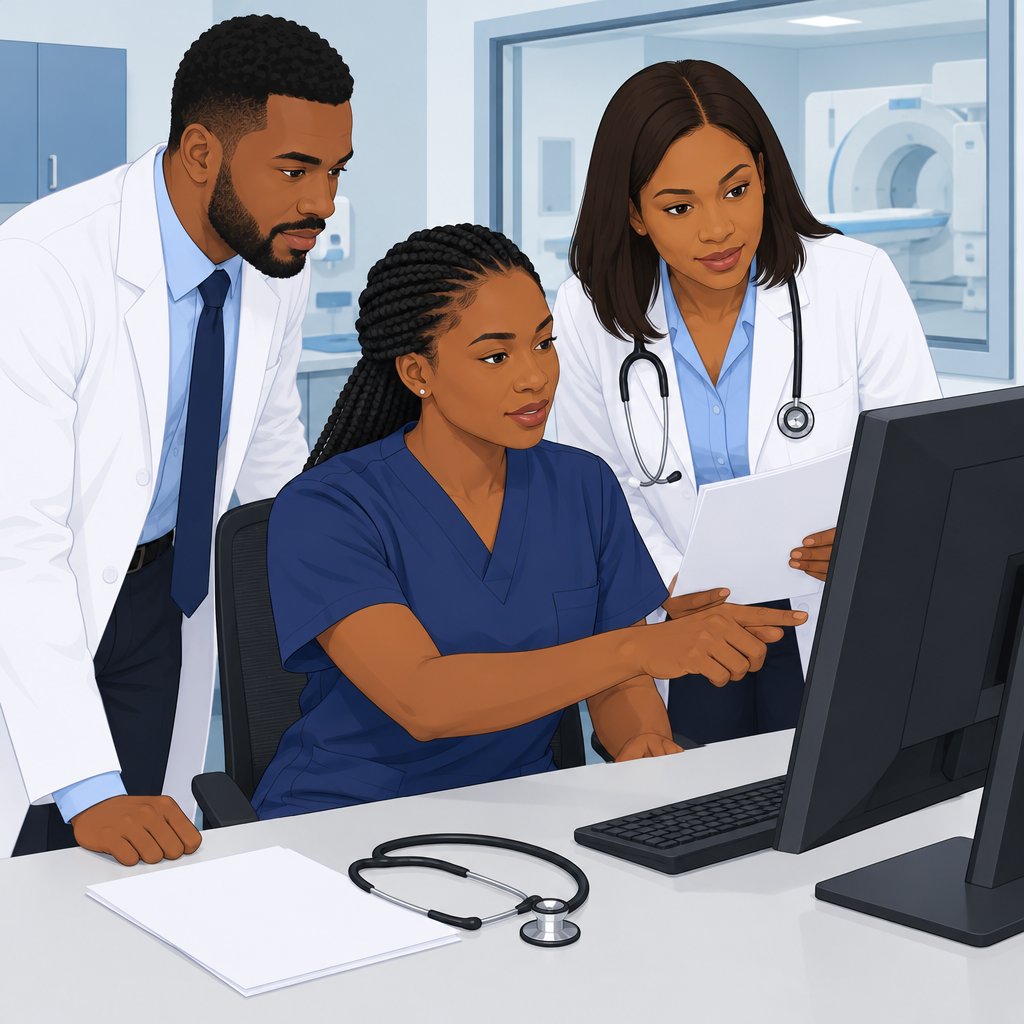
Staying Current with Radiography Advancements
Radiography continually introduces new technologies and techniques.
Radiographers who follow these developments can select effective methods for their practice.
As a result, current knowledge supports accurate diagnoses and suitable treatment planning.
Education and Training Opportunities
Workshops, seminars, and conferences expose radiographers to new ideas and professional practices.
Advanced certifications and degrees can help radiographers develop specialized expertise.
Specialized study in MRI or CT scanning can further expand their professional capabilities.
Continuous development also helps radiographers meet regulatory requirements and industry standards.
By reviewing current guidelines and protocols, they can maintain safe and effective care.
Through sustained learning, radiographers strengthen their expertise and support healthcare advancement.
Uncover the Details: Scholarships for Orthopaedic Tech Students Nigeria
Impact on Healthcare Outcomes
Radiographers improve healthcare outcomes through timely diagnoses and targeted interventions.
They perform X-rays, CT scans, MRI scans, and ultrasounds to identify diseases and injuries.
Their high-quality images help physicians and specialists make precise diagnoses and choose suitable treatment plans.
Early detection of fractures, tumors, and infections enables prompt medical intervention and can improve patient outcomes.
Contribution to Reducing Healthcare Costs
Radiographers help providers avoid unnecessary tests and treatments by clarifying the causes of patient symptoms.
They also support cost-effective imaging choices for individual cases.
Consequently, fewer redundant tests reduce patient expenses and pressure on healthcare resources.
Precise imaging helps healthcare organizations use available resources efficiently and control long-term costs.
Innovations in Radiography
Digital imaging and 3D reconstruction improve diagnostic accuracy and make radiography more efficient.
AI tools assist radiographers when they assess complex imaging data.
Meanwhile, mobile radiography units and telemedicine services extend diagnostic support to remote areas.
Ongoing education helps radiographers adopt new imaging techniques and keep pace with field developments.
Collaboration with Healthcare Teams
Radiographers coordinate with radiologists, physicians, and other professionals during patient care.
Clear team communication supports accurate imaging interpretation and timely intervention.
They connect patients with providers by explaining procedures and addressing concerns about imaging tests.
Through multidisciplinary collaboration, radiographers support coordinated care and stronger healthcare outcomes.
Collaborative Value of Radiographer Expertise
Radiographers bring specialized medical imaging expertise to healthcare teams.
Their dedication strengthens the care that patients receive.
Moreover, healthcare professionals rely on their contributions when planning diagnoses and treatments.
This collaboration supports timely and effective interventions for patients.
Healthcare teams should engage radiographers closely while delivering comprehensive, quality care.
By valuing radiographer expertise, teams can improve patient outcomes and experiences.
Additional Resources
Google search results for Importance of Radiographers in Healthcare Teams Medical
Bing search results for Importance of Radiographers in Healthcare Teams Medical


