




Introduction
Physiotherapy is a vital healthcare profession in Nigeria.
It focuses on rehabilitation and improving quality of life.
The profession plays a crucial role in restoring movement and function.
Physiotherapy forms an essential component of healthcare in Nigeria.
It provides holistic treatment for injuries, surgeries, and various medical conditions.
Practitioners promote physical well-being through exercise, manual therapy, and education.
Lack of Awareness and Understanding
Many Nigerians do not recognize physiotherapy or understand its benefits.
Physiotherapy uses exercises, manual therapy, education, and advice to support recovery.
Consequently, people may underrate or underuse this essential healthcare service.
Effects of Limited Awareness
Limited understanding can affect treatment decisions.
People may postpone care when they do not recognize physiotherapy’s value.
Such delays can worsen conditions and increase healthcare costs.
- Delayed or incomplete recovery may occur when individuals postpone physiotherapy treatment.
- Untreated conditions may worsen and create higher healthcare costs.
- People may avoid needed services because they remain unaware of physiotherapy.
- Misconceptions can stigmatize people who seek physiotherapy treatment.
Education and Awareness Campaigns
Education campaigns can explain physiotherapy’s role and benefits.
Healthcare organizations, government agencies, and professional bodies should work together.
They can organize workshops, seminars, and outreach programs for the population.
Strategies for Promoting Physiotherapy
Several practical approaches can increase public knowledge.
Media engagement can reach wider audiences and explain physiotherapy clearly.
School partnerships can introduce physiotherapy concepts to students early.
- Physiotherapy associations should use media platforms to educate wider audiences.
- Physiotherapists can partner with schools and universities to introduce relevant concepts.
- Community outreach programs can provide free sessions and demonstrate treatment effectiveness.
- Collaboration with healthcare providers can support integrated care and improve awareness.
Limited Access to Physiotherapy Services
Limited access to physiotherapy services significantly hinders quality healthcare delivery in Nigeria.
This challenge affects people most severely in rural areas where healthcare resources remain scarce.
Therefore, many individuals struggle to receive appropriate care for physical ailments.
- Nigeria has few physiotherapy facilities, especially in rural areas.
- A shortage of trained physiotherapists further limits service availability nationwide.
- Many remote communities lack access to basic physiotherapy services.
- Consequently, residents often struggle to obtain adequate care for physical ailments.
Barriers to Quality Physiotherapy Care
Patients often travel long distances to urban centers for physiotherapy treatment.
Furthermore, transportation costs create financial pressure for people with limited resources.
Healthcare providers and communities must improve access to physiotherapy services across Nigeria.
- Patients may travel long distances to reach urban physiotherapy centers.
- Transportation expenses can prevent individuals from pursuing needed treatment.
- Some patients may not know where to find nearby physiotherapy services.
Delve into the Subject: Understanding the Cost of Ophthalmic Procedures in Nigeria
Inadequate Funding and Resources
Insufficient government support and funding create major challenges for physiotherapy programs and facilities in Nigeria.
Without adequate resources, physiotherapists cannot consistently provide high-quality services to patients.
- The Nigerian government often overlooks physiotherapy within healthcare budgets, limiting support for training programs and facilities.
- Many physiotherapy centers lack basic equipment, including exercise machines and assessment tools.
- Inadequate funding also contributes to a shortage of qualified physiotherapists.
- Consequently, limited resources restrict service expansion into remote and underserved areas.
- Furthermore, underfunded facilities struggle to maintain consistent standards of care and efficient service delivery.
Government and other stakeholders should prioritize resources that strengthen physiotherapy and improve healthcare outcomes for Nigerians.
You Might Also Like: Scholarships for Orthopaedic Tech Students Nigeria
Standardized Regulation and Licensing for Physiotherapists
Physiotherapy in Nigeria faces significant challenges because regulatory frameworks and licensing requirements lack standardization.
This inconsistency can create differences in care quality and raise concerns about practitioner competence.
Moreover, Nigeria lacks a unified regulatory framework that consistently oversees physiotherapy practice nationwide.
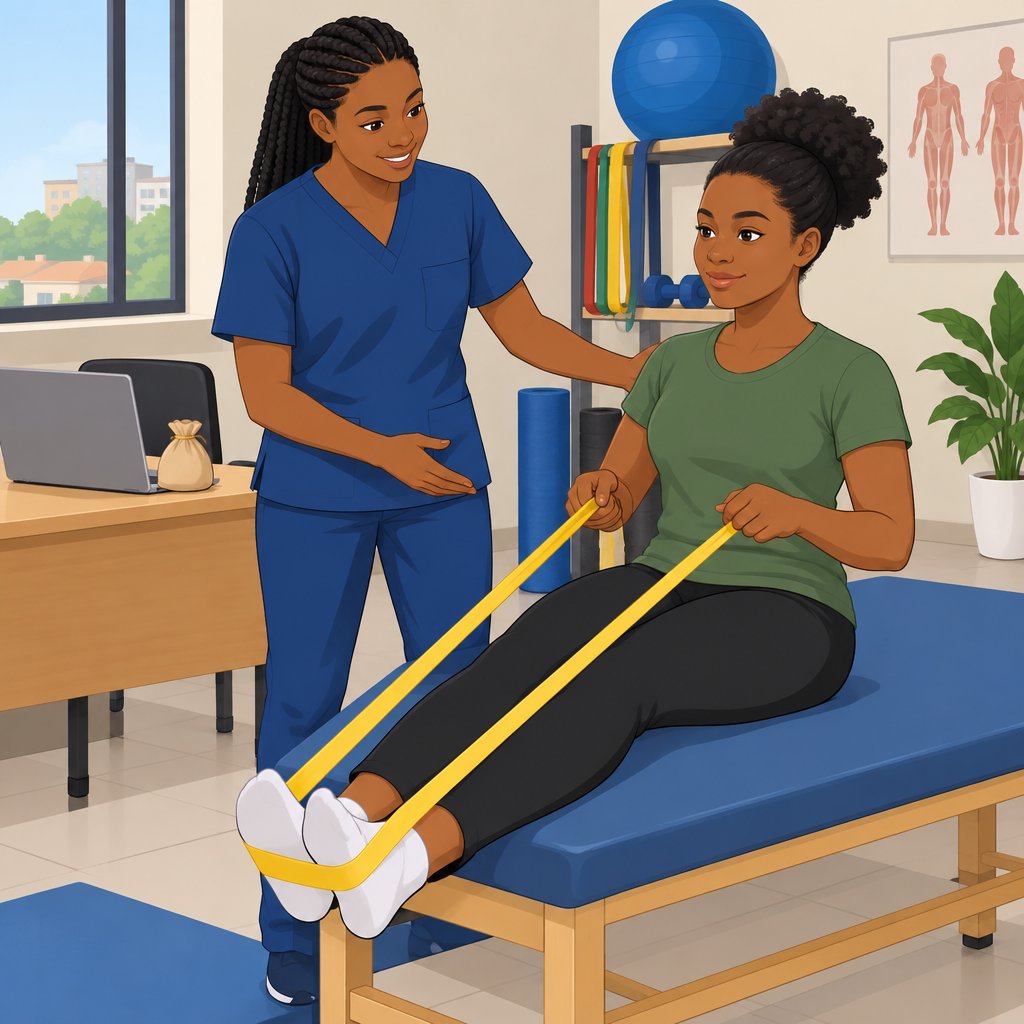
Improving Professional Oversight and Patient Safety
Multiple regulatory bodies at state and federal levels can make licensing difficult for physiotherapists.
Additionally, a simpler licensing process could reduce delays and help qualified professionals practice legally.
A centralized regulatory body could establish clear practice guidelines and consistent professional standards.
Strict licensing requirements could also limit unqualified individuals who present themselves as physiotherapists.
Such oversight would protect patients from ineffective or harmful treatment and strengthen public trust.
Therefore, standardized regulation could improve care quality, protect patients, and elevate physiotherapy’s professional status.
See Related Content: Prosthesis and Orthopaedic Tech Startups in Nigeria
Stigma and Misconceptions About Physiotherapy
Physiotherapy treatment in Nigeria often carries social stigma.
Transform Your Career with Expert Guidance
Get personalized mentorship consulting that’s tailored to your unique path. Our expert advice is actionable and exclusive.
Get StartedMany people associate treatment with weakness or disability, which can discourage them from seeking help.
Addressing these issues can improve access to physiotherapy services and strengthen their quality.
- Social stigma can make people reluctant to seek physiotherapy treatment in Nigeria.
- Common myths claim that physiotherapy only benefits athletes or lacks effectiveness.
- These misconceptions hinder the growth of the physiotherapy profession.
See Related Content: Importance of Early Dental Visits for Kids
Professional Development and Training
- Continuous training helps physiotherapists in Nigeria stay current with advances in their field.
- Regular training improves clinical skills, knowledge, and techniques, ultimately benefiting patient care.
- Therefore, physiotherapists must update their skills to provide the best possible patient care.
Challenges in Accessing Quality Training Programs
- One major challenge involves the lack of well-equipped training institutions in Nigeria.
- Additionally, Nigeria has too few qualified trainers and mentors for young physiotherapists.
- Financial constraints often prevent physiotherapists from attending costly training programs and conferences.
Opportunities for Career Advancement
- Physiotherapists can pursue specialized certifications in sports rehabilitation, geriatrics, or neurology.
- Furthermore, professional associations and networking can create opportunities for career advancement.
- Experienced practitioners can also mentor physiotherapists as they develop and advance their careers.
Strategies for Strengthening Physiotherapy in Nigeria
Physiotherapy in Nigeria faces inadequate funding, limited resources, weak public awareness, and insufficient training facilities.
These challenges restrict sector growth and reduce the consistent delivery of effective treatment.
Therefore, the government should prioritize healthcare funding for physiotherapy services.
Additional investment can improve infrastructure and provide modern equipment for better treatment delivery.
Furthermore, public health campaigns can explain physiotherapy’s benefits and encourage more people to seek care.
Educational programs can also improve understanding among communities and healthcare users.
Meanwhile, additional training institutions and programs can produce enough skilled professionals for population needs.
Ultimately, government, healthcare providers, educators, and the public must collaborate to strengthen the profession.
With coordinated action, physiotherapy can approach international standards and improve healthcare quality in Nigeria.
Additional Resources
Google search results for Challenges Facing Physiotherapy in Nigeria Medical
Bing search results for Challenges Facing Physiotherapy in Nigeria Medical


