



The Role of Human Nutrition and Dietetics
Human nutrition and dietetics examine how food affects health and wellbeing.
Proper nutrition supports good health by providing the nutrients the body needs.
In Nigeria, this field continues to gain recognition and importance.
Role of Nutrition in Health
Proper nutrition provides essential nutrients for growth, development, energy, and daily body functions.
It also helps the body fight disease, repair itself, and maintain overall well-being.
Furthermore, nutritious eating supports immunity, healthy weight management, mental health, and longevity.
Effects of Nutrition on Overall Health
- Nutrition forms the foundation of good health by supplying nutrients for growth, development, and energy.
- A balanced diet containing fruits, vegetables, whole grains, lean proteins, and healthy fats can help prevent chronic diseases.
- Consequently, proper nutrition can improve well-being and reduce the risk of certain illnesses.
Balanced Diets and Disease Prevention
- A balanced diet supplies the vitamins, minerals, and nutrients that the body needs to function properly.
- However, inadequate nutrient intake can cause deficiencies, weaken immunity, and increase infection risks.
- Eating varied foods from different food groups helps prevent deficiencies and supports lasting well-being.
Common Nutritional Deficiencies in Nigeria
- Vitamin A deficiency affects Nigeria and may cause night blindness, impaired immunity, and increased child mortality.
- Iron deficiency commonly affects pregnant women and children, often causing anemia and fatigue.
- Additionally, iodine deficiency can cause thyroid disorders, mental impairment, and growth-related problems.
Scope of Human Nutrition and Dietetics
Human nutrition and dietetics address how dietary choices support health and daily functioning.
This field includes nutrient intake, food selection, diet planning, assessment, and nutrition counseling.
Professionals apply these areas to individuals and communities in diverse health settings.
Core Areas of Human Nutrition and Dietetics
Nutrition professionals examine the nutrients that the body requires for proper functioning.
They also help people select foods that meet their nutritional requirements.
Additionally, they design balanced diets and evaluate nutritional status for possible deficiencies or excesses.
- They study essential nutrient intake and its contribution to proper body functioning.
- They guide informed food choices that help people meet nutritional requirements.
- They create balanced meal plans for individuals or populations.
- They assess nutritional status and identify possible deficiencies or excesses.
- They provide counseling that supports healthier dietary habits.
Professional Roles in Health Promotion
Nutritionists and dietitians promote health through dietary guidance and nutrition-related interventions.
They work in hospitals, schools, community health centers, and private practice.
Furthermore, they support individuals and communities as they develop sustainable dietary habits.
- They conduct nutritional assessments and develop suitable interventions.
- They educate clients and communities about healthy eating and lifestyle choices.
- They counsel individuals who want to make sustainable dietary changes.
- They advocate policies and programs that improve access to nutritious foods.
- They support efforts that address food insecurity within communities.
Education and Training in Nigeria
A career in Nigerian human nutrition and dietetics requires appropriate academic preparation.
Practical training helps aspiring professionals apply classroom knowledge in healthcare or food service settings.
Professional certification and continuing education support preparation for professional practice.
- Aspiring professionals obtain a bachelor’s degree in Nutrition and Dietetics or a related field.
- They complete a supervised internship in a healthcare or food service setting.
- They obtain certification from the Council for the Regulation of Food and Nutrition.
- They pursue continuing education to remain informed about developments in nutrition and dietetics.
Delve into the Subject: Continuing Education and Professional Development in Radiography
Traditional Nigerian Diet
Typical Nigerian meals combine flavorful dishes with carbohydrates, proteins, fats, vitamins, and minerals.
These food groups provide nutrients that support energy, growth, and overall well-being.
Furthermore, Nigerian cuisine includes many staples, proteins, vegetables, fruits, and cooking fats.
Common Foods and Their Nutritional Value
Nigerian cuisine commonly features rice, yams, plantains, beans, and various vegetables.
Meanwhile, beef, goat, chicken, and fish provide common protein sources in soups and stews.
Palm oil, groundnut oil, and coconut milk add fats and flavor to many dishes.
- Rice, yams, plantains, beans, and vegetables supply common dietary staples.
- Beef, goat, chicken, and fish provide protein for many meals.
- Palm oil, groundnut oil, and coconut milk contribute fats used in cooking.
- Mangoes, oranges, pineapples, and bananas provide additional vitamins and minerals.
Benefits and Challenges of Traditional Nigerian Cuisine
The traditional diet combines diverse food groups that can help prevent nutrient deficiencies.
Fresh ingredients and traditional cooking methods can also increase the nutritional value of meals.
However, frequent fried foods, excessive salt, and added sugar can create dietary challenges.
Excessive consumption of these ingredients can contribute to obesity, hypertension, and diabetes.
Strategies for Including Traditional Foods in a Balanced Diet
People can enjoy traditional Nigerian foods while making choices that support dietary balance.
For example, healthier cooking methods can reduce the amount of added fat in meals.
Additionally, vegetables, fruits, and salads can increase fiber intake and promote satiety.
- Include a variety of traditional foods to support a balanced nutrient intake.
- Choose steaming, grilling, or baking instead of frying when possible.
- Limit added salt, sugar, and oil during meal preparation.
- Pair traditional dishes with fresh salads, fruits, and vegetables.
- Stay physically active to help maintain a healthy weight.
These strategies preserve traditional flavors while supporting a balanced and nutritious eating pattern.
Discover More: Key Roles in Nigeria's Public Health Technology Sector
Contemporary nutrition issues affect food choices, health, and dietetic practice in Nigeria.
Several factors shape these issues, including dietary change, globalization, food access, and malnutrition.
Understanding these factors supports efforts to promote healthier eating and better nourishment.
Analysis of Modern Dietary Trends in Nigeria
Modern dietary trends are changing how many people choose and consume food in Nigeria.
Processed foods increasingly contain high amounts of sugar, salt, and unhealthy fats.
Meanwhile, urbanization and sedentary lifestyles influence dietary habits and overall health.
Transform Your Career with Expert Guidance
Get personalized mentorship consulting that’s tailored to your unique path. Our expert advice is actionable and exclusive.
Get Started- People increasingly consume processed foods high in sugar, salt, and unhealthy fats.
- Many people shift from traditional diets toward more westernized diets.
- Fast food chains and convenience foods encourage poor nutritional choices.
- Urbanization and sedentary lifestyles affect dietary habits and overall health.
Impact of Globalization on Food Choices and Nutrition
Globalization expands the range of foods available to people in Nigeria.
New cuisines and ingredients can influence established dietary patterns.
People must balance global food trends with local nutrition practices.
- Globalization provides access to food options from different cultures and regions.
- New cuisines and ingredients influence traditional dietary patterns.
- Processed and packaged foods may become more accessible without providing strong nutritional benefits.
- Communities face challenges while balancing global trends with local nutrition practices.
Food Insecurity and Malnutrition in Nigeria
Food insecurity limits access to affordable and nutritious food for many people.
Poverty contributes to malnutrition and micronutrient deficiencies in many communities.
Government intervention and effective policies can help improve food security.
- Many people lack adequate access to affordable and nutritious food.
- High poverty levels contribute to malnutrition and micronutrient deficiencies.
- Weak food storage and distribution infrastructure worsens food insecurity.
- Government policies should support food security for all citizens.
Addressing these contemporary issues can support a healthier and better-nourished population.
Find Out More: Future of Public Health Technology in Nigeria
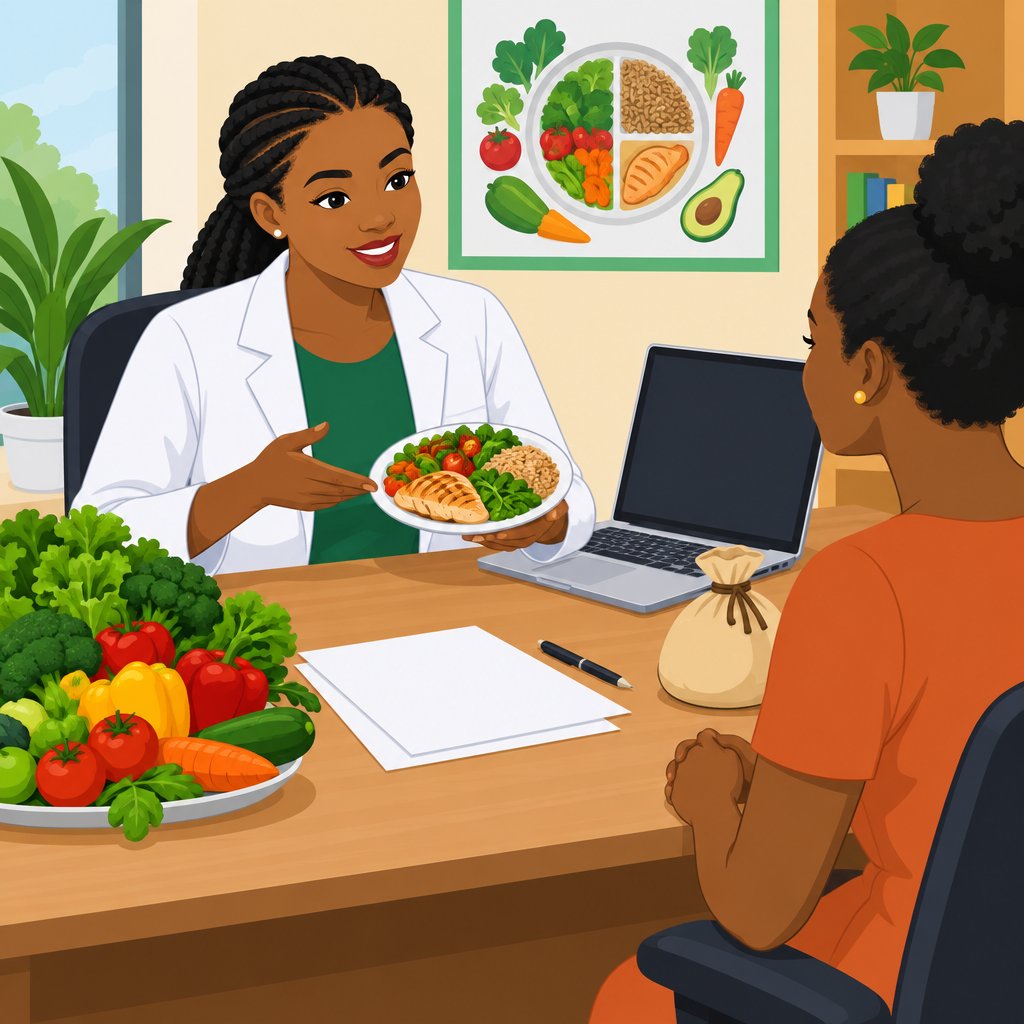
Exploration of Cultural Beliefs and Practices Related to Food and Nutrition in Nigeria
Nigeria has diverse cultures, each with distinct beliefs and practices related to food and nutrition.
Food provides more than nourishment in Nigeria; it also carries cultural and social significance.
Moreover, ethnic groups preserve traditional foods that they often serve during special occasions and celebrations.
Importance of Understanding Cultural Influences on Dietary Habits
Understanding cultural influences helps promote healthy eating across Nigeria.
Cultural beliefs, traditions, and social norms often shape dietary choices.
Therefore, nutrition programs may fail when they ignore or dismiss these influences.
Strategies for Promoting Healthy Eating While Respecting Cultural Traditions
Health promoters can respect Nigerian traditions while encouraging balanced eating.
They should use culturally sensitive strategies that involve communities and recognize regional food diversity.
In addition, local collaboration can connect traditional practices with current nutrition guidance.
- Educators can explain the nutritional value of traditional foods and their place within balanced diets.
- Communities can adapt traditional recipes by reducing sugar, salt, and unhealthy fats.
- Families can embrace Nigerian culinary diversity by enjoying traditional foods from different regions.
- Community leaders can promote healthy eating practices that align with cultural traditions.
- Nutrition guidance can combine traditional dietary practices with modern recommendations.
Discover More: Exploring Nutrition and Dietetics Volunteer Roles Nigeria
Promoting Nutrition Education
Nutrition education helps individuals develop healthy eating habits, especially during childhood.
It teaches students how balanced diets provide essential nutrients.
Schools and communities can therefore address malnutrition and diet-related health issues in Nigeria.
Nutrition Education in Schools and Communities
Schools can teach nutrition through lessons that connect food choices with health.
Community education can empower people to make informed food choices.
These efforts also encourage healthier lifestyles among diverse populations.
Strategies for Raising Nutrition Awareness
Several strategies can raise awareness about the benefits of a healthy diet.
Interactive learning can make nutrition information easier to understand and apply.
Furthermore, partnerships can extend nutrition messages beyond classrooms and community meetings.
- Schools and community organizations can develop curriculum-based programs with interactive activities, cooking demonstrations, and workshops.
- Organizations can use social media, websites, and mobile applications to reach wider audiences.
- Local health groups, NGOs, and government agencies can organize seminars, events, and health fairs.
- Healthcare professionals can provide credible advice about dietary habits and healthy eating.
Collaboration for Nutrition Education in Nigeria
Healthcare professionals, government agencies, schools, and community organizations can coordinate nutrition education efforts.
Such collaboration combines resources, expertise, and networks to reach diverse populations across Nigeria.
These stakeholders can therefore create comprehensive programs for schools, communities, and healthcare settings.
Dietitians, nutritionists, and public health experts can create evidence-based educational materials.
They can also conduct training sessions and counsel people with specific dietary needs.
Meanwhile, the Ministry of Health and Ministry of Education can support policies, regulations, and funding.
These agencies can strengthen nutrition education initiatives through coordinated public action.
Future Trends in Human Nutrition
This section examines emerging trends and innovations in human nutrition and dietetics.
Science and technology continue advancing, so nutrition approaches keep evolving.
These changes influence how professionals understand and apply nutrition.
Discussion of Emerging Trends
Personalized nutrition represents one important emerging trend in human nutrition.
Technology now helps professionals tailor nutrition plans to individual needs.
These plans can consider genetics, lifestyle, and health conditions.
Plant-based diets have also become increasingly popular.
Many people recognize the health and environmental benefits of plant-based foods.
This shift toward plant-based eating will likely continue in coming years.
Potential Advancements in Nutritional Science
Advances in nutritional science and technology are creating new possibilities.
Artificial intelligence can help analyze dietary patterns.
Meanwhile, functional foods can provide specific health benefits.
Nutrigenomics examines how genes interact with nutrients.
This field could transform nutritional understanding and practice.
It may support more personalized and effective nutrition interventions.
Importance of Staying Informed and Adapting
Nutrition professionals must stay informed as the field continues evolving.
Current research and emerging trends can improve client and patient support.
Professionals can provide stronger recommendations by following developments in nutrition.
Adapting to change helps nutrition professionals maintain relevance and effectiveness.
Embracing new technologies and approaches can strengthen the care they provide.
Innovation and informed practice can help shape a healthier future.
Applying Nutrition Principles in Nigeria
Human nutrition and dietetics can promote health and well-being in Nigeria.
Understanding balanced diets and healthy eating habits helps individuals prevent diseases and maintain optimal health.
Therefore, individuals should prioritize nutritional needs and make informed dietary choices that support their well-being.
Emphasizing nutrition and dietetics can help create a healthier population in Nigeria.
It can also reduce the burden of nutrition-related diseases.
Additionally, further study of nutrition and dietetics can deepen personal understanding.
With this knowledge, people can make positive lifestyle changes and support the health of Nigeria’s population.
Additional Resources
Google search results for Introduction to Human Nutrition and Dietetics in Nigeria Health Sciences
Bing search results for Introduction to Human Nutrition and Dietetics in Nigeria Health Sciences


