



Biomedical Technology and Engineering
Biomedical technology applies tools and techniques to improve healthcare processes.
Biomedical engineering develops innovative medical devices and technologies.
Both fields play crucial roles in advancing healthcare and medicine.
Biomedical technology supports effective patient diagnosis, monitoring, and treatment.
Meanwhile, biomedical engineering creates advanced equipment and devices to improve patient care.
Biomedical technology applies advanced tools and equipment to improve patient care, diagnosis, treatment, and medical research.
It connects biology, medicine, and engineering to address healthcare challenges.
Biomedical Technology in Healthcare
Healthcare professionals use these systems to diagnose, monitor, and treat patients.
Moreover, biomedical engineers help create devices that serve patients and healthcare providers.
These technologies support medical practice, research, and patient-centered care.
- Biomedical technology includes tools, devices, and systems for healthcare applications.
- Healthcare professionals use these resources to monitor conditions and support treatment decisions.
Biomedical Technology Applications and Examples
Medical imaging tools, including MRI and CT scans, reveal internal structures and help detect abnormalities.
Laboratory equipment supports molecular disease research through DNA sequencing and mass spectrometry.
Additionally, these technologies help hospitals deliver care and expand access through remote services.
- Pacemakers and prosthetic limbs can improve patient quality of life and physical function.
- Hospitals use biomedical technology to monitor vital signs and administer medication.
- Medical teams also use these systems to assist with surgical procedures.
- Telemedicine platforms enable remote consultations and patient monitoring.
- Remote services can improve access for patients in rural or underserved areas.
- Through collaboration, healthcare professionals and engineers develop useful medical technologies.
Together, these applications advance healthcare and support better patient outcomes.
Biomedical Engineering in Healthcare
Biomedical engineering applies engineering principles to medicine and biology.
It combines engineering design with medical and biological knowledge.
As a result, the field addresses healthcare challenges through practical solutions.
Engineering Principles in Healthcare
Engineers use mechanical principles to design prosthetic limbs.
They apply electrical engineering concepts when developing medical imaging devices.
Furthermore, materials science supports biomaterial development for tissue engineering.
- Designing prosthetic limbs with mechanical engineering principles
- Developing medical imaging devices with electrical engineering concepts
- Creating biomaterials for tissue engineering through materials science
Biomedical Engineering and Medical Device Development
Biomedical engineers contribute to medical device development.
These devices can improve patient outcomes and quality of life.
For example, engineers support technologies for cardiac care, mobility, and medical imaging.
- Pacemakers and implantable defibrillators for cardiac patients
- Artificial organs, including kidneys and heart valves
- Biomedical imaging technologies, such as MRI and CT scanners
- Prosthetic limbs and exoskeletons for mobility assistance
Biomedical engineering joins engineering, medical, and biological sciences to develop healthcare solutions.
Learn More: Medical Microbiology Internships in Nigeria
Education and Training Requirements
A career in biomedical technology requires preparation in science and technology.
Individuals typically build this foundation through formal education and relevant training.
This preparation supports work involving biomedical tools, systems, and applications.
Educational Background for Biomedical Technology
Students pursuing biomedical technology typically need a strong foundation in science and technology.
These subjects prepare individuals for further study in biomedical technology.
They also establish knowledge relevant to related technical fields.
Degrees and Certifications for Biomedical Technology
Employers usually require a bachelor’s degree in biomedical technology or a related field.
Biomedical engineering technology provides another relevant degree pathway.
Some employers may prefer candidates with master’s degrees or relevant certifications.
Biomedical Technology and Biomedical Engineering Education
Biomedical engineering requires broader study of engineering principles and biological sciences.
Employers usually require a bachelor’s degree in biomedical engineering or a related field.
Higher-level biomedical engineering positions may require master’s or doctoral degrees.
Gain More Insights: Sinus Surgery Recovery: Tips for Nigerians
Job Opportunities in Biomedical Technology
Biomedical technology offers diverse career paths for people interested in healthcare and technology.
Professionals in this field support medical equipment, research, data analysis, and diagnostic services.
Transform Your Career with Expert Guidance
Get personalized mentorship consulting that’s tailored to your unique path. Our expert advice is actionable and exclusive.
Get StartedAdditionally, their work can improve healthcare processes and patient care.
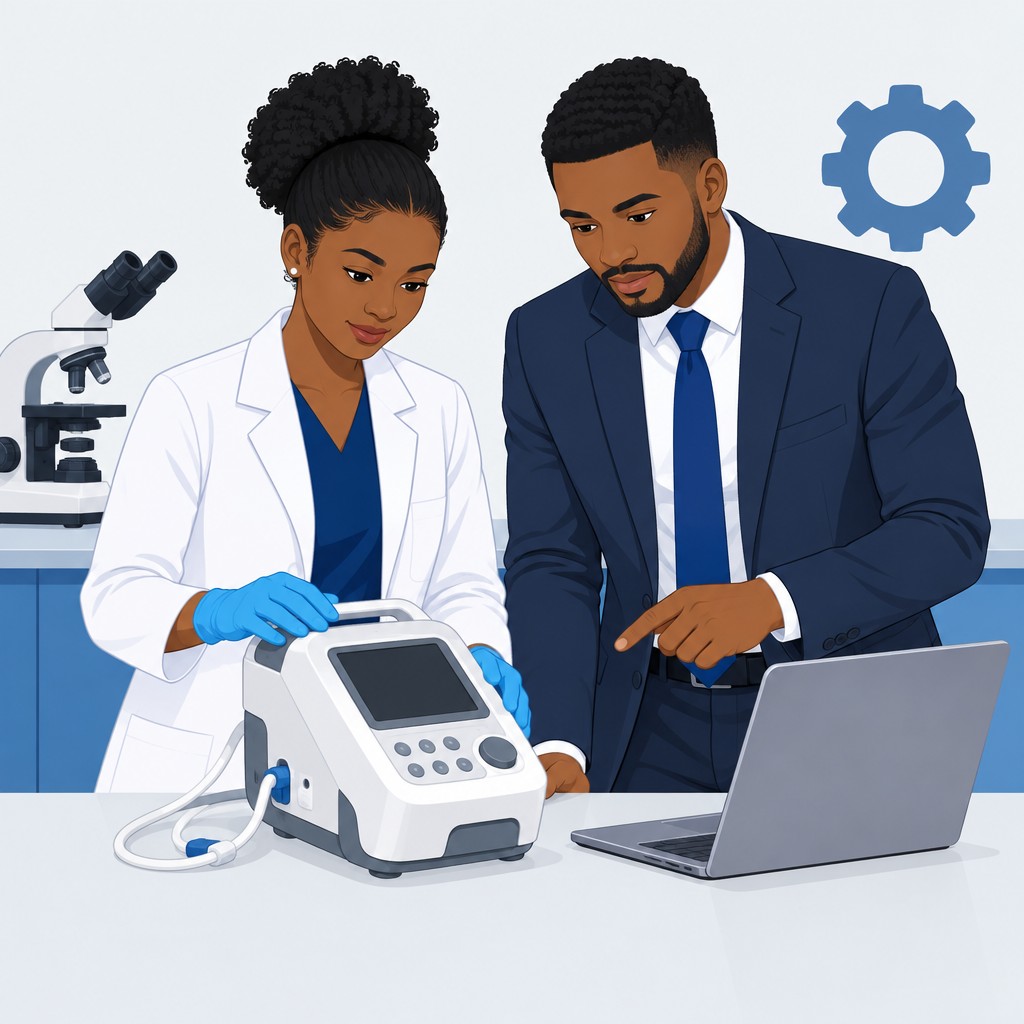
Career Options in Biomedical Technology
Biomedical technology professionals can choose roles that match their interests and technical skills.
Some careers focus on equipment, while others emphasize research, data, or diagnostic imaging.
Furthermore, each career path supports healthcare through specialized responsibilities.
- Biomedical equipment technicians maintain and repair medical equipment.
- Clinical engineers design and develop medical devices.
- Biomedical scientists conduct research that improves healthcare and diagnostics.
- Biomedical informatics specialists manage and analyze healthcare data.
- Medical imaging technologists operate and maintain imaging equipment.
Roles and Responsibilities in Biomedical Technology
Professionals perform different duties based on their specific biomedical technology career.
However, many roles require careful attention to equipment, research, data, or diagnostic procedures.
Consequently, these responsibilities help organizations provide reliable healthcare services.
- Technicians maintain and repair medical equipment for proper operation.
- Clinical engineers design and develop devices that support patient care.
- Scientists conduct experiments and research to advance medical knowledge.
- Informatics specialists analyze healthcare data to identify useful trends.
- Imaging technologists operate and maintain diagnostic imaging equipment.
Salary Range and Job Outlook
Salaries vary according to experience, education, and location.
On average, biomedical technology professionals earn between $50,000 and $100,000 annually.
Moreover, the field offers a generally positive job outlook.
Employment was expected to grow by 6% from 2019 to 2029.
Advancements in medical technology help drive this projected growth.
An aging population also increases demand for healthcare services.
These opportunities allow professionals to support meaningful advances across the healthcare industry.
Explore Further: Children's Dental Health Awareness in Nigeria
Biomedical Engineering Career Paths
Biomedical engineering offers varied career paths across healthcare technology, research, and device development.
Professionals can choose roles matching their interests in design, clinical support, regulation, or biological research.
Additionally, each position helps advance healthcare technologies and improve patient outcomes.
- Biomedical Engineer
- Clinical Engineer
- Medical Device Developer
- Biomechanics Engineer
- Regulatory Affairs Specialist
- Tissue Engineer
- Rehabilitation Engineer
- Biomedical Researcher
Biomedical Engineering Roles and Responsibilities
Biomedical engineering professionals design, develop, test, and maintain medical equipment and technologies.
They also work with healthcare professionals to identify needs and support safe device use.
Furthermore, regulatory compliance and performance evaluation guide their work throughout development.
- Designing medical devices and equipment
- Testing and evaluating medical technology performance
- Collaborating with healthcare professionals to understand their needs
- Ensuring compliance with regulatory standards
- Conducting research to improve existing technologies
- Training healthcare staff to use new devices
Biomedical Engineering Salary and Employment Outlook
Biomedical engineering provides competitive salaries and promising employment prospects.
The Bureau of Labor Statistics reported a median annual wage of $91,410 in May 2020.
The top 10 percent of earners made more than $148,210.
The field was projected to grow 5 percent from 2020 to 2030.
This growth exceeded the average projected growth for all occupations.
Demand for advanced medical technologies supports this projected growth.
Consequently, the field offers opportunities to support healthcare innovation while pursuing a meaningful career.
Learn More: Impact of COVID-19 on Medical Education in Nigeria
Key Differences Between Biomedical Technology and Biomedical Engineering
Biomedical technology professionals maintain and support medical equipment used in healthcare settings.
Biomedical engineers design, develop, and improve devices that address medical needs.
Together, these professionals support reliable equipment and practical advances in patient care.
- Contrasting responsibilities and focus of each field
- Different skill sets required for professionals in each field
- How biomedical technology and biomedical engineering work together in healthcare settings
Contrasting Responsibilities and Focus
Biomedical technology professionals inspect, maintain, and service medical equipment.
They troubleshoot equipment problems and help healthcare facilities keep devices operating correctly.
Furthermore, they apply regulatory knowledge while supporting accurate diagnostic and treatment services.
Distinct Skill Sets for Each Profession
Biomedical technology professionals need knowledge of electronics, mechanics, and equipment troubleshooting.
They also understand regulatory standards that guide medical device operation and maintenance.
Biomedical engineers use mechanical, electrical, or chemical engineering principles when developing medical devices.
Additionally, they use computer modeling and analysis to design and test equipment.
Collaboration in Healthcare Settings
Biomedical technology professionals help ensure that medical devices function correctly during healthcare services.
Biomedical engineers collaborate with healthcare providers to address medical challenges through device development.
As a result, both groups help healthcare facilities operate equipment reliably and support patient care.
Distinct Roles and Future Directions
Biomedical technology focuses on healthcare tools, devices, and equipment, while biomedical engineering applies engineering principles to medical challenges.
For example, biomedical engineers may design prosthetics or develop medical imaging systems.
Recognizing these roles helps aspiring professionals choose suitable education and career paths within healthcare.
This understanding also clarifies the responsibilities associated with each discipline.
Furthermore, deeper exploration can encourage innovations that advance medical science and technology.
Such progress may improve healthcare outcomes for people around the world.
Additional Resources
Google search results for Biomedical Technology vs Biomedical Engineering Medical
Bing search results for Biomedical Technology vs Biomedical Engineering Medical


