



Children’s Dental Health in Nigeria
Children’s dental health awareness remains important in Nigeria.
Many children experience tooth decay and other oral health problems.
Therefore, families and communities need clear information about children’s oral health.
Why Dental Health Awareness Matters
Dental health awareness helps families recognize children’s oral health needs.
Parents and caregivers can use this knowledge to support healthier dental habits.
As a result, children may receive attention before oral problems become more serious.
Effects of Poor Dental Health
Untreated dental problems can cause pain and infection.
Additionally, children may experience difficulty eating when oral health problems continue.
These difficulties can also contribute to school absences.
Barriers to Children’s Dental Care
Many Nigerian families face barriers when seeking dental services for their children.
Some families struggle to find affordable dental care.
Furthermore, access to quality services remains difficult for many households.
Education and Prevention
Dental health education gives parents useful information about preventing oral problems.
Caregivers can apply this knowledge when supporting children’s oral health.
Consequently, awareness can strengthen prevention efforts among children and families.
Community Support and Dental Resources
Organizations can help communities raise awareness about children’s dental health.
Healthcare providers can also share information and provide useful resources.
Through these efforts, communities can support better oral health awareness.
Building a Healthier Future
Improving children’s dental health awareness requires continued attention in Nigeria.
Parents, caregivers, organizations, and healthcare providers all have important roles.
Together, these efforts can support a healthier future generation.
The Current State of Children’s Dental Health in Nigeria
Children in Nigeria experience several dental health challenges.
Poor oral hygiene, limited dental services, and unhealthy diets contribute to these challenges.
These concerns can affect children’s health, comfort, and daily well-being.
- Dental issues affect many children before they reach adolescence.
- Cavities, gum disease, and malocclusion commonly affect children’s oral health.
Prevalence of Dental Issues Among Children
Dental problems remain widespread among children in Nigeria.
A Nigerian Dental Association survey reported that about 65 percent of children experience dental issues before age twelve.
This reported prevalence highlights the need for stronger prevention and early care.
Common Dental Problems Affecting Nigerian Children
Several conditions appear frequently among children with limited oral care.
Daily habits, dietary choices, and access to treatment can influence children’s dental health.
Early attention can help families address problems before they become more serious.
- Cavities develop when sugary foods and poor oral hygiene damage teeth.
- Gum disease can result from plaque buildup and inadequate dental care.
- Malocclusion involves misaligned teeth or incorrect bite patterns.
- Genetics, thumb-sucking, and poor dental habits may contribute to malocclusion.
Effects of Poor Dental Health on Children
Untreated dental problems can cause pain and discomfort.
Children may also experience difficulty eating, speech problems, or reduced self-esteem.
Furthermore, untreated conditions can create more severe complications and lasting oral health problems.
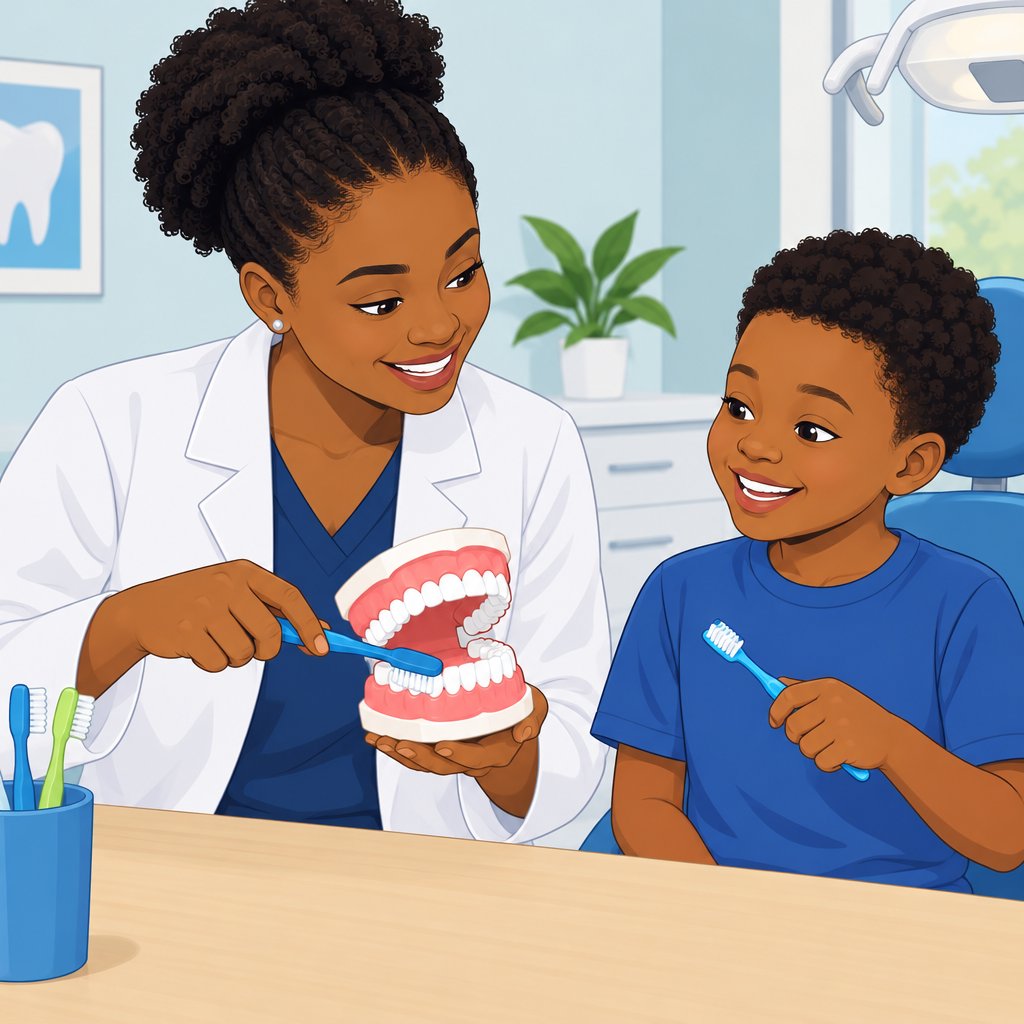
Strategies for Improving Children’s Dental Health Awareness
Effective awareness efforts should reach schools, communities, families, and healthcare facilities.
Accessible services can help children receive preventive care and timely treatment.
Healthcare professionals can support early detection and guide families toward healthier choices.
- Schools and communities can provide oral hygiene education and awareness programs.
- Affordable dental services can improve access in rural and urban areas.
- Dentists and pediatricians can collaborate on early detection and intervention.
- Children should eat balanced diets containing fruits, vegetables, and dairy products.
- Families should limit sugary snacks and beverages to help prevent dental problems.
Supporting Better Dental Health Outcomes
Dental health awareness can help Nigerian families protect children’s oral health.
Regular hygiene practices and dental check-ups can support healthier development.
Coordinated efforts can help create a healthier future for Nigerian children.
Factors Contributing to Poor Dental Health in Children
Several factors contribute to poor dental health among children in Nigeria.
Transform Your Career with Expert Guidance
Get personalized mentorship consulting that’s tailored to your unique path. Our expert advice is actionable and exclusive.
Get StartedThese factors include limited dental services, weak oral hygiene practices, and unhealthy dietary choices.
Addressing these challenges requires awareness, preventive care, and healthier daily habits.
Limited Access to Dental Care
- Many children lack regular dental check-ups and treatment because resources and healthcare infrastructure remain limited.
- Additionally, few dental clinics and qualified professionals serve rural areas, leaving problems undiagnosed and untreated.
- Moreover, some parents underestimate dental care, which reduces awareness and preventive action for their children.
Poor Oral Hygiene Practices
- Children may not learn the importance of brushing and flossing regularly.
- Consequently, plaque can build up and eventually cause tooth decay.
- Incorrect brushing techniques and toothpaste with inadequate fluoride can further weaken children’s oral health.
Unhealthy Dietary Choices
- Many children consume sugary foods and beverages, increasing the risk of dental caries and cavities.
- High sugar intake supports harmful mouth bacteria and weakens tooth enamel.
- Furthermore, insufficient calcium and essential vitamins can affect healthy teeth and gums.
Therefore, families and communities should strengthen children’s dental health awareness.
Parents and caregivers can encourage regular check-ups, effective brushing, and healthier dietary habits.
These actions can support better oral hygiene and help prevent dental problems among children.
Learn More: Impact of COVID-19 on Medical Education in Nigeria
One key aspect of children’s dental health awareness in Nigeria involves early dental health education.
Significance of Early Dental Care Education
Early dental education remains crucial because it helps children develop consistent oral hygiene habits.
Children who learn dental care early are more likely to practice healthy oral routines.
Additionally, teaching brushing and flossing techniques prepares children to care for their teeth.
Regular dental check-ups can help children develop positive attitudes toward dental visits.
These habits may also support children’s overall health and well-being.
Preventing Future Dental Problems Through Early Education
Early education also helps prevent future dental problems in children.
Teaching children to care for their teeth and gums can reduce their risk of cavities and gum disease.
Furthermore, explaining the harmful effects of sugary foods and drinks can help prevent tooth decay.
Regular check-ups can identify dental problems early, allowing timely treatment and reducing further complications.
Proper oral hygiene education may reduce future treatment costs and support lasting oral health.
Early dental education gives children practical knowledge for maintaining healthy teeth and gums.
When adults emphasize proper care, children can develop habits that support their health throughout life.
Find Out More: Profiles of Notable Veterinarians in Nigeria
Challenges of Promoting Dental Health Awareness in Nigeria
Several challenges hinder efforts to promote dental health awareness in Nigeria.
These challenges include socioeconomic barriers, cultural beliefs, and attitudes toward oral health.
Addressing these barriers can improve children’s access to essential dental care.
Socioeconomic Factors Affecting Access to Dental Care
- Lack of access to affordable dental services
- Inadequate numbers of dentists in remote areas
- High costs of dental treatments
- Lack of dental insurance coverage
- Poor infrastructure for dental care services
These socioeconomic factors limit children’s access to dental care in Nigeria.
Many families cannot afford regular dental visits for their children.
Consequently, children may experience poorer oral health outcomes.
Cultural Beliefs and Attitudes Toward Oral Health
- Prevalence of traditional dental practices
- Belief that dental problems are not serious
- Stigma associated with seeking dental care
- Reluctance to adopt modern oral hygiene practices
- Emphasis on physical appearance over oral health
Cultural beliefs and attitudes also create challenges for dental health awareness in Nigeria.
Many communities continue to rely on traditional dental practices.
These practices may not effectively prevent dental problems.
Effective responses require several coordinated actions.
Improving access to affordable dental care can address socioeconomic barriers.
Raising awareness can clarify the importance of oral health and challenge misconceptions.
Working together can help children in Nigeria access the dental care they need.
Gain More Insights: Biomedical Technology Conferences and Events Nigeria
Improving children’s dental health awareness remains important in Nigeria.
Schools, communities, clinics, and families can support this effort through coordinated oral health activities.
These strategies can make oral health guidance more accessible to children and parents.
Community Strategies for Increasing Awareness
Schools can teach children practical lessons about dental health and daily oral hygiene.
Community workshops can help parents and children understand the importance of caring for their teeth.
Meanwhile, clinics and social media can extend useful dental information beyond school settings.
- Collaborate with schools to implement dental health education programs.
- Organize community workshops on the importance of oral hygiene.
- Use social media platforms to share dental health tips and facts.
- Partner with local clinics to provide free dental check-ups for children.
Promoting Regular Dental Check-ups
Regular dental visits help families focus on preventive care for children.
Reminder systems can help families arrange routine appointments more consistently.
Additionally, parental example can encourage children to value regular dental care.
- Emphasize the benefits of preventive care to parents and children.
- Create reminder systems for families to schedule routine dental appointments.
- Offer incentives such as discounts or prizes for regular dental visits.
- Encourage parents to serve as positive role models by prioritizing their own oral health.
Proper Oral Hygiene Practices
Children need clear guidance on brushing and flossing correctly.
Parents can support these habits by providing suitable dental products.
Limiting sugary snacks and drinks can also support healthier teeth.
- Teach children the correct way to brush and floss their teeth.
- Highlight the link between oral health and overall well-being.
- Provide access to affordable dental products like toothpaste and toothbrushes.
- Encourage parents to limit sugary snacks and drinks to help prevent cavities.
Discover More: Mental Health Challenges in Nigerian Medical Schools
Role of Schools and Communities in Promoting Dental Health Awareness
Schools and communities play important roles in promoting dental health awareness among children in Nigeria.
Together, they can teach children why oral hygiene and regular dental check-ups matter.
These efforts can help children develop healthy habits that support lifelong oral health.
Potential Influence of Schools and Community Programs
Schools can provide educational resources that explain basic dental care in clear and accessible ways.
Teachers may include dental health topics in classroom activities and everyday discussions.
Community programs can extend this education through workshops, seminars, screenings, and supportive outreach.
- Provide educational resources to children
- Organize dental health workshops and seminars
- Encourage dental screenings and check-ups
- Promote regular brushing and flossing
By using their resources, schools and communities can create environments that prioritize dental health.
This approach can encourage children to view oral hygiene and dental care positively.
Collaboration Among Healthcare Providers, Educators, and Parents
Healthcare providers can offer professional expertise and practical guidance about preventive dental care.
Educators can incorporate dental health education into suitable classroom lessons and activities.
Parents can reinforce these lessons by supporting healthy oral hygiene habits at home.
- Healthcare providers offer expertise and guidance
- Educators incorporate dental health education into the curriculum
- Parents reinforce healthy oral hygiene habits at home
When these stakeholders cooperate, children receive consistent messages about oral hygiene and preventive care.
Such cooperation can strengthen dental health awareness and encourage children to prioritize their oral health.
Schools and communities can therefore help children build a foundation for healthier smiles.
Sustaining Children’s Dental Health in Nigeria
Prioritizing children’s dental health awareness in Nigeria can help prevent oral health issues.
Parents and caregivers should promote good oral hygiene practices among children.
Additionally, regular dental check-ups, proper brushing, and flossing support healthy teeth.
A balanced diet can also support children’s dental health.
Furthermore, educational programs and community initiatives can increase awareness of dental health.
Preventive care and early intervention can help children maintain healthy smiles.
By working together, families and communities can strengthen children’s oral health practices.
Additional Resources
Google search results for Children's Dental Health Awareness in Nigeria Medical
Bing search results for Children's Dental Health Awareness in Nigeria Medical


