



Introduction
Anatomical pathology procedures examine tissues and organs to diagnose diseases.
Understanding these procedures helps patients in Nigeria participate actively in healthcare.
Patients can use this understanding to engage with their healthcare.
Overview of Anatomical Pathology
- Definition of anatomical pathology: Anatomical pathology examines tissues and organs to diagnose disease.
- Common tests and procedures: Common procedures include biopsies, autopsies, and cytology studies.
- Role in diagnosis: Anatomical pathology identifies disease causes, assesses severity, and guides treatment decisions.
Pre-Procedure Preparation
Patients should prepare carefully before undergoing anatomical pathology procedures in Nigeria.
Preparation helps procedures proceed smoothly and supports accurate results.
Following healthcare instructions also promotes patient safety throughout the process.
Importance of Following Pre-Procedure Instructions
- Following instructions helps healthcare providers obtain accurate and useful pathology results.
- Additionally, proper preparation supports patient safety during the procedure.
- Neglecting required steps may produce incorrect results or cause procedural complications.
Common Pre-Procedure Steps for Patients
- Fast before the procedure when healthcare providers require fasting for accurate results.
- Tell your healthcare provider about every medication you currently take.
- Some medications may interfere with test results.
- Arrive on time to complete paperwork and other required preparations.
- Wear comfortable clothing and follow any specific clothing instructions.
- Stay hydrated, but avoid food or drinks that may affect the results.
- Prepare to discuss your medical history and other relevant information.
Addressing Concerns and Questions with Your Healthcare Provider
- Share any concerns or questions with your healthcare provider before the procedure.
- Ask about the procedure’s risks, benefits, and expected outcomes.
- Explain any allergies or previous adverse reactions to medications or procedures.
- Discuss doubts or fears to help address anxiety before the test.
- Request clarification about instructions or requirements you do not understand.
- Your healthcare provider can offer guidance and support throughout the process.
Explore Further: Maternal Health Challenges in Nigeria
During the Procedure
When you arrive for your anatomical pathology procedure in Nigeria, you can expect several key steps during the process.
The healthcare team will greet you and guide you through the process.
They will explain what will happen and how long the procedure may take.
- Description of what to expect during the procedure
- Role of healthcare team members during the procedure
- Ensuring comfort and understanding for patients during the procedure
Description of What to Expect During the Procedure
First, healthcare team members will explain the procedure and answer your questions.
Next, they will take you to the room where the procedure will occur.
They will help you get comfortable and ensure that you understand what will happen.
During the procedure, you may feel some discomfort or pressure.
Roles of Healthcare Team Members During the Procedure
Healthcare team members perform the necessary steps to support accurate results.
Pathologists examine collected samples and provide the necessary analysis.
Nurses and technicians assist with sample collection and testing.
Meanwhile, team members communicate to ensure that the procedure progresses smoothly.
Comfort and Understanding During the Procedure
The healthcare team prioritizes your comfort and understanding throughout the procedure.
Team members will answer your questions and address your concerns.
If you feel anxious or nervous, they can provide support and reassurance.
Their goal involves making the procedure smooth, informed, and as stress-free as possible.
Gain More Insights: Popular Physiotherapy Workshops in Nigeria
Post-Procedure Care
Rest for the remainder of the day to support healing.
Avoid vigorous activities for at least 24 hours after the procedure.
Keep the bandage clean, take prescribed medications, and attend follow-up appointments.
- Rest for the remainder of the day to allow your body to heal.
- Avoid vigorous activities for at least 24 hours after the procedure.
- Keep the bandage on the incision site clean and dry.
- Take prescribed medications as your healthcare provider instructs.
- Attend all follow-up appointments scheduled with your healthcare provider.
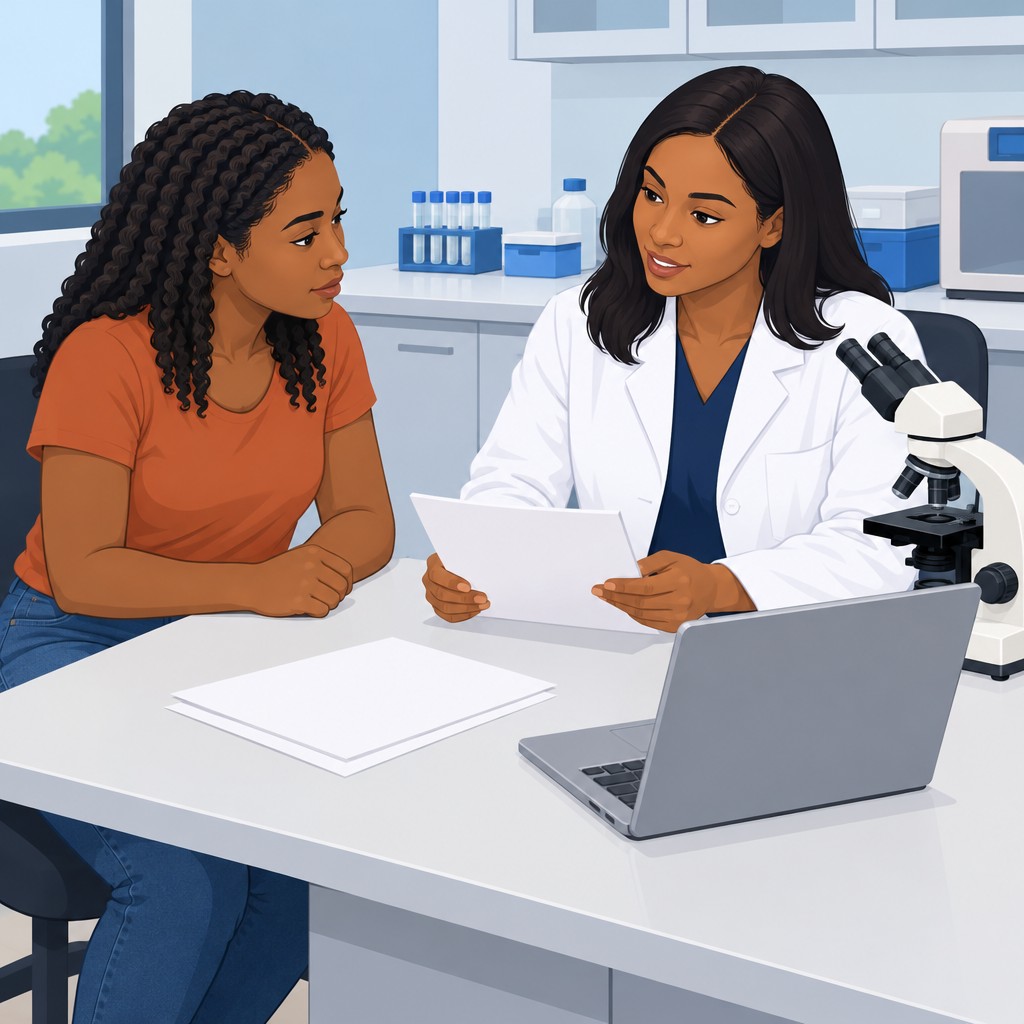
Common Side Effects and Symptoms
Some swelling, redness, or bruising around the incision site can occur normally.
Mild discomfort and minor bleeding may also occur after the procedure.
Contact your healthcare provider if symptoms increase or signs of infection appear.
- Some swelling, redness, or bruising around the incision site is normal.
- Mild discomfort or pain at the incision site can be expected.
- Minor bleeding may occur, but it should stop within a few hours.
- Contact your healthcare provider if pain, swelling, or bleeding increases.
- Watch for increased redness, warmth, or pus at the incision site.
Follow-Up Questions and Urgent Concerns
Contact your healthcare provider with questions or concerns after the procedure.
For urgent issues, call your healthcare provider or visit the nearest hospital.
Seek immediate medical attention for severe pain, shortness of breath, or chest pain.
- Contact your healthcare provider with questions or concerns after the procedure.
- For urgent issues or emergencies, call your healthcare provider or visit the nearest hospital.
- Keep your healthcare provider’s contact information easily accessible.
- Seek immediate medical attention for severe pain, shortness of breath, or chest pain.
See Related Content: Physiotherapy for Nigerian Athletes: Best Practices
Potential Results and Next Steps
Anatomical pathology procedures can produce normal or abnormal findings.
These findings help healthcare providers determine appropriate next steps.
Patients should discuss their results and care options with their healthcare provider.
Understanding Potential Results
Pathology results may show no significant abnormalities in the examined specimen.
However, abnormal findings may indicate disease, infection, inflammation, or another health issue.
Healthcare providers may need additional information to interpret abnormal findings accurately.
Next Steps Based on Results
When results appear normal, the provider may recommend regular healthcare maintenance.
Transform Your Career with Expert Guidance
Get personalized mentorship consulting that’s tailored to your unique path. Our expert advice is actionable and exclusive.
Get StartedIf results show abnormalities, the provider may request additional tests or treatments.
They may also refer the patient to a specialist for further evaluation and management.
Importance of Follow-Up Appointments
Follow-up appointments help providers monitor health changes and treatment responses.
These visits also help providers identify condition progression and provide timely care.
Patients should attend appointments and follow their healthcare provider’s recommendations.
Open communication allows patients to ask questions and understand their next steps.
You Might Also Like: Common Gynaecological Issues in Nigerian Women
Patient Resources for Anatomical Pathology
Understanding anatomical pathology procedures in Nigeria helps patients receive accurate diagnoses and appropriate treatment.
Additionally, patients should participate actively in their healthcare journey by asking questions when needed.
Patients can also seek second opinions when necessary.
For further information, patients can consult reputable medical websites or speak with pathologists.
Healthcare professionals can also provide guidance about anatomical pathology procedures in Nigeria.
Additional Resources
Google search results for Patient Guide to Anatomical Pathology Procedures in Nigeria Medical
Bing search results for Patient Guide to Anatomical Pathology Procedures in Nigeria Medical


