



Women’s Roles in Environmental Biology and Fisheries
Women’s involvement in environmental biology and fisheries is crucial for sustainable natural resource management.
Their contributions bring diverse perspectives and innovative solutions to complex environmental challenges.
These contributions ultimately lead to better outcomes for ecosystems and communities.
In recent years, women’s representation in these fields has gradually increased.
However, gender disparities still exist, especially in leadership positions and research roles.
According to recent data, women make up only 30% of the environmental biology and fisheries workforce.
Historical Contributions of Women in Environmental Biology and Fisheries
Women have shaped environmental biology and fisheries through research, conservation, and sustainable practices.
Their work has expanded knowledge of natural systems and influenced approaches to environmental protection.
These contributions also encourage future research and conservation efforts.
Notable Women in Environmental Biology
Women in environmental biology have raised awareness about environmental issues.
They have also conducted research that shaped understanding of the natural world.
Their findings have supported conservation and inspired continued environmental study.
- Rachel Carson became known as the “Mother of the Environmental Movement.”
- Her book “Silent Spring” raised awareness about the dangers of pesticides.
- Jane Goodall revolutionized understanding of chimpanzees and their behavior in the wild.
- Sylvia Earle has advocated for ocean conservation and protection.
- Dian Fossey studied mountain gorillas in Rwanda and highlighted endangered species concerns.
Notable Women in Fisheries
Women in fisheries have supported sustainable practices and aquatic ecosystem health.
Their research has also informed conservation strategies and fish population preservation.
Additionally, their work has advanced aquaculture and fish genetics.
- Barbara Block studied fish migrations and developed innovative conservation strategies for marine species.
- Jill Mountford focused on sustainable fisheries management and preserving fish populations.
- Regina Halloway pioneered sustainable fish farming techniques through aquaculture research.
- Dr. Rashidha Gavankar studied fish genetics and supported selective breeding programs.
These fisheries contributions have strengthened efforts to protect aquatic ecosystems.
They have also promoted technologies that support the health of aquatic environments.
Their expertise continues to inspire future generations of researchers and conservationists.
Gender Barriers in Environmental Biology and Fisheries
Women in environmental biology and fisheries often encounter gender discrimination at work.
Biased treatment, stereotypes, and disrespect can create hostile professional environments.
Consequently, discrimination can weaken confidence and limit women’s career advancement opportunities.
Women also face stereotypes that question their competence, knowledge, and professional expertise.
Unequal Opportunities and Representation
Women may receive fewer opportunities to access funding, resources, and professional development.
These inequalities can restrict research activities, publication opportunities, and career progression.
Furthermore, women remain underrepresented in environmental biology and fisheries.
This underrepresentation limits diversity and reduces visibility for women’s professional contributions.
Without sufficient representation, women may struggle to reach leadership positions.
They may also find fewer mentorship opportunities and professional networking connections.
Work-Life Balance and Professional Support
Fieldwork, research projects, and travel requirements can complicate work-life balance.
Women may struggle to manage professional responsibilities alongside family obligations and personal wellbeing.
This imbalance can affect job satisfaction, wellbeing, and long-term career prospects.
Additionally, many women lack access to role models and mentors within these fields.
Visible examples of successful women can help aspiring professionals imagine their own progression.
Mentorship programs, networking opportunities, and support systems can strengthen career development.
Creating More Equitable Professional Environments
Implicit bias can influence hiring decisions, workplace interactions, and professional evaluations.
Awareness training and inclusive policies can help institutions address unconscious prejudice.
Supportive communities can also help women navigate challenges and advance their careers.
Institutions should foster collaboration, provide professional resources, and strengthen advocacy programs.
These measures can create fairer environments for women in environmental biology and fisheries.
Greater inclusion enables women to contribute meaningfully to environmental conservation and fisheries management.
Transform Your Career with Expert Guidance
Get personalized mentorship consulting that’s tailored to your unique path. Our expert advice is actionable and exclusive.
Get StartedLearn More: Nigeria's Participation in Global Environmental Forums
Advancements and Progress for Women in Environmental Biology and Fisheries
Women have made significant progress in environmental biology and fisheries.
They have entered industries that once included mostly men.
Several initiatives now provide resources and opportunities for women seeking career advancement.
Initiatives Supporting Women in the Field
- Mentorship Programs: Experienced professionals guide women through career development and workplace challenges.
- Scholarships and Grants: Dedicated funding supports women pursuing degrees or research in environmental biology and fisheries.
- Leadership Training: Workshops help women develop skills for advancing into leadership positions.
- Networking Events: These events connect women with industry professionals and help them build valuable relationships.
- Advocacy Groups: These organizations promote gender equality and support women working in environmental biology and fisheries.
Career Examples in Environmental Biology and Fisheries
Many professionals have overcome obstacles while building successful careers in these fields.
Their experiences can inspire people entering environmental biology and fisheries.
- Dr. Sylvia Earle: She pioneered marine biology through ocean exploration and conservation work.
- Dr. Jane Lubchenco: She became the first woman to lead the National Oceanic and Atmospheric Administration.
- Dr. Rashid Sumaila: He researches fisheries economics and informs sustainable fishing policies worldwide.
- Dr. Enriqueta Velarde: She studies sea turtle conservation and marine ecosystems in Mexico.
- Dr. Oliva Jonas: She leads research projects on sustainable fishing practices in East Africa.
These professionals demonstrate that gender does not prevent success in environmental biology and fisheries.
Continued support can help more women contribute meaningfully to both fields.
Discover More: Public Awareness on Environmental Issues in Nigeria
Role of Mentorship and Networking for Women in Environmental Biology and Fisheries
Mentorship and networking help women thrive in male-dominated fields such as environmental biology and fisheries.
These resources provide guidance, support, and valuable professional connections.
They also help women navigate challenges and identify career opportunities.
Importance of Mentorship and Networking
Mentors share experiences, offer advice, and provide valuable role models.
Networks connect women with professionals, collaborators, and supportive peers.
Together, these resources can strengthen knowledge, confidence, and career advancement.
- Mentorship provides guidance, support, and role models for women.
- Mentors can share experiences and offer practical career advice.
- Networking connects women with professionals, collaborators, and supporters.
- Strong networks can open doors to opportunities and career advancement.
- Mentors and networks can increase knowledge and professional confidence.
Ways to Find Mentorship and Networking Opportunities
Women can find support through professional organizations and associations.
Conferences, workshops, and seminars create opportunities to meet potential mentors.
Online communities and university programs can also support mentoring relationships.
- Look for professional organizations in environmental biology and fisheries.
- Attend conferences, workshops, and seminars to meet professionals.
- Reach out to successful women for advice and guidance.
- Join online communities focused on women in STEM fields.
- Participate in mentoring programs offered by universities or organizations.
- Proactively seek mentorship relationships and professional connections.
- Mentor other women to help create a supportive community.
- Use LinkedIn to connect with professionals in the field.
- Attend networking events and build relationships with industry leaders.
- Choose mentors and networks that match your career goals.
Active participation can enhance careers and help women overcome professional challenges.
Supportive relationships can also strengthen community within the field.
Women can seek mentors and networks that match their career goals and interests.
Explore Further: Key Environmental Challenges Facing Nigeria Today
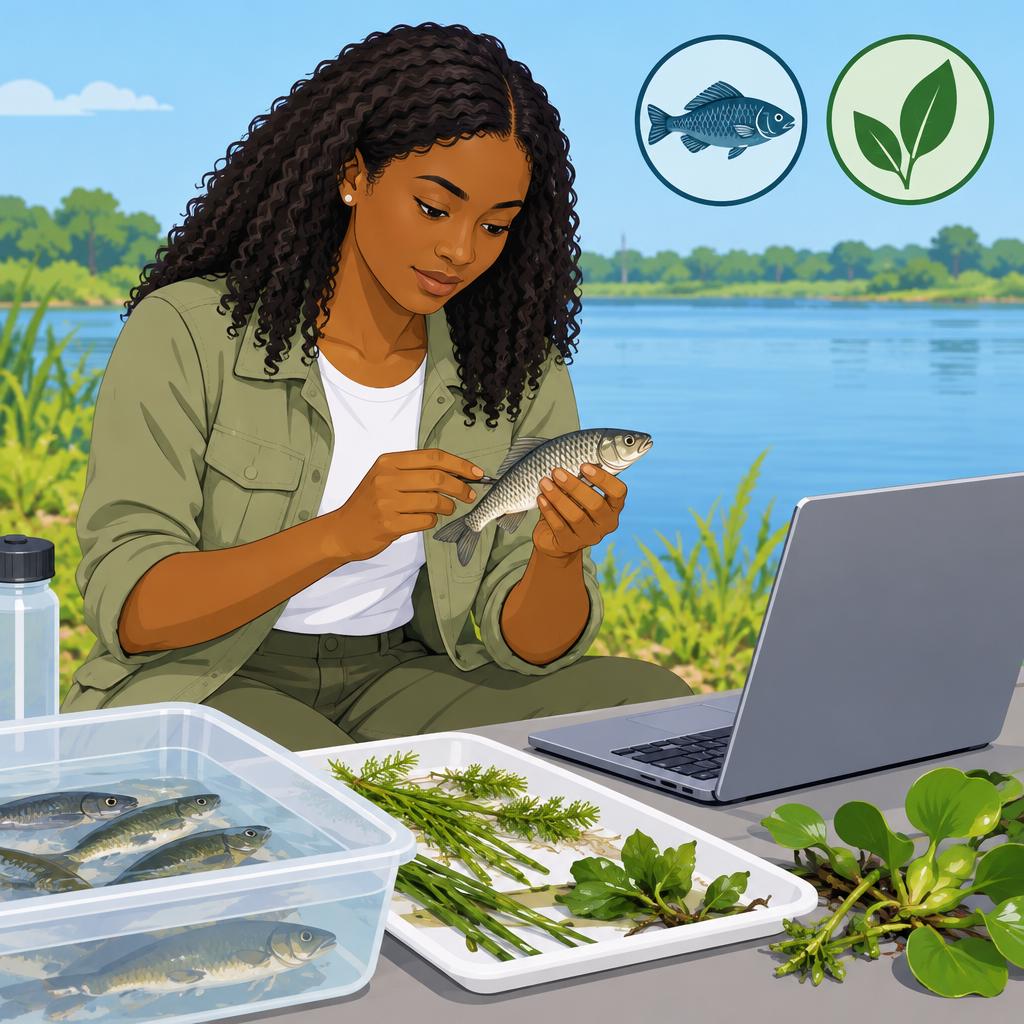
Professional Growth Pathways
Women can advance their careers in environmental biology and fisheries through continuing education and specialized training.
These programs help professionals develop practical skills and deeper knowledge within their fields.
Furthermore, current research and techniques can prepare women for increased responsibilities within their organizations.
Specialized expertise can strengthen their qualifications for future leadership opportunities.
Leadership Opportunities
Women can pursue leadership positions by demonstrating expertise, sound judgment, and effective management skills.
Strong leaders guide teams, make strategic decisions, and support positive organizational change.
Additionally, women can influence conservation and natural resource management through leadership roles.
Their contributions can help organizations address environmental responsibilities with broader perspectives.
Organizational Policies for Advancement
Organizations can support advancement by creating policies that provide fair access to career opportunities.
Flexible work arrangements can help create a more supportive professional environment.
Leadership training can also strengthen employees’ confidence and management capabilities.
Moreover, organizations can use equitable hiring practices for employment and leadership positions.
These practices can help build a workplace that values diverse perspectives and ideas.
Inclusive Workplace Practices
Ongoing professional development gives women additional opportunities to expand their skills.
Training can help employees build the confidence required for greater responsibilities.
Organizations should also encourage women to share perspectives that inform environmental decisions.
By investing in employee development, organizations can strengthen leadership throughout environmental biology and fisheries.
Explore Further: Environmental Tech Solutions for Nigerian Urban Areas
Intersectionality in Environmental Biology and Fisheries
Intersectionality recognizes how multiple identities shape individual experiences.
These identities may include gender, race, ethnicity, sexual orientation, and socioeconomic status.
Therefore, intersectionality helps reveal barriers affecting women from diverse backgrounds.
Benefits of Diversity and Inclusion
Diversity encourages innovation by bringing together people with different perspectives and ideas.
Moreover, inclusive environments strengthen collaboration, teamwork, and decision-making.
Organizations can also attract talented professionals from a wider range of backgrounds.
Diverse teams can address complex challenges and respond effectively to changing environmental conditions.
Inclusive practices help women feel empowered and respected in traditionally male-dominated fields.
Building More Inclusive Environmental Communities
Environmental biology and fisheries benefit when organizations recognize varied experiences.
By valuing diversity, these fields can create stronger and more innovative professional communities.
Consequently, inclusive communities become better equipped to address environmental challenges.
Future Prospects and Trends for Women in Environmental Biology and Fisheries
- Outline upcoming opportunities and advancements that could benefit women.
- Discuss challenges and improvements for promoting gender equality.
Environmental biology and fisheries continue to create new opportunities for women.
Organizations increasingly recognize how diversity and inclusion can strengthen their workforces.
Meanwhile, sustainable practices and conservation efforts require skilled professionals who can protect natural resources.
Emerging Opportunities for Women
Organizations and companies increasingly seek women for environmental biology and fisheries roles.
Furthermore, expanding conservation efforts create opportunities to manage and protect natural resources.
Women contribute valuable perspectives and insights to teams working in these fields.
Challenges and Improvements in Gender Equality
Despite recent progress, women still face limited representation and leadership opportunities across the industry.
Many leadership positions remain male dominated, which can restrict women’s career advancement.
Additionally, organizations need stronger support and guidance for women navigating their professional paths.
Mentorship resources can help women address barriers and develop their full potential.
Finally, education about gender equality can encourage more inclusive and supportive workplaces.
Building an Inclusive Future for Environmental Biology and Fisheries
Women in environmental biology and fisheries contribute essential research and conservation expertise.
They also bring diverse perspectives and innovative ideas to environmental work.
Therefore, institutions should support and empower women to strengthen equality and inclusion.
Moreover, leaders should encourage girls and women to pursue careers in these fields.
They should also provide opportunities that help women succeed.
By promoting diversity and equality, communities can support a more sustainable future for our planet and oceans.
Researchers and advocates can consult studies and articles about women’s contributions.
Additionally, people can join organizations that support gender equality in STEM fields.
Additional Resources
Google search results for Women in Environmental Biology and Fisheries Environmental
Bing search results for Women in Environmental Biology and Fisheries Environmental


