



Environmental Awareness in Nigeria
Public awareness: Public awareness helps Nigerians address environmental challenges by educating citizens and encouraging action.
Current awareness: Currently, Nigeria faces a significant gap in public awareness about environmental issues.
Environmental impact: Consequently, limited awareness contributes to deforestation, pollution, and improper waste management across the country.
Historical Perspective
Nigeria has faced major environmental challenges over many years.
Oil pollution affects the Niger Delta, while deforestation and desertification affect northern regions.
These problems damage ecosystems, public health, and the economy.
Government and NGO Efforts
The government has introduced policies and regulations to control oil pollution.
It also supports afforestation and reforestation projects.
Meanwhile, NGOs advocate environmental conservation and sustainability.
Public Awareness and Environmental Action
Public education helps people understand how their actions affect the environment.
Informed citizens can adopt sustainable practices and support conservation efforts.
They can also encourage government and industries to protect natural resources.
- Public awareness encourages waste segregation, recycling, and reduced energy consumption, which can reduce carbon footprint and promote sustainability.
- Informed communities can join tree planting, clean-up campaigns, and environmental advocacy to protect natural resources.
- An informed public can pressure government and industries to change policies, enforce regulations, and protect ecosystems.
Therefore, stakeholders must work together to promote environmental conservation and sustainability.
Government, NGOs, industries, and individuals all share responsibility for creating a sustainable future.
Current Environmental Problems in Nigeria
- Deforestation
- Oil Pollution
- Water Pollution
- Air Pollution
Nigeria currently faces several environmental problems that affect natural resources, communities, and economic activity.
Deforestation removes forest cover through logging, urbanization, and agricultural expansion.
Consequently, habitat loss threatens biodiversity and many species.
Oil spills and leaks contaminate water sources, farmlands, and nearby communities.
Meanwhile, industrial waste, sewage, and agricultural runoff contaminate many water bodies.
Air pollution also increases in urban areas because of emissions, vehicle fumes, and open waste burning.
Environmental Consequences for Nigeria
- Health Impacts
- Ecosystem Degradation
- Economic Losses
These environmental problems expose people to respiratory diseases, waterborne illnesses, and toxic substances.
Children and older people face particular risks from poor air quality.
Furthermore, pollution and deforestation disrupt natural habitats and reduce biodiversity.
These changes weaken ecosystem services, including clean water, clean air, and fertile soils.
Economic losses follow when pollution reduces agricultural productivity and increases healthcare expenses.
The decline of ecosystem services can also slow broader economic development.
Actions to Address Environmental Challenges
- Policy Reforms
- Community Engagement
- Environmental Education
Policy reforms can regulate industries, enforce environmental laws, and promote sustainable practices.
In addition, communities can participate in decisions affecting their environment.
Community participation can also encourage practices that reduce pollution and protect natural resources.
Environmental education can explain conservation, sustainable behavior, and personal responsibility.
As a result, informed individuals can help protect Nigeria’s natural resources.
Discover More: Key Environmental Challenges Facing Nigeria Today
Environmental Initiatives and Campaigns
- One successful public awareness initiative in Nigeria is the “Clean Up Nigeria” campaign.
- This campaign promotes a clean environment through community clean-up exercises.
- It has significantly increased awareness about the importance of maintaining clean surroundings.
- Furthermore, the campaign mobilizes individuals, organizations, and government agencies for clean-up activities.
- It also educates the public about proper waste disposal and recycling practices.
- Another noteworthy initiative is the “Plant a Tree, Save the Environment” campaign.
- This campaign supports reforestation efforts that address deforestation and promote biodiversity.
- It raises awareness about trees and their importance in mitigating climate change.
- Additionally, the campaign highlights trees’ role in preserving ecosystems.
- It encourages individuals and communities to plant trees in their surroundings.
- These actions help participants contribute to a greener environment.
Community Impact of Environmental Initiatives
- These initiatives play a vital role in increasing public awareness about environmental issues in Nigeria.
- They also spark conversations and actions that promote sustainable practices.
- Moreover, the initiatives encourage conservation efforts across communities.
- Through these activities, more people recognize their personal impact on the environment.
- Communities are also coming together to address environmental challenges.
- They work collectively toward practical solutions for shared environmental concerns.
- Consequently, people are developing a stronger responsibility toward environmental protection.
- This responsibility supports efforts to protect the environment for future generations.
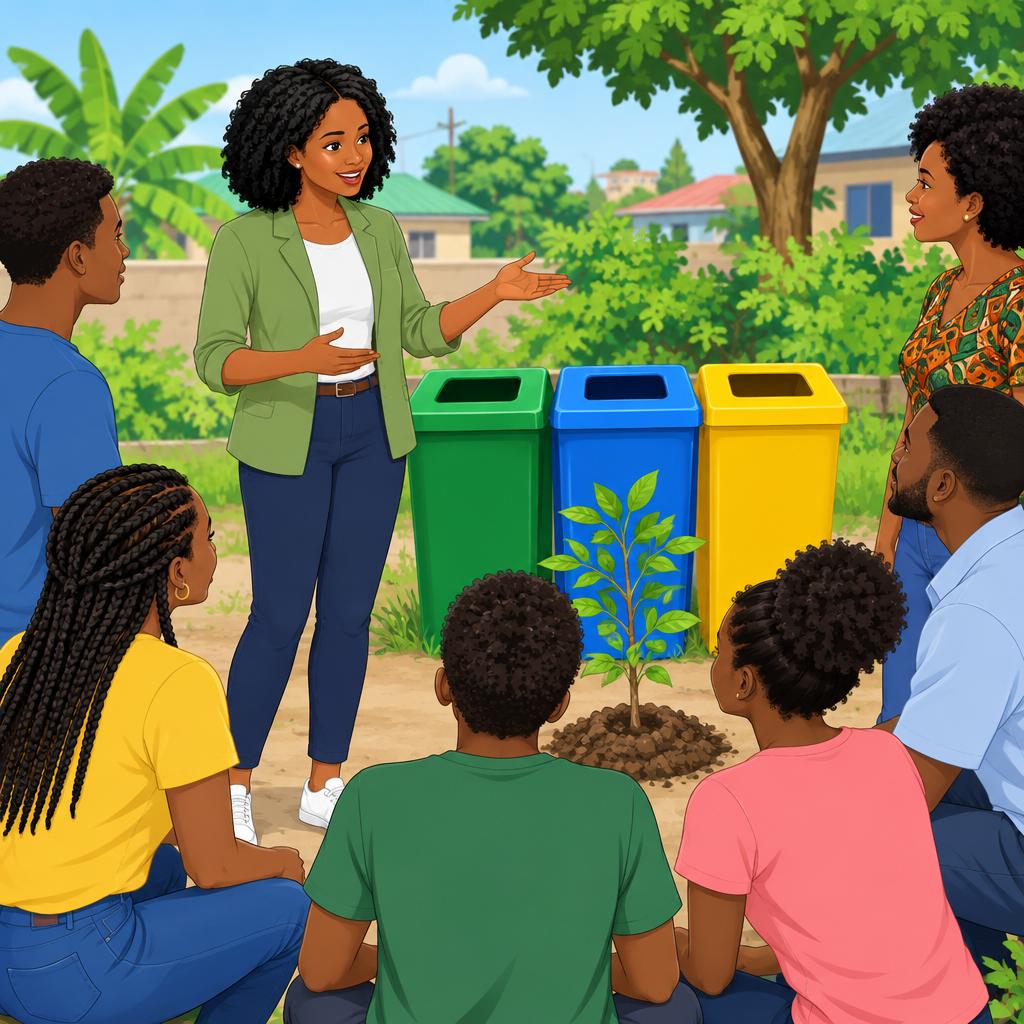
Social Media and Technology for Environmental Awareness
- Social media platforms such as Twitter, Facebook, and Instagram help spread environmental awareness.
- Organizations and individuals use these platforms to share information about environmental causes.
- They also use social media to raise awareness and mobilize public support.
- Furthermore, online campaigns and hashtags create urgency around environmental issues.
- These digital tools encourage people to take action on environmental concerns.
- Technology also supports information sharing through websites, blogs, and online forums.
- Interactive tools and apps provide practical tips for sustainable living.
- They encourage behavioral changes that support a greener lifestyle.
- Consequently, technology connects environmental initiatives with wider audiences.
- It also helps organizations and individuals engage the public in environmental activities.
Explore Further: Environmental Tech Solutions for Nigerian Urban Areas
Barriers to Environmental Awareness in Nigeria
Several social, financial, and institutional barriers weaken environmental awareness efforts across Nigeria.
These obstacles limit public participation and reduce access to reliable environmental information.
Addressing them requires respectful education, stronger investment, consistent policies, and meaningful community involvement.
Cultural Beliefs and Environmental Awareness
Some indigenous practices can damage ecosystems through deforestation for rituals or hunting endangered species.
Moreover, some traditional views treat nature mainly as a resource for use rather than preservation.
Therefore, educators must discuss these beliefs respectfully while promoting sustainable alternatives.
Resource Limitations and Public Outreach
Financial shortages limit environmental awareness campaigns and restrict their reach among local communities.
Transform Your Career with Expert Guidance
Get personalized mentorship consulting that’s tailored to your unique path. Our expert advice is actionable and exclusive.
Get StartedIn addition, many communities lack basic amenities and educational materials about conservation.
Consequently, grassroots organizations struggle to engage wider audiences and create lasting effects.
Government Policies and Enforcement Challenges
Inconsistent enforcement of environmental laws weakens public confidence in government regulations.
Furthermore, weak penalties for violations encourage continued non-compliance with environmental requirements.
Government agencies should review existing policies and align them with current environmental concerns.
Strategies for Strengthening Environmental Awareness
The government should increase funding for environmental education at the grassroots level.
Additionally, workshops and training programs can help communities make informed environmental decisions.
Partnerships among government agencies, nonprofits, and private organizations can expand awareness efforts.
These collaborations can combine resources and expertise to support practical environmental education.
Community members should participate in planning and decision-making processes affecting their environment.
Such involvement allows advocates to address local priorities and cultural concerns more effectively.
Finally, sustained education and policy improvements can encourage a stronger culture of environmental responsibility.
Explore Further: Nigerian Fisheries: Industry and Economy
Importance of Education
Education builds environmental awareness by helping people understand why nature requires protection.
Furthermore, it encourages sustainable practices, conservation efforts, and responsible choices.
Schools can prepare informed citizens by teaching environmental issues and human impacts.
- Environmental education can inspire younger people to accept responsibility for protecting the environment.
- Schools should include environmental education in their curricula to keep students informed.
- Teaching human impacts can inspire students to take meaningful environmental action.
- Environmental education can create citizens who value and protect nature.
- Education about climate change and pollution can encourage positive behavioral changes.
- Environmental literacy empowers people to make informed decisions that benefit the planet.
- Learning resources and practical tools help communities build environmental awareness.
- Local communities can organize workshops and seminars to improve environmental understanding.
- Interactive programs and events can help citizens understand environmental challenges.
- Eco-friendly projects encourage participation and strengthen community ownership of environmental concerns.
- Technology and social media can deliver environmental education to larger audiences.
- Partnerships with environmental organizations and experts can strengthen educational initiatives.
Gain More Insights: Nigerian Fisheries and Global Markets
Collective Responsibility for Nigeria’s Environmental Future
Public awareness of environmental issues in Nigeria shapes the country’s future.
Therefore, every individual should understand how personal actions affect the environment.
Citizens can educate themselves and others about protecting natural resources and ecosystems.
By sharing knowledge within communities, people can encourage positive environmental change.
Furthermore, stakeholders must collaborate to sustain Nigeria’s environment for future generations.
Government bodies, nonprofit organizations, businesses, and individuals can develop effective environmental policies and practices together.
Ultimately, citizens share responsibility for safeguarding the environment for themselves and coming generations.
Let us take action, spread awareness, and collaborate to build a more sustainable future for everyone.
Additional Resources
Google search results for Public Awareness on Environmental Issues in Nigeria Environmental
Bing search results for Public Awareness on Environmental Issues in Nigeria Environmental


