



Bridging Fisheries Education and Training in Nigeria
Bridging the gap in fisheries education and training can support sustainable development in Nigeria’s fisheries industry.
Currently, the sector faces overfishing, weak management, and inadequate infrastructure.
These challenges show why stronger education and training programs matter.
Importance of Fisheries Education and Training Programs
Quality education and training programs can support growth and sustainability across the fisheries industry.
Skilled professionals can address resource depletion and environmental degradation.
They can also help the sector comply with relevant regulations.
Current State of the Fisheries Industry
Nigeria’s fisheries industry supports the economy, provides employment, and supplies an important food source.
However, overexploitation threatens the sector’s long-term sustainability.
Illegal fishing practices also threaten the balance of the marine ecosystem.
Need for Skilled Professionals
Therefore, the sector needs trained individuals who understand sustainable fisheries management.
These professionals can help manage fisheries and improve fish stocks.
Consequently, their work can support food security for the population.
Fisheries Education in Nigeria
Nigeria has several institutions that offer fisheries education programs.
These institutions provide knowledge and skills for careers in the fisheries industry.
Their programs support professional development in fisheries and aquaculture.
Institutions Offering Fisheries Education
Several Nigerian universities provide structured education in fisheries and related disciplines.
Students can study fisheries through undergraduate and postgraduate programs.
These institutions prepare learners for practical and professional roles within the sector.
- University of Agriculture, Abeokuta offers programs in Fisheries and Aquaculture.
- University of Port Harcourt offers undergraduate and postgraduate programs through its Department of Fisheries.
- University of Ibadan provides fisheries education through its Department of Aquaculture and Fisheries Management.
Fisheries Education Programs
Institutions offer certificate, diploma, bachelor’s, master’s, and doctoral programs.
Students can specialize in Fisheries Management, Aquaculture, and related fields.
These programs accommodate learners seeking different levels of academic and professional training.
Curriculum and Practical Training
Fisheries curricula commonly include Fish Biology, Nutrition, Diseases, Management, and Marketing.
Practical training often combines fieldwork, laboratory exercises, and supervised industry experience.
Students may complete internships in fish farms or hatcheries.
Through these learning activities, fisheries education develops well-rounded professionals for the sector.
Challenges in Fisheries Education
Fisheries education in Nigeria faces several challenges that affect training quality and sectoral progress.
These barriers can limit students’ preparation for work in fisheries and aquaculture.
Addressing them can strengthen learning outcomes and support the sector’s future development.
Inadequate Funding
- Fisheries education institutions often operate with insufficient financial support.
- Limited funding reduces educational quality and restricts available research opportunities.
- It also delays equipment upgrades and limits access to essential learning resources.
Insufficient Infrastructure
- Many fisheries education institutions lack adequate infrastructure for effective training.
- Students therefore receive fewer opportunities to develop practical knowledge and field experience.
- Laboratories, research centers, and fishing grounds remain essential for effective fisheries learning.
Outdated Curriculum
- Fisheries education programs often use curricula that no longer reflect current industry practices.
- As a result, students may lack skills required by the modern fisheries sector.
- An outdated curriculum can reduce job competitiveness and restrict sectoral growth.
Greater investment can improve facilities, research opportunities, and instructional resources.
Updated curricula can prepare students for changing responsibilities within the fisheries sector.
Together, these improvements can help students contribute effectively to Nigeria’s fisheries industry.
Learn More: Urban Planning and Environmental Management in Nigeria
Government Initiatives and Support
Government support shapes fisheries education and training through policies, funding, and coordinated planning.
These measures can strengthen sector skills while supporting sustainable fisheries practices.
Moreover, public investment can connect education priorities with workforce needs.
Government’s Role in Fisheries Education
Government agencies establish frameworks that guide quality standards for fisheries education and training.
They also collaborate with academic institutions and industry experts when developing comprehensive curricula.
Additionally, accreditation processes help programs meet recognized industry expectations.
- Government bodies can catalyze progress in fisheries education and training.
- They set regulations that support consistent educational and training standards.
- Academic institutions and industry experts can contribute to curriculum development.
- Accreditation systems can confirm alignment with fisheries industry standards.
- Government agencies can support research that advances fisheries education.
Government Policies and Funding Opportunities
Government institutions launch initiatives that promote fisheries education and professional training.
These policies can improve access to affordable education for prospective fisheries professionals.
Transform Your Career with Expert Guidance
Get personalized mentorship consulting that’s tailored to your unique path. Our expert advice is actionable and exclusive.
Get StartedFurthermore, public funding can address industry skill gaps and encourage sustainable practices.
- Government institutions can introduce targeted fisheries education initiatives.
- Policies can increase access to affordable fisheries education.
- Scholarships, grants, and subsidies can assist students pursuing fisheries education.
- Government-funded training programs can address specific industry skill shortages.
- Public projects can promote sustainable practices and conservation within fisheries education.
Examples of Government-Supported Fisheries Programs
Government-backed programs have produced notable outcomes across several fisheries sectors.
These examples show how public support can strengthen skills, research, and community capacity.
They also demonstrate the connection between fisheries education and sustainable economic development.
- Norway’s government support has helped develop a highly skilled fisheries workforce.
- Australian government-funded research has produced solutions for sustainable fisheries management.
- Government initiatives in Iceland have supported a strong fisheries education sector.
- United States government-sponsored apprenticeships have supported fisheries education and training.
- Government-supported programs in developing countries have empowered local communities.
Learn More: Career Paths in Estate Management in Nigeria
Industry Partnerships and Collaboration
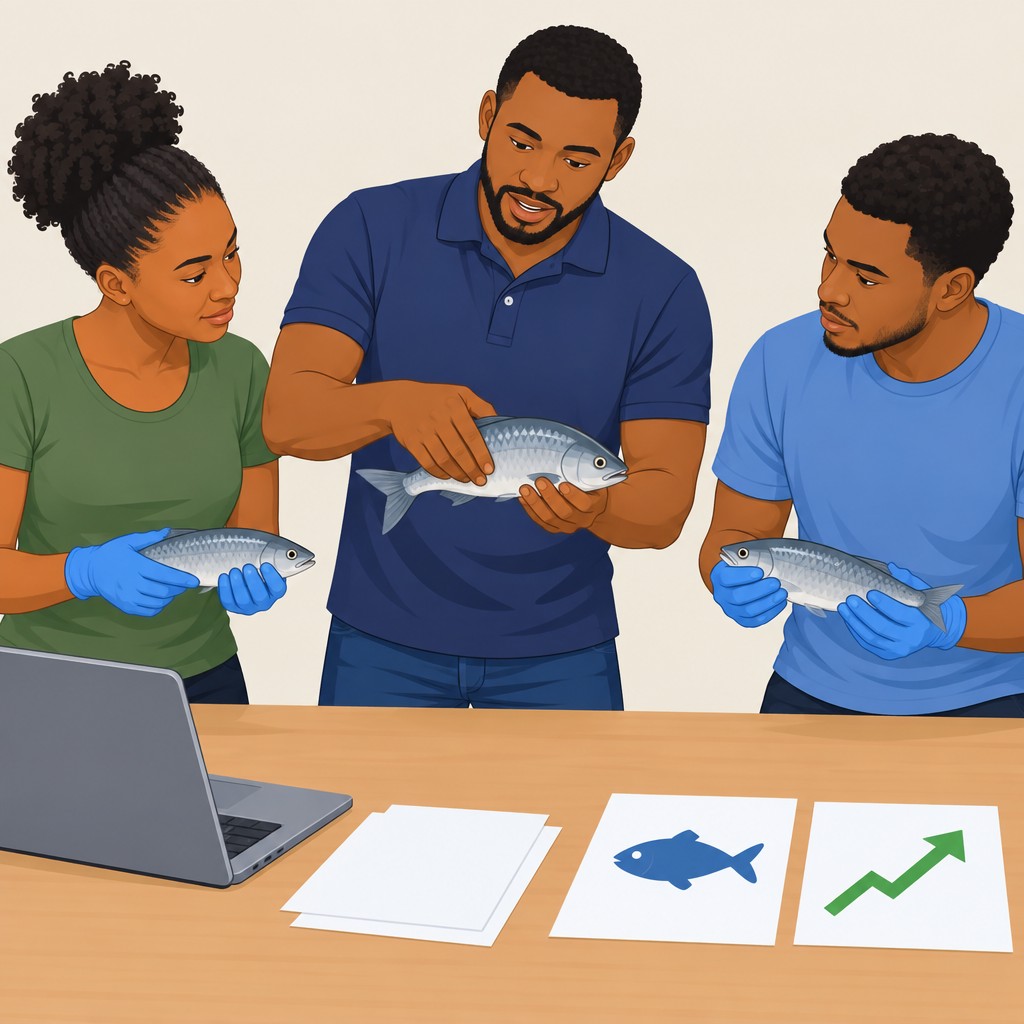
Fisheries education institutions and industry partners can strengthen training through coordinated collaboration.
This partnership connects academic learning with practical industry practices.
Additionally, collaboration helps programs prepare students for fisheries sector careers.
Importance of Collaboration
Industry collaboration gives students practical training opportunities and supports their skill development.
It also keeps curricula relevant to current industry needs and practices.
Furthermore, partnerships support knowledge transfer, technology transfer, job placement, and fisheries research.
- Enhances practical training opportunities
- Ensures curriculum relevance to industry needs
- Facilitates knowledge and technology transfer
- Increases job placement opportunities for students
- Promotes fisheries research and development
Through these partnerships, students gain hands-on experience that improves their workforce readiness.
Meanwhile, industry partners gain access to emerging talent and student ideas.
As a result, both education providers and employers can support stronger fisheries training.
Benefits of Industry Partnerships
Industry partnerships expose students and faculty to current technologies and professional practices.
They also create networking opportunities that connect learners with fisheries professionals.
Moreover, these relationships can support internships, employment, and collaborative innovation.
- Provides access to cutting-edge technologies and practices
- Creates networking opportunities for students and faculty
- Expands internship and job placement prospects
- Supports collaborative research for industry innovation
Students can use these opportunities to understand workplace expectations more clearly.
Working with industry professionals also helps learners develop relevant employment skills.
Consequently, partnerships can create a smoother transition from education to employment.
Successful Collaboration Models
Universities can partner with commercial fisheries to provide field training experiences.
Academic researchers and industry experts can also conduct joint research projects.
In addition, fisheries companies can support internships, workshops, and seminars.
- University partnerships with commercial fisheries for field training
- Collaborative research projects between academic and industry experts
- Internship programs with leading fisheries companies
- Joint workshops and seminars on industry trends and innovations
These collaboration models can advance sustainable fisheries practices and technological innovation.
They can also help education providers develop a workforce with relevant industry skills.
Strong partnerships therefore improve training quality and support career preparation in fisheries.
Discover More: Community Involvement in Environmental Management in Nigeria
Skills for Success in the Fisheries Industry
Fisheries professionals need scientific, technical, business, and interpersonal abilities to perform effectively.
These competencies help workers manage resources, improve practices, and cooperate with stakeholders.
Furthermore, adaptable professionals can respond to changing conditions across diverse work environments.
- Understanding of marine biology and ecology
- Knowledge of fishery management and conservation
- Ability to conduct research and data analysis
- Proficiency in aquaculture techniques
- Strong communication and interpersonal skills
- Business and financial acumen
- Leadership and decision-making skills
- Adaptability and ability to work in diverse environments
Fisheries Education Programs in Nigeria
Fisheries education programs in Nigeria continue adapting their content to reflect industry expectations.
They combine classroom learning with practical activities that develop technical and professional abilities.
Additionally, these programs encourage sustainability, entrepreneurship, and practical experience through structured learning opportunities.
- Hands-on training in aquaculture and fishery management
- Practical experience through internships and fieldwork
- Collaboration with industry partners for real-world exposure
- Courses in business management and entrepreneurship
- Emphasis on sustainability and conservation practices
Emerging Technologies in the Fisheries Sector
Technological advances continue changing how fisheries organizations monitor resources and collect information.
Meanwhile, consumer preferences encourage greater transparency and more sustainable food production methods.
Consequently, education providers must track these developments and prepare students to apply relevant technologies.
- Use of drones for monitoring and surveillance
- Adoption of Internet of Things technology for data collection
- Implementation of blockchain for traceability and transparency
- Development of aquaponics for sustainable food production
- Introduction of genetic technologies for improving fish breeding
Learn More: Sustainable Practices in Nigeria's Industries
Opportunities for Fisheries Graduates in Nigeria
Fisheries education graduates in Nigeria can pursue careers across government, research, business, and nonprofit organizations.
These roles support fisheries management, aquaculture, conservation, and related professional services.
Moreover, graduates can contribute through technical work, research, policy, and community-focused initiatives.
- Graduates can become fisheries managers, aquaculture specialists, marine biologists, research scientists, or environmental consultants.
- Government agencies employ graduates as fisheries officers, policy analysts, aquatic biologists, and environmental compliance officers.
- Research institutions support studies involving fisheries management, aquatic ecology, and marine conservation.
- Private companies offer roles in fish farming, seafood processing, fisheries marketing, and sustainability consulting.
- Nonprofit organizations provide opportunities focused on environmental conservation and fisheries sustainability.
- Some program alumni have made significant contributions to Nigeria’s fisheries sector.
- Dr. Adebayo Ogunbode is a renowned aquaculture expert and fisheries program graduate.
- He pioneered sustainable fish farming techniques.
- Mrs. Funke Adeleke founded a nonprofit organization promoting community-based fisheries management in rural areas.
Strengthening Fisheries Education for Sustainable Development
Fisheries education and training programs foster sustainable development in Nigeria.
They equip individuals with skills and knowledge for sector growth.
Moreover, these programs support competent fisheries resource management.
They also encourage aquatic ecosystem conservation and sustainable fishing practices.
Therefore, stakeholders should support and promote Nigeria’s fisheries sector.
Government agencies, educational institutions, and industry players must collaborate effectively.
Such collaboration can strengthen these programs and improve their results.
Furthermore, continuous innovation can produce a more skilled workforce.
Improved skills can enhance productivity and increase sector profitability.
All involved parties should pursue collaboration, innovation, and continuous improvement.
This commitment can help Nigeria unlock its fisheries sector’s full potential.
It can also support long-term sustainability for this vital industry.
Additional Resources
Google search results for Fisheries Education and Training Programs Environmental
Bing search results for Fisheries Education and Training Programs Environmental


