



Mechatronics Engineering in Nigeria
Mechatronics Engineering integrates mechanical, electrical, and computer science disciplines to create smart systems.
Moreover, it supports automation, robotics, and control systems across various industries.
In Nigeria, this engineering field has grown significantly in recent years.
Universities Offering Mechatronics Engineering Programs
- University of Lagos offers a bachelor’s degree in Mechatronics Engineering.
- Additionally, Federal University of Technology, Akure offers Mechatronics Engineering programs.
- Meanwhile, Covenant University provides students with the opportunity to study Mechatronics Engineering.
Mechatronics Engineering Curriculum and Courses
- The curriculum typically covers mechanical engineering, electrical engineering, and computer science.
- Furthermore, students may study robotics, control systems, and automation.
- The program combines theoretical knowledge with practical skills for industry preparation.
Importance of Practical Experience in Mechatronics
- Hands-on training helps students apply theoretical knowledge to real-world scenarios.
- Moreover, practical experience develops problem-solving and critical thinking skills.
- Employers often value hands-on experience when evaluating career advancement opportunities.
Job Prospects for Mechatronics Engineers in Nigeria
In Nigeria, mechatronics engineers can pursue careers across several industries.
The field offers opportunities involving automation, control systems, and technical development.
These opportunities include manufacturing, automotive, robotics, oil and gas, and renewable energy.
- Manufacturing companies employ mechatronics engineers to design, develop, and maintain automated production systems.
- Automotive employers use their skills to design and implement advanced vehicle systems.
- Robotics companies need mechatronics engineers to develop intelligent robots for healthcare, agriculture, and manufacturing.
- Oil and gas companies use their expertise for automated drilling, exploration, and production systems.
- Renewable energy organizations need engineers to develop automated solar, wind, and hydroelectric systems.
Industries and Sectors Where Mechatronics Engineers Are in Demand
Employers also seek mechatronics engineers in information technology, telecommunications, healthcare, aerospace, and research.
These sectors value their mechanical, electrical, and computer engineering skills.
Mechatronics engineers can contribute to smart devices, medical equipment, aircraft systems, and technological innovation.
- Information technology teams use mechatronics expertise to develop automation solutions and smart devices.
- Telecommunications companies apply their skills to Internet of Things communication systems.
- Healthcare organizations involve them in medical devices, robotic surgery systems, and automated diagnostic tools.
- Aerospace employers use their skills to design and test control systems for aircraft, drones, and satellites.
- Research institutions engage them in developing innovative technologies and solutions.
Average Salary and Benefits for Mechatronics Engineers in Nigeria
Salary levels vary according to qualifications, experience, and industry.
The average monthly salary ranges from N300,000 to N600,000.
Employers may also provide benefits alongside basic pay.
These benefits can include health insurance, retirement savings plans, paid time off, and performance bonuses.
Some companies also provide training opportunities, flexible work arrangements, and career advancement programs.
Mechatronics engineering offers opportunities for professional growth, development, innovation, and creative technical work.
Gain More Insights: Exploring Vernacular Architecture in Nigerian Villages
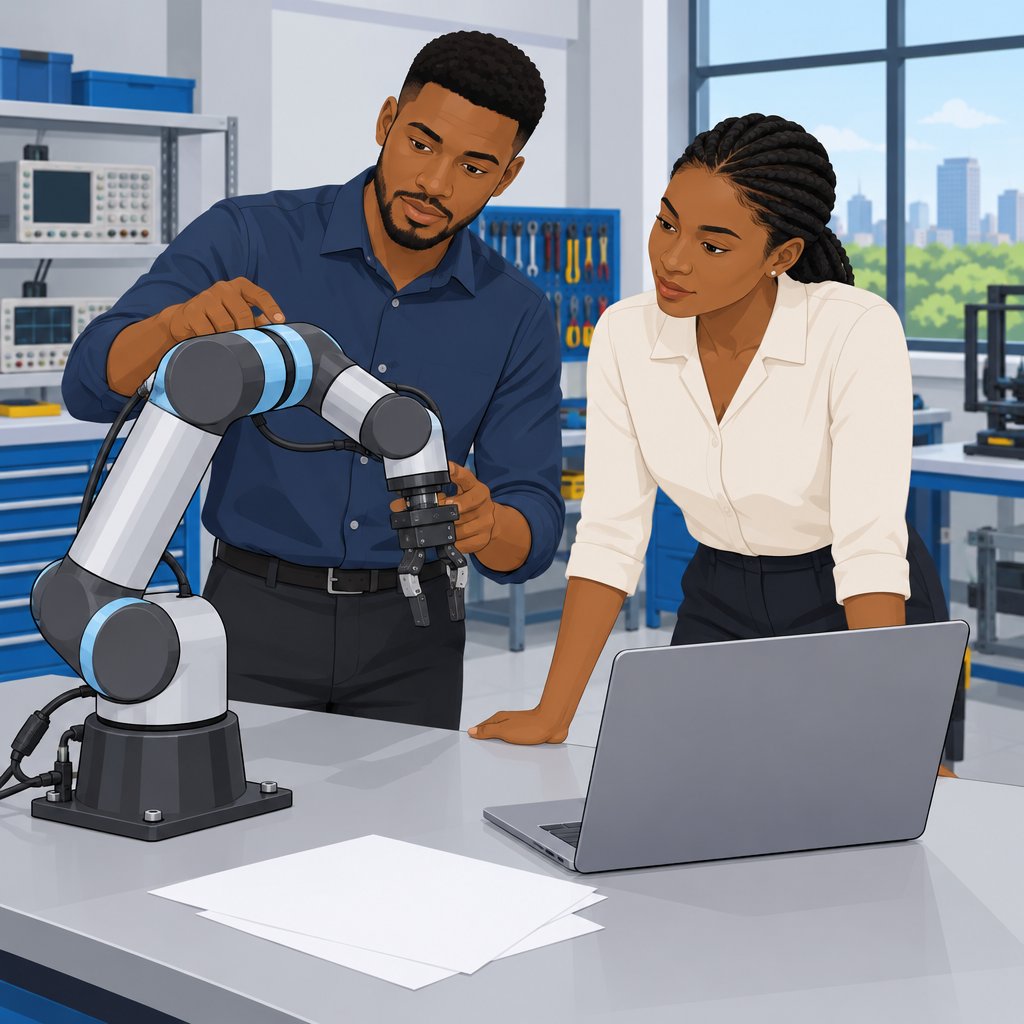
Challenges and Opportunities for Mechatronics Engineering in Nigeria
Mechatronics engineering in Nigeria faces obstacles that limit education, research, and industrial development.
However, government support and emerging technologies create opportunities for meaningful growth.
Strategic investment can help Nigeria develop stronger capabilities in this multidisciplinary engineering field.
Obstacles Facing the Growth of Mechatronics Engineering
Several barriers continue to restrict the development of mechatronics engineering across Nigeria.
These barriers affect practical training, innovation, professional development, and cooperation with industry.
Addressing these challenges requires coordinated action from institutions, government agencies, and private organizations.
- Many Nigerian institutions lack the modern equipment required for practical mechatronics training.
- Limited research funding restricts innovation and technological advancement in mechatronics engineering.
- Nigeria has too few qualified mechatronics engineers to meet workforce requirements.
- Weak industry-academia collaboration limits practical learning and technology transfer.
Government Policies and Support for Development
Government policies can create better conditions for mechatronics education, research, and industrial innovation.
Furthermore, public support can connect educational institutions with companies seeking technical solutions.
These measures can strengthen skills development while encouraging wider participation in the field.
- The government can encourage public-private partnerships that support mechatronics innovation.
- Increased government funding can support research and development in mechatronics engineering.
- Dedicated mechatronics innovation centers can promote knowledge sharing and skills development.
- Scholarships and grants can attract more students to mechatronics engineering programs.
Opportunities for Innovation and Advancement
Emerging technologies offer mechatronics engineers several pathways for innovation in Nigeria.
Engineers can apply integrated mechanical, electrical, and computing skills to address technical needs.
Moreover, these opportunities can support progress across industrial, energy, digital, and healthcare applications.
- Robotics and automation can support innovation as industries increasingly adopt automated systems.
- Renewable energy projects can apply mechatronics expertise to solar, wind, and hydroelectric systems.
- Internet of Things technologies can support smart devices and connected mechatronic systems.
- Biomedical engineering can involve prosthetic limbs, medical equipment, and surgical robots.
Building a Stronger Mechatronics Sector
Nigeria can strengthen mechatronics engineering by improving training, research funding, and institutional cooperation.
At the same time, emerging technologies can help engineers develop solutions for diverse national needs.
Consistent investment and effective policies can support a more capable and innovative mechatronics industry.
Learn More: How to Choose the Right Metallurgical Engineering Program
Case Studies of Mechatronics Engineering Projects in Nigeria
Mechatronics Engineers in Nigeria develop systems that address agricultural, residential, industrial, and healthcare needs.
These projects combine automation, sensors, robotics, and control technologies to solve practical challenges.
They also demonstrate how engineering innovation can support productivity, safety, and economic development.
Successful Projects and Innovations by Mechatronics Engineers in Nigeria
A solar-powered automatic irrigation system uses soil moisture sensors to water crops automatically.
As a result, the system can improve agricultural productivity.
Another project involves a smart home automation system for residential users.
Homeowners can control appliances, lighting, and security systems remotely with their smartphones.
Additionally, Mechatronics Engineers have developed robotic solutions for manufacturing and healthcare industries.
Transform Your Career with Expert Guidance
Get personalized mentorship consulting that’s tailored to your unique path. Our expert advice is actionable and exclusive.
Get StartedThese robots improve efficiency, accuracy, and safety across various processes.
Impact of These Projects on Society and the Economy
The automatic irrigation system helps small-scale farmers increase crop yields and income.
Consequently, the system contributes to food security.
The smart home system gives homeowners greater convenience and energy efficiency.
Therefore, it can improve their quality of life.
Meanwhile, industrial robots increase productivity and reduce labor costs.
They also improve workplace safety across different industrial processes.
These projects support technological advancement, job creation, and economic growth in Nigeria.
They further show how Mechatronics Engineering can address local challenges through innovation.
Lessons for Aspiring Mechatronics Engineers
Aspiring engineers can draw practical lessons from these projects and their effects.
Successful development requires technical knowledge, creativity, collaboration, and attention to social needs.
Engineers should also consider sustainability while developing solutions for communities and industries.
- Embrace interdisciplinary collaboration when developing innovative engineering solutions.
- Focus on solving real-world problems with practical and measurable benefits.
- Keep learning about technological trends to remain effective and competitive.
- Prioritize sustainability and social impact during project planning and implementation.
- Cultivate creativity and critical thinking to approach challenges from different perspectives.
Discover More: Biomedical Engineering Salary Expectations in Nigeria
Future Trends in Mechatronics Engineering in Nigeria
Mechatronics engineering in Nigeria is entering a period of significant technological development.
Emerging technologies are expanding opportunities across several industries and engineering applications.
Consequently, engineers must develop adaptable skills to respond effectively to changing technological demands.
Emerging Technologies and Trends in Mechatronics Engineering
Robotics and automation are transforming manufacturing processes by improving efficiency and precision.
Furthermore, engineers are integrating artificial intelligence into mechatronic systems.
This integration strengthens decision-making capabilities and improves system performance.
Meanwhile, advanced control systems coordinate mechanical, electrical, and software components more effectively.
These developments support applications in automotive, aerospace, healthcare, and consumer electronics industries.
As demand for smart systems grows, Nigerian engineers are developing solutions for complex engineering challenges.
Moreover, sensors, actuators, and data processing technologies enable systems to respond to changing environments.
These systems can perform tasks with greater precision and reliability.
Future Prospects for Mechatronics Engineering in Nigeria
The future of mechatronics engineering in Nigeria appears promising, with continued growth expected.
As Nigeria pursues technological development, industries will increasingly require skilled mechatronics engineers.
Industry 4.0 technologies and the Internet of Things are increasing demand for specialized expertise.
These experts will design systems that connect and communicate with other devices.
Additionally, renewable energy, smart cities, autonomous vehicles, and wearable technologies may create new opportunities.
The convergence of mechanical engineering, electrical engineering, and computer science will encourage further innovation.
Such collaboration can produce solutions that address society’s evolving needs.
As businesses seek greater efficiency, mechatronics engineers will design technologies that improve productivity and competitiveness.
Therefore, seamless hardware and software integration will distinguish successful engineers in this developing field.
Skills for Remaining Relevant and Competitive
Aspiring engineers should build diverse skills in mechanical design, electronics, programming, and data analysis.
Continuous learning helps professionals understand technological advances and changing industry trends.
Additionally, workshops, seminars, and internships provide valuable practical experience.
Projects can also help aspiring engineers establish strong professional foundations.
Networking with industry professionals may strengthen relationships and support future career development.
Engineers should also develop critical thinking, problem-solving, and teamwork abilities.
As technology evolves, adaptable professionals will respond more effectively to new methodologies.
Collaboration across disciplines can generate innovative solutions and create additional growth opportunities.
Ultimately, curiosity, openness, and proactive learning can support success in Nigerian mechatronics engineering.
Discover More: Key Cartography Techniques in Nigeria
Mechatronics Engineering and Nigeria’s Technological Development
Mechatronics Engineering continues to grow rapidly in Nigeria.
The field combines mechanical, electrical, and computer engineering for applications across multiple industries.
Moreover, this integration helps organizations improve automation, efficiency, and innovation.
Mechatronics engineers help automate processes and strengthen industrial performance.
As technology advances, Nigerian industries will likely need more skilled professionals in this field.
Therefore, aspiring engineers can pursue Mechatronics Engineering to support Nigeria’s technological development.
Through this career, individuals can contribute to society and advance industrial capabilities.
Additionally, the field offers opportunities for continued growth and innovation in Nigeria.
Ultimately, dedicated engineers can help shape the country’s technological progress through practical expertise.
Additional Resources
Google search results for Overview of Mechatronics Engineering in Nigeria Engineering
Bing search results for Overview of Mechatronics Engineering in Nigeria Engineering


