




Women have long played a crucial role in agricultural engineering.
Breaking barriers is essential for gender equality and diverse perspectives.
Importance of Women in Agricultural Engineering
Women bring unique skills and perspectives to agricultural engineering.
Consequently, they enhance problem solving and drive innovation.
Therefore, breaking barriers enables equal opportunity for their expertise.
Challenges Faced by Women in Agricultural Engineering
Women often face stereotypes that limit career progression.
Moreover, many women lack visible representation in technical roles.
Also, limited access to resources can hinder professional advancement.
Initiatives Promoting Women in Agricultural Engineering
Mentorship programs support skill development and career guidance.
Leadership training prepares women for decision making and management roles.
Furthermore, advocacy encourages workplace policies that promote gender equality.
Implications for Food Security and Agricultural Sustainability
When barriers fall, women apply their skills more effectively.
As a result, innovation can improve productivity and resource use.
Thus, diverse perspectives strengthen solutions to complex agricultural challenges.
History of Women in Agricultural Engineering
Women have participated in agricultural engineering for centuries.
Historical records often overlooked their technical contributions.
Therefore this section outlines the early developments and challenges.
Early Beginnings
In early agriculture women tended crops and cared for livestock.
They also maintained and repaired basic farm equipment.
However they rarely received recognition for their technical skills.
Challenges Faced by Early Women Pioneers
As women pursued agricultural engineering careers they met barriers.
They experienced restricted access to education and training programs.
Furthermore they faced gender discrimination and limited mentorship opportunities.
- Lack of access to education and training opportunities in the field.
- Gender discrimination and persistent stereotypes in male dominated settings.
- Limited support and mentorship from colleagues and industry leaders.
- Unequal pay and restricted opportunities for career advancement.
Trailblazing Women in Agricultural Engineering
Many women persevered and achieved notable innovations.
They paved the way for later professionals and advocates.
Consequently they inspired future generations to enter the field.
- Ellen Swallow Richards: The first woman to earn a degree in chemistry and pioneer in environmental engineering.
- Hester Pendleton: An advocate for sustainable agriculture and creator of innovative farming techniques.
- Temple Grandin: A renowned animal behaviorist and designer of livestock handling facilities.
Current Landscape for Women in Agricultural Engineering
Today the field shows increased diversity and inclusion.
Advocates and organizations provide mentorship and professional resources.
However persistent bias and leadership gaps remain in many workplaces.
Future Directions for Gender Equity in Agricultural Engineering
More women entering the field suggests steady change ahead.
Organizations must continue offering mentorship and networking opportunities.
Together stakeholders can improve representation and career advancement.
Women have made significant strides in agricultural engineering in recent years, but there are still barriers to overcome.
Statistics on the Representation of Women in the Field
According to the Society of Women Engineers, only 13% of engineers in agriculture and natural resources are women.
Despite this low figure, the number of women pursuing degrees in agricultural engineering has been steadily increasing.
In 2019, approximately 25% of undergraduate and graduate students in agricultural engineering programs were women.
Progress in Recent Years in Agricultural Engineering
Organizations like the Women in Engineering ProActive Network (WEPAN) have worked to increase representation.
These efforts promote diversity and inclusivity across agricultural engineering programs.
STEM initiatives encourage girls to consider careers in agricultural engineering.
Women in the field have formed support networks and mentorship programs.
Transform Your Career with Expert Guidance
Get personalized mentorship consulting that’s tailored to your unique path. Our expert advice is actionable and exclusive.
Get StartedThese networks help members navigate professional challenges and build skills.
The landscape for women in agricultural engineering is evolving to be more inclusive.
Diversity within the field continues to grow despite remaining barriers.
Continued efforts to break down barriers and to provide support remain important.
The future looks bright for women in agricultural engineering.
Find Out More: Environmental Sustainability in Agricultural Engineering
Highlighting Successful Women in Agricultural Engineering
This section highlights successful women in agricultural engineering.
It presents brief profiles of notable female engineers.
These profiles describe professional contributions and mentorship activities.
- Dr. Heidi Ramirez: pioneered sustainable agriculture techniques and advocated for women in STEM fields.
- Dr. Maria Chavez: developed innovative irrigation systems and mentors young women in agriculture.
- Dr. Jasmine Patel: created bioengineering solutions for crop yield and leads sustainability research.
Strategies for Overcoming Gender Stereotypes and Biases
This section presents strategies to overcome gender stereotypes and biases.
Education, mentorship, and visibility form the core approaches.
Implementation of these strategies can support women in engineering fields.
- Education and Awareness: promote STEM education for girls and raise awareness of women’s achievements.
- Mentorship and Support: encourage mentorship programs and provide support networks for female engineers.
- Networking and Visibility: attend industry events and showcase women’s contributions in agricultural engineering.
Find Out More: Advancements in Agricultural Machinery in Nigeria
Potential Career Paths in Agricultural Engineering for Women
This section outlines possible career paths in agricultural engineering.
Many roles support farm productivity and innovation.
For example, professionals apply engineering principles to agricultural challenges.
- Agricultural Research Scientist: Work in research labs to develop new technologies and sustainable practices.
- Agricultural Machinery Designer: Design equipment to improve farm efficiency and productivity.
- Environmental Engineer: Develop sustainable practices that reduce environmental impact.
- Food Safety Specialist: Ensure that food safety standards are met through production processes.
- Agricultural Consultant: Provide expertise to farmers and agricultural businesses.
Specializations Within Agricultural Engineering for Women
This section highlights common specializations within agricultural engineering.
These specialties use technology, biology, and resource management.
Additionally, specialists focus on sustainability and efficient resource use.
- Precision Agriculture: Use technology to optimize farm management practices.
- Sustainability and Conservation: Implement practices that promote environmental sustainability.
- Bioenergy: Research and develop renewable energy sources in agriculture.
- Water Resource Management: Manage water usage and conservation on farms.
- Food Engineering: Improve methods for food production and processing.
Organizations and Programs Supporting Women in Agricultural Engineering
This section lists organizations that support women in engineering fields.
These groups offer networking, mentorship, and professional resources.
Consequently, they help women advance engineering careers.
- SWE (Society of Women Engineers): Provide networking, mentorship programs, and resources for women in engineering.
- AWIS (Association for Women in Science): Provide support, advocacy, and leadership development for women in STEM.
- WEPAN (Women in Engineering ProActive Network): Promote diversity and inclusion through research and initiatives.
- WEPAN (Women in Engineering Programs & Advocates Network): Advocate for gender equity and diversity in engineering education and careers.
- NSBE (National Society of Black Engineers): Support women of color through networking and professional development.
Gain More Insights: Impact of Agricultural Engineering on Rural Development
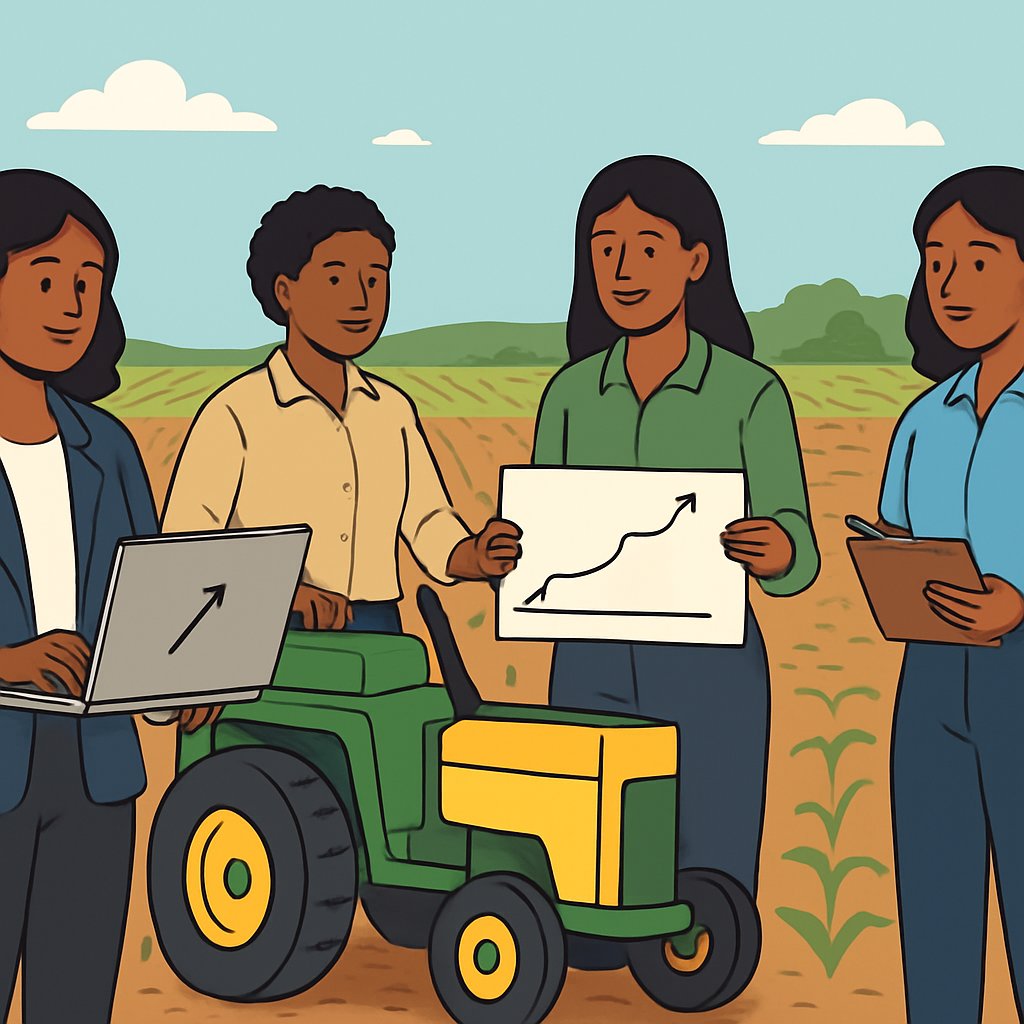
Challenges and Solutions
Women in agricultural engineering often face various obstacles.
Those obstacles can hinder their success and professional progress.
Addressing barriers helps create a more inclusive and supportive industry.
Obstacles Faced by Women in Agricultural Engineering
Lack of representation reduces visible role models and mentorship.
Gender bias and discrimination limit career advancement opportunities.
Unequal access to resources and funding restricts professional growth.
- Lack of representation reduces role models and mentors for aspiring female engineers.
- Gender bias and discrimination affect workplace opportunities and treatment.
- Unequal opportunities restrict access to resources, funding, and growth.
- Male dominated environments intensify work-life balance challenges.
- Cultural norms and stereotypes create additional barriers for women.
Solutions for Creating a More Inclusive Environment
Encouraging diversity and inclusion attracts and retains female talent.
Mentorship programs connect emerging engineers with experienced professionals for guidance.
Professional development events and training help women enhance skills and advance.
- Encouraging diversity and inclusion promotes welcoming environments.
- Providing mentorship programs pairs female engineers with experienced mentors.
- Offering professional development opportunities includes training, workshops, and networking.
- Addressing gender bias requires policies and procedures for equity.
- Supporting work-life balance offers flexible schedules and childcare support.
- Changing cultural norms involves awareness, education, and stereotype reduction.
Recognizing challenges and implementing solutions empowers women to thrive in the field.
Discover More: Professional Associations for Agricultural Engineers in Nigeria
Advancing Inclusive Agricultural Engineering
Women in agricultural engineering play a crucial role in shaping the future of sustainable food production.
Their unique perspectives and contributions enhance innovation and problem-solving in the field.
It is essential to recognize the importance of diversity in agricultural engineering for long-term success.
Encouraging more women to pursue careers in this field is necessary for continued growth and advancement.
By breaking barriers and embracing opportunities, women in agricultural engineering can drive positive change in the industry.
Together, we can build a more inclusive and diverse environment that fosters creativity and excellence.
Let us continue to support and empower women in agricultural engineering to create a better world for all.
Additional Resources
Google search results for Women in Agricultural Engineering: Breaking Barriers Engineering
Bing search results for Women in Agricultural Engineering: Breaking Barriers Engineering


