




Environmental Scientists in Nigeria
Environmental scientists play a crucial role in Nigeria.
They address environmental issues affecting the country.
Additionally, they conduct research and develop sustainable practices.
They also implement policies that protect the environment.
Overview of Environmental Issues in Nigeria
- Nigeria faces severe deforestation because of logging, agriculture, and urbanization.
- Additionally, industrial waste, oil spills, and improper disposal create serious pollution problems.
- Meanwhile, climate change causes extreme weather events and rising temperatures across the country.
Environmental and Public Health Impacts
- Deforestation reduces biodiversity, increases soil erosion, and decreases carbon sequestration.
- Consequently, pollution contaminates air and water sources, causing respiratory illnesses and waterborne diseases.
- Furthermore, climate change affects agriculture and water resources while increasing community vulnerability to natural disasters.
Research and Data Collection
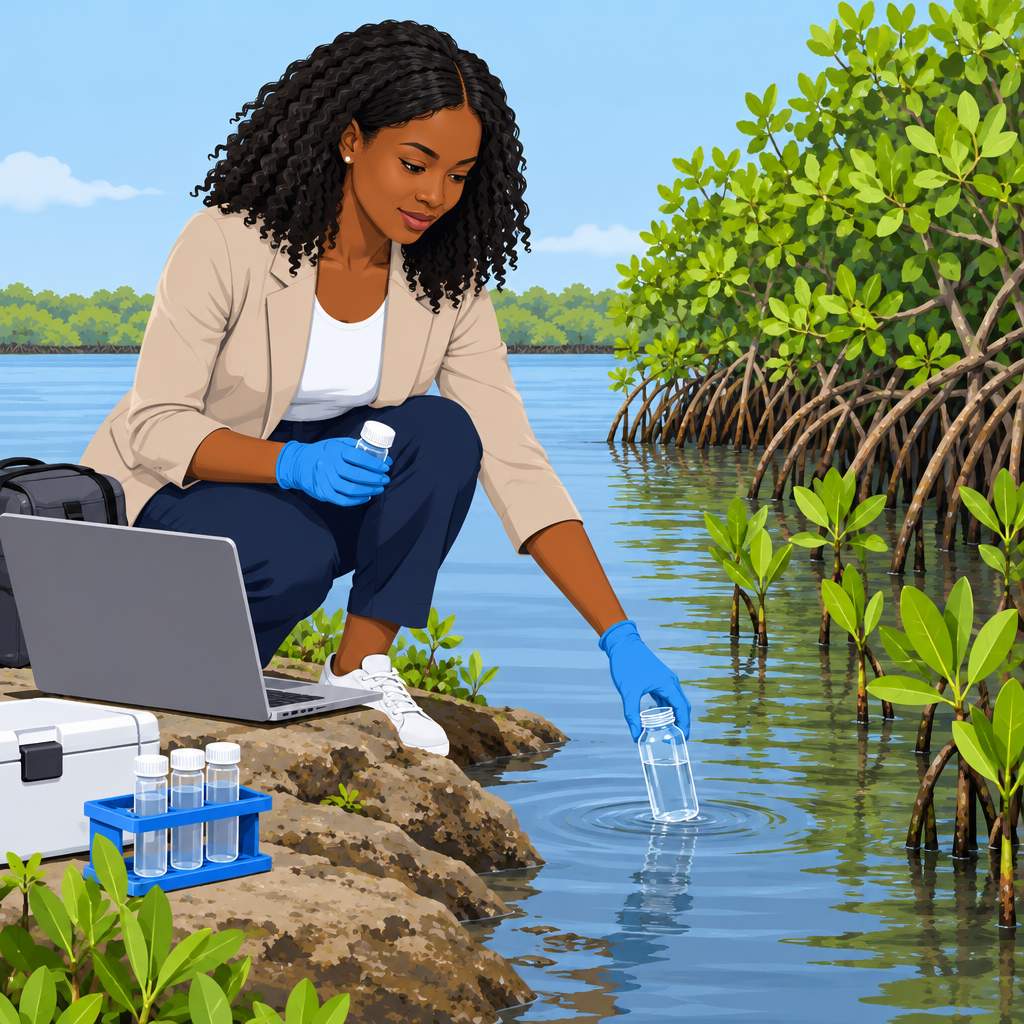
Environmental scientists in Nigeria investigate environmental conditions affecting communities and ecosystems.
They collect data about air quality, water pollution, deforestation, and other environmental indicators.
This evidence supports practical strategies for reducing environmental degradation.
Data Analysis and Solution Development
After collecting data, environmental scientists analyze trends and patterns.
Scientific methods help them assess how human activities affect the environment.
They then develop solutions that address identified environmental problems.
Policy Development and Implementation
Environmental scientists work with policymakers to develop and implement environmental policies.
They provide scientific guidance about how policy decisions may affect the environment.
Furthermore, they translate complex research into practical recommendations for lawmakers.
Environmental Education and Awareness
Environmental scientists raise public awareness about environmental challenges and sustainable practices.
They organize outreach programs, workshops, and seminars for communities.
These activities give people knowledge that supports conservation and environmental responsibility.
Collaboration and Networking
Environmental scientists collaborate with engineers, planners, economists, and other professionals.
Together, these specialists address environmental challenges from several perspectives.
They also connect with international organizations and research institutions to share expertise and resources.
Monitoring and Evaluation
Environmental scientists evaluate the effectiveness of environmental initiatives and policies.
They track indicators such as pollution levels and biodiversity loss.
This monitoring reveals progress and supports continuous improvement in environmental management.
Building a Resilient Environmental Future
Through research, analysis, and policy support, environmental scientists strengthen environmental management.
Education and collaboration help communities participate in sustainability efforts.
Consequently, their combined work supports a healthier and more resilient environment for future generations.
Delve into the Subject: Impact of Government Policies on Estate Management
Environmental Policy Advocacy and Development
Environmental scientists in Nigeria advocate for policies that protect nature and promote sustainability.
- They conduct research to identify environmental areas requiring policy attention.
- They analyze data and give policymakers evidence-based recommendations about environmental regulations.
- Through their expertise, they raise awareness about environmental concerns and sustainable practices.
The Policy Value of Environmental Scientists
- Environmental scientists help decision-makers understand how policies affect the environment.
- They offer policymakers insights for balancing economic development with environmental conservation.
- By engaging stakeholders, they help shape policies that benefit the environment and society.
Their expertise therefore supports sustainability for future generations.
Their role extends beyond research and data analysis.
Delve into the Subject: Estate Management in Nigeria: Historical Context
Community Engagement for Environmental Conservation
Environmental scientists engage local communities to raise awareness about environmental issues.
They also explain sustainable practices and environmental conservation.
Through outreach, they help individuals take action and improve their surroundings.
- Environmental scientists actively engage local communities through various outreach programs.
- They organize workshops, seminars, and awareness campaigns about environmental conservation.
- By working with community leaders, they build trust and strengthen their message.
- They collaborate with schools, non-profit organizations, and government agencies to reach wider audiences.
- Community engagement empowers individuals to create positive changes in their surroundings.
Public Education on Sustainable Practices
Environmental scientists educate the public about sustainable practices that reduce carbon footprints.
They demonstrate how recycling, energy conservation, and water management support eco-friendly behavior.
Furthermore, scientific research helps people understand the long-term benefits of environmental conservation.
- Environmental scientists teach sustainable practices that can reduce carbon footprints.
- They conduct workshops on recycling, energy conservation, and water management.
- Interactive sessions demonstrate sustainable practices for daily life.
- They share scientific research and data about environmental conservation benefits.
- They provide policymakers with expert recommendations based on research findings.
Delve into the Subject: Funding Opportunities for Environmental Management Tech
Collaboration with Other Stakeholders
Environmental scientists collaborate with government agencies, NGOs, and other stakeholders.
This collaboration combines expertise to address environmental challenges.
Partners work together to implement practical environmental solutions.
Transform Your Career with Expert Guidance
Get personalized mentorship consulting that’s tailored to your unique path. Our expert advice is actionable and exclusive.
Get Started- Environmental scientists coordinate with government agencies and NGOs.
- Stakeholders cooperate to develop and implement environmental solutions.
Find Out More: Estate Management: Case Studies from Nigeria
Environmental Science and Ecological Protection in Nigeria
Environmental scientists assess how human activities affect Nigeria’s natural systems.
They study pollution, climate change, deforestation, and related environmental concerns.
Their analyses reveal pressures affecting ecosystems and biodiversity.
They develop strategies that reduce environmental harm and support sustainable practices.
Moreover, their findings give policymakers and the public reliable environmental information.
Their professional expertise helps institutions apply environmental protection measures.
Environmental scientists also promote sustainability through conservation advocacy and public awareness.
They recommend improvements after assessing environmental effects from human activities.
Their expertise helps shape regulations that safeguard natural resources and ecosystems.
By studying ecological systems, they support biodiversity preservation across Nigeria.
Consequently, their work helps address environmental challenges and encourages a greener future.
Recognizing this contribution can strengthen efforts to protect the environment for future generations.
Additional Resources
Google search results for Role of Environmental Scientists in Nigeria Environmental
Bing search results for Role of Environmental Scientists in Nigeria Environmental


