



Introduction
Radiography is an important healthcare profession in Nigeria.
Radiographers produce images that support medical assessment.
Moreover, these images help healthcare professionals plan appropriate treatment.
The profession therefore influences diagnostic services across the healthcare sector.
These developments also shape current job market trends.
Radiography Job Market Trends in Nigeria
Nigeria’s radiography profession is experiencing significant growth.
This growth reflects increasing demand for diagnostic imaging services.
Radiographers produce high-quality images for healthcare professionals.
These images support accurate diagnosis and treatment planning.
Consequently, healthcare providers increasingly need skilled radiography professionals.
Current job market trends indicate favorable career prospects.
Hospitals, clinics, and diagnostic centers actively recruit radiographers.
However, radiography graduates still face a competitive job market.
Professionals with specialized skills or certifications gain an advantage.
Therefore, continuous professional development helps radiographers remain competitive.
Employment prospects are projected to continue growing.
The radiography job market remains dynamic and evolving.
Growth of the Radiography Profession in Nigeria
The radiography profession in Nigeria has experienced significant growth in recent years.
Several healthcare trends have created favorable conditions for radiographers.
These developments have strengthened opportunities within the healthcare sector.
- Increasing demand for radiography services in hospitals and diagnostic centers
- Expanding healthcare facilities creating more opportunities for radiographers
- Government initiatives supporting the radiography profession
Increasing Demand for Radiography Services
Hospitals and diagnostic centers now require more radiography services.
Population growth has increased the need for medical imaging.
Additionally, lifestyle-related diseases have expanded demand for diagnostic support.
Radiographers help healthcare professionals assess conditions and plan appropriate treatment.
Expansion of Healthcare Facilities
Healthcare facilities are expanding across Nigeria.
New and upgraded hospitals, clinics, and diagnostic centers need trained radiographers.
Consequently, this development creates additional career pathways for radiographers.
It also increases competition among aspiring professionals.
Government Support for Radiography Development
The Nigerian government has introduced initiatives supporting radiography’s development.
These measures include funding training programs and accrediting radiography schools.
Moreover, regulations promote quality and safety in radiography services.
Through these efforts, the government supports workforce development within radiography.
Therefore, radiographers can pursue professional growth while contributing to Nigeria’s healthcare system.
Challenges Faced by Radiography Job Seekers
Radiography job seekers in Nigeria face several challenges when pursuing employment opportunities.
Several factors make the job search competitive and demanding for qualified applicants.
Therefore, candidates must identify effective ways to strengthen their applications and improve their employment prospects.
- High competition affects radiography employment opportunities.
- Limited entry-level positions restrict opportunities for new graduates.
- Additional certifications or specialization can help applicants stand out.
High Competition for Radiography Positions
The radiography profession has attracted many people seeking careers in healthcare.
Consequently, numerous qualified candidates often compete for the same employment opportunities.
Employers can therefore select from a large pool of applicants during recruitment.
Job seekers must distinguish themselves from other candidates to improve their chances of securing employment.
Transform Your Career with Expert Guidance
Get personalized mentorship consulting that’s tailored to your unique path. Our expert advice is actionable and exclusive.
Get StartedLimited Entry-Level Positions for New Graduates
New graduates often encounter a limited number of entry-level radiography positions.
This shortage makes it difficult for them to begin their careers and gain practical experience.
Moreover, many applicants may compete for the few available opportunities.
As a result, recent graduates may experience extended periods of job searching.
Additional Certifications and Specialization Requirements
Basic radiography qualifications may not always distinguish one applicant from another.
Therefore, employers may favor candidates with additional certifications or specialized training.
Advanced education can help applicants demonstrate stronger skills in specific radiography areas.
However, pursuing further training can require additional time and financial resources.
Job seekers can address these challenges by improving their skills and presenting their qualifications effectively.
See Related Content: Continuing Education for Nigerian Dental Therapists
Radiography Salary Trends in Nigeria
Radiographer salaries in Nigeria vary according to experience, location, and employer.
Entry-level radiographers typically earn between 70,000 – 120,000 Nigerian Naira monthly.
Experienced radiographers with specialized skills or leadership responsibilities may earn 200,000 – 300,000 Nigerian Naira monthly.
Public and Private Radiography Salaries
Public hospitals and government-run healthcare facilities often offer lower radiography salaries.
Private hospitals, clinics, and imaging centers may provide higher salary rates.
Funding sources, budgets, and organizational structures contribute to these differences.
Factors Affecting Radiography Salary Negotiations
Several factors influence salary negotiations for radiography positions in Nigeria.
Radiographers should assess their qualifications, workplace preferences, and professional demand before accepting offers.
Strong negotiation skills can help candidates secure improved salaries or additional employment benefits.
- Advanced degrees, certifications, and specialized training can support stronger salary negotiations.
- Experience can increase a radiographer’s ability to request better compensation.
- Location affects salary because living costs differ across Nigerian regions.
- Private employers often offer higher compensation than public healthcare institutions.
- Industry demand can strengthen salary negotiations in specific healthcare sectors or regions.
- Effective negotiation may improve salaries or add valuable employment benefits.
Radiographers can compare salary factors when evaluating different career opportunities.
They can also consider how specialization, experience, and employer type affect their financial goals.
This information supports more informed decisions about radiography employment in Nigeria.
Discover More: Balancing Medical School and Life: Tips for Nigerian Students
Technological advancements have greatly impacted the radiography job market in Nigeria.
They have changed how radiographers work in Nigeria.
These changes also influence the skills employers expect.
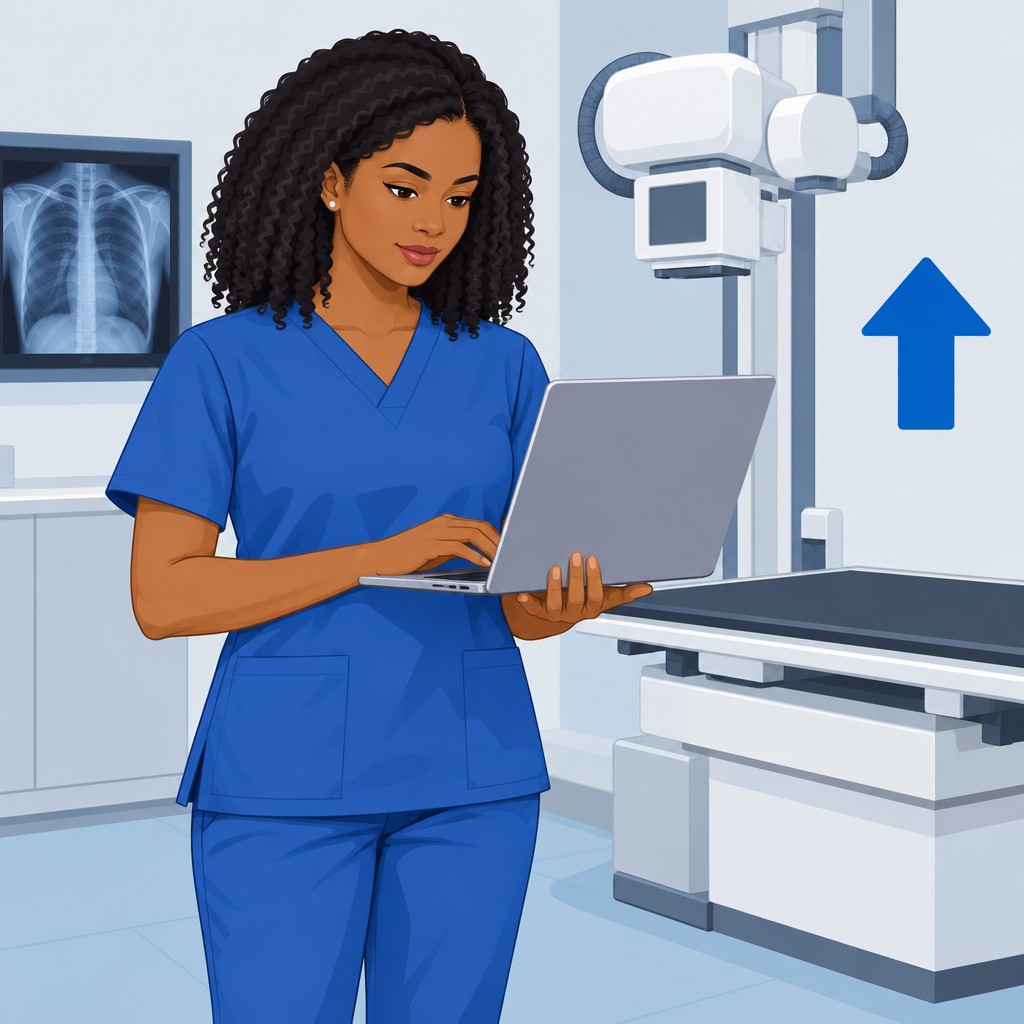
Digital Imaging Technologies in Radiography
Digital imaging technologies have revolutionized the field of radiography.
Digital imaging systems provide higher resolution images and faster processing times.
They also support improved diagnostic accuracy.
New Equipment and Software Skills
Radiographers need to stay updated on new equipment and software.
This preparation helps them remain competitive in the job market.
Employers seek technologically skilled professionals who operate modern imaging equipment efficiently.
Specialization Opportunities in Radiography
Technological advancements have created opportunities for specialization within radiography.
Radiographers can specialize in MRI, CT scanning, or interventional radiography.
Specialization can make radiographers more marketable and in demand.
Adapting to Technological Change
Technological advancements continue to influence the radiography job market in Nigeria.
Radiographers must adapt by learning new equipment and software.
They should also consider specialization to remain competitive in the field.
Gain More Insights: Technology in Nigerian Physiotherapy Practices
Job Stability and Career Progression in Radiography
Radiography offers stable employment prospects in Nigeria because healthcare facilities continue needing diagnostic imaging services.
Radiographers support healthcare delivery by producing diagnostic images for patient assessment.
Consequently, the profession provides several pathways for continued career development and skill improvement.
Job Security for Radiographers in Nigeria
Radiographers can find employment in public hospitals, private clinics, and diagnostic centers across Nigeria.
These facilities require radiographers to provide accurate diagnostic images for patients.
Therefore, demand for imaging services supports steady employment opportunities in different healthcare settings.
This range of workplaces gives radiographers multiple employment settings across the country.
Career Advancement Options in Radiography
Radiographers can advance by specializing in MRI, CT scans, or mammography.
Additional certifications and specialized training can strengthen their expertise and qualifications.
As a result, specialization can create new opportunities and improve salary prospects.
Furthermore, master’s study or higher education can prepare radiographers for leadership positions.
Professional Development Opportunities for Radiographers
Continuing education courses help radiographers maintain current knowledge and strengthen their professional abilities.
Workshops and conferences introduce developments in imaging technology and techniques.
Professional organizations and recognized certifications can demonstrate commitment and support career prospects.
Moreover, experienced professionals can provide mentorship and guidance for career progression.
Find Out More: Career Paths in Haematology and Immunology in Nigeria
Networking and Professional Associations in Radiography
Professional associations can support radiographers’ career development.
They provide learning opportunities, professional connections, and industry information.
Networking also helps radiographers connect with healthcare professionals and identify career opportunities.
Benefits of Professional Organizations for Radiographers
Professional organizations help radiographers follow industry trends and developments.
They also create opportunities for conferences, workshops, and seminars.
Additionally, members can gain recognition, guidance, and access to career opportunities.
- Access to the latest industry trends and developments can support career advancement.
- Conferences, workshops, and seminars can help radiographers enhance their skills.
- Networking with experts can provide mentorship and professional guidance.
- Professional recognition can strengthen credibility within the radiography community.
- Members can access job listings and career opportunities.
Networking with Healthcare Professionals
Networking enables radiographers to collaborate with professionals across healthcare settings.
These relationships encourage knowledge sharing and multidisciplinary collaboration.
Furthermore, professional connections can support referrals, recommendations, and potential job leads.
- Radiographers can collaborate with radiologists, technicians, and other healthcare professionals.
- Relationships with hospital administrators and clinic managers may reveal job leads.
- Professionals can share best practices and learn from experienced colleagues.
- Industry events and conferences can expand professional networks.
- Alumni and colleagues can provide referrals and recommendations.
Resources for Continuous Learning and Career Growth
Professional associations can help radiographers continue learning throughout their careers.
They provide educational resources, development programs, and guidance for career progression.
Some associations also support mentorship, research, and further education.
- Online resources, journals, and research articles can support continued learning.
- Certifications and training programs can strengthen professional development.
- Mentorship programs can connect early-career radiographers with experienced professionals.
- Career guidance can support progression, specialization, and job placement.
- Financial assistance may support education, research, or conference attendance.
These opportunities can enhance radiographers’ career prospects and professional knowledge.
They also connect radiographers with like-minded professionals across the industry.
Building a Sustainable Radiography Career in Nigeria
The radiography job market in Nigeria continues to evolve rapidly.
Professionals must track digitalization, specialization, and regulatory changes to remain informed.
These trends shape opportunities across the field.
Furthermore, aspiring radiographers should pursue continuous skill development.
Further education can strengthen their professional growth and advancement.
Industry networking can also help candidates position themselves for success.
However, the Nigerian radiography job market presents both challenges and opportunities.
Radiographers can navigate this changing landscape by staying proactive and adaptable.
These efforts can help them build fulfilling careers in this vital healthcare profession.
Additional Resources
Google search results for Radiography Job Market Trends in Nigeria Medical
Bing search results for Radiography Job Market Trends in Nigeria Medical


