




Radiography Equipment Maintenance and Safety
Radiography equipment maintenance and safety remain crucial in Nigeria.
Proper maintenance practices enhance equipment performance in healthcare settings.
Additionally, safety practices help minimize risks during radiography procedures.
These practices also support efficient and accurate radiography procedures.
Importance of Regular Maintenance
Healthcare facilities in Nigeria need regular radiography equipment maintenance to support reliable medical imaging.
Preventive servicing helps technicians identify developing problems before they cause major equipment failures.
Consequently, maintenance supports accurate imaging, dependable performance, and longer equipment service life.
Benefits of Scheduled Equipment Care
Regular maintenance keeps radiography equipment in optimal working condition.
Moreover, routine servicing improves imaging accuracy and strengthens the reliability of results.
Facilities can also reduce costly repairs by addressing equipment concerns early.
- Regular maintenance keeps the equipment operating effectively.
- Preventive servicing reveals potential issues before they become major problems.
- Routine checks support accurate and reliable imaging results.
- Consistent care extends equipment lifespan and limits costly repairs.
- Proper servicing improves overall radiography equipment performance.
Risks of Neglected Maintenance
Neglected maintenance can cause equipment breakdowns and unexpected malfunctions.
Furthermore, poorly maintained equipment may produce inaccurate or unreliable imaging outcomes.
These failures can interrupt healthcare services, increase costs, and compromise patient safety.
- Neglect can lead to equipment breakdowns and malfunctions.
- Inadequate servicing may produce inaccurate imaging outcomes.
- Unscheduled downtime can disrupt healthcare services.
- Neglect may void equipment warranties and increase long-term costs.
- Poorly maintained equipment can compromise patient safety and care quality.
Healthcare facilities in Nigeria should prioritize scheduled radiography equipment maintenance.
This approach supports dependable imaging services and helps maintain appropriate safety standards.
Common Maintenance Practices
Regular maintenance of radiography equipment supports efficient and safe operation.
Routine tasks help preserve performance and maintain clear imaging results.
Staff should perform these tasks according to equipment use and manufacturer recommendations.
- Cleaning: Staff should clean equipment regularly to prevent dust accumulation and preserve clear imaging results.
- Calibration: Technicians should schedule routine calibration to maintain imaging and diagnostic accuracy.
- Component inspection: Staff should inspect each component for wear or damage that could affect performance.
To prevent disruptions, facilities should schedule maintenance activities carefully.
- Create a maintenance schedule: Develop a regular schedule based on equipment usage and manufacturer recommendations.
- Train staff: Teach staff basic maintenance tasks, proper equipment handling, and early issue detection.
- Maintain records: Record maintenance dates, completed tasks, and identified issues for future reference.
- Plan for downtime: Schedule maintenance during off-peak hours to reduce operational and appointment disruptions.
- Stay updated: Monitor equipment updates and recalls to support compliance with safety standards.
Following these practices can extend equipment longevity and support optimal performance.
These measures also prioritize patient and staff safety during equipment use.
Discover More: Impact of Medical Lab Science on Disease Diagnosis
Radiography facilities in Nigeria must follow safety guidelines during equipment use.
These guidelines protect patients and healthcare professionals from preventable harm.
They also support responsible equipment use and safer radiography procedures.
Importance of Following Safety Protocols
Healthcare professionals reduce patient risks when they follow established safety protocols.
Furthermore, safety guidance limits unnecessary radiation exposure for healthcare professionals.
Following these procedures also supports legal compliance and helps prevent equipment-related accidents.
- Safety protocols protect patients by reducing risks during radiography procedures.
- Healthcare professionals avoid unnecessary radiation risks when they follow safety guidelines.
- Facilities meet legal requirements when staff use radiography equipment responsibly.
- Proper procedures help prevent accidents and injuries during equipment handling.
Specific Safety Measures
Radiography facilities should combine protective procedures with appropriate equipment management.
In addition, trained staff should operate equipment correctly and respond to potential hazards.
Quality checks and emergency planning further support safe and reliable radiography services.
- Radiation protection measures reduce harmful exposure for patients and healthcare professionals.
- Trained healthcare professionals should handle and operate radiography equipment correctly.
- Routine maintenance helps confirm that equipment functions correctly and safely.
- Quality assurance practices help equipment meet safety standards and produce accurate results.
- Healthcare professionals should wear protective equipment, including lead aprons and gloves.
- Emergency procedures help staff respond quickly when radiography equipment creates a hazard.
- Proper shielding and safe equipment placement protect people and the surrounding environment.
Healthcare facilities can create safer radiography environments by prioritizing these protective measures.
Regular staff education and training reinforce responsible safety practices.
Consequently, consistent safety efforts protect everyone involved in radiography procedures.
You Might Also Like: How to Become a Medical Lab Scientist in Nigeria
Training and Education for Radiography Technicians
Radiography technicians need training on equipment maintenance and safety procedures.
Additionally, continuous learning helps them follow new technologies and best practices in radiography.
These efforts strengthen their knowledge and support safer equipment operation.
- Technicians receive training on equipment maintenance and safety procedures.
- Continuous learning keeps technicians updated on radiography technologies and best practices.
Importance of Training and Education
Training and education support the proper maintenance and safe operation of radiography equipment in Nigeria.
Technicians need knowledge and skills to handle complex imaging devices safely.
Transform Your Career with Expert Guidance
Get personalized mentorship consulting that’s tailored to your unique path. Our expert advice is actionable and exclusive.
Get StartedThey must also protect patients and themselves during equipment use.
Comprehensive training teaches technicians to troubleshoot equipment issues effectively.
It also prepares them to perform routine maintenance tasks and follow safety protocols.
Consequently, training improves equipment use and reduces risks during imaging procedures.
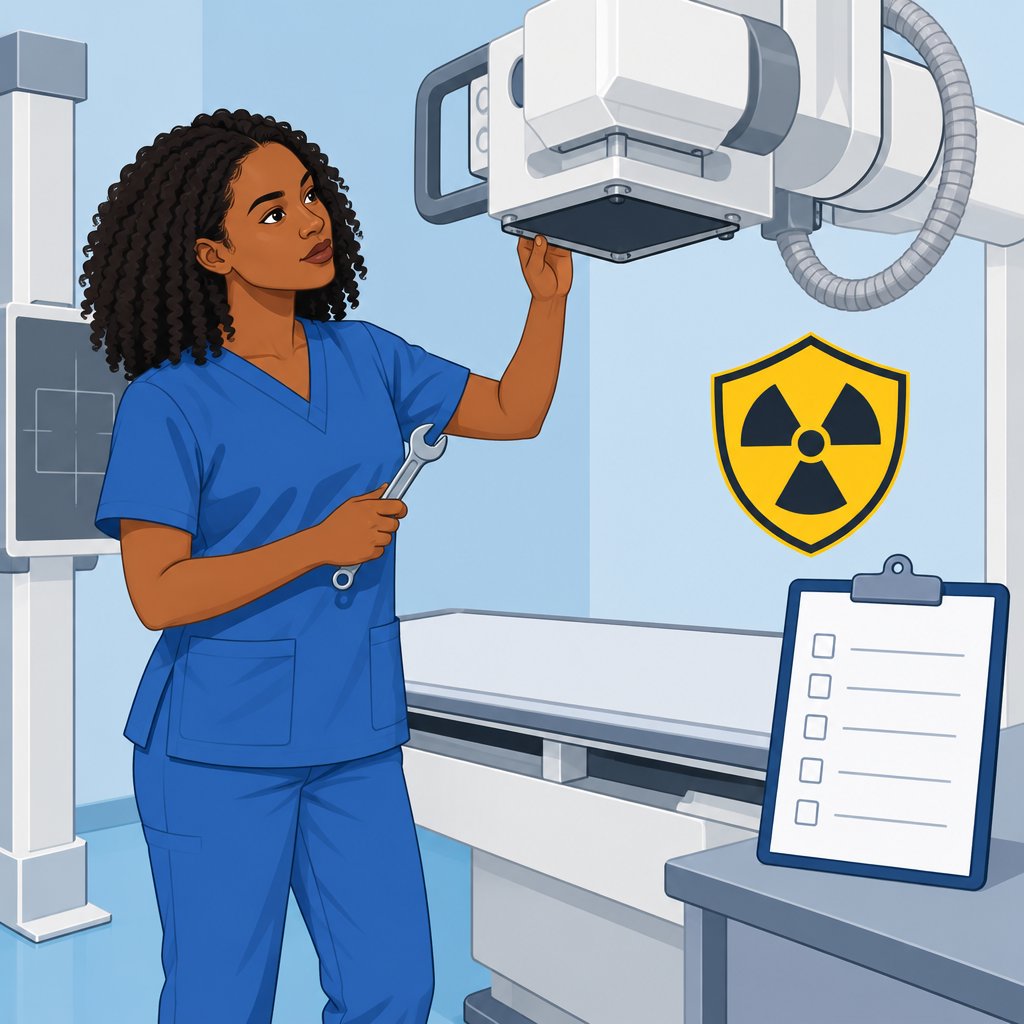
Role of Continuous Learning
Radiography technology continues to evolve rapidly.
Therefore, technicians must study current imaging equipment and safety standards.
Continuous education helps technicians deliver high-quality patient care.
Professional development opportunities help technicians acquire new skills.
They also help technicians understand emerging technologies and apply radiography best practices.
This learning process helps technicians adapt to changing industry trends.
It also improves their proficiency with advanced imaging systems.
Thus, education helps technicians maintain equipment effectively and protect patients and staff.
Continued learning can improve patient outcomes and the quality of radiology care.
Delve into the Subject: Importance of Medical Laboratory Science in Healthcare
Regulatory Compliance in Radiography Maintenance
Radiography facilities should follow standards established by organizations such as the Nigerian Radiographers Society.
These standards promote consistent, high-quality radiography equipment maintenance practices.
They also require proper equipment maintenance and calibration for accurate results.
- Following regulatory standards promotes consistency and quality in radiography practice.
- Proper maintenance and calibration help equipment deliver accurate results.
- Additionally, compliance helps prevent equipment malfunctions and breakdowns.
- Regulatory guidelines promote professionalism and ethical conduct among radiography professionals.
Risks of Regulatory Non-Compliance
Healthcare facilities may face legal liabilities when they ignore regulatory standards.
Furthermore, poorly maintained equipment can compromise patient safety.
Incorrect equipment performance can contribute to inaccurate diagnoses and treatment decisions.
- Non-compliance may lead to legal penalties for healthcare facilities.
- Patients face greater risks when facilities neglect maintenance requirements.
- Equipment failures can produce incorrect diagnoses and treatment decisions.
- Healthcare facilities may face lawsuits and reputational damage after violating regulations.
Explore Further: Top Universities for Nursing Science in Nigeria
Healthcare facilities in Nigeria need reliable radiography equipment for medical diagnostic procedures.
Therefore, facilities should invest in equipment that meets appropriate quality standards.
This investment supports smooth operations and strengthens long-term equipment value.
Significance of Investing in Quality Radiography Equipment
Quality radiography equipment supports consistent performance during medical diagnostic procedures.
Additionally, durable equipment reduces the need for frequent replacements and repairs.
Consequently, reliable equipment helps healthcare facilities reduce downtime and service disruptions.
- Durable Equipment: Quality radiography equipment lasts longer and reduces frequent replacement needs.
- Reliability: High-quality equipment delivers consistent performance during medical diagnostic procedures.
- Easy Maintenance: Quality equipment allows technicians to complete servicing and repairs more efficiently.
Long-Term Benefits of Purchasing High-Quality Equipment
High-quality equipment supports precise imaging and more accurate diagnostic results for patients.
Moreover, efficient equipment streamlines radiography processes and reduces patient waiting times.
Although quality equipment costs more initially, it can reduce long-term breakdown and repair expenses.
- Accuracy: High-quality equipment supports precise imaging for accurate diagnostic results.
- Efficiency: Quality equipment improves workflow and reduces patient waiting times.
- Cost-Effectiveness: Quality equipment minimizes breakdowns and repair costs over time.
Ultimately, quality radiography equipment improves patient care and operational efficiency.
It also helps healthcare facilities in Nigeria achieve long-term financial savings.
Sustaining Radiography Equipment Safety and Care
Healthcare facilities in Nigeria can sustain safe radiography services through inspections, calibration, training, and radiation safety practices.
These measures support dependable equipment performance and promote attentive patient care.
Furthermore, facilities should prioritize maintenance schedules to prevent accidents and preserve high-quality imaging results.
Investment in maintenance and safety can extend radiography machine lifespans and support better patient outcomes.
Therefore, healthcare teams should adopt proactive practices that uphold quality care standards.
Additional Resources
Google search results for Radiography Equipment Maintenance and Safety in Nigeria Health Sciences
Bing search results for Radiography Equipment Maintenance and Safety in Nigeria Health Sciences


