



Advancements in Public Health Technology
Public health technology has grown significantly in recent years.
New tools have changed how healthcare providers deliver services.
These tools include telemedicine, electronic health records, and mobile health apps.
Technology and Rural Healthcare Access
Rural areas often face challenges when accessing quality healthcare services.
Technology can connect rural residents with healthcare providers and useful health information.
As a result, public health technology can help address healthcare access disparities.
Telemedicine for Remote Consultations
Telemedicine connects rural residents with healthcare providers through virtual consultations.
Patients can receive medical advice without traveling long distances.
Additionally, providers can support prescriptions and follow-up care through remote services.
Electronic Health Records for Coordinated Care
Electronic health records organize patient information for healthcare providers.
Rural clinics can review medical histories when assessing patient needs.
Therefore, shared records can improve coordination, diagnoses, and treatment planning.
Mobile Health Apps for Health Education
Mobile health apps give rural residents access to valuable health information.
These apps can encourage healthy behaviors and support disease management.
Furthermore, mobile tools can help individuals take greater control of their health.
Remote Monitoring for Chronic Conditions
Public health technology supports remote monitoring for chronic conditions.
For example, providers can monitor vital signs for diabetes or hypertension.
Consequently, timely interventions can help prevent complications.
Technology Contributions to Rural Health Outcomes
Public health technology can enhance healthcare access in rural communities.
It can also support better coordination, education, monitoring, and follow-up care.
By applying these tools, communities can work toward improved health outcomes for all.
Telemedicine Access in Rural Communities
- Telemedicine enables remote diagnosis and treatment through telecommunications technology.
- Additionally, telemedicine connects rural patients with doctors and specialists.
- Patients in remote areas can receive medical care without traveling long distances.
- For example, the Mayo Clinic operates a telemedicine program in rural areas.
- Similarly, the University of Mississippi Medical Center supports rural communities through telemedicine initiatives.
Mobile Health Apps
Mobile Health apps support healthcare access through smartphones and tablets.
Users can access medical resources, track health metrics, and manage personal health while traveling.
These apps also help users communicate with healthcare providers through digital services.
Benefits of Mobile Health Apps for Rural Healthcare
Mobile Health apps can help rural residents manage healthcare needs despite limited local services.
They also support regular monitoring, health education, and communication with medical professionals.
Additionally, these tools can reduce travel demands, save time, and support more convenient care.
- Rural residents can access virtual consultations when healthcare providers offer telemedicine services.
- Users can track vital signs, medication adherence, and physical activity to support chronic condition management.
- Apps provide preventive care information, healthy lifestyle guidance, and disease management resources.
- Patients can reduce travel expenses, save time, and avoid unnecessary hospital visits.
- Secure messaging helps patients communicate with doctors, nurses, and other healthcare professionals.
Popular Mobile Health Apps for Rural Communities
Several apps address the healthcare needs of rural communities.
These tools may offer user-friendly interfaces, localized content, or personalized health services.
The following examples support monitoring, communication, medication management, and family care.
- Mymeditracker: This app helps users monitor vital signs, track medications, and schedule appointment reminders.
- HealthTap: This app provides virtual consultations, medical advice, and prescription delivery services.
- 3rings: Families can monitor elderly relatives and receive alerts about possible emergencies.
- Florence: This app provides medication reminders, health tips, and appointment notifications.
- Dosecast: This app creates dosing schedules and tracks medication adherence.
Delve into the Subject: Essential Skills for Public Health Technologists in Nigeria
Electronic Health Records in Healthcare Delivery
Electronic Health Records centralize patient information for healthcare providers.
They provide access to records, treatment histories, medications, and test results.
Consequently, providers can coordinate care more effectively and support better patient outcomes.
Patients may also experience greater satisfaction when providers access relevant information efficiently.
Benefits for Rural Healthcare Facilities
Rural facilities often manage limited resources, staffing shortages, and restricted specialist access.
EHR systems help providers communicate, reduce medical errors, and improve operational efficiency.
Additionally, these systems can support remote consultations between rural patients and specialists.
This access helps facilities coordinate care despite geographic barriers.
Challenges and Solutions for Rural EHR Implementation
Reliable internet connectivity remains a major implementation challenge in rural areas.
Transform Your Career with Expert Guidance
Get personalized mentorship consulting that’s tailored to your unique path. Our expert advice is actionable and exclusive.
Get StartedFacilities can consider offline EHR systems or invest in stronger internet infrastructure.
Implementation and maintenance costs can also burden smaller facilities with limited budgets.
Government funding and grants can help facilities manage these expenses.
Furthermore, providers need training and ongoing support to use EHR systems successfully.
Local universities or technology companies can provide training sessions and technical assistance.
These measures help rural facilities adopt EHR systems and improve healthcare delivery.
Find Out More: Case Studies of Public Health Tech Successes in Nigeria
Wearable Health Tech
Wearable health technology provides convenient, real-time information about an individual’s health status.
These devices can support personal health awareness through regular monitoring.
They may also help rural residents recognize changes and seek care when necessary.
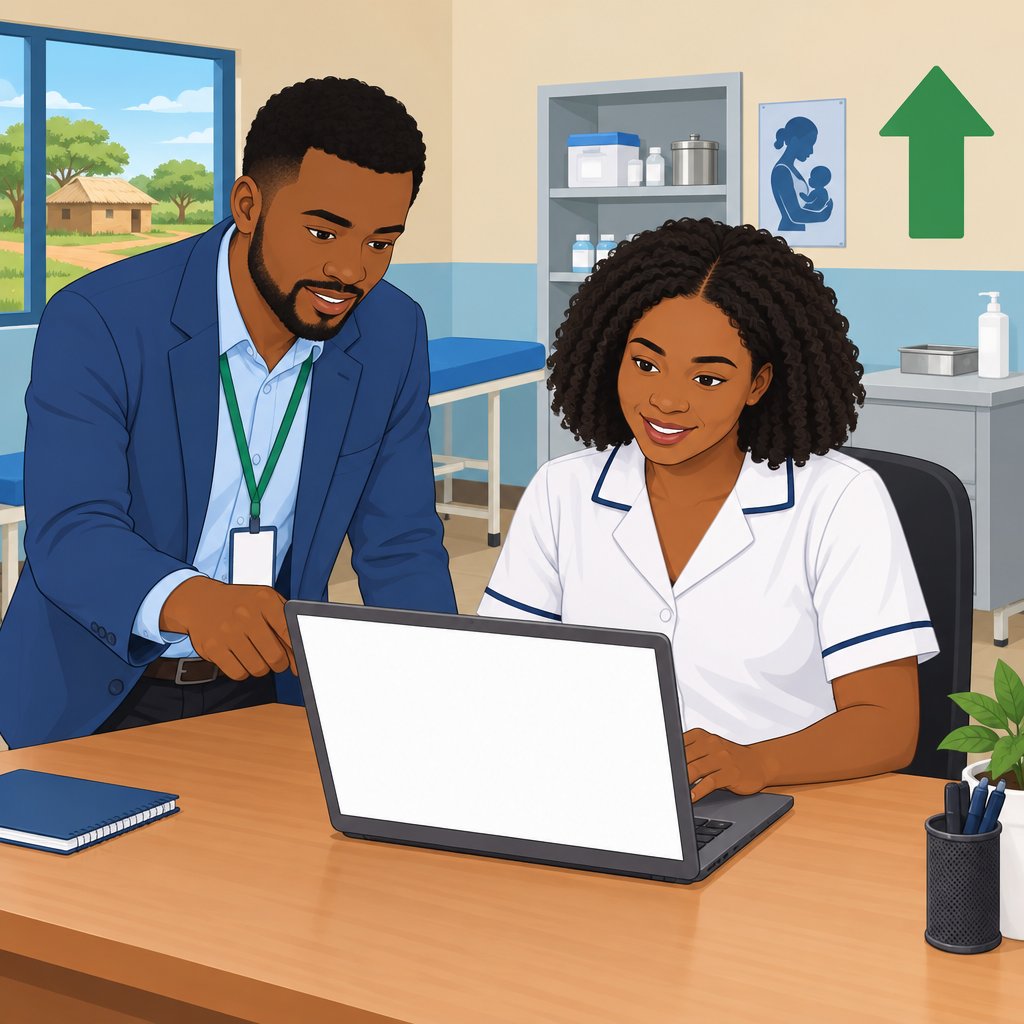
Common Wearable Health Tech Devices
Several wearable devices help individuals monitor health information during daily activities.
Smartwatches and fitness trackers collect information through convenient wearable formats.
Health monitoring patches provide another option for tracking selected health indicators.
- Smartwatches
- Fitness trackers
- Health monitoring patches
Health Indicators Tracked By Wearable Devices
Wearable devices can track several indicators related to personal health and daily habits.
For example, users can review heart rate, activity, sleep, calories, and blood pressure information.
Consequently, regular tracking can help individuals notice changes in their health indicators.
- Heart rate monitoring
- Activity tracking
- Sleep monitoring
- Calorie tracking
- Blood pressure monitoring
Wearable Health Tech And Rural Healthcare Access
Wearable health technology can expand healthcare support for people living in rural areas.
It can connect individuals with healthcare professionals remotely while reducing the need for some visits.
Furthermore, personal monitoring can encourage proactive health management and strengthen preventive care.
- Providing remote access to healthcare professionals
- Supporting health monitoring without requiring a doctor visit
- Encouraging proactive health management
- Improving preventive care measures
Rural residents can use tracked information to recognize potential health concerns earlier.
When concerns arise, individuals can seek medical attention when necessary.
You Might Also Like: Nutrition and Dietetics Internships Abroad for Nigerians
Data Analytics in Rural Public Health
Data analytics examines health information to identify patterns and trends.
It helps public health teams understand community needs and design targeted interventions.
These insights can guide decisions about services, prevention, and healthcare resources.
Role of Data Analytics in Public Health
Public health professionals analyze health data to recognize emerging patterns.
They use those findings to understand population health needs more clearly.
As a result, analytics supports targeted programs that address specific community concerns.
Improving Rural Healthcare Outcomes Through Analytics
Rural healthcare analytics can reveal disease prevalence, patient demographics, and healthcare utilization.
Providers can use this information to allocate resources more effectively.
Additionally, analytics can support preventive care strategies and improve rural health outcomes.
Data-Driven Solutions in Rural Communities
Several data-driven solutions help rural communities address limited healthcare access.
These solutions connect information, identify risks, and support coordinated health services.
Each approach uses available data to strengthen decisions and improve patient support.
- Telemedicine uses patient data to support remote consultations where healthcare access remains limited.
- Predictive analytics identifies high-risk patients through analysis of historical health data.
- Health information exchanges help providers access patient information and coordinate care.
- Population health management tracks trends, behaviors, and community health needs.
Strengthening Rural Health Through Data
Data analytics can help rural healthcare teams make informed decisions.
It also supports earlier interventions and more coordinated care.
By using health data effectively, public health technology can support rural community well-being.
You Might Also Like: Comparing Physiology Programs Across Nigerian Universities
Remote Monitoring in Rural Healthcare
Remote monitoring supports public health technology contributions to rural healthcare.
It allows providers to monitor patients’ health status in real-time outside traditional healthcare settings.
This approach helps healthcare teams follow patient conditions beyond standard clinical environments.
How Remote Monitoring Systems Work
Remote monitoring systems use wearable sensors, mobile apps, and telehealth platforms.
These technologies collect information about vital signs, symptoms, and health behaviors.
Healthcare providers receive the transmitted data and can monitor patients continuously.
Benefits of Remote Patient Monitoring in Rural Areas
Rural communities often have limited access to healthcare facilities.
Remote monitoring helps patients receive attention without traveling long distances.
It also supports earlier responses when patients’ symptoms begin to worsen.
- Patients can receive medical attention without traveling long distances to healthcare providers.
- Remote monitoring identifies potential health problems before they escalate.
- Patients can participate more actively when they monitor their health at home.
- Healthcare systems can reduce unnecessary hospital visits and emergency room admissions.
Examples of Rural Remote Monitoring Programs
Several programs demonstrate how remote monitoring can support rural healthcare services.
These initiatives connect providers, specialists, and underserved communities through technology.
They also promote timely diagnosis, preventive care, and early intervention.
- Project ECHO: This program connects specialists with rural primary care providers through videoconferencing.
- Telestroke Network: These networks help rural stroke patients receive timely diagnosis and treatment.
- Mobile Health Clinics: These clinics use remote monitoring devices to serve underserved rural communities.
Impact on Rural Healthcare Delivery
Remote monitoring bridges gaps in rural access to healthcare services.
It promotes proactive management by helping providers identify changing health conditions.
As a result, technology can improve rural public health outcomes and reduce healthcare disparities.
Challenges and Future Trends in Rural Healthcare Technology
Rural healthcare technology faces practical barriers, yet new tools create opportunities for stronger community services.
Successful implementation requires attention to infrastructure, resources, trust, training, and security.
Coordinated strategies can help rural communities adopt useful technologies and improve access to quality healthcare.
Common Challenges in Rural Healthcare Technology
Rural providers often face infrastructure limitations when they introduce digital public health tools.
Financial constraints can also prevent organizations from sustaining technology after initial implementation.
Moreover, adoption depends on workforce readiness, community trust, and responsible handling of health information.
- Rural areas may have limited access to internet services and technology infrastructure.
- Healthcare organizations may lack funding and resources for sustainable public health technology solutions.
- Healthcare providers and community members may resist changes involving new technologies.
- Rural settings may lack trained professionals who can use public health technology effectively.
- Digital health information creates privacy and security concerns during storage and sharing.
Emerging Public Health Technology Trends
Several technologies now support remote care and health management in rural communities.
These tools can connect patients, providers, devices, and health data across greater distances.
However, communities should align each innovation with local needs and available support.
- Telehealth and telemedicine applications can support remote consultations and treatment.
- Mobile health apps can track vital signs, medication adherence, and chronic conditions.
- Wearable devices can monitor health metrics and provide real-time feedback.
- Artificial intelligence and machine learning can support predictive analytics and personalized recommendations.
- Internet of Things devices can connect medical equipment and collect actionable data.
Strategies for Innovation in Rural Healthcare Technology
Rural healthcare organizations can address these barriers through coordinated planning and community participation.
Partnerships can combine expertise, funding, training, and policy support for sustainable implementation.
Meanwhile, local engagement can strengthen trust and promote equitable access to useful services.
- Technology developers, healthcare providers, and policymakers can collaborate on rural community needs.
- Public-private partnerships can combine funding and resources for sustainable health technology solutions.
- Training and support can help healthcare professionals integrate new technologies into practice.
- Community engagement can build trust, raise awareness, and support equitable access.
- Policy advocacy can encourage public health technology adoption in rural healthcare settings.
These approaches can help rural communities benefit from emerging public health technologies.
Careful planning can support more consistent access to quality healthcare services.
Continued collaboration can encourage innovation while keeping rural needs at the center.
Importance of Public Health Technology for Rural Care
Public health technology helps bridge healthcare gaps in rural areas.
These tools improve service access, strengthen disease prevention, and support more coordinated patient care.
Furthermore, digital services connect remote communities with medical expertise.
Data analytics helps public health teams target interventions and improve outcomes in underserved communities.
Consequently, these contributions can reduce disparities and promote equitable healthcare access for rural populations.
Continued Investment in Equitable Rural Healthcare
Stakeholders must continue investing in public health technology for rural healthcare.
Such support can improve healthcare delivery in underserved areas.
Moreover, innovation can help rural communities receive high-quality care.
Prioritizing scalable solutions can improve health outcomes regardless of geographic location.
Together, sustained commitment can strengthen rural healthcare through responsible technology initiatives.
Additional Resources
Google search results for Public Health Tech Contributions to Rural Healthcare Health Sciences
Bing search results for Public Health Tech Contributions to Rural Healthcare Health Sciences


