




Dental Sealants and Preventive Dentistry
Dental sealants are thin plastic coatings that protect the chewing surfaces of back teeth from decay.
Preventive dentistry focuses on maintaining good oral health and preventing dental problems before they occur.
It includes regular dental check-ups, cleanings, and procedures such as dental sealants.
Preventive dentistry can save money over time and help maintain a healthy smile for life.
By addressing issues early, preventive dentistry can prevent more serious problems later.
Benefits of Dental Sealants for Oral Health
Dental sealants provide an extra protective layer against tooth decay.
They fill the grooves and pits where bacteria and food particles can accumulate.
Dentists most commonly apply sealants to children’s teeth.
Children may face a higher cavity risk because they sometimes brush poorly.
However, adults can also benefit from sealants and protect their teeth from decay.
As a result, dental sealants help people maintain healthy and strong teeth.
Dental Sealants and Their Purpose
Dental sealants cover the chewing surfaces of molars and premolars.
Dentists use these thin plastic coatings to help prevent cavities.
These coatings create a barrier against plaque and acids that damage enamel.
How Dentists Apply Sealants
Dentists clean and dry the teeth before applying sealants.
They paint the sealant material onto the tooth surface.
A special light then hardens the material quickly and painlessly.
Types of Dental Sealants
Different sealant materials provide protection in several ways.
Resin-based sealants commonly protect teeth with clear or tooth-colored coatings.
Glass ionomer sealants release fluoride, while pit and fissure sealants fill tooth grooves.
- Resin-based sealants offer excellent protection against cavities.
- Glass ionomer sealants release fluoride that can strengthen enamel.
- Pit and fissure sealants fill grooves where bacteria and food particles collect.
Benefits of Dental Sealants
These treatments support daily oral care by adding protection where decay can begin.
They help limit exposure to food particles, plaque, and harmful acids.
Additionally, they offer practical protection for people seeking to preserve healthy teeth.
Preventing Tooth Decay
Sealants help shield enamel from decay-causing bacteria and acids.
Consequently, fewer harmful substances can remain in the tooth’s grooves and fissures.
This added barrier supports efforts to maintain healthier teeth over time.
Protecting Against Cavities
Cavities affect many people, especially children and teenagers.
Sealants help keep food particles and bacteria away from susceptible areas.
Therefore, they strengthen a broader approach to protecting teeth from cavities.
Long-Lasting Protection for Teeth
Sealants can remain effective for several years after placement.
As a result, they provide continuing support against decay and cavities.
Their durability also makes them a cost-effective preventive measure over time.
Gain More Insights: Cataract Treatment: Nigerian Clinics Offering Advanced Care
Who Can Benefit From Dental Sealants?
Dental sealants can support people with different cavity risks and tooth shapes.
They offer targeted protection for individuals who struggle to clean certain tooth surfaces.
Dentists can assess each person’s teeth and recommend sealants when appropriate.
- Children and adolescents
- Adults with deep grooves in their teeth
- Individuals prone to cavities
Children and Adolescents
Children and adolescents often continue developing their daily oral hygiene habits.
As a result, they may miss grooves and pits while brushing their teeth.
Sealants can help protect these areas while young people improve their cleaning techniques.
Adults With Deep Tooth Grooves
Adults with naturally deep grooves may face greater difficulty cleaning those surfaces.
Transform Your Career with Expert Guidance
Get personalized mentorship consulting that’s tailored to your unique path. Our expert advice is actionable and exclusive.
Get StartedTherefore, trapped food and bacteria may increase their chance of developing cavities.
Sealants can smooth these areas and support easier daily tooth cleaning.
People Who Frequently Develop Cavities
Some individuals develop cavities more often because of genetics, diet, or hygiene habits.
People with repeated cavities may benefit from adding sealants to their preventive care.
Additionally, individuals with weak enamel may value this extra support for preserving their natural teeth.
Gain More Insights: Professional Associations for Biomedical Technologists
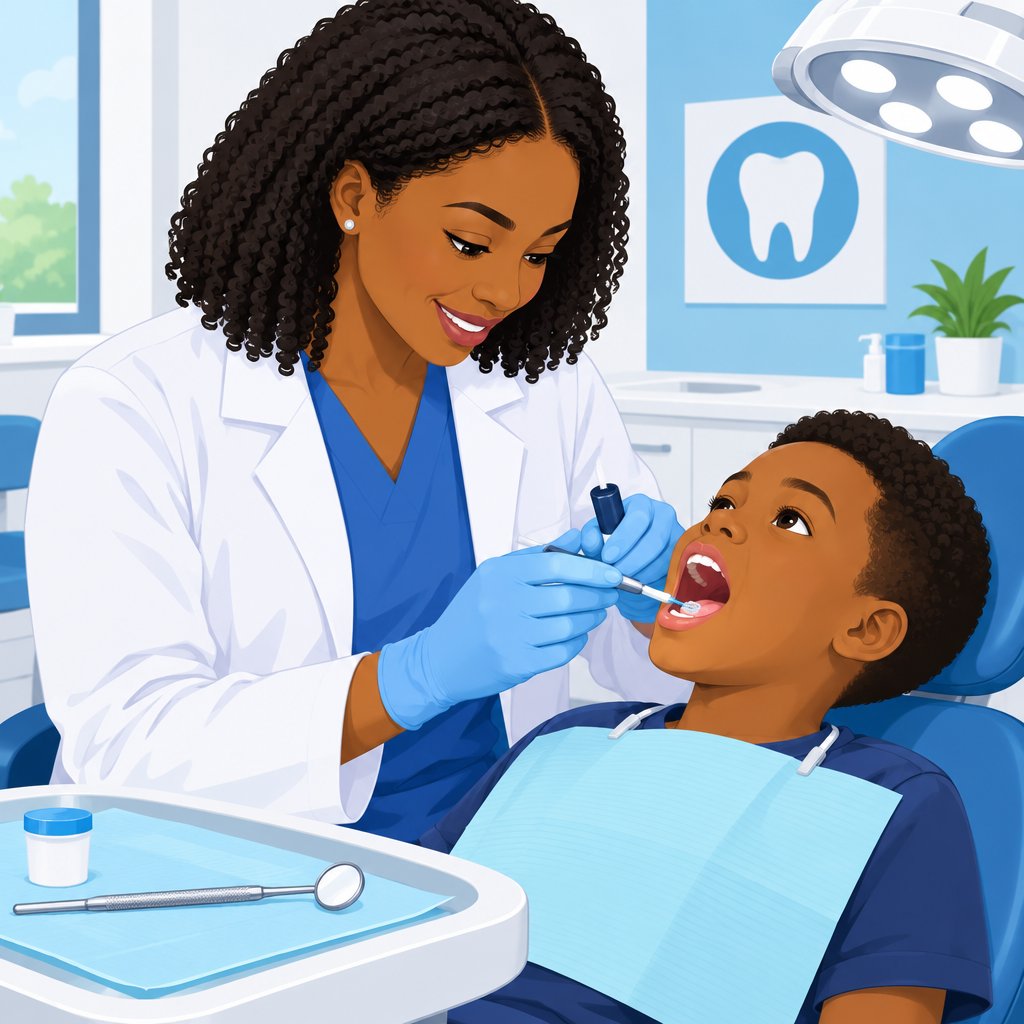
Process of Getting Dental Sealants
Getting dental sealants involves several simple steps.
The process helps dentists prepare teeth and apply protective sealant material.
Each step supports proper sealant adhesion and long-term protection against cavities.
Evaluation by a Dentist
First, a dentist examines your teeth to determine whether sealants suit your needs.
The dentist also reviews your teeth for existing issues.
Any identified dental concerns may require attention before sealant application.
- A dentist will examine your teeth to determine if you are a good candidate for dental sealants.
- They will check for any existing dental issues that need to be addressed before applying the sealants.
Cleaning and Drying of Teeth
Next, the dentist cleans the teeth thoroughly.
This preparation removes plaque and debris from the tooth surfaces.
The dentist then dries the teeth completely for proper sealant adhesion.
- Once it is determined that you are a good candidate, the dentist will clean your teeth thoroughly.
- It is important to remove any plaque or debris from the surface of your teeth before applying the sealants.
- After cleaning, the teeth will be dried completely to ensure proper adhesion of the sealants.
Application of Sealants
After drying, the dentist prepares the chewing surfaces for sealant application.
A gel roughens those surfaces slightly.
This preparation helps the sealant bond more effectively to the teeth.
- The dentist will apply a gel to the chewing surfaces of your teeth to roughen them slightly.
- This helps the sealant bond better to your teeth and ensures long-lasting protection.
- Next, the sealant material will be carefully painted onto the prepared surfaces of your teeth.
Curing Process
Finally, the dentist hardens the applied sealant with a special curing light.
The light activates chemicals within the sealant material.
After curing, you can immediately resume normal activities, including eating and drinking.
- To harden the sealant and create a strong bond, a special curing light will be used.
- The light activates chemicals in the sealant material, making it harden within a few seconds.
- Once the sealant is fully cured, you can immediately resume normal activities like eating and drinking.
The process is quick and painless.
Dental sealants provide lasting protection for your teeth.
Talk to your dentist to determine whether dental sealants are right for you.
See Related Content: Dental Surgery vs. Dentistry: Understanding the Difference
Dental Sealant Maintenance Practices
Proper care helps dental sealants remain effective and last longer.
Good oral hygiene and regular dental visits help protect sealants and surrounding teeth.
Additionally, avoiding sticky foods can reduce stress that may damage or loosen sealants.
- Proper Oral Hygiene Practices: Brush twice daily with fluoride toothpaste and floss daily to remove plaque and food particles.
- Regular Dental Check-Ups: Schedule regular check-ups and cleanings so your dentist can inspect sealants and address problems promptly.
- Avoiding Sticky Foods: Avoid chewy candy, caramel, and gum because sticky foods can crack or detach sealants.
Learn More: FAQs About Restorative Dentistry in Nigeria
Cost Considerations for Dental Sealants
Cost often influences decisions about dental sealants for individuals and families.
Comparing prices, insurance coverage, and preventive value can support an informed decision.
Preventive choices may also reduce the need for more expensive dental procedures later.
Average Cost of Dental Sealants
The price per tooth varies according to several factors.
These factors include the number of teeth sealed and the sealant type.
The provider’s location can also affect the total price.
Typically, dental sealants cost between $30 and $60 per tooth.
Although the initial cost may seem high, sealants can help prevent expensive procedures.
Those procedures may include fillings or root canals.
Insurance Coverage for Sealants
Many dental insurance plans cover sealants, particularly for children.
Some plans also cover adult sealants, depending on their specific terms.
Coverage details can vary between insurance providers and individual plans.
Before treatment, contact your insurance provider to confirm available coverage.
Also, ask which out-of-pocket costs you may need to pay.
Preventive Value Compared with Treatment Costs
Preventive care can help people avoid more extensive dental treatments later.
Dental sealants may therefore provide financial value beyond their initial price.
Regular check-ups and preventive measures can also support oral health.
Comparing sealant costs with fillings, crowns, or restorative procedures clarifies their potential value.
Ultimately, cost and insurance coverage both contribute to the treatment decision.
Discuss your options with your dentist to choose an approach for your oral health.
Long-Term Oral Health Benefits
Dental sealants provide a protective barrier against decay-causing bacteria.
Therefore, individuals should consider sealants to support their long-term oral health.
Additionally, investing in sealants may help reduce future treatment costs and support a healthy smile.
Talk with your dentist today about sealants and their potential benefits for your overall oral health.
Additional Resources
Google search results for Dental Sealants: Key to Preventive Dentistry Medical
Bing search results for Dental Sealants: Key to Preventive Dentistry Medical


