




Introduction
Briefly introduce the topic of blood disorders in Nigeria
Blood disorders in Nigeria are a significant health concern.
They affect many individuals across the country.
Explain the importance of sharing patient stories
Sharing patient stories provides insights into the challenges faced by individuals with blood disorders.
Significance of raising awareness about blood disorders in Nigeria
Raising awareness helps with early detection of blood disorders in Nigeria.
It also promotes treatment and prevention strategies.
Overview of Common Blood Disorders in Nigeria
Sickle Cell Anemia
Sickle cell anemia is a genetic blood disorder that affects the shape of red blood cells.
Patients with sickle cell anemia often experience episodes of pain, known as sickle cell crises.
These crises can be debilitating and require frequent hospital visits for pain management and blood transfusions.
Individuals with sickle cell anemia also have a higher risk of infections and organ damage.
Hemophilia
Hemophilia is a rare blood disorder that affects the body’s ability to clot blood properly.
Patients with hemophilia face challenges with excessive bleeding, often resulting from minor injuries.
Managing hemophilia requires regular infusions of clotting factors to prevent bleeding episodes.
Individuals with hemophilia may also experience joint pain and mobility issues due to internal bleeding.
Thalassemia
Thalassemia is an inherited blood disorder that affects the body’s ability to produce hemoglobin.
Patients with thalassemia often require regular blood transfusions to maintain healthy levels of hemoglobin.
Managing thalassemia also involves monitoring iron levels in the blood to prevent iron overload.
Individuals with thalassemia may experience fatigue, weakness, and growth delays.
Leukemia
Leukemia is a type of cancer that affects the blood and bone marrow, leading to an overproduction of abnormal white blood cells.
Patients with leukemia may experience symptoms such as fatigue, frequent infections, and easy bruising.
Treatment for leukemia often involves chemotherapy, radiation therapy, and stem cell transplants.
Living with leukemia can be emotionally and physically challenging for patients and their families.
Impacts of Blood Disorders on Patients’ Lives
- Patients with blood disorders may experience symptoms such as pain, fatigue, and difficulty in daily activities.
- Managing a chronic blood disorder can take a toll on patients’ mental health and quality of life.
- The cost of treatments, medications, and hospital visits can be a significant burden for patients and their families.
- Patients with blood disorders may face stigma, discrimination, and isolation due to their condition.
Living with blood disorders in Nigeria comes with various challenges that impact patients on multiple levels.
Proper management, access to care, and support systems are essential in improving the quality of life for individuals with these conditions.
Personal Experience of a Patient Living with Sickle Cell Anemia
One patient, Sarah, recounts her struggles with the disease from a young age.
She shares how she copes with frequent pain crises and fatigue.
Despite the challenges, Sarah remains resilient and determined to live a full life.
Challenges Faced and Coping Mechanisms for Sickle Cell Anemia
- Lack of access to quality healthcare poses a significant challenge.
- Stigma and discrimination result from misconceptions about the disease.
- Limited awareness and education hinder effective management of the condition.
- Coping mechanisms include staying hydrated, maintaining a healthy diet, and regular medical check-ups.
- Support from family and community groups plays a crucial role in managing the condition.
Available Medical Treatment and Support for Individuals with Sickle Cell Anemia
- Sarah receives regular blood transfusions to manage her condition.
- Medications such as hydroxyurea reduce the frequency of pain crises.
- Specialized clinics and healthcare professionals provide comprehensive care.
- Support groups and counseling services assist individuals and families affected by the disease.
- Government initiatives aim to improve access to healthcare services for blood disorder patients.
Living with sickle cell anemia in Nigeria requires a holistic approach.
This approach includes medical treatment, community support, and personal resilience.
Such measures help individuals overcome challenges associated with the disease.
Individuals like Sarah continue to inspire others with strength and determination.
They strive to live fulfilling lives despite the obstacles they face.
Gain More Insights: Physiotherapy in Rural vs. Urban Nigeria
Patient Story on Coping with Hemophilia in Nigeria
Narration of a Hemophilia Patient’s Journey
Living with hemophilia in Nigeria involves many challenges throughout life.
Let us look closely at the life of a hemophilia patient there.
From a young age, Emmanuel noticed he was different from other children.
He often experienced prolonged bleeding after minor cuts or bruises.
This condition led to frequent visits to the hospital.
While growing up, Emmanuel struggled not to participate in physical activities.
He had to be very cautious to avoid injuries in everything he did.
When Emmanuel became an adult, he faced even greater challenges.
Transform Your Career with Expert Guidance
Get personalized mentorship consulting that’s tailored to your unique path. Our expert advice is actionable and exclusive.
Get StartedFinding employment proved difficult because employers hesitated to hire him.
This hesitation stemmed from his chronic condition of hemophilia.
Despite obstacles, Emmanuel stayed resilient and hopeful.
He found comfort in support groups with other hemophilia patients.
These groups allowed him to share his experiences and learn from others.
Struggles and Successes of Hemophilia Patients
One major struggle for hemophilia patients in Nigeria is lack of proper treatment access.
Many hospitals do not have the resources needed to manage hemophilia effectively.
Factor concentrates, essential for treatment, are often not available.
As a result, patients like Emmanuel sometimes use less effective treatments.
This increases their risk of dangerous bleeding complications.
However, some progress has occurred in recent years despite difficulties.
Awareness of hemophilia is gradually growing within Nigeria.
This awareness leads to better diagnosis and management of the condition.
Non-profit and advocacy groups also play a key role in providing support.
These organizations help patients face daily challenges more effectively.
Access to Treatment and Available Resources
Access to treatment remains a critical problem for Nigerian hemophilia patients.
The high cost of factor concentrates limits patient access to life-saving care.
Many hospitals rarely have these essential medications available.
Numerous patients depend on international donations to get treatment.
Yet, supplies of donated medicines are often inconsistent and unreliable.
Advocates work to improve health infrastructure and increase funding for care.
Ensuring every patient can access proper treatment is crucial for effective management.
Gain More Insights: Medical Microbiology Scholarships in Nigeria
Patient story: Facing thalassemia in Nigeria
A young woman named Ada is bravely navigating life with thalassemia.
Thalassemia is a genetic blood disorder that affects her red blood cells.
Ada was diagnosed with thalassemia at a young age.
From that point on, her life changed drastically.
Ada’s early experience with thalassemia
- Ada’s journey with thalassemia began when she was just 7 years old.
- She experienced frequent fatigue, shortness of breath, and pale skin.
- These symptoms led to her diagnosis.
- Despite the challenges, Ada has remained resilient and determined.
Emotional and physical impact of thalassemia
- Thalassemia takes a significant toll on Ada’s physical health.
- She often feels weak and fatigued.
- Emotionally, Ada struggles with anxiety and fear about her future health.
- She also faces social challenges due to misunderstandings and stigma.
Support systems and awareness efforts in Nigeria
- Ada is fortunate to have a supportive family helping her manage her condition.
- Her family provides important emotional support.
- She connects with a local thalassemia support group for solidarity.
- Advocacy efforts in Nigeria raise awareness and improve access to care.
Despite the challenges Ada faces, she remains determined to live a full life.
She draws strength from her loved ones and the community.
Ada continues to defy the odds and inspire others with her resilience.
Gain More Insights: Common Animal Diseases Treated by Nigerian Vets
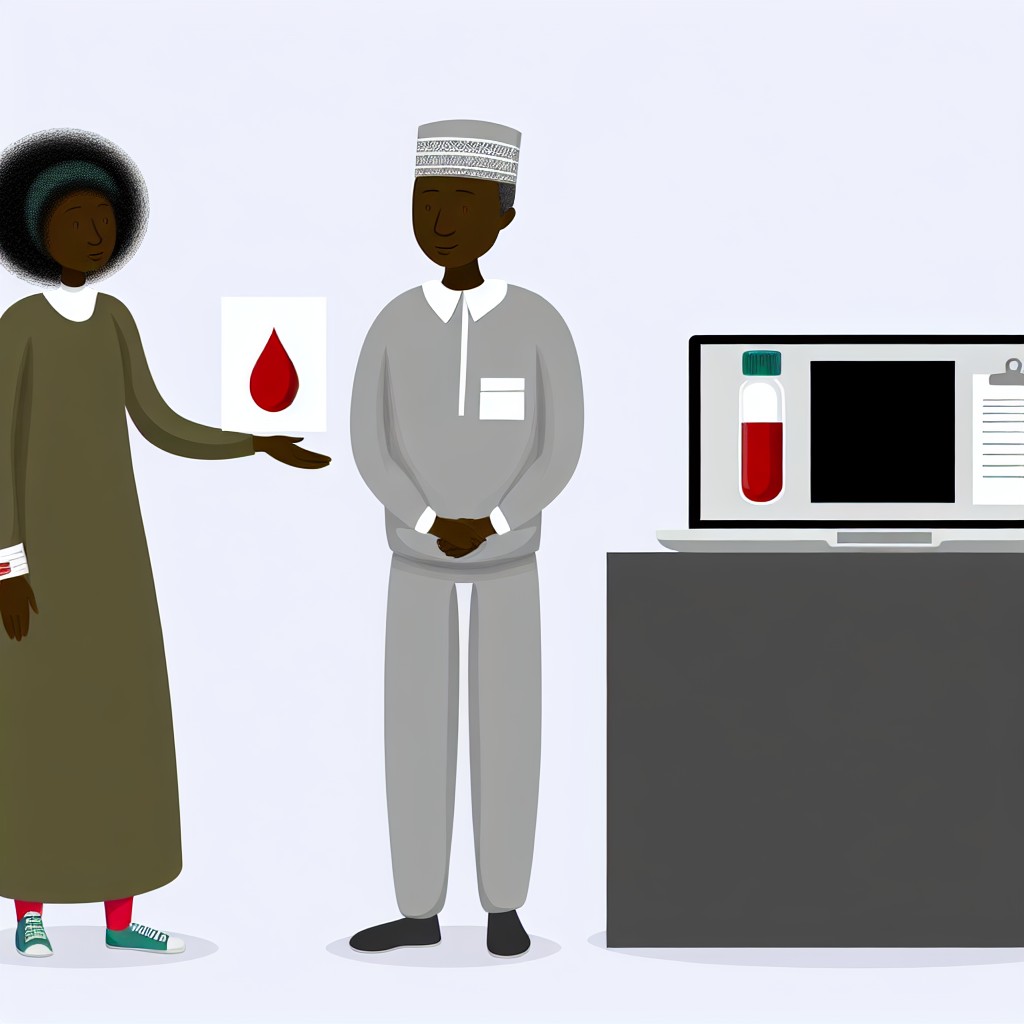
Patient story: Battling leukemia in Nigeria
Inspiring story of a leukemia survivor
Living with leukemia in Nigeria can be a challenging journey.
There are survivors who inspire us all.
One such survivor is Tayo, a 35-year-old woman diagnosed with leukemia three years ago.
Despite the initial shock of the diagnosis, Tayo remained positive and determined to fight the disease.
Tayo underwent rigorous treatment protocols, including chemotherapy and radiation therapy.
The treatments took a toll on her physical and emotional well-being.
However, with the support of her family and healthcare team, Tayo persevered through the difficult times.
She emerged as a beacon of hope for others battling leukemia.
Today, Tayo is in remission and continues to spread awareness about leukemia.
She encourages others to stay strong and never lose hope in the face of adversity.
Her story serves as a reminder that with determination and support, leukemia can be conquered.
Challenges of treatment and recovery
The journey of battling leukemia in Nigeria comes with its own set of challenges.
There is limited access to specialized treatment facilities.
The high cost of medications and procedures affects many patients.
Many face long wait times for appointments and struggle to afford necessary care.
Additionally, the side effects of treatment can be debilitating.
Treatment causes physical and emotional distress for patients like Tayo.
Coping with the fear of relapse and managing treatment impact on daily life are ongoing challenges.
Despite these obstacles, Tayo’s story reminds us of the resilience leukemia patients possess.
By sharing her experiences, she sheds light on the difficulties she faced.
Tayo advocates for improved healthcare services and support systems for leukemia patients in Nigeria.
Importance of early detection and intervention
Tayo’s journey underscores the crucial role of early detection and intervention.
Early diagnosis improves outcomes for patients.
Regular screenings help identify leukemia at an early stage when treatment is most effective.
Educating the public about leukemia signs and symptoms is essential for early recognition.
Raising awareness empowers individuals to take control of their health.
People should seek medical attention for unexplained symptoms such as fatigue, bruising, and infections.
Tayo’s story testifies to the power of early detection and intervention in overcoming leukemia.
By sharing her journey and advocating for greater awareness, she inspires others.
Tayo encourages people to prioritize their health and seek timely medical care.
You Might Also Like: Dental Technology Equipment Used in Nigeria
Importance of Sharing Patient Stories
Sharing patient stories has a profound impact on raising awareness about blood disorders in Nigeria.
Personal narratives help educate the public and healthcare professionals about the challenges patients face.
By sharing their stories, patients can advocate for better treatment and support for those with similar conditions.
These stories humanize the experience of living with a blood disorder, breaking down stigmas and misconceptions.
When individuals share their stories, it fosters a sense of community and solidarity among patients.
Through patient narratives, the larger society can understand the impact of these disorders on individuals and families.
Sharing stories can inspire others to seek help, get diagnosed early, and access appropriate treatment.
It also encourages dialogue on policy changes and healthcare systems to better support patients with blood disorders.
By sharing experiences, patients not only find support but also empower each other to navigate their health journey.
Challenges and Support for Individuals Living with Blood Disorders in Nigeria
The blog post highlighted challenges faced by individuals living with blood disorders in Nigeria.
Sharing patient stories raises awareness, promotes understanding, and fosters empathy.
Let us continue to offer support and solidarity to those battling blood disorders in Nigeria.
Additional Resources
Quality and outcomes of maternal and perinatal care for … – PMC – NIH
The Lancet Nigeria Commission: investing in health and the future of …


