




Introduction
Common animal diseases treated by Nigerian vets are crucial for animal health.
These diseases must be addressed promptly to ensure quality of life.
Overview of veterinary services in Nigeria
The role of veterinary professionals in Nigeria is crucial to animal health.
These experts help prevent, diagnose, and treat animal diseases.
Nonetheless, Nigerian vets face significant challenges in their work.
One major issue is the lack of adequate funding and resources for veterinary care.
This deficit reduces the quality of services provided to animals.
Access to veterinary facilities and equipment is limited in many areas.
Consequently, vets often cannot diagnose or treat animal diseases effectively.
Types of veterinary facilities available in Nigeria
- Government-owned veterinary clinics are mostly in urban areas.
- These clinics provide basic veterinary services to the public.
- Private veterinary clinics are operated by private veterinarians.
- They offer a wide range of services including vaccinations, surgeries, and consultations.
- Veterinary teaching hospitals are affiliated with universities.
- They provide advanced medical care and train veterinary students.
- Some vets operate mobile clinics to reach remote areas.
- Mobile clinics serve communities that lack access to traditional facilities.
The veterinary profession plays a vital role in Nigeria’s animal health and welfare.
Despite funding and resource challenges, vets work tirelessly to care for animals.
Common Bacterial Diseases in Animals
When it comes to common bacterial diseases in animals, Nigerian vets are well-equipped to diagnose and treat a variety of illnesses.
Below are some of the bacterial diseases commonly encountered by veterinary professionals in Nigeria.
Anthrax
- Symptoms: Sudden death.
- Symptoms: Fever.
- Symptoms: Swelling.
- Symptoms: Bleeding.
- Treatment: Antibiotics such as penicillin.
- Treatment: Supportive care.
Brucellosis
- Symptoms: Abortion.
- Symptoms: Infertility.
- Symptoms: Joint pain.
- Treatment: Antibiotics.
- Treatment: Vaccination in some cases.
Salmonellosis
- Symptoms: Diarrhea.
- Symptoms: Fever.
- Symptoms: Abdominal pain.
- Treatment: Fluid therapy.
- Treatment: Antibiotics.
Leptospirosis
- Symptoms: Kidney failure.
- Symptoms: Jaundice.
- Symptoms: Fever.
- Treatment: Antibiotics.
- Treatment: Supportive care.
Importance of Preventive Measures
Preventive measures are crucial in controlling bacterial infections in animals.
By implementing the following strategies, the spread of these diseases can be minimized.
Vaccination
Vaccinating animals against bacterial diseases is one of the most effective ways to prevent outbreaks.
Veterinarians in Nigeria recommend regular vaccination schedules to protect livestock and pets.
Biosecurity Protocols
Implementing strict biosecurity measures on farms and in veterinary clinics helps prevent bacterial infections.
This includes proper sanitation, quarantine procedures, and limiting contact with infected animals.
Hygiene Practices
Practicing good hygiene, such as regular handwashing and cleaning animal living areas, reduces bacterial transmission risk.
Veterinarians advise animal owners to maintain clean environments to prevent disease outbreaks.
Surveillance and Early Detection
Regular monitoring for signs of bacterial infections is essential for early detection.
Prompt reporting to veterinary authorities supports containment of outbreaks.
By staying vigilant, veterinarians can quickly respond to threats and prevent widespread infections.
Nigerian veterinarians play a vital role in treating and preventing bacterial diseases in animals.
Their expertise and dedication safeguard animal health and promote public health.
They help control the spread of these common illnesses effectively.
Uncover the Details: Dental Technology Equipment Used in Nigeria
Common Viral Diseases Affecting Animals in Nigeria
When it comes to viral diseases affecting animals in Nigeria, vets encounter several common ones regularly.
These diseases significantly impact animals by causing illness, lowering productivity, or even death in severe cases.
Newcastle Disease in Birds
Newcastle Disease is a highly contagious viral disease that affects birds such as chickens and turkeys.
The disease causes respiratory, nervous, and digestive symptoms in infected birds.
Foot and Mouth Disease in Cloven-Hoofed Animals
Foot and Mouth Disease, known as FMD, affects cloven-hoofed animals like cattle, sheep, and pigs.
It leads to fever, blisters on the tongue and lips, and lameness in infected animals.
African Swine Fever Characteristics
African Swine Fever, or ASF, is a viral hemorrhagic disease impacting domestic and wild pigs.
This disease is characterized by high fever, loss of appetite, and internal bleeding, often resulting in death.
Transmission and Effects of Viral Diseases on Animals
Viral diseases usually spread through direct contact with infected animals.
They also transmit via contaminated feed, water, or vectors such as mosquitoes and ticks.
Once infected, the virus quickly spreads within a herd or flock causing widespread illness and economic losses.
The diseases cause symptoms like fever, lethargy, loss of appetite, and respiratory distress.
Transform Your Career with Expert Guidance
Get personalized mentorship consulting that’s tailored to your unique path. Our expert advice is actionable and exclusive.
Get StartedSevere cases may involve organ failure or abortion in pregnant animals, worsening the situation.
Vaccination and Preventive Measures for Viral Diseases
Vaccination is an essential preventive step against viral diseases in animals in Nigeria.
Veterinarians recommend following a regular vaccination schedule to protect animals from infections.
Some vaccines require annual or more frequent administration depending on regional disease prevalence.
Besides vaccination, implementing farm biosecurity helps prevent viral disease spread.
This includes hygiene practices, quarantining new animals, and controlling vectors such as insects or rodents.
Regular health monitoring and early viral disease detection are vital to stopping outbreaks.
Veterinarians play a key role educating animal owners about vaccination and biosecurity to safeguard livestock.
Managing Viral Diseases to Protect Livestock Health and Productivity
Viral diseases pose a major threat to livestock health and productivity in Nigeria.
Identifying common diseases, understanding transmission, and using vaccinations can control these infections effectively.
Coupled with good preventive measures, Nigerian vets help ensure the well-being of animals under their care.
Delve into the Subject: Understanding Biomedical Technology Regulations Nigeria
Parasitic infections are a common issue among animals in Nigeria.
These infections affect their health and overall well-being.
Most Common Parasites Found in Animals in Nigeria
- Protozoa: such as Babesia and Trypanosoma
- Helminths: including roundworms, tapeworms, and flukes
- Ectoparasites: like ticks, fleas, and mites
Effects of Parasites on Animal Health
Parasites can cause a range of health problems in animals.
These include anemia due to blood loss.
Weight loss and poor growth are common outcomes.
Organ damage and dysfunction may also occur.
Skin irritation and dermatitis are frequent symptoms.
- Anemia due to blood loss
- Weight loss and poor growth
- Organ damage and dysfunction
- Skin irritation and dermatitis
Diagnosis and Treatment of Parasitic Infections
Diagnosing parasitic infections in animals involves several methods.
- Fecal analysis to detect worm eggs
- Blood tests for protozoal infections
- Skin scrapings for ectoparasites
Treatment options for parasitic infections in animals include specific medications.
- Anthelmintic medications for worms
- Anti-protozoal drugs for protozoa
- Topical treatments for ectoparasites
Veterinarians in Nigeria play a crucial role in diagnosing and treating parasitic infections in animals.
They help ensure the health and well-being of these animals.
You Might Also Like: Role of Physiotherapy in Nigerian Healthcare
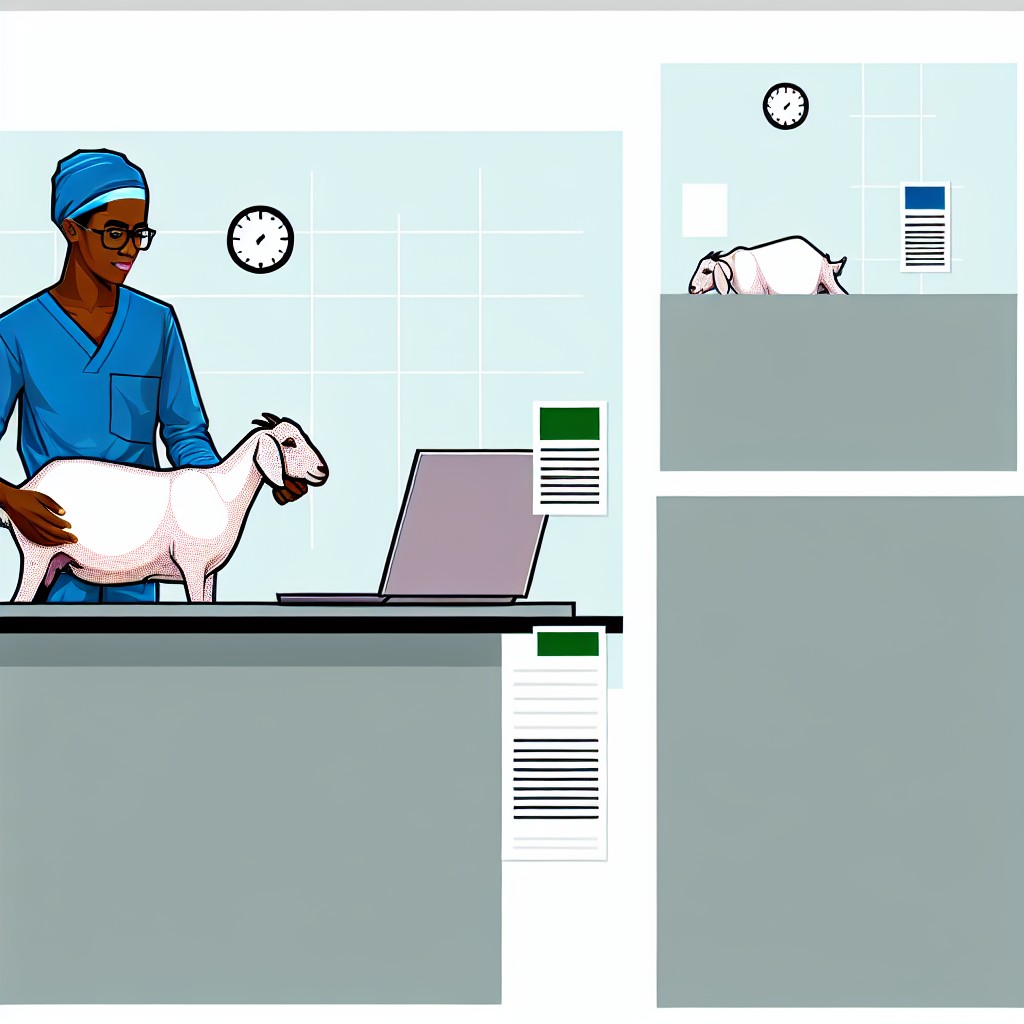
Importance of Proper Nutrition for Animals' Health
Proper nutrition is crucial for animals.
It helps maintain their overall health and well-being.
Common Nutritional Deficiencies Seen in Nigerian Animals
- Vitamin A deficiency can lead to vision problems in animals.
- Insufficient protein intake causes poor growth and muscle wasting.
- Calcium deficiency causes bone disorders and affects skeletal structure.
- Lack of vitamin D leads to faulty bone development and strength.
- Iron deficiency commonly results in anemia in animals.
Methods Veterinarians Use to Diagnose and Treat Nutritional Deficiencies in Animals
- Veterinarians assess the animal's condition for deficiency signs.
- Blood tests identify specific nutrient levels and confirm deficiencies.
- They recommend adjusting the animal's diet to correct deficiencies.
- Supplements may be prescribed in severe cases to replenish nutrients.
- Regular follow-up visits track progress and ensure proper nutrition.
Ensuring animals receive adequate nutrition is essential for their health.
Veterinarians play a crucial role diagnosing and treating nutritional deficiencies in Nigerian animals.
This support helps animals thrive and live healthy lives.
Uncover the Details: Career Advice for Nigerian Microbiologists
Zoonotic diseases in Nigeria
Zoonotic diseases are infections that can be transmitted from animals to humans.
In Nigeria, zoonotic diseases pose a significant public health risk.
These diseases can have severe consequences on human health and the economy.
Examples of zoonotic diseases transmitted from animals to humans
- Rabies is a deadly zoonotic disease transmitted through the bite of infected animals.
- Avian influenza, commonly known as bird flu, can be transmitted from birds to humans.
- Lassa fever is a viral hemorrhagic fever that can be transmitted through contact with infected rodents.
- Brucellosis is a bacterial infection that can be transmitted from infected animals to humans.
- Leptospirosis is a bacterial disease transmitted through contact with infected animals’ urine.
The role of Nigerian vets in preventing zoonotic diseases
- Nigerian vets play a crucial role in disease surveillance and early detection of zoonotic diseases.
- They educate animal owners and the public about the risks associated with zoonotic diseases.
- Vets in Nigeria implement preventive measures such as vaccination programs to control the spread of zoonotic diseases.
- They also conduct regular health checks on animals to prevent the transmission of diseases to humans.
- Nigerian vets collaborate with government agencies to develop strategies for managing zoonotic disease outbreaks.
Common Animal Diseases Treated by Nigerian Vets
Agriculture is a major sector in Nigeria.
Livestock plays a crucial role in the economy.
However, animals are susceptible to various diseases.
These diseases affect their health and productivity.
Veterinarians in Nigeria play a vital role in treating and preventing these diseases.
They ensure the well-being of livestock.
Some common animal diseases treated by Nigerian vets include the following.
Newcastle Disease
This highly contagious viral disease affects poultry.
It leads to high mortality rates if left untreated.
Vets administer vaccines to prevent its spread.
Foot and Mouth Disease
This viral disease affects cattle and other cloven-hoofed animals.
It causes fever and blisters in the mouth and feet.
Vets provide supportive care and implement control measures.
Peste des Petits Ruminants (PPR)
Also known as goat plague, this viral disease affects small ruminants like goats and sheep.
Vets vaccinate animals to prevent the spread of the disease.
African Swine Fever
This viral hemorrhagic disease affects pigs.
It can lead to high mortality rates.
Vets implement biosecurity measures and provide treatment to affected animals.
Anthrax
This bacterial disease affects a wide range of animals.
It includes livestock and wildlife.
Vets administer antibiotics and implement control measures to prevent its spread.
Gastrointestinal Parasites
Parasitic infections can affect the digestive system of animals.
These infections lead to poor growth and productivity.
Vets perform fecal tests and administer dewormers to treat these infections.
Maintaining Healthy Livestock Through Veterinary Care
Veterinary care is essential for preventing and treating animal diseases in Nigeria.
Livestock owners should seek professional veterinary services regularly.
This practice ensures the health and well-being of their animals.
Healthy animals ultimately benefit the economy and food security of the nation.
Therefore, it is crucial to prioritize veterinary care for animals.
Working closely with veterinarians helps maintain a healthy and disease-free environment for livestock in Nigeria.
Additional Resources
Neglected zoonotic diseases in Nigeria: role of the public health …
Participatory epidemiology of endemic diseases in West African cattle


