




Optometry Clinics in Nigeria
In Nigeria, optometry clinics provide essential eye care services.
They help diagnose and treat various eye conditions.
These clinics play a crucial role in serving the population.
Major Nigerian cities offer widespread access to optometry services.
Lagos, Abuja, Port Harcourt, Kano, and Ibadan have many optometry clinics.
These clinics serve the eye care needs of residents.
History and Development of Optometry in Nigeria
- Optometry in Nigeria dates back to the early 1960s, when the first training program began.
- Initially, the profession received limited recognition, but its importance has increased over time.
- Increasing awareness of eye health issues has supported the profession’s growth in Nigeria.
- Optometrists provide important primary eye care services to people across the country.
- In recent years, the profession has adopted advanced techniques and technologies.
- Consequently, optometry has become a sought-after career for young Nigerians interested in eye health.
Accreditation and Regulation of Optometry Clinics
- The Optometrists and Dispensing Opticians Registration Board of Nigeria regulates optometry practice.
- Optometry clinics must meet standards established by the board.
- The board grants accreditation to clinics that follow its guidelines and regulations.
- Clinics must follow these standards to support professionalism and patient safety.
- Regular inspections help monitor the quality of services that optometry clinics provide.
- Through regulation, the board promotes ethical and professional standards within optometry.
The Continuing Role of Optometry in Nigeria
Optometry in Nigeria has developed significantly since its beginnings.
As awareness of eye health increases, optometrists continue promoting better vision care.
Regulation by the board helps protect professional standards and support quality eye care.
Availability of Optometry Clinics in Major Nigerian Cities
Several major Nigerian cities host optometry clinics with varied services.
These locations include Lagos, Abuja, Port Harcourt, Kano, and Ibadan.
Their offerings address examinations, specialized care, rehabilitation, and vision management.
Major Cities With Notable Optometry Clinics
The listed cities provide access to clinics serving different patient needs.
Each city offers a distinct combination of general and specialized optometry services.
Patients can find clinics supporting examinations, treatment, rehabilitation, and vision improvement.
- Lagos
- Abuja
- Port Harcourt
- Kano
- Ibadan
Optometry Services Available Across the Cities
Lagos clinics provide comprehensive eye examinations, contact lens fittings, and treatment for various eye conditions.
Meanwhile, Abuja clinics offer pediatric eye care, vision therapy, and ocular disease management.
Port Harcourt clinics specialize in sports vision training, low vision rehabilitation, and myopia control.
In Kano, clinics focus on orthokeratology, dry eye management, and refractive surgery care.
Ibadan clinics provide visual field testing, color vision assessment, and binocular vision assessments.
Differences in Service Quality and Specialization
Lagos stands out for advanced diagnostic equipment and highly trained optometrists.
Consequently, its clinics support accurate and efficient eye care.
Abuja excels in specialized services for children and people with specific eye conditions.
Port Harcourt uses cutting-edge technology for sports vision training and attracts athletes seeking specialized care.
Kano distinguishes itself through orthokeratology and myopia control expertise.
Ibadan emphasizes comprehensive assessments and personalized treatment plans for individual patients.
You Might Also Like: How to Become a Dentist in Nigeria: Step-by-Step Process
Challenges Faced by Optometry Clinics in Nigeria
Optometry clinics in Nigeria face several challenges that limit their ability to provide high-quality eye care services.
These challenges affect awareness, equipment access, and staffing.
Addressing these barriers can help clinics meet the eye care needs of the population.
Limited Awareness of Eye Care Importance
Many individuals in Nigeria do not prioritize eye care or understand regular eye check-ups’ importance.
As a result, people may delay regular eye examinations.
Delayed diagnosis and treatment can cause irreversible damage.
Restricted Access to Advanced Equipment
Clinics in major Nigerian cities often struggle to obtain state-of-the-art equipment.
Financial constraints also make equipment maintenance difficult.
Without advanced tools, optometrists may find it harder to diagnose and treat some eye conditions accurately.
Shortage of Qualified Optometrists and Staff
Nigeria has too few qualified optometrists and supporting staff, especially in rural areas.
This shortage limits clinics’ ability to serve the population effectively.
Consequently, patients may experience long waiting times and subpar care.
Strengthening Eye Care Services
Raising awareness can encourage more people to value regular eye care.
Transform Your Career with Expert Guidance
Get personalized mentorship consulting that’s tailored to your unique path. Our expert advice is actionable and exclusive.
Get StartedInvestment in advanced equipment can support more accurate diagnosis and treatment.
Training more optometrists can help clinics serve the Nigerian population more effectively.
Gain More Insights: Oral Health Myths in Nigeria and the Facts
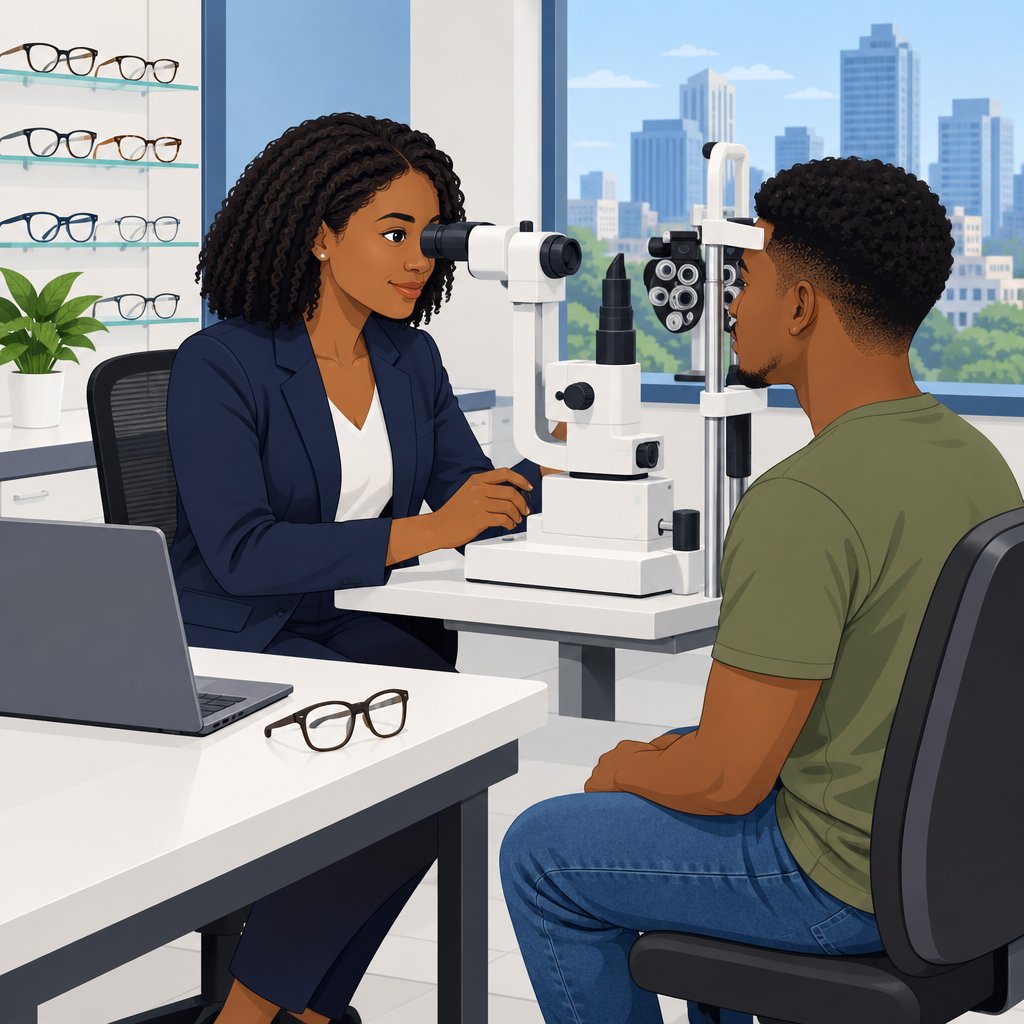
Success Stories from Nigerian Optometry Clinics
Clinics in major Nigerian cities have improved access to quality eye care.
Their services include technology, outreach, personalized care, and affordable solutions.
Patient experiences show how timely assessment and treatment can support vision and daily activities.
Successful Optometry Clinics in Major Cities
These clinics demonstrate different approaches to delivering eye care.
Some clinics emphasize modern equipment, while others focus on education and community engagement.
Several clinics also adapt their services to individual needs and local affordability.
- Bright Eyes Optometry Clinic in Lagos has earned a reputation for advanced technology and skilled optometrists.
- Clear Vision Eye Care Center in Abuja raises awareness through community outreach programs.
- Eagle Eye Optics in Port Harcourt provides personalized care based on individual patient needs.
- Optic View Clinic in Kano offers affordable, high-quality eye care solutions to local residents.
Patient Outcomes from Clinic Services
Patients have received care for cataracts, dry eye syndrome, eye strain, and glaucoma.
Clinicians used examinations, treatments, recommendations, and follow-up care to address these conditions.
These examples show how targeted services can improve vision and support daily activities.
- Mrs. Adeleke, a 55-year-old retiree, visited Bright Eyes in Lagos with blurry vision.
- An eye examination diagnosed cataracts, and successful surgery restored her vision.
- Mr. Ibrahim, a 40-year-old Abuja businessman, sought help for chronic dry eye syndrome.
- Clear Vision prescribed specialized eye drops and lifestyle recommendations that improved his condition.
- Miss Okafor, a 25-year-old student, experienced headaches and eye strain from prolonged screen use.
- Eagle Eye Optics recommended computer glasses and eye exercises, which eased her symptoms.
- Mr. Usman, a 60-year-old farmer, visited Optic View Clinic with deteriorating vision.
- The clinic diagnosed advanced glaucoma and began treatment to prevent further vision loss.
- His condition stabilized, allowing him to continue daily activities with improved vision.
These stories demonstrate the value of comprehensive eye care and personalized treatment plans.
Timely interventions can improve vision health and enhance patients’ quality of life.
Regular eye check-ups can help people identify eye conditions at an early stage.
Greater awareness can support healthier vision and reduce the risk of vision-related complications.
Gain More Insights: Radiography Admission Requirements in Nigeria
Regular eye exams help people protect their vision and maintain eye health.
They can identify concerns early, update prescriptions, and reveal signs of other health conditions.
Therefore, scheduling routine examinations supports timely care and helps reduce the risk of vision impairment.
Benefits of Regular Eye Exams
Regular examinations give eye care professionals opportunities to detect developing conditions before they become serious.
They also confirm whether your prescription provides clear and comfortable vision.
Additionally, an eye examination may reveal underlying health conditions that require attention.
- Regular exams can identify eye conditions during their early stages.
- Preventative care can reveal potential problems before they become serious.
- Prescription updates help maintain clear vision.
- Eye exams can reveal signs of underlying health conditions.
- Early care can help prevent vision loss or impairment.
Common Eye Conditions Detected Early Through Exams
Eye examinations can identify signs of several conditions that may affect vision.
Early findings can help people seek timely treatment and protect their remaining vision.
These evaluations also help professionals determine whether vision needs correction.
- Exams can detect signs of glaucoma, a leading cause of blindness.
- Regular examinations can identify cataracts early for timely treatment.
- Eye exams can detect signs of age-related macular degeneration.
- Early detection of diabetic eye disease can help prevent vision loss.
- Examinations can identify refractive errors and support accurate prescription updates.
Tips for Maintaining Good Eye Health
Daily habits can complement regular examinations and support healthy eyes.
For example, nutritious foods and protective eyewear can help reduce avoidable eye strain and damage.
In addition, regular movement and screen breaks support broader eye care routines.
- Eat nutritious foods that provide vitamins and nutrients for eye health.
- Wear sunglasses and protective eyewear to help prevent eye damage.
- Take screen breaks and focus on distant objects to rest your eyes.
- Avoid smoking because it can increase the risk of eye disease and vision loss.
- Exercise regularly to support circulation and eye health.
Prioritizing regular eye exams can help protect your vision and support long-term eye health.
Schedule an appointment with an optometrist in your area to check your eyes.
Uncover the Details: Physiotherapy for Sports Injuries: Nigerian Guide
Future of Optometry in Nigeria
Growing awareness of eye health creates strong potential for optometry expansion in Nigeria.
More people now prioritize eye care, so demand for optometry services may increase.
Consequently, providers may establish additional clinics in major cities.
Potential Growth of Optometry Clinics
Optometry clinics can expand as public awareness of eye health continues to grow.
People who prioritize eye care may seek professional services more often.
Therefore, rising demand could encourage new clinics in major Nigerian cities.
Initiatives Supporting Eye Care Services
Several initiatives aim to improve eye care services across Nigeria.
Mobile eye clinics can bring services to communities that remain underserved.
Additionally, international organizations and governments can partner to improve access and promote eye health education.
Future Opportunities for Eye Care Professionals
Future demand may create more opportunities for optometrists and other eye care professionals.
Professionals may work in private clinics or public institutions.
Furthermore, research and specialization may expand in pediatric care, contact lens fitting, and vision therapy.
Collaborative Investment in Eye Care
Stakeholders should continue collaborating to strengthen optometry in Nigeria.
Investment can support continued growth and advancement across the sector.
Such efforts can help more individuals access quality eye care services.
Optometry Clinics Support Eye Health
Optometry clinics provide essential eye care services in major Nigerian cities.
Therefore, prioritize your eye health through regular check-ups at an optometry clinic.
These visits help you maintain good vision.
Additional Resources
Google search results for Optometry Clinics in Major Nigerian Cities Medical
Bing search results for Optometry Clinics in Major Nigerian Cities Medical


