




Oral Health Awareness in Nigeria
Oral health supports overall well-being, yet people often overlook it in Nigeria.
Many myths and misconceptions can encourage inadequate care and prevention.
Understanding accurate guidance helps Nigerians make informed oral health choices.
Oral Health Facts and Preventive Care
Dentists recommend brushing at least twice daily to remove plaque.
Regular dental check-ups support early detection and preventive care.
Additionally, daily flossing helps clean spaces between teeth.
Some people believe brushing once daily is sufficient.
However, brushing twice daily helps prevent tooth decay and gum disease.
Some people visit dentists only when pain appears.
Regular check-ups remain essential even without pain.
They help identify problems early and support preventive care.
Others consider flossing unnecessary.
Yet flossing removes food particles and plaque between teeth.
It therefore helps prevent cavities and gum disease.
Some people rely on medication alone for toothache.
Medication may provide temporary relief.
However, a dentist must address the underlying cause.
Some people view whitening toothpaste as the only path to a bright smile.
It can remove surface stains, but professional treatments achieve more significant results.
Others use chewing gum instead of brushing.
Chewing gum can stimulate saliva production.
Nevertheless, it cannot replace brushing for effective cleaning.
Prioritizing Better Oral Health
These facts clarify practical ways to protect oral health.
Therefore, Nigerians can make informed choices about daily care and dental visits.
Such choices support a brighter, healthier smile.
Why Applying Salt Does Not Cure Toothache
Many people in Nigeria believe that applying salt directly to a painful tooth can cure toothache.
However, this method does not address the cause of the pain.
It may also worsen pain and irritation.
- Salt is abrasive and can wear down tooth enamel, causing further damage.
- Salt can irritate the gums and sensitive areas inside the mouth.
- Direct application may increase discomfort instead of relieving the toothache.
Why Professional Dental Care Matters
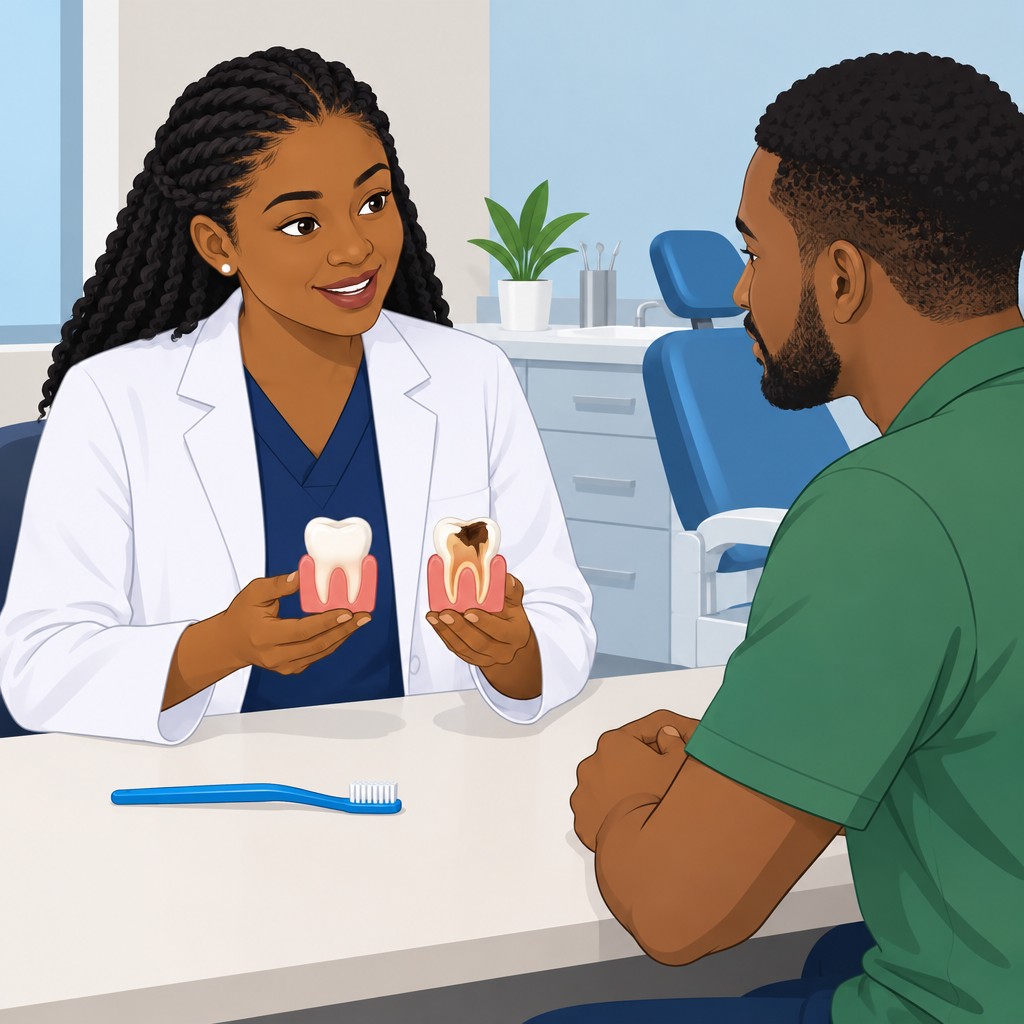
A dentist can identify the underlying cause of a toothache.
Professional assessment helps determine which treatment suits the specific dental problem.
Delaying care or relying on ineffective remedies can allow dental problems to become more serious.
- Consulting a dentist supports proper diagnosis of the toothache.
- A dentist can recommend appropriate treatment for the underlying issue.
- Professional care provides a safer response than applying salt directly.
Chewing Gum and Oral Hygiene
Many people believe chewing gum can replace brushing and flossing.
However, that belief misunderstands the limited role gum plays in oral care.
Proper hygiene still requires thorough cleaning practices.
Benefits of Chewing Gum for Oral Health
Chewing gum can support oral health, but it cannot replace proper hygiene.
Sugar-free gum increases saliva production, which helps neutralize acids in the mouth.
Saliva also washes away food particles and bacteria, reducing cavity risk.
- Some gums contain xylitol, a sugar substitute that may help prevent tooth decay.
- Chewing gum can freshen breath temporarily, but it does not address the underlying cause.
Why Brushing and Flossing Remain Essential
Brushing and flossing remove plaque, which chewing gum cannot eliminate.
Plaque buildup can cause gum disease, cavities, and other oral health problems.
Dental professionals recommend brushing twice daily and flossing once daily.
Transform Your Career with Expert Guidance
Get personalized mentorship consulting that’s tailored to your unique path. Our expert advice is actionable and exclusive.
Get Started- Thorough brushing helps clean tooth surfaces that gum cannot reach.
- Flossing removes plaque and debris from spaces between teeth.
- Use chewing gum as a complement to brushing and flossing, not as a replacement.
Chewing gum can provide additional support for oral cleanliness.
Nevertheless, brushing and flossing remain the foundation of healthy teeth and gums.
Regular dental consultations can provide personalized advice for maintaining oral health.
Explore Further: Radiography Admission Requirements in Nigeria
Sugar Is Not the Only Cause of Tooth Decay
Many people believe sugar alone causes tooth decay.
Sugar contributes to decay, but other factors also affect oral health.
Therefore, people should consider more than sugar when protecting their teeth.
Factors That Contribute to Tooth Decay
- Acidic foods and beverages can weaken tooth enamel and increase susceptibility to decay.
- Poor oral hygiene allows plaque to build up and contribute to cavities.
- Oral bacteria feed on sugary and starchy foods, producing acids that erode enamel.
Benefits of a Balanced Diet for Oral Health
- A balanced diet provides vitamins and minerals that help keep teeth and gums healthy.
- Calcium and phosphorus help strengthen enamel and improve resistance to decay.
- Crunchy fruits and vegetables can stimulate saliva production and help neutralize mouth acids.
- Fruits, vegetables, and whole grains can reduce the risks associated with sugary processed foods.
A balanced diet supports oral health alongside regular brushing and flossing.
Regular dental visits also help people maintain healthy teeth.
Find Out More: Physiotherapy for Sports Injuries: Nigerian Guide
Early Dental Visits for Children
Children should begin dental visits when their first tooth erupts or by their first birthday.
Permanent teeth do not need to appear before children receive professional dental care.
Early appointments support healthy teeth and gums while helping families prevent future dental problems.
Early Detection of Dental Issues
Early dental visits allow dentists to identify potential problems promptly.
These appointments can reveal tooth decay or tooth misalignment before problems progress.
Prompt treatment can help protect children’s developing teeth and support their oral health.
Good Oral Hygiene Habits
Dental visits teach children and parents how to maintain healthy oral hygiene habits.
Dentists can explain proper brushing techniques, flossing, and balanced dietary choices.
Regular guidance helps families build consistent routines for protecting teeth and gums.
Preventive Dental Care for Children
Preventive care helps children maintain good oral health and avoid dental problems.
It includes professional cleanings, check-ups, fluoride treatments, sealants, and mouthguards.
These services address different risks while supporting children’s developing teeth.
Dental Cleanings and Check-ups
Regular cleanings remove plaque and tartar buildup from children’s teeth.
Check-ups also help dentists identify early signs of cavities or gum disease.
Together, these appointments help keep children’s teeth clean and healthy.
Fluoride Treatments
Fluoride treatments strengthen children’s tooth enamel and help protect against decay.
Dentists may recommend fluoride varnish or gel applications for additional protection.
These treatments provide an extra protective layer against cavities.
Sealants for Cavity Prevention
Dental sealants cover the chewing surfaces of children’s molars.
The thin coatings create a barrier against bacteria and food particles.
Sealants can reduce decay risks in areas that are difficult to clean.
Mouthguards for Sports Activities
Children who participate in contact sports may need protection against dental injuries.
A custom-fitted mouthguard can help prevent tooth fractures and displacement during activities.
It can also help protect the mouth from other sports-related injuries.
Early dental visits and preventive care help children maintain healthy teeth and gums.
Families should not wait for permanent teeth before arranging professional dental care.
Find Out More: Continuing Education for Nigerian Dental Technologists
Natural Remedies and Professional Dental Care
Many people in Nigeria believe natural remedies provide better oral care than dental treatments.
However, natural remedies can help in some cases but also have important limitations.
Therefore, people should understand their benefits and risks before using them.
Limitations of Natural Remedies for Oral Health
- Natural remedies may not effectively treat serious problems, including cavities or gum disease.
- Some remedies can damage tooth enamel because they become abrasive when used incorrectly.
- Additionally, certain remedies may provide temporary relief without addressing the underlying problem.
People should not treat natural remedies as substitutes for professional dental care.
Instead, they can use suitable remedies alongside traditional treatments when appropriate.
Natural remedies alone do not always provide a reliable solution.
When Professional Dental Care Becomes Necessary
Regular dental visits help people maintain good oral health and prevent serious problems.
Dental professionals use their expertise and tools to diagnose and treat oral health conditions accurately.
Furthermore, scientific research supports professional dental treatments as effective methods for maintaining oral health.
- Regular dental visits can prevent oral health issues from developing into serious conditions.
- Dental professionals can identify problems that natural remedies may not address.
- Professional treatment can reduce the risk of worsening dental conditions.
- Ignoring dental problems may eventually require more invasive treatment.
Natural remedies may support an oral health routine when people use them carefully.
Nevertheless, professional dental care should address oral health needs properly.
You Might Also Like: Mental Health Rehabilitation Services Nigeria
Dental Treatments Are Not Always Painful
Many people believe that dental treatments are always painful.
However, that belief is not necessarily true.
Dental technology advancements can help minimize pain during procedures.
Advancements That Minimize Dental Treatment Discomfort
Laser technology represents one major advancement in dentistry.
It allows dentists to provide more precise and less invasive treatments.
This approach helps reduce discomfort and pain for patients.
Sedation dentistry provides another option for patients who need help relaxing.
It especially helps individuals who experience heightened anxiety during dental visits.
The Importance of Regular Dental Check-ups
Regular dental check-ups help dentists detect and prevent oral health problems early.
Dentists can identify and address issues before they become more serious conditions.
They also provide guidance on proper oral hygiene practices.
This guidance helps individuals maintain a healthy smile.
A proactive approach can prevent extensive treatments that may cause more discomfort later.
Reliable Oral Health Guidance in Nigeria
Many Nigerians believe myths such as using toothpaste to treat mouth sores.
Therefore, consult dental professionals for accurate oral health advice.
Regular dental check-ups and proper hygiene practices support optimal oral health.
Do not let oral health myths dictate your dental care.
By learning reliable practices, you can protect your teeth and maintain a healthy smile.
Additional Resources
Google search results for Oral Health Myths in Nigeria and the Facts Medical
Bing search results for Oral Health Myths in Nigeria and the Facts Medical


