




Introduction
Nutrition education plays a crucial role in shaping healthy habits among children in Nigerian schools.
With malnutrition affecting 37% of children under five and obesity rising in urban areas, education is key.
Nutrition education programs are instrumental in teaching children about healthy food choices and balanced diets.
Current State of Nutrition Education in Nigerian Schools
In Nigeria, there is a growing concern about inadequate nutrition education programs in schools.
The current state of nutrition education is quite dismal.
Many schools lack a comprehensive nutrition education curriculum.
Lack of Comprehensive Nutrition Education Curriculum
One of the main issues is the absence of a well-rounded curriculum covering all aspects of nutrition.
Most schools only touch on the basics of nutrition.
Many of these schools leave out important topics like healthy eating habits.
Additionally, schools omit food preparation techniques and the importance of balanced diets.
Limited Resources and Training for Teachers
Another challenge is the lack of resources and proper training for teachers.
Many educators do not have the necessary tools or knowledge to teach nutrition effectively.
Without proper guidance and support, teachers struggle to deliver quality nutrition education to students.
Inadequate Emphasis on Practical Nutrition Knowledge for Students
Schools lack emphasis on practical nutrition knowledge for students.
Theoretical knowledge is important.
Students also need hands-on experience and practical skills.
These skills help students make informed decisions about their diet and lifestyle.
Without practical components, students may struggle to apply classroom lessons in real life.
Successful Nutrition Education Programs in Other Countries
- Japan schools teach food education on traditional cuisine and balanced meals.
- United States school lunch programs emphasize fruits, vegetables, and whole grains.
- United Kingdom Food for Life program connects schools to local and organic foods.
Impact of These Programs on Children's Health and Well-being
Studies have shown positive effects on children's health from these programs.
They support better well-being among students.
They teach the importance of balanced diets and healthy habits.
Possible Lessons That Can Be Applied to Nigerian Schools
- Integrate nutrition education into the school curriculum to teach healthy eating habits.
- Collaborate with local farmers and suppliers to provide fresh and nutritious school meals.
- Engage parents and the wider community to support nutrition education initiatives.
Implementing these strategies can improve student health and well-being.
Schools should prioritize nutrition education and foster supportive environments for healthy habits.
See Related Content: Top Nigerian Universities for Chemical Pathology
Proposed Initiatives for Improving Nutrition Education in Nigerian Schools
This section proposes practical steps to improve nutrition education in Nigerian schools.
The initiatives focus on partnerships, curriculum changes, and teacher development.
Each initiative aims to strengthen student learning and promote healthy habits.
- Collaborations with health organizations and experts
- Integration of nutrition education into existing curriculum subjects
- Training programs for teachers on effective nutrition education techniques
Collaborations with Health Organizations and Experts
Collaborations with health organizations and experts provide valuable resources.
They offer insights into best practices and current nutrition information.
Partners can support innovative teaching methods for schools.
Integration of Nutrition Education into Existing Curriculum Subjects
Integrating nutrition education into existing subjects ensures consistent student learning.
For example, teachers can include lessons in science, biology, and home economics.
This approach helps students apply healthy eating habits in real life.
Training Programs for Teachers on Effective Nutrition Education Techniques
Providing training programs for teachers strengthens nutrition education delivery.
These programs teach effective, engaging techniques for classroom instruction.
As a result, teachers gain skills to lead impactful nutrition lessons.
Benefits of Implementing Proposed Initiatives
Implementing the proposed initiatives can enhance nutrition education in schools.
Consequently, students will gain knowledge to make healthier food choices.
Moreover, students can develop habits that support balanced lifestyles.
Learn More: Ethics in Medical Laboratory Science Practice
Transform Your Career with Expert Guidance
Get personalized mentorship consulting that’s tailored to your unique path. Our expert advice is actionable and exclusive.
Get StartedImproved Health Outcomes for Students
Nutrition education programs teach healthy eating habits.
They explain nutrition’s role in overall well-being.
Students who learn nutrition choose healthier foods.
They can help prevent diabetes and heart disease.
Reduced Rates of Malnutrition and Obesity
Malnutrition and obesity affect many children and adolescents in Nigeria.
Nutrition education teaches ways to maintain a healthy weight.
For example, students learn portion control and to eat nutritious foods.
Long-Term Impact on Well-Being and Academic Performance
Proper nutrition supports both physical and mental health.
Nutrition education helps students form lifelong healthy habits.
Consequently, healthy diets improve concentration and memory.
That improvement often leads to better academic performance.
Students also gain more energy and sustain focus at school.
See Related Content: Continuing Education for Medical Lab Scientists
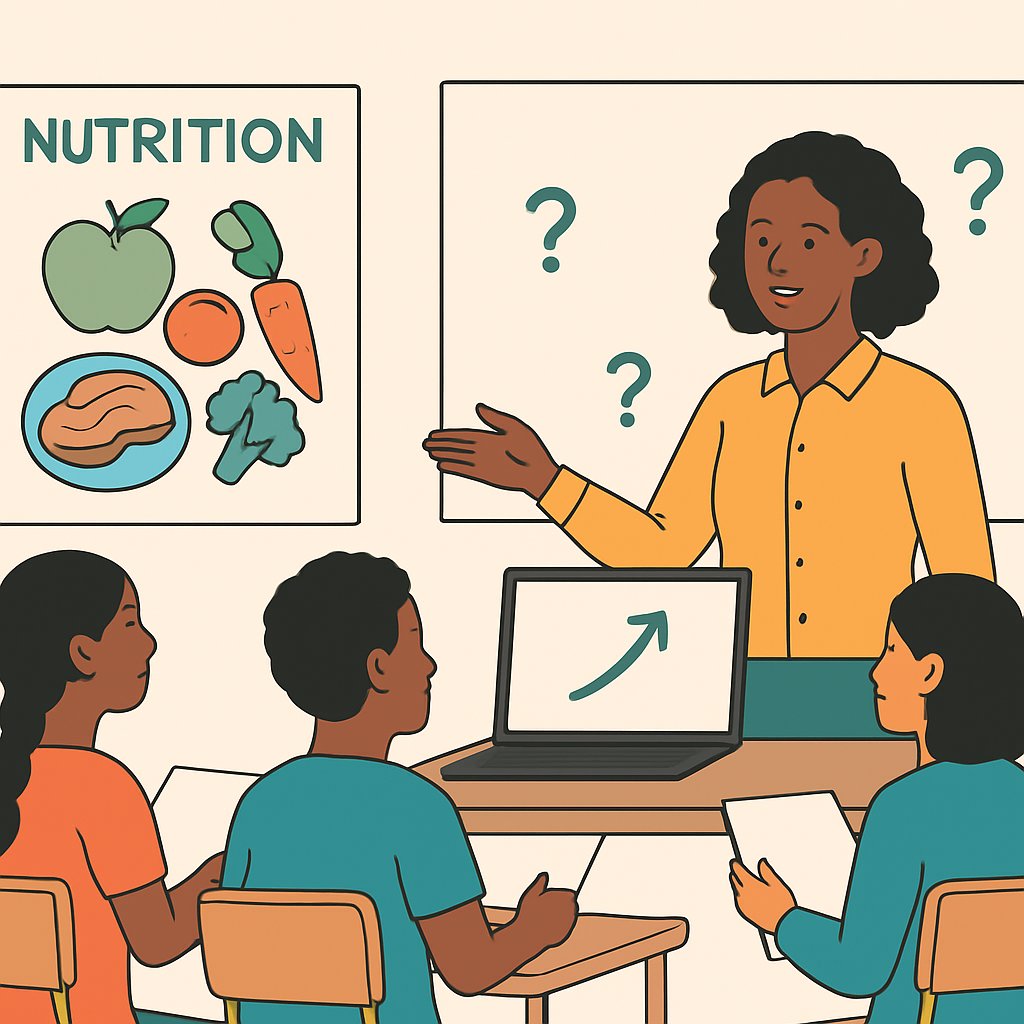
Challenges to Implementing Nutrition Education Programs in Nigerian Schools
Nutrition education programs face several challenges in Nigerian schools.
These barriers can hinder successful program implementation.
They also affect student health and overall well being.
Lack of Funding and Resources
A major barrier is lack of funding for school nutrition programs.
Without adequate financial support, programs cannot be developed or sustained.
Schools may lack materials, qualified staff, and training capacity.
Additionally, many schools lack access to nutritious foods.
Resistance from School Administrators and Policymakers
Resistance from administrators and policymakers limits program adoption.
Often leaders prioritize other academic subjects over nutrition education.
Without stakeholder buy in, curriculum integration becomes difficult to sustain.
Consequently, schools may provide inadequate training and limited funding.
Cultural and Societal Norms around Food and Nutrition
Cultural and societal norms shape food choices in many communities.
Traditional beliefs may favor certain foods regardless of nutritional value.
Moreover, low awareness about balanced diets can hinder behavior change.
Addressing Identified Implementation Challenges
Overcoming funding constraints is essential for sustained program delivery.
Gaining support from school leaders enables better training and resource allocation.
Addressing cultural norms helps change attitudes and promote healthy choices.
Discover More: Curriculum Overview of Nigerian Dietetics Courses
Role of Nutrition Education in Nigerian Schools
Nutrition education programs play a pivotal role in addressing health issues in Nigerian children.
These programs are essential in promoting healthy eating habits and preventing malnutrition and related diseases.
Stakeholders, including government entities, educational institutions, and community organizations, must prioritize and invest in nutrition education programs.
By doing so, they can ensure that children receive the necessary knowledge.
They also gain skills to make informed decisions about their diet and overall health.
With a collective effort and commitment, stakeholders can improve nutrition education in schools.
That action will help create a healthier future for Nigerian students.
Providing students with necessary tools supports a healthy lifestyle.
This empowerment helps them thrive and succeed in many areas of life.
Additional Resources
Google search results for Nutrition Education Programs in Nigerian Schools Health Sciences
Bing search results for Nutrition Education Programs in Nigerian Schools Health Sciences