




Introduction
Microbiology is the study of microorganisms.
These microorganisms include bacteria, viruses, fungi, and parasites.
In public health, microbiology plays a crucial role.
It helps prevent the spread of infectious diseases.
Public health focuses on improving the health of communities.
Disease prevention and health promotion initiatives are key components.
This field involves monitoring and addressing health risks at the population level.
The Role of Microbiologists in Public Health in Nigeria
Microbiologists play a critical role in public health in Nigeria.
They identify and control infectious diseases.
Their expertise and scientific knowledge keep the population safe and healthy.
Importance of Microbiologists in Identifying and Controlling Infectious Diseases
- Microbiologists are trained to detect and analyze microorganisms that cause diseases such as bacteria, viruses, and fungi.
- By identifying the specific pathogens responsible for infectious diseases, microbiologists recommend effective treatment strategies.
- They also collaborate with other public health professionals to develop prevention and control measures for infectious diseases.
- Their work helps in understanding the transmission patterns of diseases and implementing targeted interventions to reduce their spread.
Contribution of Microbiologists in Research and Development of Vaccines
- Microbiologists are at the forefront of vaccine research, working on developing new vaccines to prevent infectious diseases.
- They conduct experiments to test the efficacy and safety of vaccines before approval for public use.
- Microbiologists play a role in monitoring vaccine-preventable diseases and evaluating the impact of vaccination campaigns.
- Their expertise advances immunology and improves vaccination strategies in Nigeria.
Microbiologists are essential in public health in Nigeria for their role in identifying infectious diseases.
They control disease spread and contribute to vaccine research and development.
Their dedication and expertise safeguard the health and well-being of the Nigerian population.
One of the main challenges facing microbiology and public health in Nigeria is the lack of funding for research and infrastructure.
This hinders the progress and development of essential projects and initiatives.
These projects could improve the overall health of the population.
Additionally, there are issues with healthcare facilities and sanitation in Nigeria.
Many healthcare centers lack proper equipment, resources, and trained personnel.
This reduces their ability to effectively manage and prevent diseases.
Consequently, patients receive inadequate treatment and care.
Moreover, Nigeria has a high prevalence of infectious diseases.
Diseases such as malaria, tuberculosis, and HIV/AIDS continue to pose significant health risks.
These diseases place a strain on the public health system.
Sustainable control measures must be implemented to address these issues.
Challenges facing Microbiology and Public Health in Nigeria
- Lack of funding for research and infrastructure.
- Issues with healthcare facilities and sanitation.
- High prevalence of infectious diseases.
Addressing these challenges is crucial to improving microbiology and public health in Nigeria.
Investing in research and infrastructure will foster development.
Enhancing healthcare facilities and sanitation will improve disease management.
Implementing effective disease prevention strategies can protect the population.
Together, these measures can help build a healthier and more sustainable future for Nigerians.
Learn More: Women in Anatomy: Nigerian Female Anatomists
Initiatives and Programs Promoting Microbiology and Public Health in Nigeria
Government Policies and Regulations
- The Nigerian government has implemented various policies and regulations to enhance microbiology and public health.
- These policies focus on ensuring the safety of food, water, and healthcare facilities for all citizens.
- The government also regulates the practice of microbiology to maintain high standards and quality in healthcare services.
- By enforcing strict guidelines and standards, the government aims to prevent the spread of diseases and ensure public health.
Collaborations with International Organizations
- Nigeria collaborates with international organizations like the World Health Organization (WHO) and the CDC to improve public health.
- These partnerships facilitate knowledge-sharing, capacity building, and access to resources for better disease control and prevention.
- International collaborations also help in conducting research, developing vaccines, and enhancing healthcare systems in Nigeria.
- By working together with global partners, Nigeria can address public health challenges more effectively and efficiently.
Public Awareness Campaigns on Sanitation and Hygiene
- Public awareness campaigns play a crucial role in promoting good sanitation and hygiene practices in Nigeria.
- These campaigns educate the public on the importance of handwashing, clean water, and proper waste disposal.
- By raising awareness about sanitation-related diseases, such as cholera and typhoid, these initiatives help prevent outbreaks.
- Through community engagement and outreach programs, Nigeria encourages behavior change towards better hygiene practices.
Enhancing Public Health Outcomes through Sustained Initiatives
Initiatives and programs promoting microbiology and public health in Nigeria safeguard the population’s well-being.
Through government policies, international collaborations, and public awareness campaigns, Nigeria can address health challenges.
These efforts help prevent diseases and improve overall public health outcomes in the country.
It remains crucial to continue investing in these initiatives to ensure a healthier and safer future for all Nigerians.
Explore Further: Impact of Dental Technology on Nigerian Healthcare
Case Studies of Successful Public Health Interventions in Nigeria
Eradication of Polio through Vaccination Campaigns
In Nigeria, a significant milestone was achieved in the eradication of polio through vaccination campaigns.
This successful public health intervention involved a collaborative effort between the government, healthcare workers, and international organizations.
Through extensive community outreach programs and door-to-door vaccination drives, Nigeria was able to interrupt the transmission of the poliovirus.
The success of the vaccination campaigns can be attributed to the commitment of healthcare professionals, effective communication strategies, and strong leadership.
Today, Nigeria has been declared polio-free, marking a major achievement in public health and disease prevention.
Transform Your Career with Expert Guidance
Get personalized mentorship consulting that’s tailored to your unique path. Our expert advice is actionable and exclusive.
Get StartedControl of Ebola Outbreak in 2014
The Ebola outbreak in 2014 posed a significant public health threat in Nigeria, but effective control measures were implemented promptly.
Through rapid response teams, contact tracing, isolation of cases, and public awareness campaigns, Nigeria was able to contain the spread of Ebola.
Collaboration between government agencies, healthcare workers, and international partners played a crucial role in controlling the outbreak.
Stringent infection prevention and control practices were enforced in healthcare settings to prevent further transmission of the virus.
The successful containment of the Ebola outbreak in Nigeria demonstrated the importance of swift action and coordinated response in public health emergencies.
Management of Lassa Fever Outbreaks
Lassa fever outbreaks have been a recurring challenge in Nigeria, but the country has made significant progress in managing these outbreaks.
Surveillance systems have been strengthened to detect and respond to Lassa fever cases promptly.
Isolation facilities have been established to provide appropriate care for patients infected with Lassa fever.
Health education campaigns have been conducted to raise awareness about the signs and symptoms of Lassa fever and preventive measures.
Collaboration between healthcare providers, researchers, and public health officials has been instrumental in improving the management of Lassa fever outbreaks in Nigeria.
The successful management of Lassa fever outbreaks reflects Nigeria’s commitment to public health preparedness and response.
See Related Content: Common Anaesthetic Techniques in Nigeria
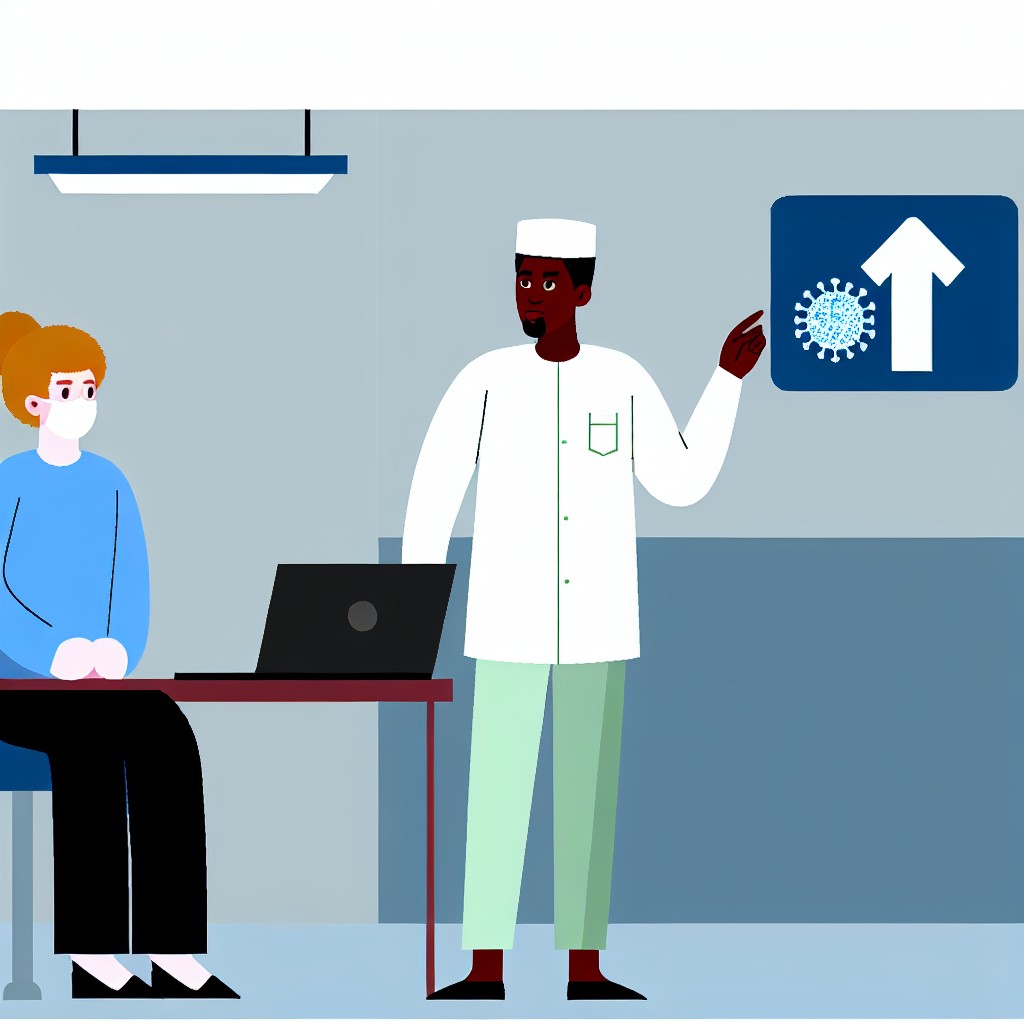
Future prospects for microbiology and public health in Nigeria
Opportunities for research and innovation
Microbiology and public health in Nigeria present numerous opportunities for research and innovation.
The country has a diverse range of ecosystems and public health challenges.
There is ample room for exploration and discovery in these areas.
Researchers can delve into antimicrobial resistance, infectious diseases, environmental health, and food safety.
By conducting studies and experiments, they can contribute valuable insights.
These insights can inform public health policies, interventions, and strategies.
Innovation plays a crucial role in addressing emerging health threats.
It also improves healthcare delivery systems.
Researchers can develop new technologies, tools, and approaches to enhance disease surveillance.
This includes diagnosis, treatment, and prevention.
Collaborations between academic institutions, research organizations, government agencies, and industry players can facilitate knowledge exchange.
They can also promote resource sharing and innovative solutions to public health issues.
Importance of capacity building and training
Capacity building and training are essential to strengthening microbiology and public health in Nigeria.
Investing in education and training improves the quality of healthcare services and surveillance systems.
It also enhances research capabilities.
Continuous learning, skill development, and knowledge sharing are key components.
Individuals can enhance their expertise and contribute effectively to public health initiatives.
Training programs may focus on laboratory techniques, disease surveillance, data analysis, and public health policies.
Emergency response is another important training area.
Building a skilled workforce helps address gaps in the healthcare system and strengthens research capacity.
It also improves disease management.
Capacity building supports robust laboratory networks, research institutions, and public health programs.
International partners and donor agencies can further enhance training opportunities and knowledge transfer.
Potential impact of emerging infectious diseases
The potential impact of emerging infectious diseases on microbiology and public health in Nigeria is significant.
New pathogens continue to evolve and spread across the country.
This creates challenges in detecting, responding to, and controlling these threats.
Outbreaks of diseases such as Lassa fever, Ebola, and COVID-19 have demonstrated the need for preparedness.
Surveillance and response strategies are crucial to mitigate these risks.
Emerging infectious diseases can have devastating effects on public health and socioeconomic development.
They also pose risks to global security.
Monitoring disease trends and conducting research help implement prevention and control measures.
Nigeria can mitigate the impact of emerging infectious diseases by acting promptly.
Collaboration with international health organizations, research institutions, and government agencies strengthens capacity.
Investments in early warning systems, laboratory capabilities, and public health infrastructure support outbreak prevention.
These efforts protect the population from health risks effectively.
Explore Further: Introduction to ENT Surgery in Nigeria: Key Facts
Collaboration between microbiologists and other healthcare professionals in Nigeria
- Importance of interdisciplinary approach in addressing public health challenges.
- Benefits of sharing knowledge and resources.
Collaboration between microbiologists and other healthcare professionals is crucial in Nigeria.
Effective collaboration helps to address public health challenges.
These professionals can leverage their diverse expertise and skills together.
This cooperation helps develop comprehensive solutions to health problems.
One key benefit of an interdisciplinary approach is drawing on diverse perspectives.
Microbiologists provide expertise on infectious diseases.
Public health experts offer insights on population-level interventions.
Furthermore, collaboration allows sharing of knowledge and resources.
Microbiologists access cutting-edge research and technologies.
This benefits other healthcare professionals in treatment and prevention efforts.
Similarly, public health practitioners provide valuable data and surveillance information.
This information helps inform microbiologists’ research.
By working together, these professionals can pool resources and expertise.
This collaboration addresses complex public health challenges more effectively.
The collaborative approach can lead to innovative solutions and improved patient outcomes.
Ultimately, it promotes a healthier population in Nigeria.
Role of Microbiology in Public Health in Nigeria
Microbiology plays a crucial role in public health in Nigeria.
It helps identify infectious diseases.
Microbiology also controls these diseases effectively.
Investing in microbiology research benefits the whole population.
This investment improves public health infrastructure.
Without support and funding, disease detection will weaken.
Prevention and response to outbreaks would also suffer.
We must recognize microbiology’s significance in safeguarding health.
Making it a national priority is essential.
Therefore, support microbiology research for a healthier Nigeria.
Additional Resources
Using one health training for interprofessional team building …


