



Introduction
Today’s competitive job market makes internships important for mechanical engineering students.
These opportunities help students shape their future careers through real-world experience.
Furthermore, students apply theoretical knowledge in practical engineering settings.
Overview of Mechanical Engineering Internships
- Mechanical engineering internships provide hands-on experience in the field.
- Interns work on real-world projects under the guidance of experienced engineers.
- These opportunities help students apply classroom knowledge to practical situations.
Typical Responsibilities and Tasks
- Interns may assist in designing, testing, and analyzing mechanical systems.
- They could be involved in creating prototypes and conducting experiments.
- Interns often collaborate with team members to solve engineering challenges.
Benefits of Completing an Internship
- Gain valuable hands-on experience that enhances academic learning.
- Build a professional network and connect with potential future employers.
- Improve problem-solving and critical thinking skills in a real-world setting.
- Enhance technical skills and knowledge specific to the mechanical engineering field.
- Increase job opportunities and marketability upon graduation.
Internship Search Strategies
Job boards such as Indeed, Glassdoor, and LinkedIn provide internship openings.
Company websites often publish internship positions directly.
Career fairs create opportunities to meet recruiters in person.
- Use resources from your school’s career center to find internship listings.
- Ask professors, alumni, and industry professionals about potential internship leads.
Networking for Internship Opportunities
Networking helps you build connections and discover opportunities that job boards may not advertise.
Professional referrals can strengthen your position during the application process.
Industry relationships may support future employment opportunities.
- Attend industry events and conferences to expand your professional network.
- Follow up with contacts and maintain communication after meeting them.
Effective Resumes and Cover Letters
Customize your resume to emphasize skills and experiences relevant to each internship.
Include job description keywords so applicant tracking systems can identify your qualifications.
Highlight engineering projects, internships, and extracurricular activities that match the position.
- Quantify achievements with numbers to demonstrate measurable impact and results.
- Write a tailored cover letter explaining your interest in the specific internship.
These strategies can improve your chances of securing a mechanical engineering internship.
Stay proactive and persistent throughout your internship search.
Reach out confidently and build meaningful industry connections.
See Related Content: History and Evolution of Surveying in Nigeria
Networking Opportunities for Mechanical Engineering Students
Networking connects mechanical engineering students with industry professionals.
Moreover, professional relationships provide valuable insights and career opportunities.
Students can network by attending industry events, joining professional organizations, and using social media platforms.
- Networking may lead to internships, job offers, mentorship opportunities, and career advice.
- Additionally, broader networks provide access to valuable knowledge and professional resources.
Uncover the Details: Marine Engineering: Licensing and Certification Guide
Skills Developed Through Internships
Internships let students apply classroom theory to real engineering projects.
They also strengthen practical abilities, technical knowledge, and professional communication.
Additionally, students gain industry awareness while solving authentic engineering challenges.
- Students develop problem-solving, critical thinking, and project management skills through practical assignments.
- Hands-on work improves technical abilities in CAD, CAE, and engineering simulations.
- Interns communicate with professionals, clients, and teammates through written and verbal discussions.
- Professional environments introduce students to industry trends, regulations, practices, and standards.
- Real engineering problems encourage students to create practical and innovative solutions.
Why Hands-On Experience Matters
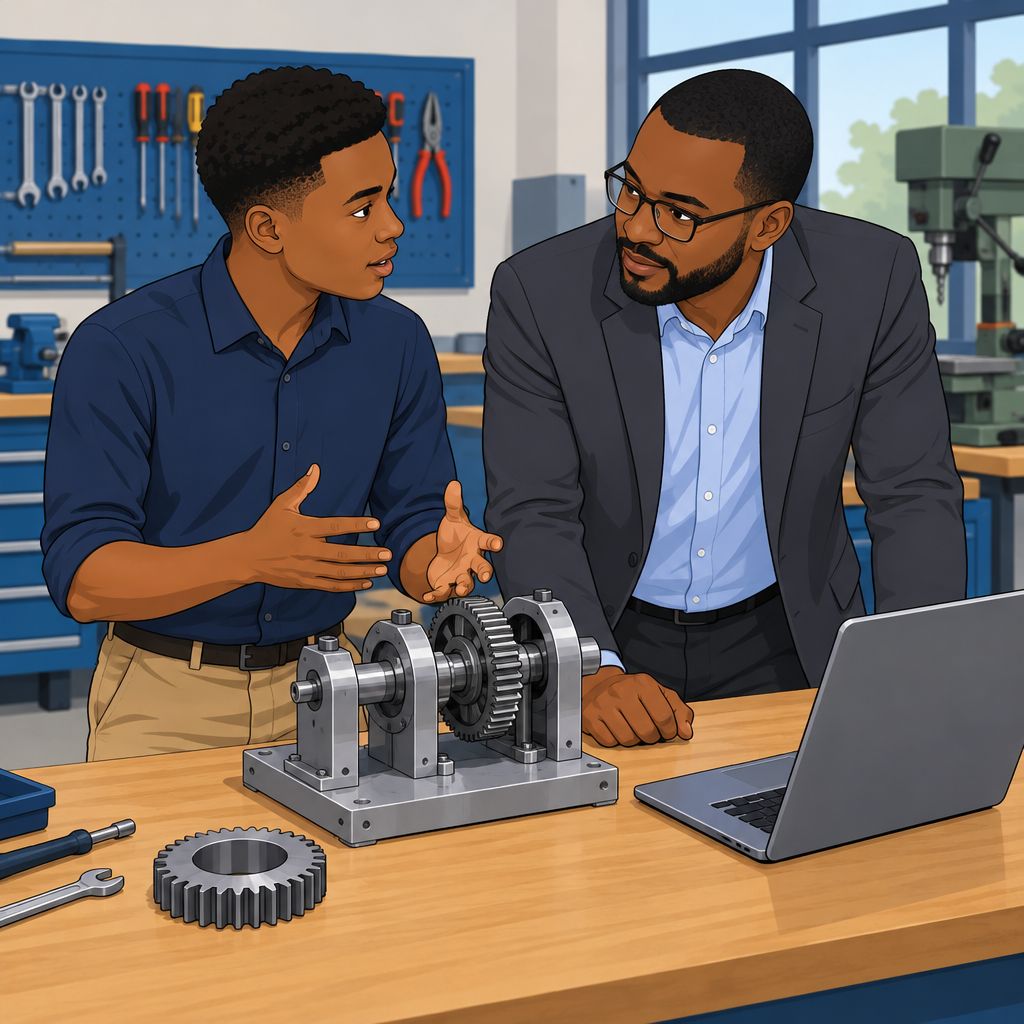
Hands-on experience helps students connect academic concepts with professional engineering responsibilities.
Moreover, practical assignments develop technical expertise, interpersonal abilities, and independent judgment.
Industry exposure also helps students evaluate career paths and understand workplace expectations.
- Internships allow students to apply classroom concepts to active engineering projects.
- Practical work builds problem-solving abilities and technical expertise.
- Students observe professional standards, workplace practices, and industry expectations.
- Interns meet industry experts and build connections that may support future careers.
Experiences That Support Professional Growth
Mechanical engineering interns participate in activities that expand their technical and professional understanding.
Experienced engineers often guide interns through assignments, feedback, and workplace challenges.
Meanwhile, collaborative projects help students practice communication, teamwork, and leadership.
- Students may design components, test prototypes, conduct experiments, or analyze data.
- Mentors provide guidance, feedback, and support throughout challenging assignments.
- Site visits can expose interns to manufacturing facilities, research laboratories, and engineering firms.
- Workshops and seminars help students learn emerging technologies and improve professional readiness.
- Multidisciplinary teamwork teaches interns to collaborate within diverse and dynamic groups.
By engaging actively, students strengthen their academic learning and prepare for mechanical engineering careers.
These experiences help interns build a strong foundation for continued professional development.
See Related Content: Challenges in Implementing Geoinformatics in Nigeria
Mechanical engineering internships give students opportunities to demonstrate skills and learn within professional settings.
Students can improve their performance by staying proactive, receptive, and focused throughout the experience.
The following practices can help interns contribute effectively and prepare for future engineering careers.
Professional Conduct During the Internship
Professional conduct helps interns build trust with supervisors and colleagues.
Arriving prepared and communicating clearly demonstrates respect for the workplace.
Taking initiative also shows that interns are ready to support projects and accept responsibility.
- Interns should arrive early for work and meetings.
- Professional clothing shows that interns take their responsibilities seriously.
- Clear communication helps interns express ideas and collaborate respectfully.
- Interns should seek tasks and projects instead of waiting for instructions.
Professional Development During the Internship
Clear goals help interns direct their effort and measure their progress.
Feedback reveals improvement areas and supports continued professional growth.
Transform Your Career with Expert Guidance
Get personalized mentorship consulting that’s tailored to your unique path. Our expert advice is actionable and exclusive.
Get StartedTraining sessions and professional connections can further strengthen an intern’s development.
- Interns should define goals they want to achieve during the internship.
- They should request feedback to identify ways to improve their work.
- Interns can connect with professionals to expand their professional networks.
- They should attend company training sessions and workshops when available.
Feedback and Questions for Continuous Improvement
Regular feedback helps interns understand their performance and adjust their approach.
Constructive criticism can reveal practical ways to improve professional performance.
Thoughtful questions help interns clarify assignments and understand their responsibilities.
- Interns should check regularly with supervisors about their performance.
- They should remain receptive to suggestions for improvement.
- Interns should ask questions whenever tasks require clarification.
- They should record feedback and advice for later review.
These practices help students gain more value from their internship experiences.
Interns should continue strengthening their skills and knowledge throughout their engineering development.
Find Out More: Essential Skills for Mechanical Engineers in Nigeria
Career Advantages of Mechanical Engineering Internships
Internships give mechanical engineering students practical experience beyond academic study.
They help students apply theoretical knowledge to real-world situations and strengthen their abilities.
Moreover, internships can improve students’ career prospects by demonstrating practical readiness.
Practical and Professional Benefits
These opportunities let students explore different areas within mechanical engineering.
Additionally, interns learn new technologies while contributing to real projects.
Through this experience, students develop communication, teamwork, and problem-solving skills.
Building a Strong Career Foundation
Students should actively seek internships to begin building their mechanical engineering careers.
Furthermore, internships can lead to full-time job offers after students demonstrate their abilities.
By gaining relevant experience, students create a stronger foundation for future success.
Additional Resources
Google search results for Internship Opportunities for Mechanical Engineering Students Engineering
Bing search results for Internship Opportunities for Mechanical Engineering Students Engineering


