




Introduction
Restorative dentistry focuses on repairing and restoring teeth to their natural function and appearance.
Innovative materials play a crucial role in enhancing the efficacy and durability of restorative procedures.
These materials offer dentists various options for addressing different dental issues.
Types of Innovative Materials
Innovative materials include composite resins, glass ionomer cements, ceramics, metals, and polymers.
These materials support restorative dentistry.
Each material offers distinct properties for dental applications.
- Composite resins
- Glass ionomer cements
- Ceramics
- Metals
- Polymers
Composite Resins
Composite resins restore decayed or damaged teeth.
They match tooth color and provide excellent aesthetics.
Additionally, these materials bond well to tooth structure.
Glass Ionomer Cements
Glass ionomer cements release fluoride around restored teeth.
Therefore, they suit children and patients at risk for cavities.
They also adhere well to the tooth.
Ceramics
Ceramic materials, such as zirconia, provide strength and durability.
They also offer an aesthetically pleasing appearance.
Furthermore, their biocompatibility supports restorative dental applications.
Metals
Dental professionals have used metals, such as gold and titanium, for many years.
These materials provide strength and longevity.
Consequently, dentists often use them for crowns and bridges.
Polymers
Polymers, including dental composites, offer versatility and aesthetic benefits.
Dentists commonly use them for fillings, crowns, and bridges.
They can mimic the natural structure of teeth.
Advantages of Innovative Materials
Restorative dentistry has advanced significantly in recent years.
Innovative materials now support various dental procedures and improve patient outcomes.
These materials provide benefits that support patients and dental professionals.
- Aesthetic appeal
- Biocompatibility
- Durability
- Ease of use
- Minimal sensitivity reactions
Aesthetic Appeal
Innovative materials can produce excellent aesthetic results.
They closely mimic the natural appearance of teeth.
Consequently, restorations can integrate seamlessly with a patient’s smile.
Biocompatibility and Tissue Support
These materials offer a high level of biocompatibility.
They work compatibly with the body’s natural tissues.
Therefore, restorations can reduce adverse reactions and support healthy tissue healing.
Durability and Restoration Longevity
Innovative restorative materials provide exceptional durability.
They withstand normal chewing and biting forces during daily use.
As a result, restorations can last longer and require fewer replacements.
Ease of Use in Dental Procedures
Innovative materials also simplify restorative procedures for dental professionals.
Many materials offer greater malleability and allow precise shaping.
This flexibility streamlines placement and supports efficient treatment.
Reduced Sensitivity and Patient Comfort
Patients may experience sensitivity after dental procedures.
Innovative materials can reduce sensitivity and discomfort during recovery.
Additionally, this benefit supports comfort for patients with sensitive teeth or gums.
Uncover the Details: Medical Rehabilitation Courses and Requirements Nigeria
Transform Your Career with Expert Guidance
Get personalized mentorship consulting that’s tailored to your unique path. Our expert advice is actionable and exclusive.
Get StartedDisadvantages of Innovative Materials
Innovative materials offer important options for restorative dentistry.
However, dentists and patients must evaluate several limitations before choosing these materials.
These limitations can influence treatment access, appearance, performance, and maintenance needs.
- Cost
- Potential for discoloration
- Limited availability in certain regions
- Sensitivity to temperature changes
Cost Considerations
Cost represents one significant disadvantage of innovative materials.
These materials often cost more than traditional restorative options.
As a result, higher prices may limit access for some patients.
Potential for Discoloration
Some innovative materials may discolor after prolonged use.
Although restorations may initially look attractive, staining or fading can change their appearance.
Patients may then require additional maintenance or replacement to address visible discoloration.
Regional Availability
Innovative materials may have limited availability in certain regions.
This limitation can restrict the choices available to dentists and patients.
Consequently, dental professionals may need to consider conventional materials as alternative solutions.
Sensitivity to Temperature Changes
Some innovative materials respond sensitively to temperature changes.
Temperature variations can cause materials to expand or contract.
These movements may contribute to cracking or weakening within the restoration.
Therefore, dentists should consider environmental conditions when selecting materials for dental applications.
Careful evaluation helps dental professionals balance advanced features with potential limitations.
Patients and dentists can then select restorative materials that suit the treatment requirements.
Uncover the Details: Understanding Rehabilitation Counseling Nigeria
Emerging Directions in Restorative Dentistry
Innovative materials continue to expand treatment options in restorative dentistry.
These developments help dentists provide more tailored care for their patients.
Nanotechnology, 3D printing, bioactive materials, and smart technology shape current research.
Nanotechnology in Dentistry
Nanotechnology allows researchers to manipulate dental materials at the nanoscale level.
This approach can increase material strength and durability.
It also supports precise drug delivery and targeted dental treatment.
Three-Dimensional Printing for Dental Prosthetics
Three-dimensional printing creates customized implants, crowns, and other dental prosthetics.
Designers can produce restorations that fit individual patients more precisely.
Furthermore, this technology reduces production time and manufacturing costs.
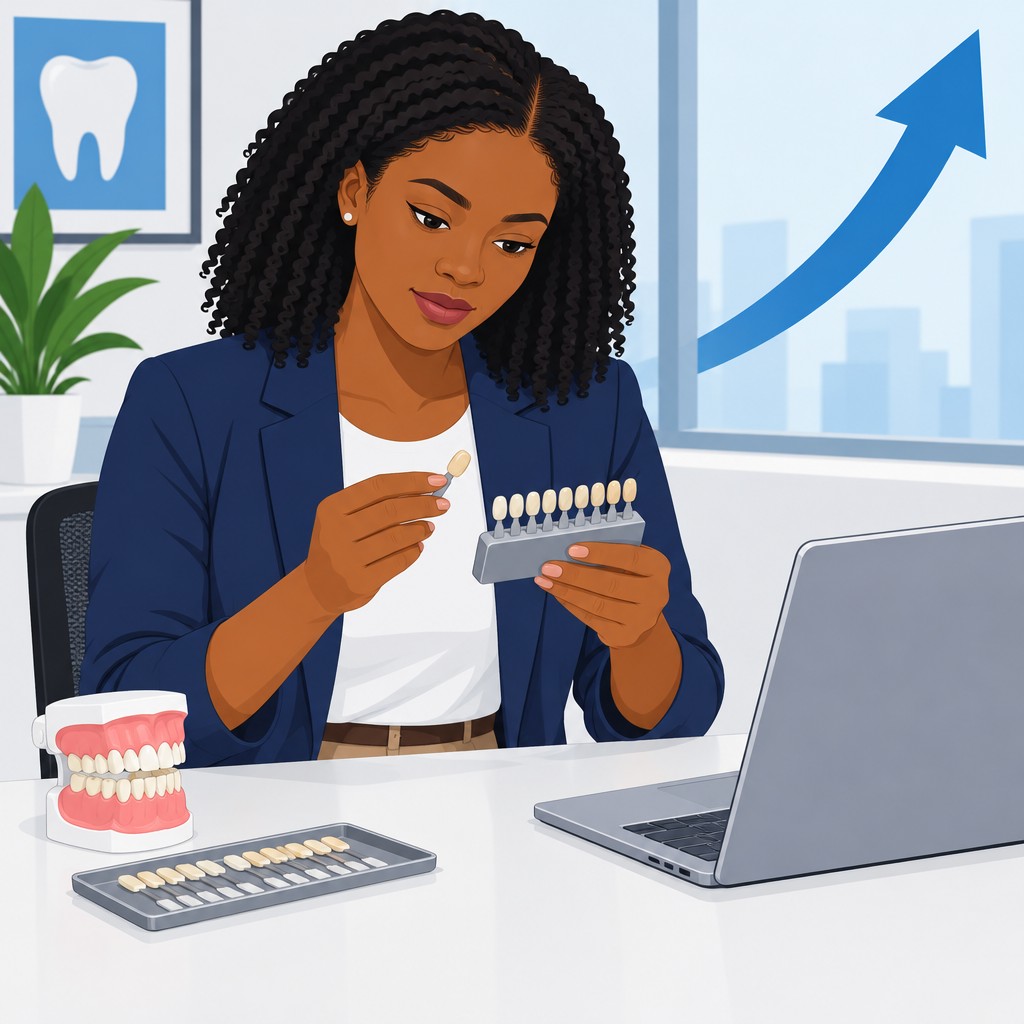
Bioactive Materials and Tooth Remineralization
Bioactive materials release beneficial ions that support tooth remineralization.
Glass ionomer cements can release fluoride ions within the oral environment.
These properties may help prevent tooth decay and secondary caries.
Smart Materials for Oral Health Monitoring
Smart materials can contain sensors that monitor oral health conditions.
These sensors can track pH levels, temperature, and bacterial presence.
Consequently, dentists can receive information that supports early intervention and preventive care.
Future Development of Restorative Materials
Researchers continue to develop materials with improved biocompatibility and durability.
These advances may strengthen restorative procedures and improve patient care.
As research progresses, dental professionals will gain additional treatment options.
Explore Further: Salary Expectations for Dental Technologists in Nigeria
Case Studies of Innovative Restorative Materials
- Success stories involving innovative materials in restorative dentistry
- Before and after photos showing patient treatment results
- Testimonials from dentists and patients about material efficacy
These case studies describe how innovative materials support restorative dental treatments.
They also show changes in oral appearance and patient confidence after treatment.
Additionally, dentists and patients describe practical benefits and satisfactory treatment experiences.
Success Stories
Patients have reported notable improvements after procedures involving innovative restorative materials.
One conference case study featured severe tooth decay treated with a cutting-edge composite filling material.
The resulting images showed improved tooth appearance and restored patient confidence.
Before and After Photos
Before and after photos clearly illustrate changes in patients’ oral conditions.
One patient with discolored and misaligned teeth received a smile makeover using advanced ceramics and veneers.
The final images showed aligned, naturally white teeth after treatment.
Testimonials from Dentists and Patients
Dentists have praised the ease of use and durability of innovative restorative materials.
Patients have also described positive effects on oral health and personal well-being.
One composite bonding case repaired a chipped tooth and blended with the patient’s natural teeth.
Gain More Insights: Mental Health Helplines and Hotlines in Nigeria
Impact of Innovative Materials on Restorative Dentistry
Technology and material advancements have revolutionized patient care outcomes in dentistry.
These advancements make treatments more durable and aesthetically pleasing.
Moreover, zirconia and composite resins support more conservative, minimally invasive procedures.
Continuing Education in Restorative Dentistry
Dentists must prioritize continuing education and training as restorative dentistry evolves rapidly.
By staying informed about new materials, dentists can enhance patient satisfaction and clinical success rates.
Furthermore, ongoing learning helps dentists evaluate available materials for appropriate restorative care.
Patient Engagement with Restorative Materials
Patients should inquire about the materials used in their restorative treatments.
They should also understand each material’s advantages and potential drawbacks.
Choosing a provider who uses innovative materials can support high-quality, long-lasting results.
Additional Resources
Google search results for Innovative Materials in Restorative Dentistry Medical
Bing search results for Innovative Materials in Restorative Dentistry Medical


