




Introduction
Human physiology examines how the human body functions and interacts with its environment.
Understanding human physiology helps people maintain optimal health and prevent diseases.
This section covers basic human physiology, including various body systems and their functions.
What Is Human Physiology?
Human physiology examines how the human body functions.
It explores how body systems interact to support essential activities.
Additionally, physiology explains how the body maintains stable internal conditions.
Explanation of Human Physiology
Human physiology forms a branch of biology focused on mechanisms within the human body.
It examines how cells, tissues, and organs perform their functions.
Furthermore, these structures work together to maintain homeostasis.
Body Systems and Their Functions
The human body contains several systems that perform different essential functions.
These systems include the circulatory, respiratory, digestive, nervous, endocrine, and reproductive systems.
Each system contributes to the body’s ability to function properly and efficiently.
Human Physiology and Health
Understanding human physiology supports informed decisions about health and well-being.
It also helps healthcare professionals diagnose and treat medical conditions.
Moreover, knowledge of body functions encourages healthy nutrition, exercise, and lifestyle choices.
Overview of Homeostasis and Its Role in Human Physiology
Homeostasis maintains internal stability despite external changes.
It regulates temperature, pH levels, and nutrient balance within the body.
Consequently, cells can function optimally and avoid damage from extreme conditions.
Therefore, homeostasis supports overall health and survival.
Cell Physiology and Its Importance in the Body
Cell physiology examines the functions and processes that occur within cells.
These processes enable cells to perform their specific roles throughout the body.
Additionally, cells form the building blocks of tissues and organs.
They perform essential functions, including metabolism, energy production, and communication.
Understanding cell physiology clarifies how the body functions as a whole.
It also provides insights into diseases, treatments, and overall well-being.
Feedback Mechanisms and Internal Balance
Feedback mechanisms regulate physiological processes and help maintain internal balance.
Positive feedback amplifies a response until the body achieves a desired outcome.
In contrast, negative feedback reverses an action and restores homeostasis.
These mechanisms help the body maintain stable internal conditions.
Furthermore, they allow the body to adapt to changing environments and stressors.
See Related Content: Student Experiences in Medical Laboratory Science
Understanding the Nervous System
The nervous system helps the body function properly and respond to changes.
It includes the central nervous system and the peripheral nervous system.
Together, these systems process information, coordinate body functions, and control movement.
They also allow people to perceive their surroundings and respond to stimuli.
Structure and Function of the Central Nervous System
The central nervous system consists of the brain and spinal cord.
The brain acts as the command center for the nervous system.
It interprets sensory information, makes decisions, and sends signals throughout the body.
Meanwhile, the spinal cord carries signals between the brain and the body.
It also controls reflexes and supports basic body functions.
Transform Your Career with Expert Guidance
Get personalized mentorship consulting that’s tailored to your unique path. Our expert advice is actionable and exclusive.
Get StartedStructure and Function of the Peripheral Nervous System
The peripheral nervous system includes nerves that extend from the brain and spinal cord.
These nerves connect the central nervous system with the rest of the body.
Sensory nerves receive information from the environment and transmit it for processing.
Motor nerves direct muscles to create movement.
Additionally, autonomic nerves regulate involuntary processes, including heart rate and digestion.
Coordination of Body Functions Through Neural Signals
Neurons coordinate body functions through electrical and chemical signals.
Sensory neurons detect stimuli and send information to the brain.
The brain processes that information and selects an appropriate response.
Motor neurons then carry signals that initiate actions.
For example, these signals can move a muscle or adjust heart rate.
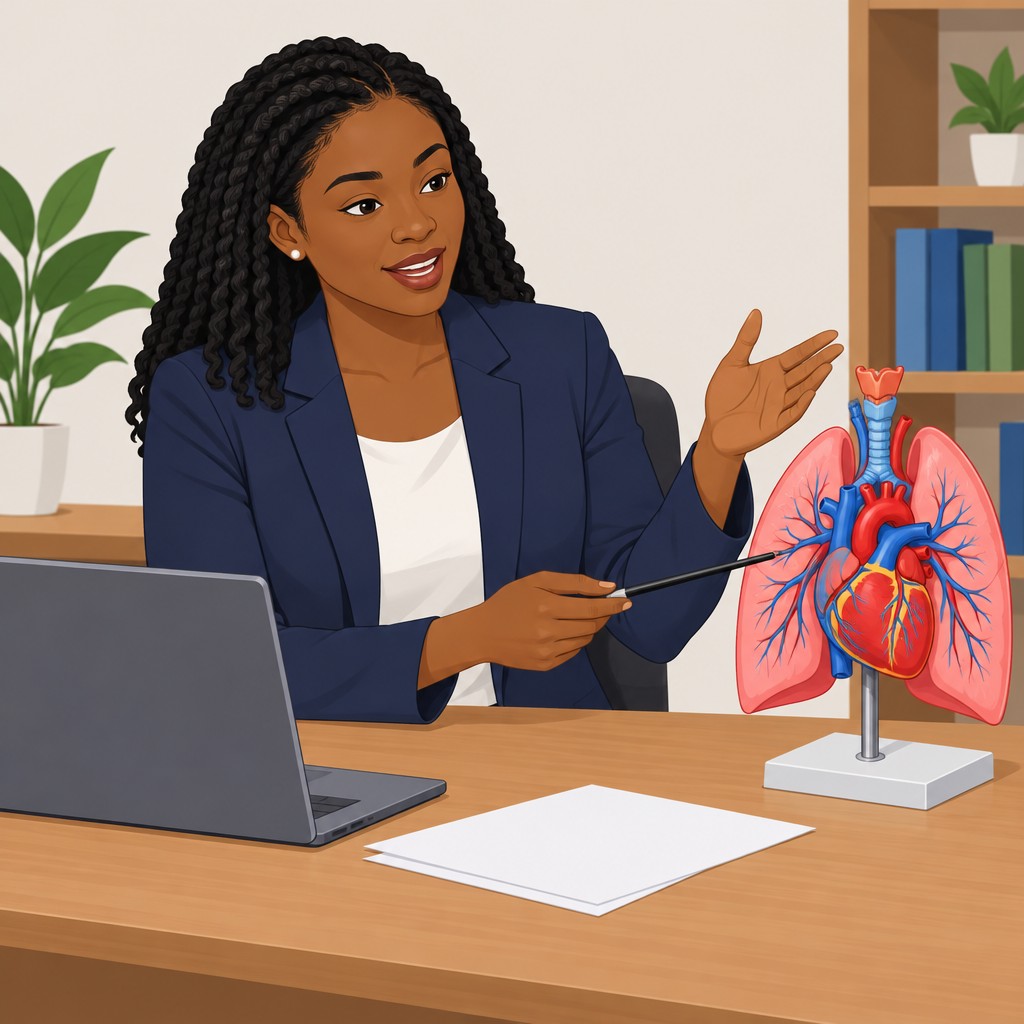
Responses to Stimuli and Control of Body Movements
The nervous system allows people to respond quickly to environmental stimuli.
For example, touching a hot stove activates sensory neurons in the hand.
Those neurons send a signal to the brain for processing.
The brain then directs motor neurons to move the hand away.
This rapid response depends on communication among different nervous system components.
Through these coordinated actions, the nervous system supports perception, movement, and responses to environmental changes.
Find Out More: Starting a Private Nutrition Practice in Nigeria
Endocrine Glands and Their Hormones
The endocrine system includes the pituitary, thyroid, adrenal, pancreas, and reproductive glands.
These glands release hormones directly into the bloodstream.
For example, the pituitary produces growth hormone, while the thyroid produces thyroid hormone.
Those hormones help regulate bodily functions and support internal stability.
Endocrine Regulation of Metabolism, Growth, and Reproduction
The endocrine system regulates metabolism, growth, and reproduction through coordinated hormonal signals.
For example, insulin and glucagon from the pancreas regulate blood sugar and metabolism.
Meanwhile, growth hormone from the pituitary stimulates growth and development.
Additionally, reproductive hormones such as estrogen and testosterone regulate sexual characteristics and reproduction.
These signals coordinate essential physiological processes throughout the body.
Importance of Hormonal Balance for Health
Hormonal balance supports health and well-being.
An imbalance can contribute to diabetes, obesity, and infertility.
It can also affect mood, energy levels, and immune function.
Proper nutrition, exercise, and stress management help maintain hormonal balance.
Regular check-ups and hormone monitoring can help identify potential health complications.
Uncover the Details: Government Initiatives in Public Health Technology
Structure and Function of the Heart and Blood Vessels
The heart is a muscular organ that pumps blood through the circulatory system.
It contains four chambers: two atria and two ventricles.
These chambers work together to circulate blood efficiently.
Additionally, the body’s blood vessels include arteries, veins, and capillaries.
Arteries carry oxygen-rich blood away from the heart.
In contrast, veins carry oxygen-poor blood back to the heart.
Capillaries connect arteries and veins while enabling exchanges of nutrients and waste products.
Cardiovascular Transport of Essential Substances
The cardiovascular system transports essential substances throughout the body.
First, the heart pumps oxygenated blood from the lungs to the body’s tissues.
Meanwhile, blood carries nutrients from the digestive system to various tissues and organs.
It also carries waste products, including carbon dioxide, away from tissues.
The body then eliminates these waste products.
Importance of Cardiovascular Health
A healthy cardiovascular system supports overall well-being and optimal body function.
Regular exercise and a balanced diet help maintain a healthy heart and blood vessels.
However, hypertension and atherosclerosis can negatively affect the cardiovascular system.
Therefore, people should monitor blood pressure, cholesterol levels, and overall heart health.
These actions can help prevent cardiovascular diseases.
By protecting cardiovascular health, people can improve their quality of life and reduce cardiovascular disorder risks.
Delve into the Subject: Collaboration Opportunities in Pathology Research
Structure and Function of the Respiratory System
The respiratory system includes the nose, pharynx, larynx, trachea, bronchi, and lungs.
These structures work together to help the body inhale oxygen and exhale carbon dioxide.
These organs guide air into the lungs and support breathing.
Process of Gas Exchange in the Lungs
When we inhale, oxygen enters the bloodstream through tiny air sacs called alveoli in the lungs.
Carbon dioxide, a waste product, leaves the body when we exhale.
The alveoli provide the site for this exchange.
Importance of Proper Respiratory Function
The respiratory system supplies oxygen to the body’s cells for energy production.
It also removes carbon dioxide, a metabolic byproduct that can harm the body if it accumulates.
Therefore, respiratory health supports overall well-being and physical performance.
- Proper respiratory function ensures an adequate oxygen supply for cellular processes.
- It helps maintain blood pH by regulating carbon dioxide levels.
- Efficient gas exchange supports optimal cardiovascular function.
- Respiratory health contributes to overall well-being and physical performance.
Practical Insights from Human Physiology
This section reviewed basic concepts and functions of human physiology.
It also examined how body systems work together to maintain stable internal conditions.
Understanding these processes supports informed attention to health and well-being.
It also shows how the body responds to internal and external stimuli.
Deeper study can help individuals understand their own bodies more clearly.
Consequently, people can make informed choices about health and lifestyle.
Readers can continue exploring human physiology to expand their knowledge.
Applying that knowledge may help them improve their quality of life.
Additional Resources
Google search results for Understanding Human Physiology: A Beginner's Guide Health Sciences
Bing search results for Understanding Human Physiology: A Beginner's Guide Health Sciences


