



Fieldwork in Environmental Biology
Fieldwork in environmental biology helps researchers understand Earth’s intricate ecosystems.
Researchers venture into natural settings to observe conditions, collect data, and analyze environmental patterns.
Moreover, fieldwork supplies conservation efforts with real-time insights into ecosystem health and human impacts.
Scientists study habitats, biodiversity, and ecological interactions where they naturally occur.
Consequently, they can develop strategies that protect and restore fragile environments.
However, environmental biologists face unpredictable weather, difficult terrain, and logistical challenges during fieldwork.
Despite these obstacles, fieldwork offers substantial benefits.
First, researchers gain hands-on learning through direct observation.
They can see how ecosystems function and adapt research methods accordingly.
This experience strengthens their understanding of complex ecological processes.
Furthermore, fieldwork deepens researchers’ connection with the natural world.
Close encounters with ecosystems can increase appreciation for biodiversity’s beauty and importance.
That connection encourages researchers to pursue effective conservation and sustainable management practices.
Preparing for Fieldwork
Proper planning and preparation support effective environmental biology fieldwork.
Without adequate preparation, researchers may find fieldwork challenging and ineffectual.
Therefore, researchers should define objectives, methods, equipment, and permissions beforehand.
Importance of Proper Planning
Planning ensures that researchers complete all necessary steps for successful fieldwork.
Furthermore, planning helps researchers determine objectives, research questions, and methodologies.
Careful preparation minimizes risks and uncertainties during fieldwork.
- Planning ensures that researchers complete all necessary steps for successful fieldwork.
- Researchers use planning to determine objectives, research questions, and methodologies.
- Planning minimizes risks and uncertainties during fieldwork.
- Researchers obtain necessary permissions and permits before starting their research.
Necessary Equipment, Tools, and Materials
Researchers should gather suitable equipment before entering the field.
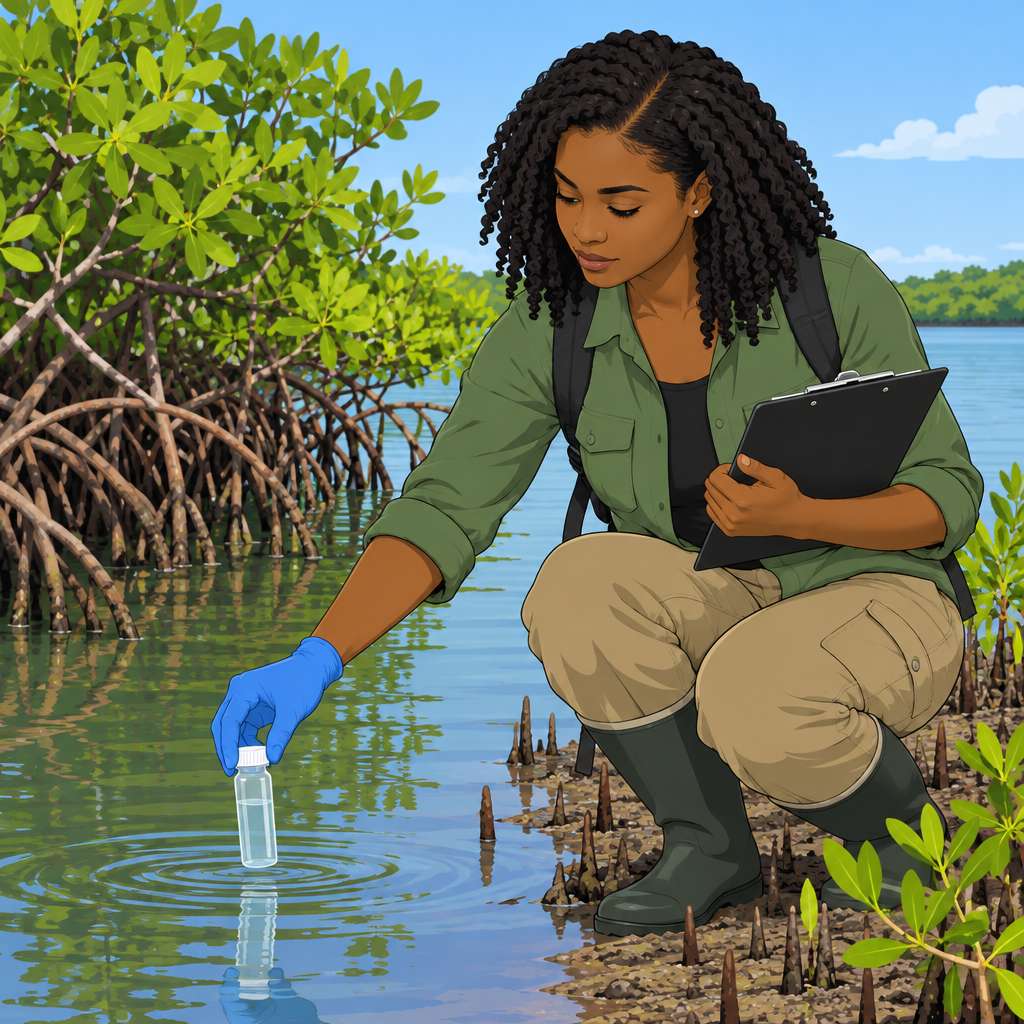
A field notebook supports accurate records of observations and collected data.
Protective gear helps researchers manage fieldwork safely.
- A field notebook records observations and data.
- A GPS device tracks locations accurately.
- Sampling equipment includes nets, traps, and containers.
- Researchers use microscopes for in-depth sample analysis.
- Protective gear includes gloves, boots, and safety goggles.
Research Objectives and Methodologies
Researchers need clear goals to design appropriate fieldwork strategies.
Moreover, researchers apply consistent methodologies to improve data reliability.
These decisions guide the selection of sampling sites and data collection techniques.
Researchers can then interpret results according to predefined objectives.
- Clear research goals guide appropriate fieldwork strategies.
- Consistent methodologies support reliable data collection.
- Research objectives guide sampling site and technique selection.
- Predefined objectives support accurate interpretation of results.
Thorough preparation helps environmental biologists maximize their research efforts.
Consequently, well-prepared teams can contribute valuable insights to environmental biology.
Fieldwork Techniques
Fieldwork techniques help environmental biologists gather data in natural environments.
They also support research about populations, habitats, and ecosystems.
Researchers use several methods to collect, organize, and interpret field observations.
- Sampling Methods: Sampling selects representative populations, habitats, or ecosystems for analysis.
- Data Collection Techniques: Transects, quadrats, and point counts measure species diversity, abundance, and distribution.
- Accurate Observations: Accurate records strengthen the validity and reliability of research findings.
- Ethical Guidelines: Ethical protocols protect organisms and ecosystems during fieldwork.
Sampling Methods
Sampling methods select a subset of individuals or areas from a larger population.
Researchers choose techniques according to research questions and study-area characteristics.
These choices help investigators examine larger populations or areas efficiently.
- Random Sampling: Random selection gives every population member an equal chance of inclusion.
- Stratified Sampling: Researchers divide the study area into strata and sample each stratum separately.
- Systematic Sampling: Researchers select individuals or areas at regular intervals for even study-area coverage.
Data Collection Techniques
Data collection techniques gather information about environmental conditions.
They can describe species composition, population dynamics, and habitat characteristics.
Researchers select methods that match the information they need.
- Transect Sampling: Researchers establish lines or belts to assess vegetation changes and species distribution.
- Quadrat Sampling: Researchers count individuals or species within square frames to estimate density or richness.
- Point Count Surveys: Researchers record individuals within a specified distance from predetermined points.
Importance of Accurate Observations
Accurate observation records support credible and reproducible environmental biology research.
They help researchers evaluate field conditions and interpret results.
Clear records also allow others to understand how researchers gathered the data.
Transform Your Career with Expert Guidance
Get personalized mentorship consulting that’s tailored to your unique path. Our expert advice is actionable and exclusive.
Get Started- Validity: Accurate observations reflect field conditions and support reliable conclusions.
- Reliability: Consistent records help researchers replicate studies and verify results.
- Comparison: Accurate data supports comparisons between studies or locations.
Significance of Ethical Guidelines
Ethical guidelines protect organisms, ecosystems, and research integrity.
They direct researchers toward responsible activities in natural settings.
Following these guidelines also supports lawful and respectful research practices.
- Respect for Wildlife: Ethical guidelines help researchers minimize impacts on wildlife and ecosystems.
- Protection of Endangered Species: Ethical practices help researchers avoid disturbing endangered species and habitats.
- Compliance with Regulations: Researchers follow relevant laws and policies by adhering to ethical guidelines.
Uncover the Details: Advancements in Environmental Technology Nigeria
Challenges in Environmental Biology Fieldwork
Environmental biology fieldwork exposes researchers to difficult conditions and unexpected situations.
These challenges can affect safety, data collection, and research progress.
Researchers must prepare carefully while remaining flexible during field activities.
- Extreme weather, difficult terrain, and wildlife encounters can complicate fieldwork.
- Risk assessment and mitigation tactics help researchers manage potential hazards.
- Adaptability allows researchers to respond effectively when unexpected problems arise.
Common Fieldwork Challenges
Extreme heat, cold, or storms can reduce researchers’ ability to collect data effectively.
Remote field sites may contain difficult terrain that complicates access and navigation.
Wildlife encounters can create safety risks or interrupt research activities.
- Extreme weather conditions can interfere with field observations and data collection.
- Difficult terrain can make remote research locations challenging to reach.
- Wildlife encounters require precautions that protect researchers and support uninterrupted work.
Risk Assessment and Mitigation
Researchers should assess risks thoroughly before entering the field.
This assessment helps teams identify hazards and develop suitable mitigation strategies.
Safety protocols, protective equipment, and emergency plans can reduce fieldwork risks.
- Teams should identify potential hazards before beginning field activities.
- Researchers should develop mitigation strategies for each identified risk.
- Safety gear and emergency plans can help teams manage unexpected incidents.
Adaptability During Fieldwork
Unforeseen challenges may require researchers to change their original plans.
Flexible teams can adjust methods and schedules when field conditions change.
Researchers who respond quickly can overcome obstacles and maintain research progress.
Discover More: Top Universities Offering Environmental Management in Nigeria
Data Analysis and Interpretation
After collecting fieldwork data, researchers analyze and interpret the information gathered.
Data analysis involves organizing, cleaning, and summarizing information to identify patterns, trends, and relationships.
Furthermore, careful analysis helps researchers draw meaningful conclusions and make evidence-based decisions.
Without accurate analysis, researchers may struggle to use fieldwork information effectively during decision-making.
Importance of Properly Analyzing Data
Researchers uncover insights, identify patterns, and understand their findings by analyzing data systematically.
Moreover, analysis helps researchers validate hypotheses, test theories, and evaluate environmental interventions.
It also supports evaluations of conservation efforts and their effectiveness.
Consequently, proper analysis supports conclusions, scientific evidence, and informed policy decisions.
Systematic analysis also helps researchers reduce biases, errors, and inaccuracies that could weaken their conclusions.
Role of Statistical Analysis and Modeling
Statistical analysis helps researchers interpret fieldwork data and obtain quantitative insights.
It also helps identify correlations and measure relationships between variables.
Additionally, statistical tools measure variability and assess the significance of research findings.
Modeling techniques allow researchers to simulate scenarios, predict outcomes, and examine potential intervention impacts.
These methods also help researchers analyze management strategies and compare possible outcomes.
Finally, statistical analysis and modeling synthesize complex datasets and quantify uncertainties.
They also help researchers communicate results effectively and support evidence-based environmental decisions.
Discover More: Government Agencies Overseeing Nigeria's Environment
Impact of Fieldwork on Conservation Efforts
Fieldwork experiences help researchers shape effective conservation strategies and policies.
Researchers gather real-time information about biodiversity and ecosystem conditions through fieldwork.
This information reveals threats to species and habitats, helping conservationists prioritize their efforts.
Additionally, fieldwork clarifies interactions between species and their environments, guiding conservation actions.
Importance of Fieldwork in Conservation
Fieldwork allows scientists to monitor ecosystem health and evaluate human impacts.
It also shows whether existing conservation measures work and identifies areas needing intervention.
Scientists study species behavior, population dynamics, and distribution patterns to guide conservation strategies.
Furthermore, fieldwork reveals how climate change, pollution, and habitat destruction threaten biodiversity.
Examples of Successful Conservation Initiatives
Fieldwork studies of wolves’ ecological role informed their reintroduction into Yellowstone National Park.
Researchers used fieldwork data to establish marine protected areas, including the Great Barrier Reef Marine Park.
Field research on giant panda habitats guided conservation efforts for this endangered species.
Likewise, migratory bird studies supported flyways and protected stopover sites.
Fieldwork in environmental biology provides essential evidence for protecting ecosystems.
It supports threat identification, biodiversity monitoring, and effective conservation planning.
Ultimately, field-based insights help conservationists implement initiatives that protect the planet’s ecosystems.
Uncover the Details: Estate Management vs. Real Estate: Key Differences
Collaborative Fieldwork in Environmental Biology
- Collaborative fieldwork initiatives in environmental biology offer numerous benefits.
- Interdisciplinary collaboration helps researchers address complex environmental challenges.
- Furthermore, partnerships with local communities and stakeholders support successful fieldwork activities.
Collaboration strengthens fieldwork experiences in environmental biology.
Researchers can improve research quality and impact by working with experts from various disciplines.
These partnerships combine different backgrounds, expertise, and perspectives.
As a result, teams can study environmental issues more comprehensively.
Researchers can also pool resources, knowledge, and skills to address challenges beyond one team’s capacity.
Interdisciplinary collaboration proves especially valuable when environmental problems require diverse perspectives.
For example, climate change research may involve biologists, ecologists, climatologists, and sociologists.
Each discipline can help explain how climate change affects biodiversity and related environmental processes.
Meanwhile, partnerships with local communities and stakeholders support successful fieldwork activities.
Local knowledge and participation can provide valuable insights, resources, and research support.
Moreover, community relationships can reveal cultural, social, and economic influences on environmental processes.
Researchers can involve local communities in fieldwork activities to encourage engagement and empowerment.
These activities can also build local capacity and support sustainable practices.
Such collaboration benefits the research process and strengthens relationships with diverse stakeholders.
Through teamwork, communication, and cooperation, researchers can develop innovative solutions to environmental challenges.
These efforts can produce meaningful results and support natural resource conservation and preservation.
Building Lasting Support for Environmental Biology
Fieldwork experiences connect researchers with ecosystems and wildlife in ways classroom study cannot fully provide.
These encounters deepen ecological understanding while encouraging careful attention to organisms and their surroundings.
Additionally, fieldwork can inspire researchers and volunteers to support environmental protection.
Participants may become stronger advocates when direct experience reveals the value of biodiversity.
Through continued involvement, individuals can share their skills and strengthen the scientific community’s knowledge.
Such participation supports collective efforts to protect ecosystems and maintain biodiversity.
Readers can join fieldwork activities and contribute time, skills, and attention to environmental study.
Every contribution can support a more sustainable future for people and other living organisms.
Additional Resources
Google search results for Fieldwork Experiences in Environmental Biology Environmental
Bing search results for Fieldwork Experiences in Environmental Biology Environmental


