




Facial Trauma Surgery Services in Nigeria

Introduction

Facial trauma surgery services in Nigeria play a crucial role in addressing injuries to the face.

Specialized care for facial injuries is essential to ensure proper treatment and recovery for patients.

In Nigeria, these services are becoming more readily available.

A growing number of hospitals and healthcare facilities offer specialized care for facial trauma.

This development is significant in the country’s healthcare system.

It caters to the specific needs of patients with facial injuries.

Types of Facial Trauma and Their Impact

Facial trauma is a serious medical condition.

It can significantly affect a person’s appearance and quality of life.

In Nigeria, various facial injuries may require surgery to correct.

These injuries range from minor to severe trauma cases.

Common Facial Injuries in Nigeria

  • Facial fractures are a common form of trauma.

  • They can result from accidents, falls, or physical altercations.

  • Fractures affect facial bones such as the nose, cheekbones, and jaw.

  • Soft tissue injuries include cuts, lacerations, and bruises.

  • These injuries impact the skin, muscles, and other facial tissues.

  • Dental injuries involve broken or knocked-out teeth.

  • They affect chewing, speaking, and smiling abilities.

  • Orbital fractures affect the bones surrounding the eye socket.

  • These fractures can impact vision and facial appearance.

  • Nasal fractures are frequent in facial trauma cases.

  • They can cause breathing difficulties and alter the nose’s shape.

Facial injuries affect a person’s self-esteem alongside physical appearance.

They can also impair eating, speaking, and social interactions.

Prompt and appropriate treatment helps restore function and aesthetics.

Facial Trauma Cases Seen by Nigerian Healthcare Professionals

Healthcare workers in Nigeria manage a variety of facial trauma cases.

These range from minor cuts and bruises to injuries needing surgery.

Road accidents, sports injuries, and physical assaults are common causes.

A frequent example is mandibular fracture, which involves the jawbone.

This injury causes difficulty eating, speaking, and jaw movement.

Surgical realignment can restore jaw function effectively.

Zygomatic fractures, or cheekbone breaks, are also commonly treated.

They can cause facial asymmetry and chewing difficulties.

Surgery may be necessary to repair the fracture and restore facial contour.

Healthcare professionals in Nigeria are trained to assess and treat these injuries.

Effective treatment aids patients in regaining confidence and normal function.
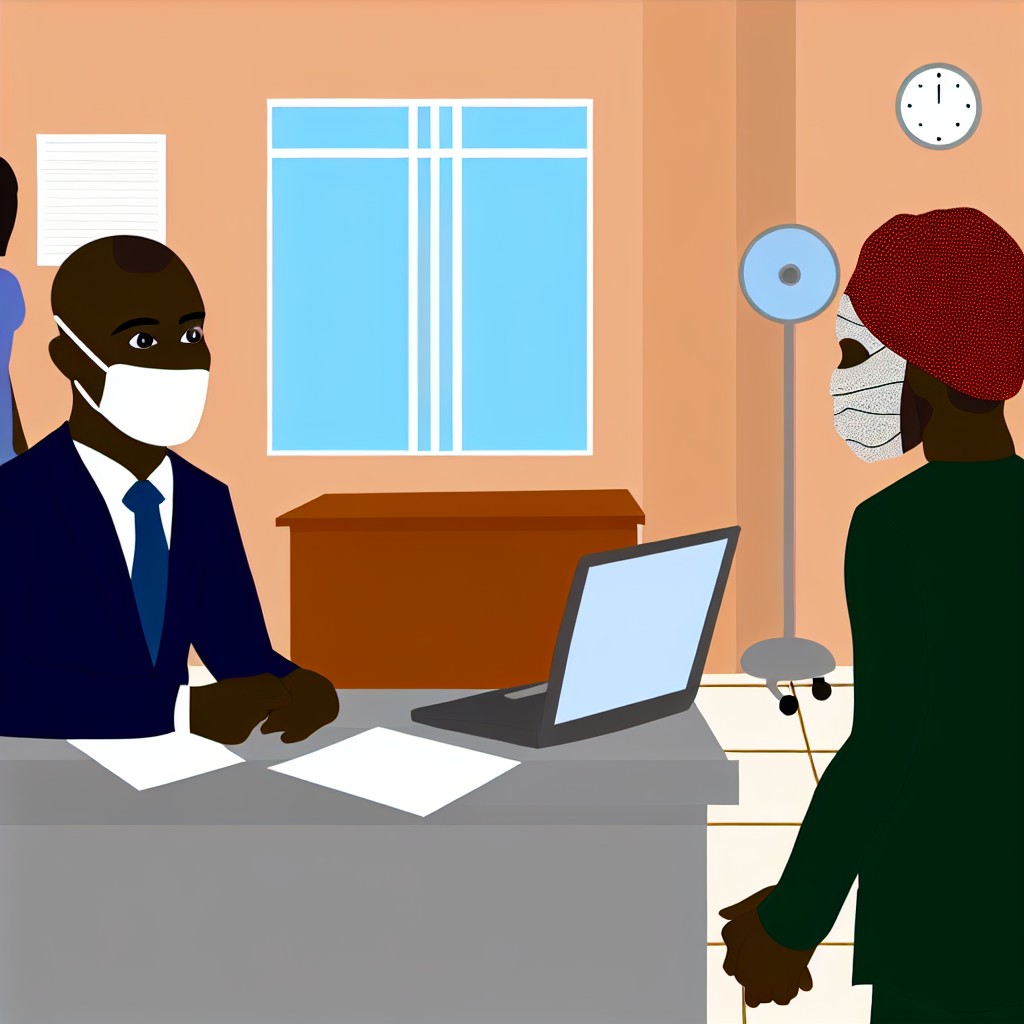
Surgical procedures often repair damaged tissues, bones, and nerves.

These surgeries restore both function and appearance.

This section discusses surgical procedures used for facial injuries.

It explains steps involved in each procedure.

The importance of post-operative care and follow-up is also highlighted.

Surgical Procedures for Facial Trauma

  • Open Reduction Internal Fixation (ORIF): This procedure repositions bones and fixes them with screws, plates, or wires.

  • The expected outcome is proper alignment of facial bones.

  • This alignment allows proper healing and function.

  • Soft Tissue Repair: This involves suturing or grafting damaged skin, muscle, or nerves.

  • This repair restores function and aesthetics.

  • It improves facial symmetry and function.

  • Maxillofacial Surgery: This surgery focuses on upper and lower jaw bones and the face.

  • Steps include realigning jaw bones, fixing fractures, and restoring dental occlusion.

  • The outcome is proper jaw function and alignment.

  • Rhinoplasty: This procedure reshapes the nose to improve function and appearance.

  • It involves making incisions, adjusting cartilage and bone, and closing incisions.

  • The expected outcome is an aesthetically pleasing and functional nose.

  • Eye Socket Repair: This repairs fractures or deformities in the eye socket by reconstructing bone structure.

  • Steps include realigning bones and securing them in place.

  • The expected outcome is restored eye function and symmetry.

Post-operative care is crucial for successful recovery from facial trauma surgery.

Patients receive instructions on wound care, pain management, and activity restrictions.

Follow-up appointments monitor healing and assess complications.

Treatment plans may be adjusted if necessary during follow-ups.

Patients must attend all follow-ups and follow care instructions to ensure optimal outcomes.

Learn More: Introduction to Anaesthesiology in Nigeria

Cost of Facial Trauma Surgery

  • Undergoing facial trauma surgery in Nigeria can vary in cost depending on the extent of the injury and the type of treatment required.

  • Simple procedures like minor cuts or bruises may cost less compared to complex surgeries such as facial bone fractures or dislocations.

  • On average, the cost of facial trauma surgery in Nigeria can range from N50,000 to N500,000 or more, depending on the severity of the case.

Potential Financial Assistance Options

  • For individuals who may not afford the cost of facial trauma surgery, there are potential financial assistance options available in Nigeria.

  • Non-profit organizations, charitable foundations, and government healthcare programs may provide financial aid to those in need of surgical treatment.

  • Patients can inquire about payment plans, discounts, or sliding scale fees from hospitals or clinics to ease the financial burden of surgery.

Insurance Coverage Details

  • Health insurance can help cover the cost of facial trauma surgery in Nigeria, depending on the type of coverage and policy agreement.

  • Patients are advised to check their insurance policy to confirm if facial trauma surgery is included in their coverage and what percentage is covered.

  • It is essential to communicate with the insurance provider to understand the reimbursement process, pre-authorization requirements, and any out-of-pocket expenses.

Guidance on Managing Financial Aspects of Surgery

  • Before undergoing facial trauma surgery, it is crucial to inquire about the total costs involved, including pre-operation tests, surgeon fees, and post-operative care.

  • Patients can explore different healthcare financing options such as personal savings, medical loans, crowdfunding, or seeking financial assistance from family and friends.

  • It is recommended to compare prices from multiple healthcare facilities, negotiate fees, and seek estimates to get the best value for the cost of facial trauma surgery.

Explore Further: Funding and Scholarships for Rehab Students Nigeria

Facial Trauma Surgery Services in Nigeria

Recovery and Rehabilitation

After facial trauma surgery, the road to recovery can vary.

The extent of the injury affects the recovery process.

The type of procedure performed also influences healing.

Here is an outline of the typical recovery process following facial trauma surgery.

  • Immediate post-op care: Patients are monitored closely in the recovery room to ensure stability.

  • Pain management: Medications help manage pain and discomfort during early recovery.

  • Swelling and bruising: These are common after surgery and may take weeks to subside.

  • Dietary restrictions: Patients may need to follow a soft diet to avoid strain on the surgical site.

  • Follow-up appointments: Regular visits with the surgeon are essential to monitor healing progress.

  • Stitches removal: Stitches may be removed within one to two weeks depending on the type used.

Rehabilitation exercises and follow-up appointments are crucial during recovery.

  • Facial exercises help restore muscle function and improve mobility.

  • Physical therapy may be recommended for specialized rehabilitation.

  • Follow-up appointments allow the surgeon to assess progress and address concerns.

  • Psychological support aids in coping with the emotional impact of facial trauma.

Here are some tips to help patients have a smooth recovery.

  • Follow post-operative instructions carefully to ensure successful healing.

  • Rest and recuperate to give your body adequate time for recovery.

  • Stay hydrated by drinking plenty of water to promote healing.

  • Eat a nutritious diet rich in vitamins and minerals to aid the healing process.

  • Avoid smoking and alcohol as they impair healing and prolong recovery.

  • Protect the surgical site by avoiding trauma to prevent complications.

By following these guidelines and staying diligent, patients can achieve the best outcomes from facial trauma surgery.

Discover More: Preventing Cavities in Nigerian Children

Success Stories and Patient Testimonials

One patient, Sarah, suffered a severe facial trauma.

She experienced a remarkable recovery after surgery.

Sarah said, "I am beyond grateful for the expertise and care I received in Nigeria."

Another success story involves Michael, who regained his confidence after surgery.

Michael stated, "The specialized care I received in Nigeria truly transformed my life."

These stories illustrate the positive impact of facial trauma surgery.

They showcase improvements in patients' physical and emotional well-being.

Patient testimonials highlight the exceptional skills and dedication of healthcare professionals in Nigeria.

  • One patient, Sarah, suffered a severe facial trauma but experienced a remarkable recovery after surgery.

  • Testimonial from Sarah: "I am beyond grateful for the expertise and care I received in Nigeria."

  • Another success story is that of Michael, who regained his confidence after facial reconstruction surgery.

  • Michael's testimonial: "The specialized care I received in Nigeria truly transformed my life."

  • These success stories showcase the positive impact of facial trauma surgery on patients' physical and emotional well-being.

  • Patient testimonials highlight the exceptional skills and dedication of healthcare professionals in Nigeria.

Access to Specialized Facial Trauma Treatment in Nigeria

Facial trauma surgery services in Nigeria provide expert care for facial injuries.

Patients should seek appropriate facial trauma treatment promptly to achieve the best outcomes.

Timely care helps prevent complications related to facial injuries.

Many individuals in Nigeria benefit from comprehensive treatment through facial trauma surgery services.

Additional Resources

A Review of the Literature - Trauma-Informed Care in Behavioral ...

Fadekemi Olufunmilayo Oginni, BChD, FMCDS, FWACS ...

Leave a Reply

Your email address will not be published. Required fields are marked *